The Living Legacy of Omega Psi Phi
Across the United States—and increasingly across the world—Black Greek-letter organizations continue shaping leadership, civic engagement, and cultural identity. Among them, Omega Psi Phi stands out for its long tradition of scholarship, service, and unapologetic brotherhood. Known informally as the “Ques,” members of this historic fraternity have influenced politics, sports, arts, and civil rights for more than a century. Understanding Omega Psi Phi means understanding a powerful piece of the broader story of Black leadership and institution-building.
The Divine Nine: A Legacy Born from Segregation and Aspiration
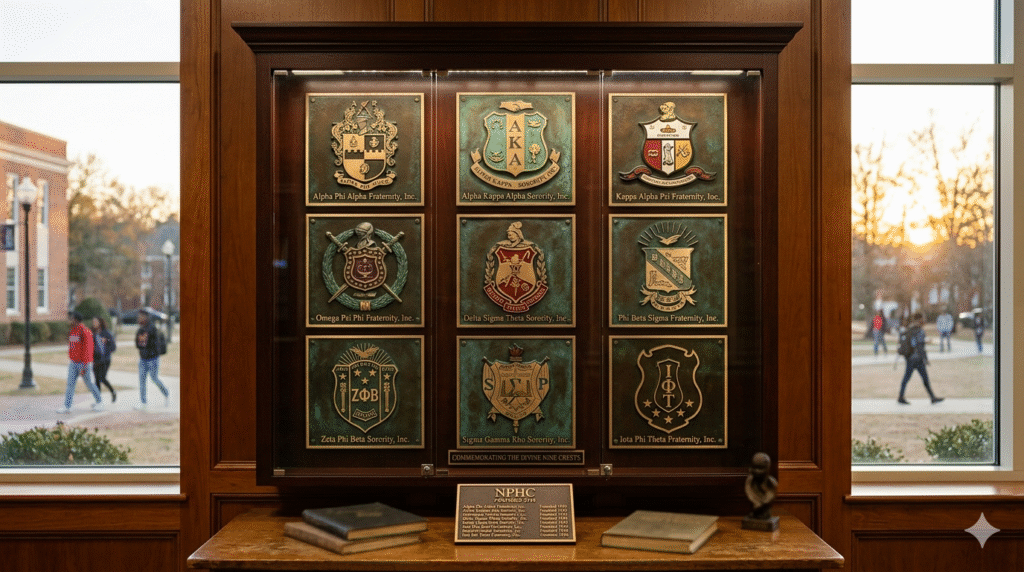
The Divine Nine refers to the nine historically Black fraternities and sororities that make up the National Pan-Hellenic Council (NPHC). These organizations were founded between 1906 and 1963, largely at historically Black colleges and universities (HBCUs), during a period when Black students were excluded from many campus institutions and leadership networks.
Greek-letter organizations provided:
- Academic support networks
- Leadership development opportunities
- Community service initiatives
- Cultural solidarity in the face of segregation
Over time, these groups evolved into some of the most influential civic institutions within Black America, with members leading movements in education, politics, civil rights, and economic empowerment.
Within this legacy, Omega Psi Phi Fraternity, Inc. holds a distinctive historical position.
The Founding of Omega Psi Phi
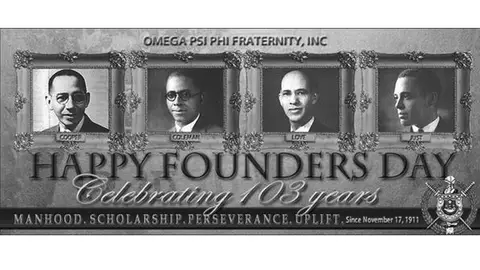
Omega Psi Phi was founded on November 17, 1911, at Howard University in Washington, D.C.
The founders were:
- Edgar Amos Love
- Oscar James Cooper
- Frank Coleman
They were guided by their faculty advisor:
- Dr. Ernest Everett Just, a renowned biologist and professor at Howard.
The fraternity was established in the Science Building (now Thirkield Hall), making it the first international fraternal organization founded at a historically Black college.
The founders selected the name Omega Psi Phi from the initials of a Greek phrase meaning:
“Friendship is essential to the soul.”
That phrase remains the fraternity’s motto and continues to shape its philosophy of brotherhood.
The Four Cardinal Principles of Omega Psi Phi

Omega Psi Phi’s mission is structured around four guiding values known as the Cardinal Principles:
Manhood
Members are expected to demonstrate integrity, discipline, and responsibility in personal and professional life.
Scholarship
Academic excellence and intellectual achievement are foundational expectations of Omega men.
Perseverance
Members are encouraged to overcome adversity and maintain resilience in pursuit of their goals.
Uplift
Perhaps the most visible principle, uplift reflects the fraternity’s commitment to community service and social improvement.
Together, these principles guide Omega Psi Phi’s international programming and community engagement.
Programs and Philanthropic Initiatives
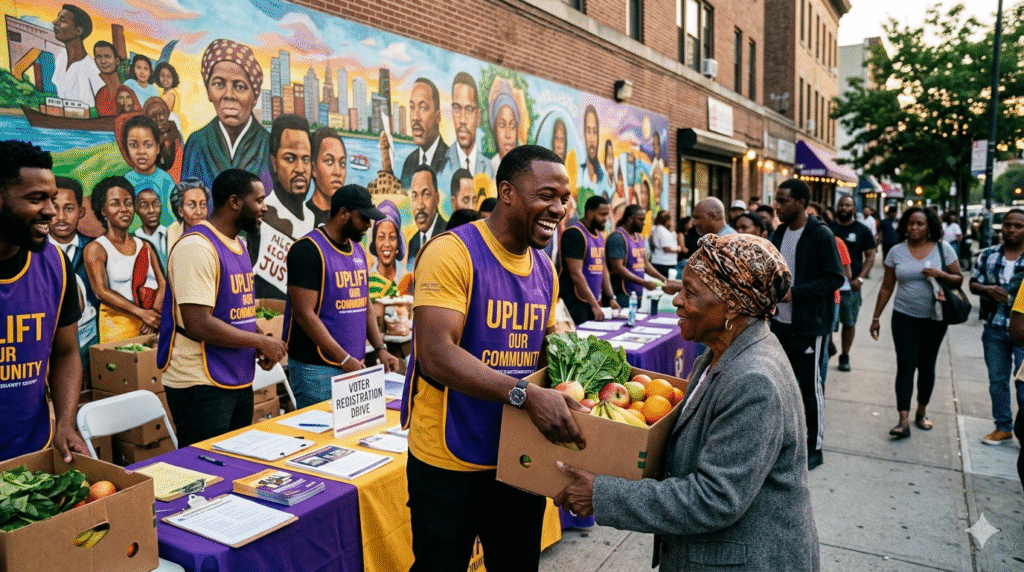
Omega Psi Phi operates several internationally mandated programs designed to promote leadership, education, and community health.
Achievement Week
Held every November, Achievement Week celebrates individuals who demonstrate outstanding community service and leadership.
Scholarship Programs
Many chapters provide scholarships to high school seniors and college students to promote academic excellence and reduce financial barriers.
Talent Hunt Program
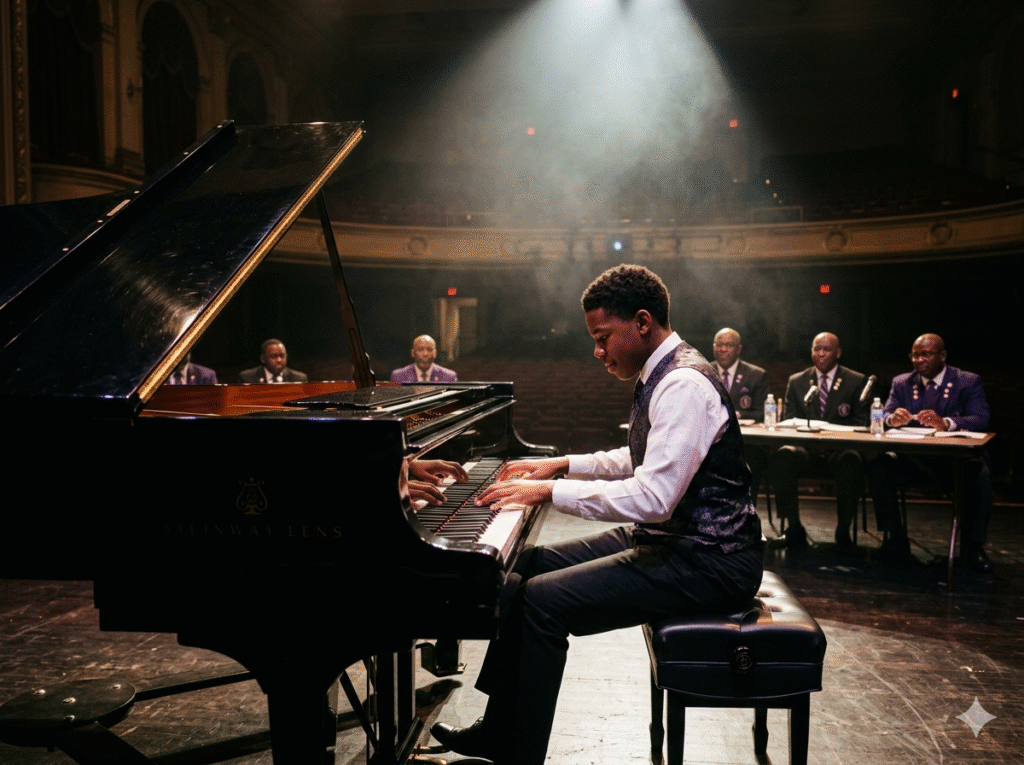
Established in 1946, the Talent Hunt Program provides young people opportunities to showcase their skills in:
- Music
- Dance
- Drama
- Visual arts
Thousands of students have received scholarships and exposure through this initiative.
Social Action Programs
Omega chapters frequently organize:
- Voter registration drives
- Civic education events
- Housing and economic justice initiatives
- Youth mentoring programs
Health Initiatives
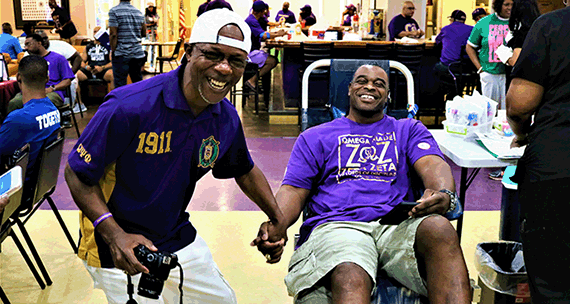
Omega Psi Phi also promotes public health awareness through programs such as:
- Charles Drew Blood Drives
- partnerships supporting diabetes awareness
- health education initiatives
The “Omega Personality”: Who Becomes a Que?
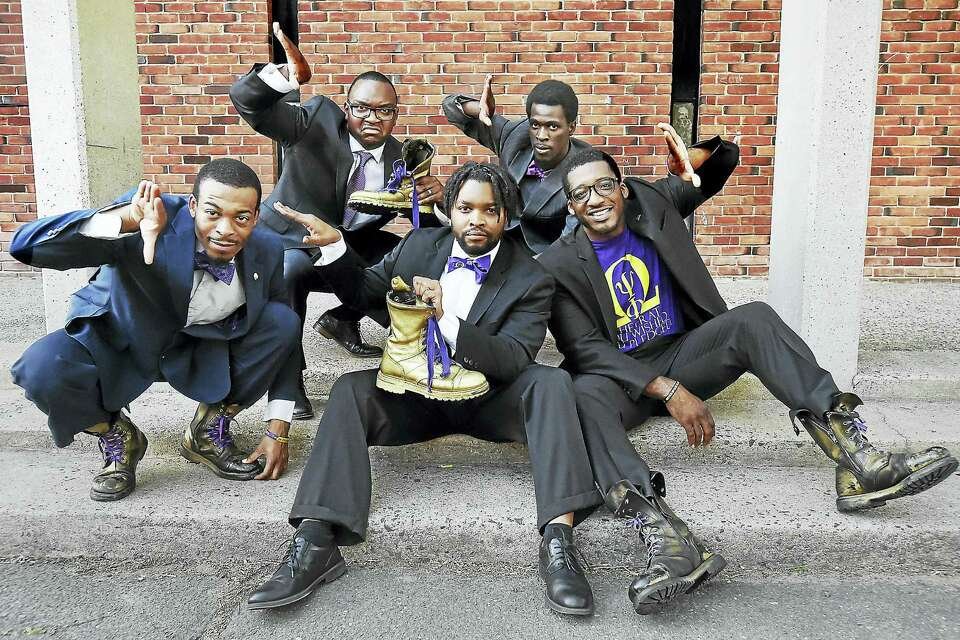
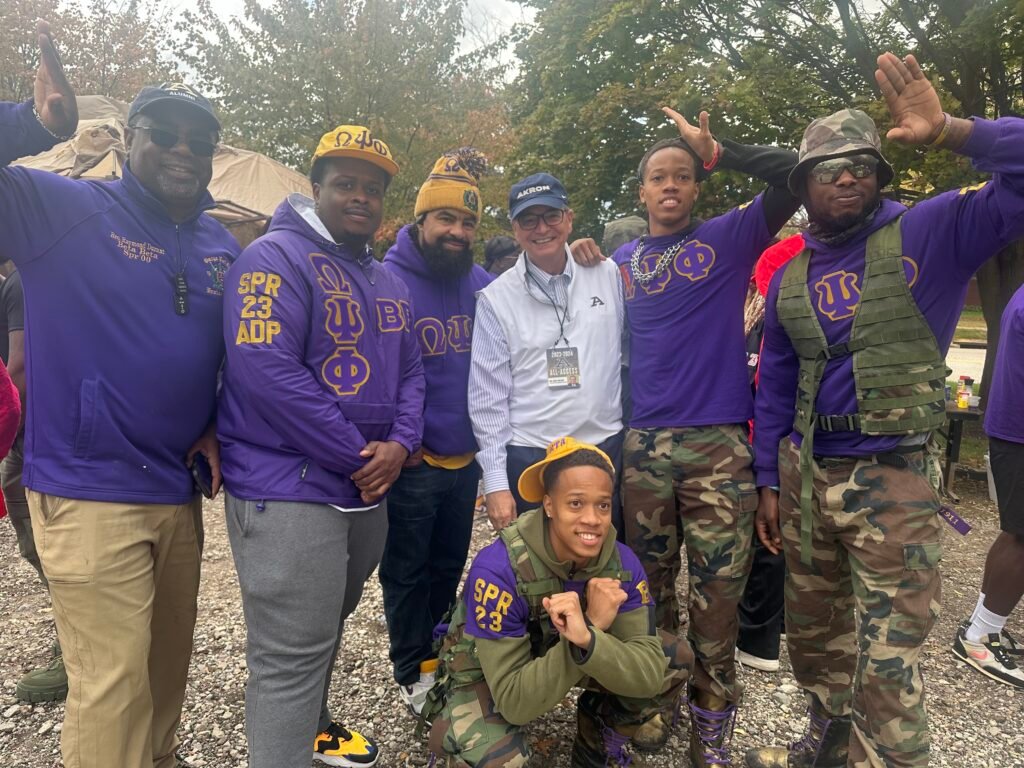
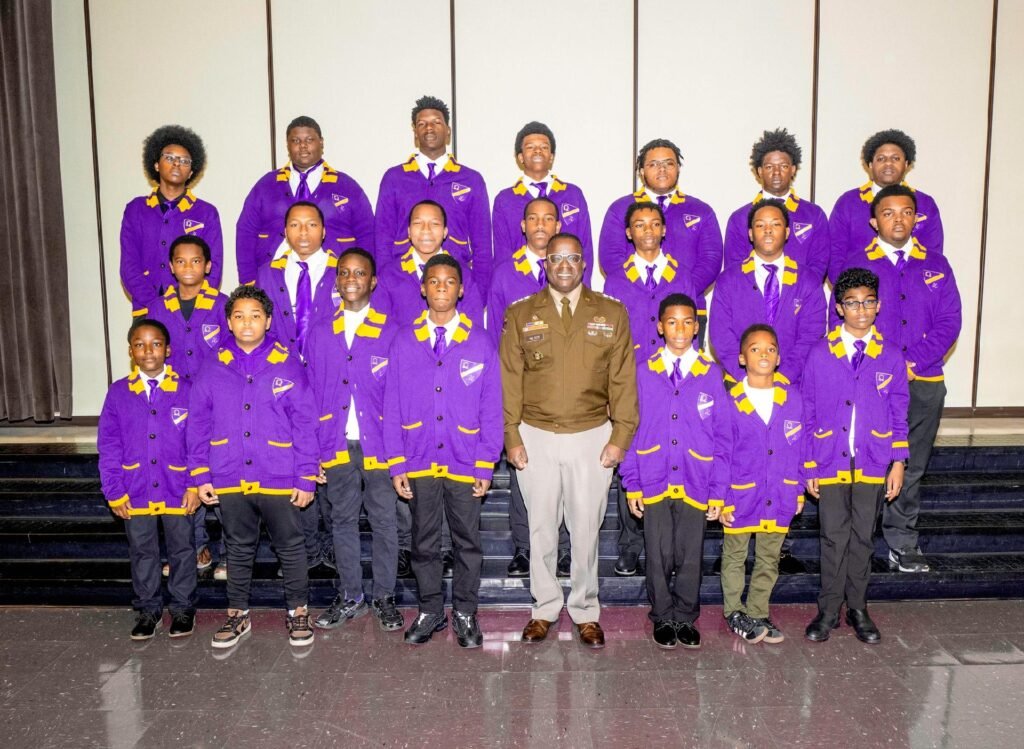
Within Black Greek culture, each organization develops its own informal personality.
The Omega personality is often associated with:
- strong confidence
- resilience and toughness
- loyalty to brotherhood
- visible pride in tradition
- commitment to community leadership
Omega men are often recognized by their purple and gold colors, signature stepping traditions, and strong alumni engagement.
Individuals who seek membership are typically men who:
- demonstrate academic discipline
- show leadership potential
- value lifelong brotherhood
- commit to community service
Membership is highly selective and requires academic eligibility and approval through a chapter intake process.
Famous Members of Omega Psi Phi
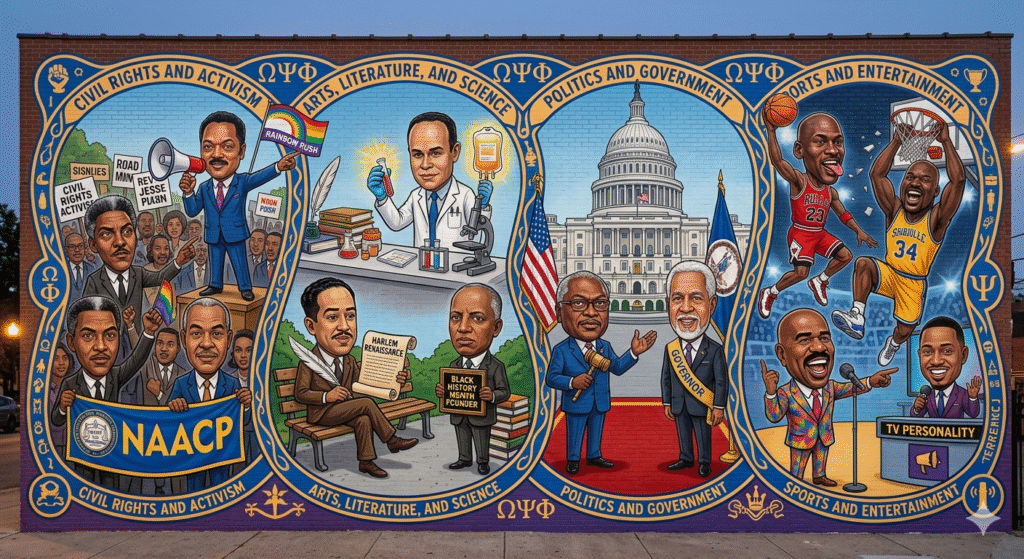
Over the last century, Omega Psi Phi members have made extraordinary contributions in nearly every field.
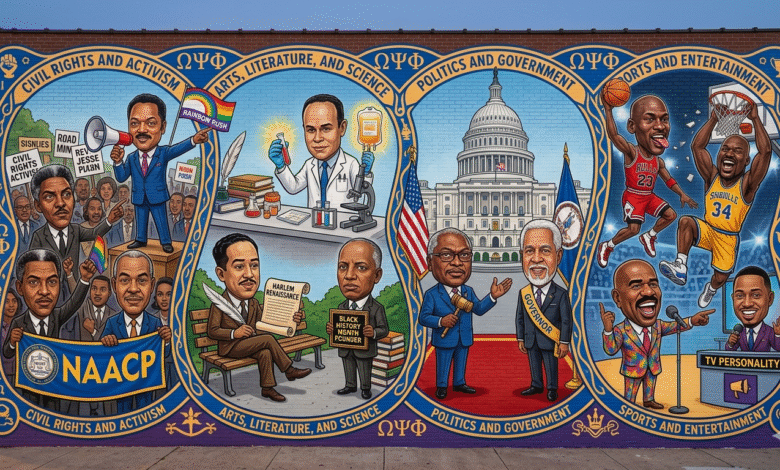
Civil Rights and Activism
- Bayard Rustin — key strategist behind the 1963 March on Washington
- Rev. Jesse Jackson — civil rights leader and founder of the Rainbow PUSH Coalition
- Roy Wilkins — former executive secretary of the NAACP
Arts, Literature, and Science
- Langston Hughes — Harlem Renaissance poet
- Dr. Charles Drew — pioneering blood plasma researcher
- Carter G. Woodson — founder of Black History Month
Politics and Government
- James Clyburn — U.S. House Majority Whip
- L. Douglas Wilder — first Black elected governor in U.S. history (Virginia)
Sports and Entertainment
- Michael Jordan — NBA legend
- Shaquille O’Neal — NBA Hall of Famer
- Steve Harvey — television host and comedian
- Terrence J — television personality
These members represent the broad influence of Omega men across American culture.
Partnering with Omega Psi Phi
Organizations interested in collaborating with Omega Psi Phi can connect through either the international headquartersor local chapters.
International Headquarters
Address
3951 Snapfinger Parkway
Decatur, Georgia 30035
Phone
404-284-5533
Common partnership areas include:
- Mentoring programs
- Fatherhood initiatives
- Education and STEM outreach
- Public health initiatives
- Community service events
Local chapters often work directly with schools, nonprofits, and civic organizations to implement these programs.
Omega Psi Phi District Structure
Omega Psi Phi operates globally through 13 geographic districts.
Examples of District Coverage
| District | Geographic Area |
|---|---|
| 1st District | New England states |
| 2nd District | New York, New Jersey, Pennsylvania, Delaware, Maryland |
| 3rd District | Virginia and Washington, D.C. |
| 4th District | Ohio and West Virginia |
| 5th District | Kentucky and Tennessee |
| 6th District | North and South Carolina |
| 7th District | Alabama, Florida, Georgia, Mississippi |
| 8th District | Midwest and Plains states |
| 9th District | Arkansas, Louisiana, Oklahoma, Texas |
| 10th District | Great Lakes region |
| 12th District | Western United States |
| 13th District | International chapters |
Omega Psi Phi has 750+ chapters worldwide across undergraduate and graduate levels.
Omega Psi Phi in New Jersey and Brooklyn: Local Impact, Real Presence
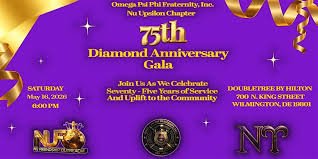
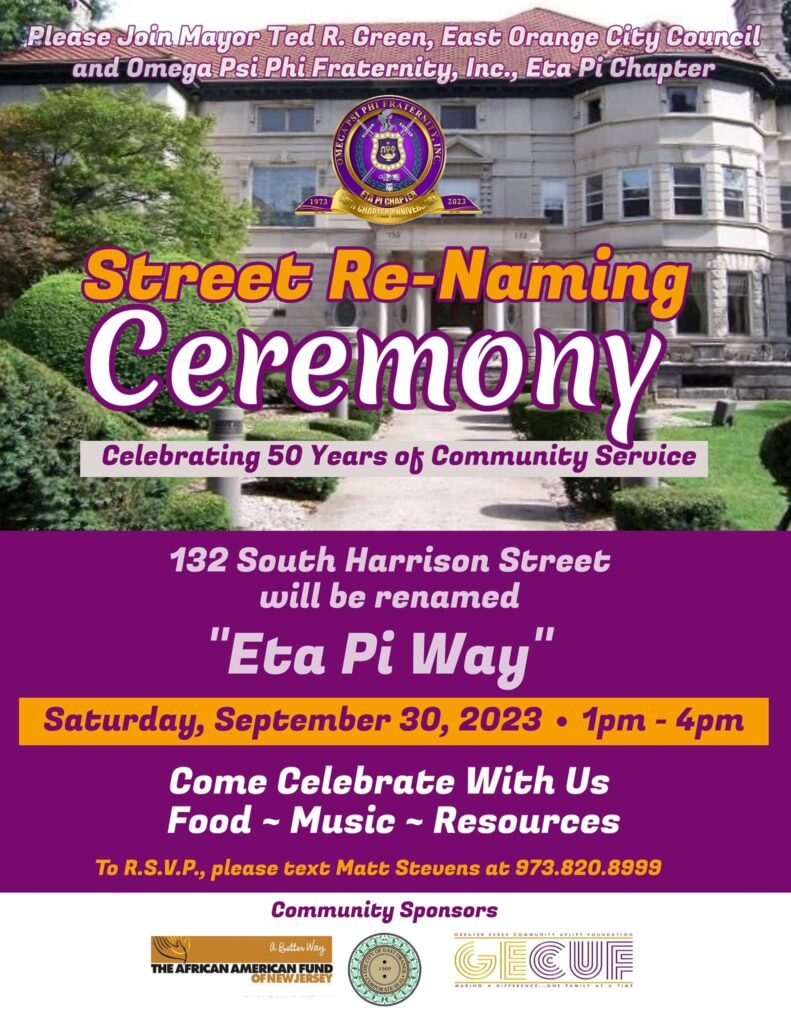
While Omega Psi Phi operates as an international organization, its real impact is often felt most clearly at the local chapter level—in neighborhoods, schools, churches, and community spaces. In regions like Northern New Jersey and Brooklyn, Omega chapters have historically played a visible role in community engagement, mentorship, and civic participation.
New Jersey: Mentorship, Civic Engagement, and Economic Awareness
Across cities like Newark, Jersey City, Paterson, and surrounding counties, graduate chapters of Omega Psi Phi are part of the fraternity’s Second District, often referred to as the “Mighty Second.”
Local impact typically shows up through:
- Youth mentoring and male leadership development programs
- Scholarship awards for graduating high school seniors
- Voter registration and civic education initiatives
- Community service projects tied to housing, food access, and public awareness
New Jersey’s Omega presence is especially relevant given ongoing conversations around:
- economic inequality
- housing access
- workforce development
- youth opportunity gaps
Fraternity-led programs often intersect with these realities—not as policy solutions, but as on-the-ground support systems that help individuals navigate them.
Brooklyn: Cultural Presence Meets Community Responsibility
In Brooklyn—particularly neighborhoods like Bed-Stuy, Crown Heights, and Flatbush—Omega Psi Phi chapters operate within some of the most historically rich Black communities in the country.
Here, the fraternity’s presence often blends:
- Cultural visibility (parades, step shows, public events)
- Educational outreach (school partnerships, youth engagement)
- Faith and community collaboration (church-based initiatives, local nonprofits)
Brooklyn’s Omega chapters tend to reflect the borough’s broader identity:
- deeply rooted in diaspora culture
- intergenerational
- balancing tradition with rapid neighborhood change
In communities facing gentrification, displacement, and shifting cultural identity, organizations like Omega Psi Phi contribute to continuity—helping preserve a sense of Black institutional presence and leadership.
What This Local Impact Actually Means
It’s important to stay grounded in reality: Omega Psi Phi is not a centralized service provider or policy organization. Its impact depends heavily on:
- the strength of individual chapters
- member engagement
- local partnerships
That said, across both New Jersey and Brooklyn, the fraternity consistently contributes to:
- relationship-based mentorship
- community visibility for Black male leadership
- small but meaningful educational and civic interventions
These efforts may not always make headlines—but they form part of the infrastructure of community support that often goes unrecognized.
How to Engage Locally
For residents, educators, or organizations interested in connecting:
- Attend public events hosted by local chapters (Achievement Week, Talent Hunt, etc.)
- Partner on youth mentorship or scholarship initiatives
- Collaborate on community service or civic engagement efforts
Most engagement happens at the chapter level, not through national channels—making local relationships the most effective entry point.
Why This Section Matters in the Bigger Picture
When people talk about the Divine Nine, the conversation often stays national or historical. But the real story lives locally.
In New Jersey and Brooklyn, Omega Psi Phi is not just a legacy organization—it’s part of the day-to-day ecosystem of leadership, mentorship, and community presence.
And that’s where its long-term impact is actually built.
Omega Psi Phi — New Jersey & Brooklyn Chapter Snapshot
| Chapter Name | Chapter Type | Location | Common Reference / Area |
|---|---|---|---|
| Alpha Chapter | Undergraduate | Howard University (DC) | Founding chapter (historical reference) |
| Gamma Iota Chapter | Graduate | Newark, NJ | Greater Newark area |
| Lambda Upsilon Chapter | Graduate | Jersey City, NJ | Hudson County |
| Nu Lambda Lambda Chapter | Graduate | Paterson, NJ | Passaic County |
| Psi Lambda Lambda Chapter | Graduate | Trenton, NJ | Central NJ (influence overlaps North NJ) |
| Chi Lambda Lambda Chapter | Graduate | Plainfield, NJ | Union County |
| Tau Rho Chapter | Undergraduate | Rutgers University (New Brunswick, NJ) | State flagship campus |
| Pi Chapter | Undergraduate | Morgan State University (regional influence) | Often collaborates in Mid-Atlantic events |
| Zeta Zeta Chapter | Graduate | Brooklyn, NY | Central Brooklyn |
| Upsilon Chapter | Undergraduate | New York University (historical presence noted; verify active status) | NYC student network |
| Sigma Chapter | Undergraduate | University of Pittsburgh (regional influence) | Often connected via 2nd District events |
How to Read This Table (Context Matters)
- Graduate Chapters = Community-facing (most relevant for partnerships, events, mentorship)
- Undergraduate Chapters = Campus-based (pipeline for future leadership)
- “Regional Influence” = Chapters outside NJ/Brooklyn but active in shared district programming
This reflects how Omega actually operates:
locally driven, regionally connected, nationally aligned.
Recent Developments and Events
In early 2026, Omega Psi Phi leadership gathered in St. Croix for a strategic summit focused on strengthening mentorship programs and expanding youth leadership initiatives.
The fraternity also recently honored community leaders through its Achievement Week programs nationwide while continuing to grow its mentoring and scholarship initiatives.
Like many organizations with long histories, Omega Psi Phi continues balancing tradition with new opportunities for service and leadership in the next generation.
Key Takeaways
- Omega Psi Phi is one of the most historically influential Black fraternities within the Divine Nine.
- Founded in 1911 at Howard University, the fraternity centers its mission on Manhood, Scholarship, Perseverance, and Uplift.
- Its programs—including the Talent Hunt and Charles Drew Blood Drive—have supported youth development and public health for decades.
- Omega men have shaped American culture through leadership in civil rights, politics, science, sports, and the arts.
- Today the fraternity operates globally through 13 districts and hundreds of local chapters.
HfYC Poll of the Day
Follow us and respond on social media, drop some comments on the article, or write your own perspective!
Which of Omega Psi Phi’s Cardinal Principles do you believe our communities need most right now: Manhood, Scholarship, Perseverance, or Uplift?
Poll Question Perspectives
- Which Omega Psi Phi principle best represents the kind of leadership Black communities need today?
- Do today’s young leaders embody the Omega ideals of Manhood, Scholarship, Perseverance, and Uplift?
- If you had to teach the next generation one Omega principle, which would it be?
Related HfYC Content
- Divine Nine Leadership in Action
- Celebrating 50 Years of Sisterhood: Delta Sigma Theta’s Impact on New Jersey and Beyond
- Black Greek Life and Faith: Are Fraternities and Sororities at Odds with Christianity?
- HBCU Relevance Today: Are We Still Building for Us?
- Black Brooklyn History: The Ultimate Guide to a Legacy of Resilience
Other Related Content
- Omega Psi Phi Fraternity, Inc. Official Website – https://oppf.org/
- National Pan-Hellenic Council (NPHC) Official Website – https://nphchq.com/
- Smithsonian National Museum of African American History – Black Greek Life Resources –https://nmaahc.si.edu/explore/stories/black-greek-letter-organizations