The Hartby Bed-Stuy Gentrification Debate
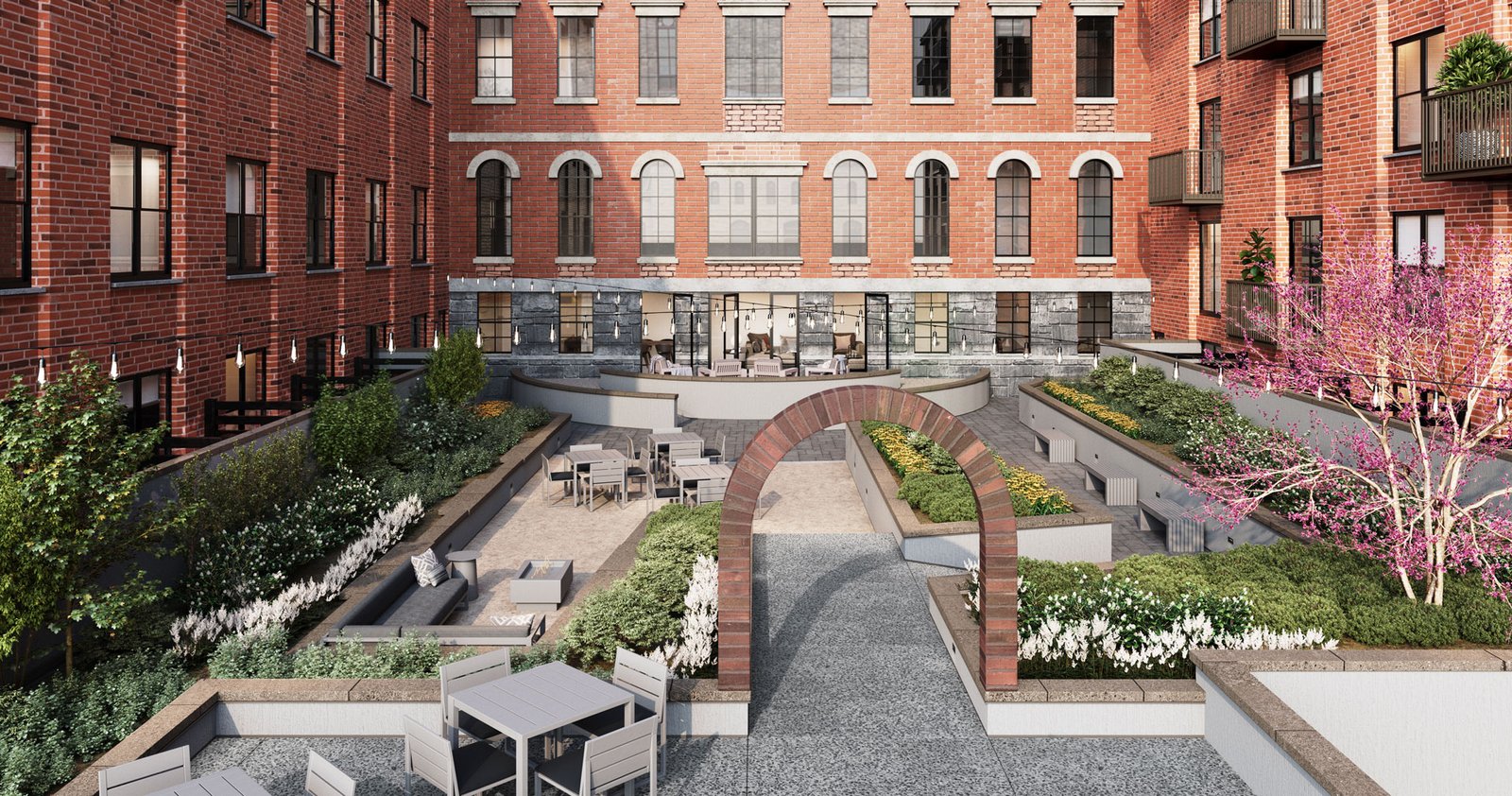
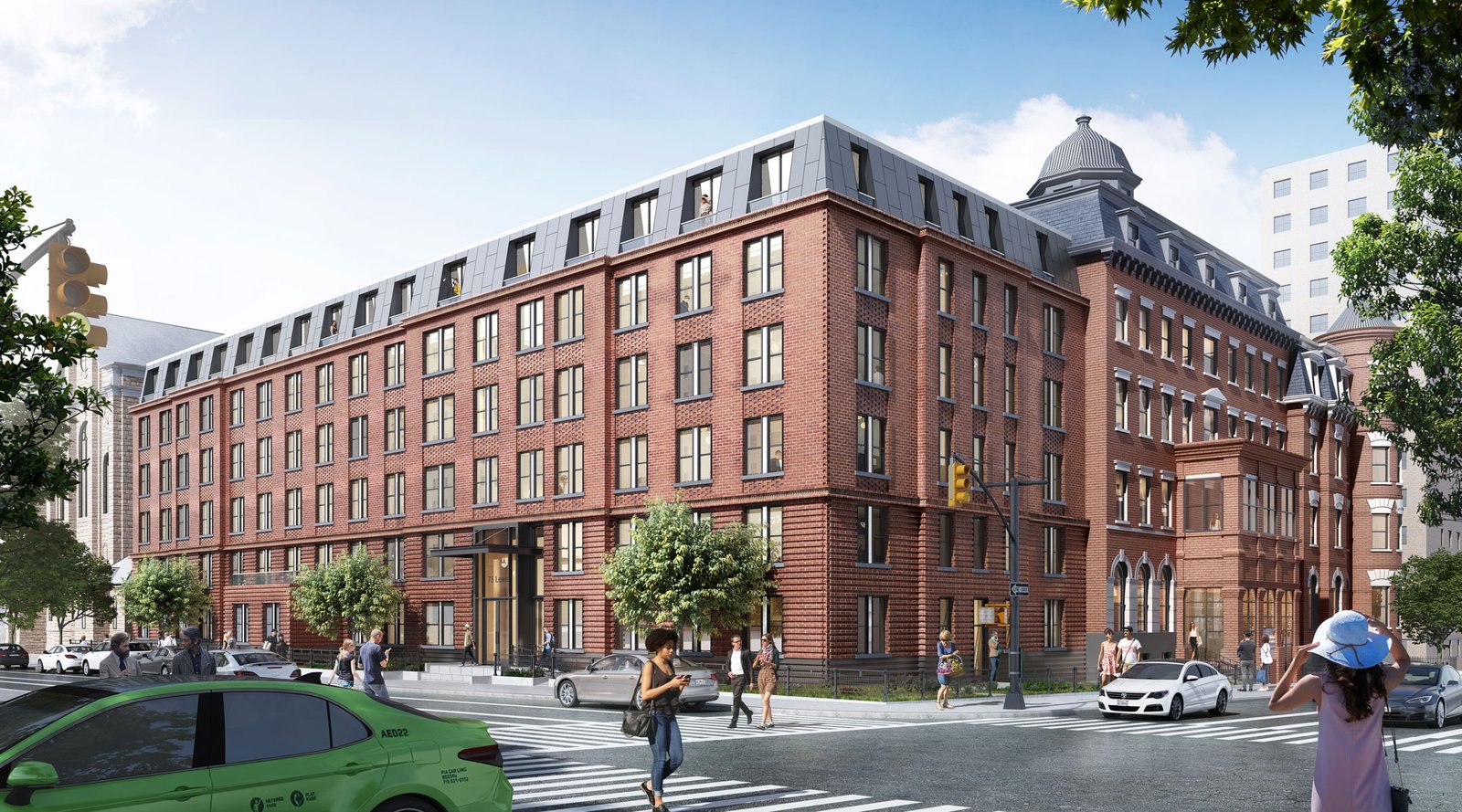
Architecture can be a double-edged sword. This week, as of February 18, 2026, construction has officially concluded on “The Hartby,” a 205-unit luxury conversion of the historic 19th-century St. John’s College at 788 Willoughby Avenue. While the developers finalized a deal to keep 30% of units rent-stabilized (62 apartments), The Hartby Bed-Stuy Gentrification conversation is only getting louder. For some, this is restoration done right. For others, it’s aesthetic preservation masking economic displacement.
A Landmark Reimagined
The former St. John’s College building, designed in 1872 by Patrick Keely, stands as a Romanesque Revival landmark in Bed-Stuy. Its turrets, arched windows, and mansard roof are unmistakable — a reminder of a time when Brooklyn’s skyline reflected ecclesiastical ambition and immigrant craftsmanship.
Before redevelopment, the structure reportedly sat in visible decay. According to public reporting, the developers described it as severely deteriorated prior to restoration. The exterior has now been fully rehabilitated, preserving the architectural character that anchors the block visually and historically.
Yet preservation at the facade level does not automatically translate to preservation at the community level.
The 30% Stabilization Compromise

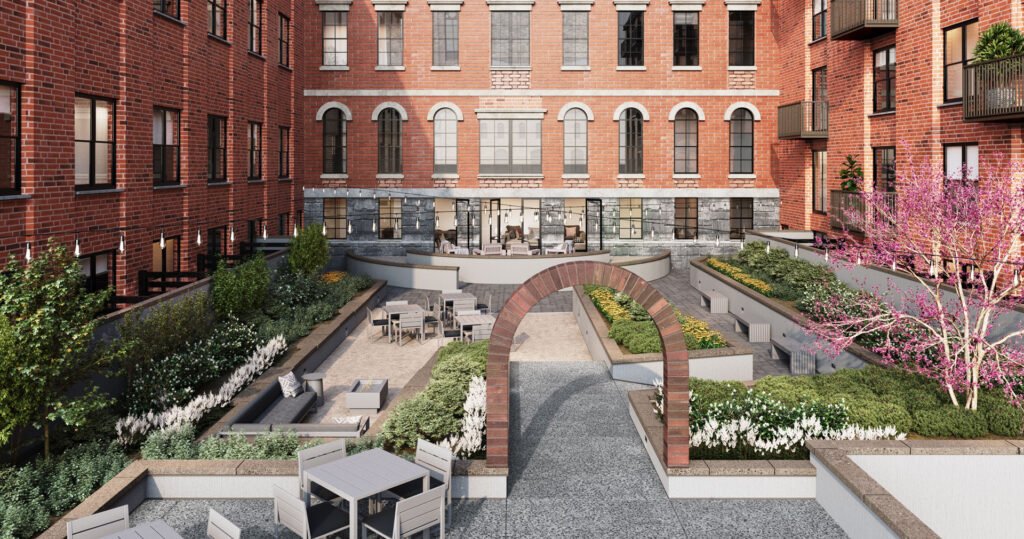
Out of 205 units, 62 are designated rent-stabilized — roughly 30% of the building. That figure matters. In a neighborhood where housing pressures continue to reshape demographics and affordability, any stabilized inventory can feel like a win.
But market-rate studios reportedly starting north of $3,200 shift the conversation. Even with stabilized units included, pricing at that level reinforces a new market baseline for surrounding properties.
In gentrification debates, this is often the tension:
- Preservation of a historic structure
- Injection of capital into a neglected site
- Simultaneous upward pressure on neighborhood rents
The Hartby Bed-Stuy Gentrification issue is not about whether the building looks better. It clearly does. The deeper question is who benefits from that improvement.
The Church Next Door: A Complicated Silver Lining

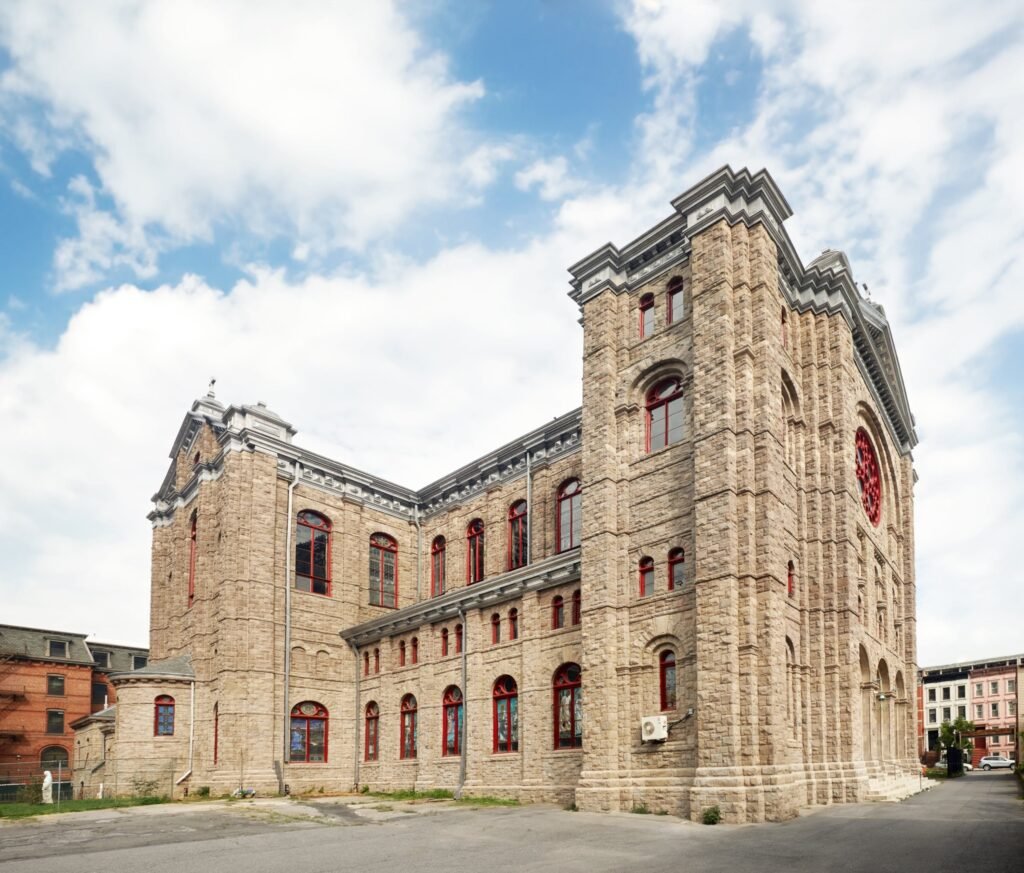
Adjacent to the development sits St. John the Baptist Church. As part of a long-term lease agreement tied to the project, revenue generated helped fund major structural and aesthetic restoration for the church.
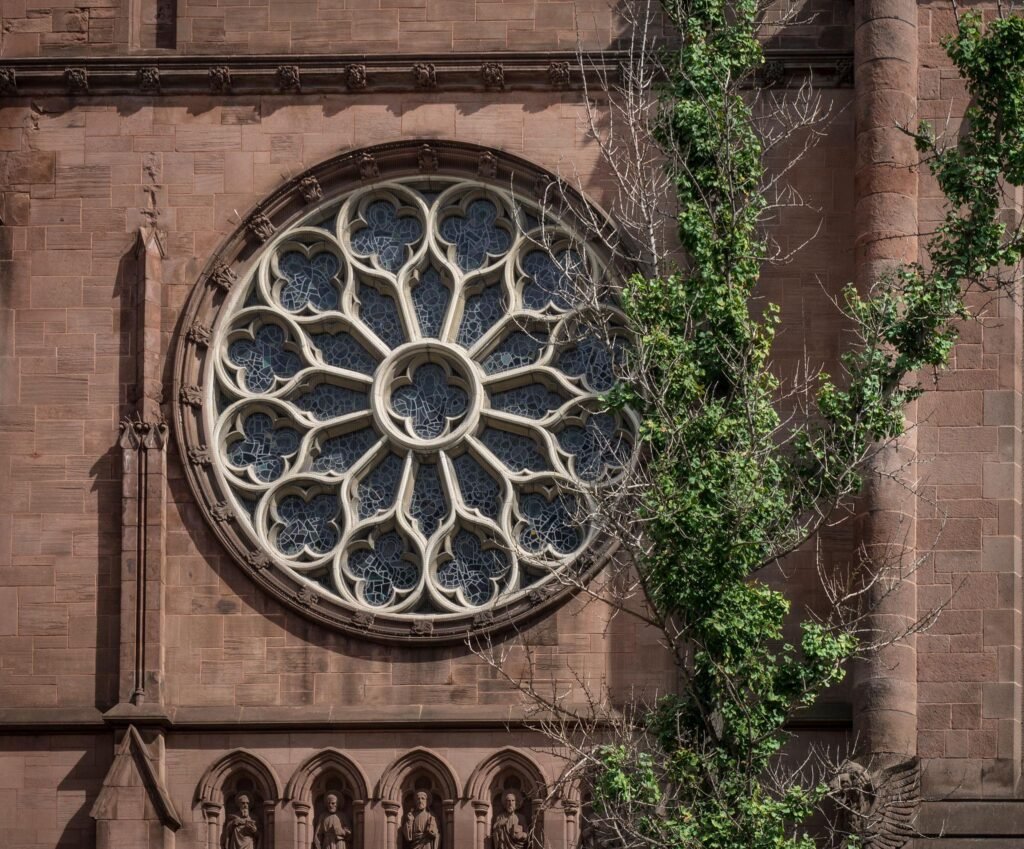
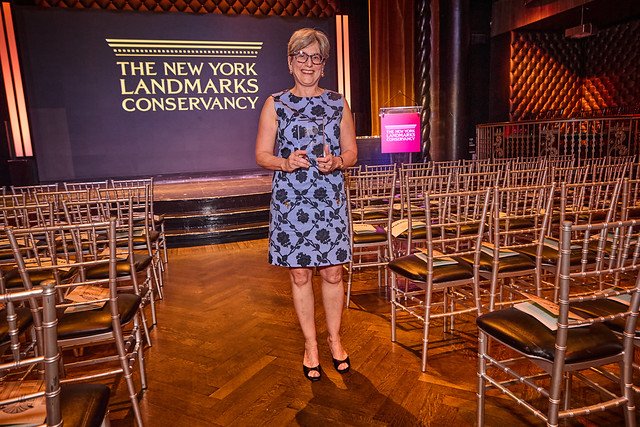
Last year, the church received recognition from the New York Landmarks Conservancy for its rehabilitation work. That restoration included cleaning the stone facade and replicating its 22-foot rose window — reportedly recreated using laser-cut mahogany after years of deterioration.
For parishioners and longtime residents, this part of the story carries weight. Black churches in Brooklyn have historically functioned as civic anchors, cultural institutions, and political organizing hubs. Keeping them structurally sound is not a cosmetic issue — it’s a continuity issue.
And yet, even here, tension remains.
If the surrounding cost of living rises beyond reach, preservation of the building does not guarantee preservation of the congregation.
Aesthetic Preservation vs. Community Continuity

The Hartby Bed-Stuy Gentrification debate sits at the intersection of three realities:
- Historic buildings require capital-intensive restoration.
- Capital rarely arrives without profit expectations.
- Profit expectations often reprice neighborhoods.
The project did not demolish a landmark. It arguably saved one.
It also introduced luxury inventory into a community already navigating affordability strain.
This is not a simple villain-and-hero story. It is a systems story.
The question many residents quietly ask is not whether the building looks beautiful. It’s whether beauty is becoming exclusive.
Will longtime residents walk past a restored landmark they can no longer access?
Or does the 30% stabilization represent a meaningful compromise in a city where full affordability is increasingly rare?
What This Reveals About Brooklyn’s Development Model
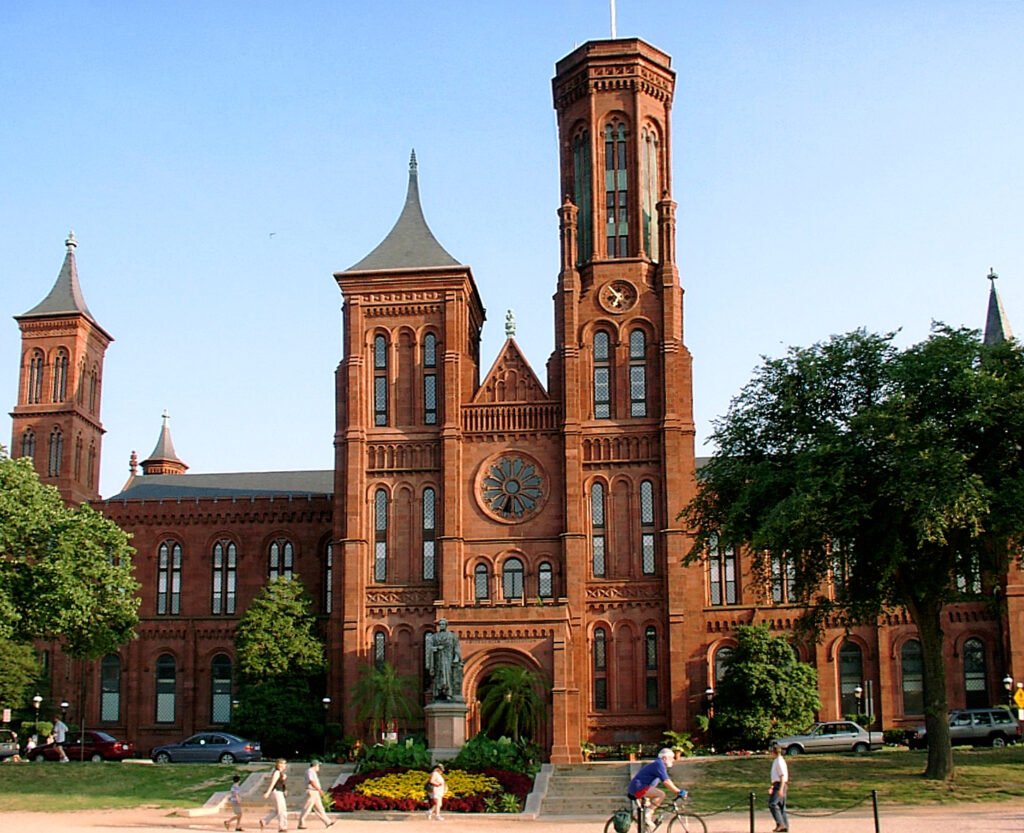
Brooklyn’s real estate cycle increasingly relies on adaptive reuse of historic structures. Churches, schools, and industrial buildings are becoming residential conversions. Each project arrives with similar framing: preservation, stabilization, revitalization.
But the Hartby Bed-Stuy Gentrification debate forces a sharper inquiry:
- Are we preserving architecture — or preserving communities?
- The answer may not be binary. It may be layered.
- What is certain is that these projects are reshaping not just skylines, but social contracts.
Key Takeaways
- The Hartby converted a 19th-century landmark into 205 residential units, with 30% rent-stabilized.
- Exterior preservation maintains architectural heritage, but interior pricing reshapes accessibility.
- Restoration funding helped revive St. John the Baptist Church, strengthening a historic faith institution.
- Market-rate pricing may raise neighborhood rent expectations, even with stabilized units included.
- The deeper debate centers on whether preservation without broad affordability sustains community continuity.
HfYC Poll of the Day
Follow us and respond on social media, drop some comments on the article, or write your own perspective!
Do you believe high-end historic restorations like The Hartby do more to save a neighborhood’s soul or to speed up its gentrification?
Poll Question Perspectives
- Would you rather see a landmark preserved at market rates, or risk losing it entirely?
- Does including 30% rent-stabilized units meaningfully protect community access?
- Should churches and historic institutions partner with developers to secure long-term survival?
Related HfYC Content
- Brooklyn’s Cost of Living Crisis – Who Gets to Stay, Who’s Being Pushed Out?
- The Housing Crossroads: Brooklyn’s Fight for a Place to Live
- The Frontlines: Navigating Systemic Challenges in Black Brooklyn
- Bed-Stuy: The Soul of Brooklyn’s Renaissance
Other Related Content
- New York Landmarks Conservancy – Sacred Sites Program
- NYC Rent Guidelines Board – About Rent Stabilization
- NYC Department of Housing Preservation & Development – Affordable Housing Programs
References
- New York Landmarks Conservancy. (2025). Sacred Sites Awards Announcement.
https://nylandmarks.org/what-we-do/sacred-sites-program/ - NYC Department of Housing Preservation & Development. (n.d.). Rent Stabilization Overview.
https://rentguidelinesboard.cityofnewyork.us/resources/rent-stabilization/ - NYC Department of Housing Preservation & Development. (n.d.). Affordable Housing Programs.
https://www.nyc.gov/site/hpd/services-and-information/affordable-housing.page
-
-

-
-