Winter is Coming, but sometimes we don’t listen until it’s too late…
By the second night of the storm, the Johnsons’ block was silent — no buses, no footsteps, just wind pressing snow against the windows. Inside their Brooklyn apartment, the heat sputtered and died, and not long after, a pipe burst under the kitchen sink, soaking the food stockpiles they had stacked against the wall. Marcus and Aisha Johnson stood frozen, not just from the cold, but from the realization that they were on their own — three kids, no nearby family, no neighbors they knew well enough to call, and no plan beyond hoping the lights stayed on.
They were good people. Quiet. Kept to themselves. Nodded politely in the hallway, but never exchanged numbers, never asked for help, never imagined they’d need it. Now, with the stove out, food ruined, and cell phones losing power, the storm wasn’t just outside — it had closed in around them.

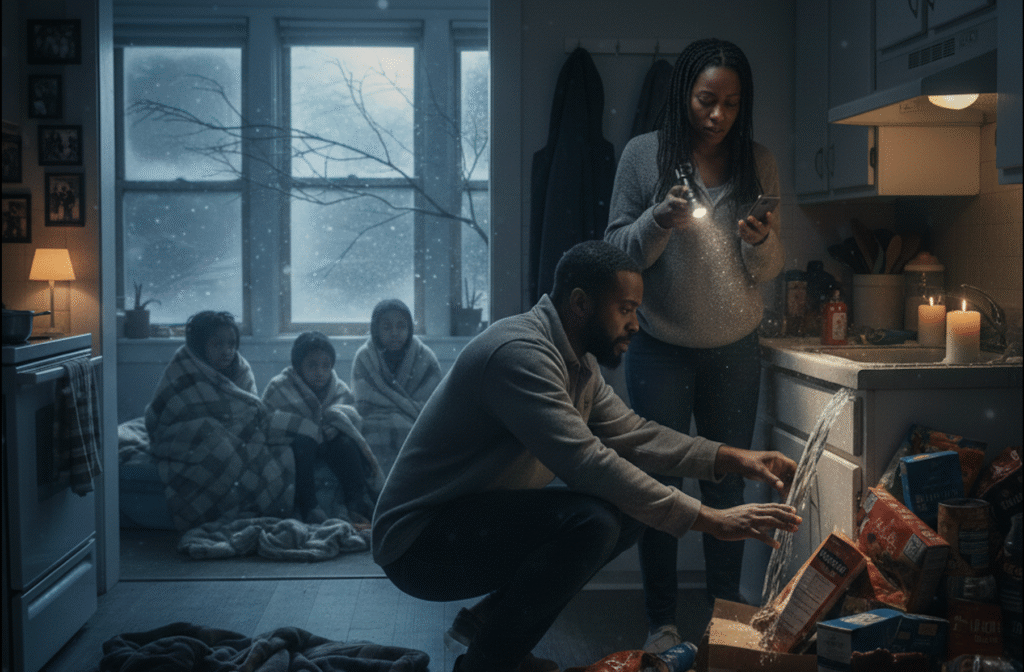
This story is fictional, but the situation isn’t. Every winter, storms expose how isolation, last-minute preparation, and weak community ties can turn manageable emergencies into dangerous crises — especially in Black neighborhoods across Brooklyn and Northern New Jersey.
Winter storms don’t just disrupt travel — they expose gaps in preparedness, access, and communication that Black communities in Brooklyn and Northern New Jersey know too well. As supplies like road salt, pellets, and basic necessities fly off shelves, many families are left scrambling at the last minute. Preparation isn’t about panic; it’s about protection, coordination, and making sure no one is left behind when conditions turn dangerous.
Why Winter Storms Hit Our Communities Differently


In many Black neighborhoods across Brooklyn and New Jersey, residents rely more heavily on local stores, public transportation, and shared resources. When larger retailers run out of essentials, corner stores and small businesses become lifelines — but they’re often stocked later and at higher cost. Seniors, people with disabilities, renters, and families without cars face the greatest risks when snow, ice, or power outages hit.
Preparation, then, isn’t just an individual responsibility. It’s a collective one.
Step-by-Step: What to Do Before the Storm Hits
Step 1: Secure Essential Supplies Early
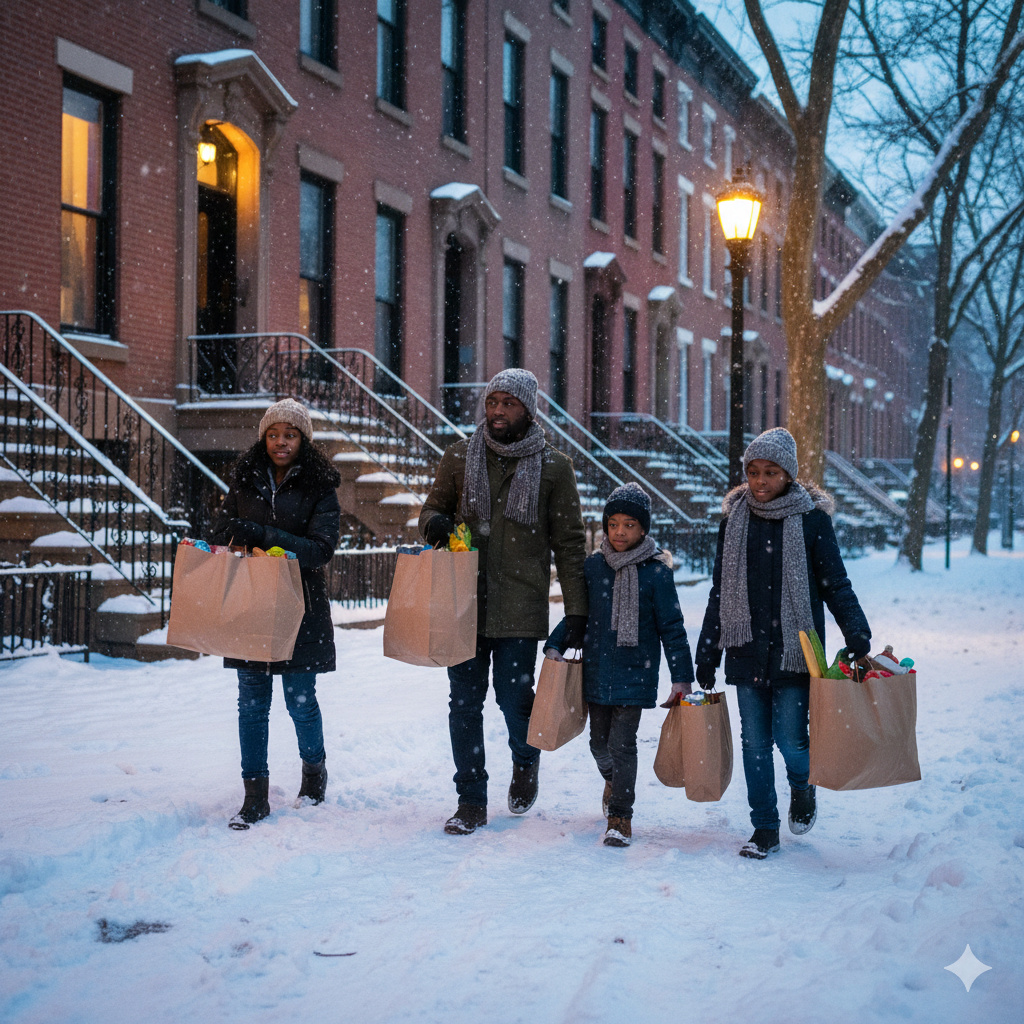
Don’t wait until warnings become headlines. Aim to prepare 3–5 days in advance.
Must-Have Supplies Checklist
- Non-perishable food (3–5 days per person)
- Bottled water (1 gallon per person per day)
- Flashlights and extra batteries
- Portable phone chargers or power banks
- Road salt, ice melt, or sand (kitty litter works in emergencies)
- Prescription medications (at least a week’s supply)
- First-aid kit
- Hygiene products (toilet paper, wipes, sanitizer)
- Baby or elder-care essentials if applicable
- Pet food and supplies
Community tip: If one household has storage space or transportation, coordinate bulk purchases with neighbors.
Step 2: Prepare Your Home and Building
For Renters and Apartment Dwellers
- Identify emergency exits before snow piles up
- Keep hallways and stairwells clear
- Report heating issues immediately — document everything
- Know where your building’s shut-off valves are (gas/water)
For Homeowners
- Insulate exposed pipes to prevent freezing
- Clear gutters if possible before snowfall
- Set thermostats consistently (even when away)
- Stock extra blankets in case of power loss
Step 3: Plan for Power and Heat Loss
Power outages are one of the most dangerous winter risks.
- Keep phones fully charged before the storm
- Use flashlights — never candles
- Never run generators, grills, or gas stoves indoors
- Identify one warm room and close off others if heat fails
- Check on elders at least twice daily if outages occur
Step 4: Stay Informed Without Panic
Rely on local alerts, not rumor cycles:
- Enable city and county emergency notifications
- Follow local transit updates
- Designate one trusted family member to share updates
- Avoid unnecessary travel during advisories
How We Can Do Better Next Time: Long-Term Community Preparation
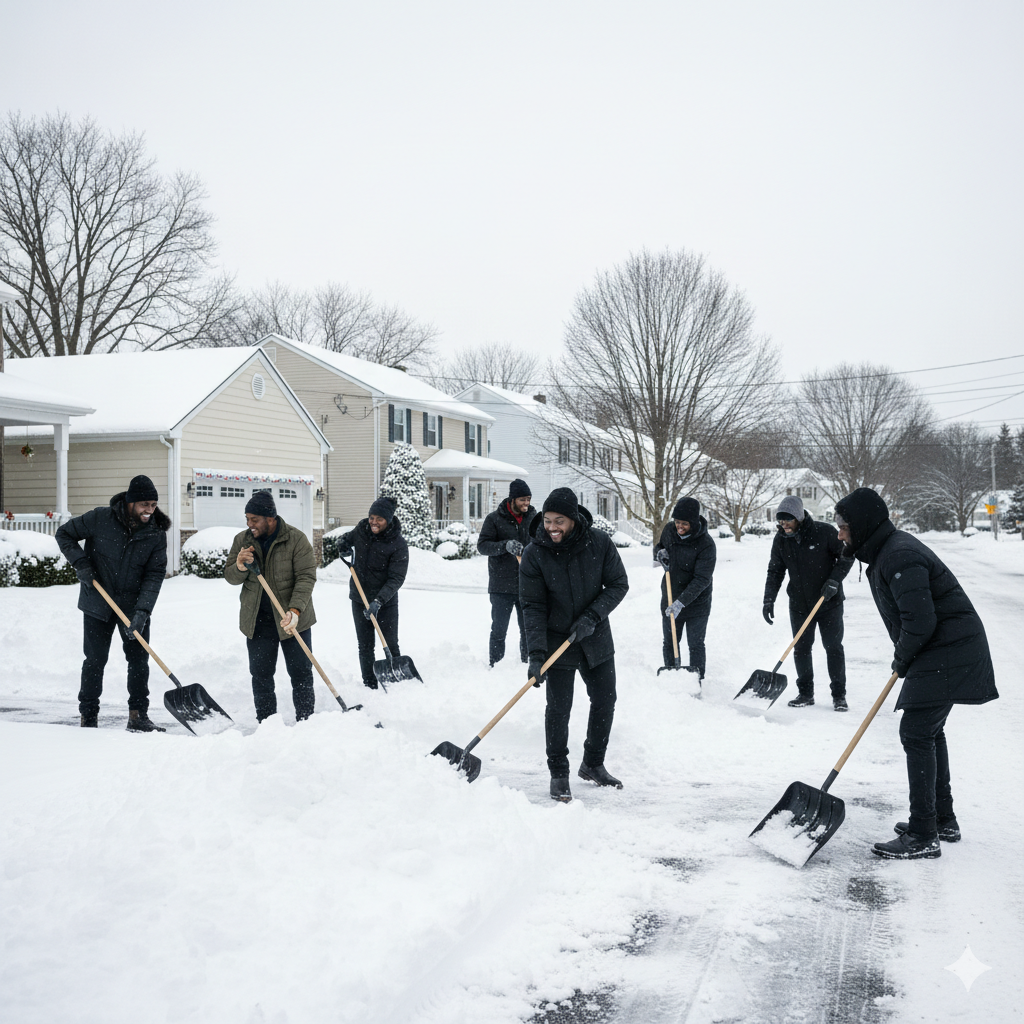
Build a Block-Level Safety Culture
- Exchange phone numbers with neighbors
- Identify who needs extra help (elders, disabled residents)
- Assign informal roles: supply checker, wellness caller, errand runner
Support Local Stores — Strategically

- Encourage neighborhood stores to stock essentials seasonally
- Organize early group buys before storms
- Advocate for fair pricing during emergencies
Normalize Seasonal Preparedness
Winter storms aren’t rare anymore. Treat preparation like back-to-school season — expected, repeatable, and shared.
Protecting Each Other Is the Point
Preparedness isn’t fear-based. It’s love in action. When Black communities plan together — sharing information, resources, and responsibility — storms become challenges, not crises. The goal isn’t just getting through the weekend. It’s building habits that keep us safer every winter.
Key Takeaways
- Winter storms expose unequal access to supplies and transportation.
- Early preparation reduces risk, stress, and cost.
- Community coordination matters as much as individual readiness.
- Elders, renters, and transit-dependent residents need extra planning.
- Long-term preparedness is a form of collective care.
HfYC Poll of the Day
Follow us and respond on social media, drop some comments on the article, or write your own perspective!
Do you feel your neighborhood is prepared for severe winter storms?
Poll Question Perspectives
- Who should take the lead in winter preparedness — residents or local government?
- Have winter storms changed how you prepare your household each year?
- Are local stores in your area reliable during emergencies?
Related HfYC Content
- Brooklyn’s Cost of Living Crisis – Who Gets to Stay, Who’s Being Pushed Out?
- 11 PM in Newark: Safety, Freedom, and the Generation Caught in the Middle
- Zohran Mamdani for Mayor: Firebrand, Policy Nerd, or the Change New York Actually Needs?
- Is Jasmine Crockett “Too Much”—or Exactly What This Moment Demands?
Other Related Content
- Supplies flying off the shelves as Brooklyn braces for the weekend storm — Local hardware and neighborhood stores are seeing high demand for road salt, pellets, and other winter supplies as residents prepare ahead of the forecasted snow.
- Supply shortages during emergencies — what tends to disappear fast — A preparedness resource that shows commonly depleted items and how to think ahead when stocking essential supplies.
-

-

-

-