Crown Heights: Where Caribbean Pride and Brooklyn Resilience Meet
Walk down Eastern Parkway on a late-summer afternoon, and you’ll feel it—the pulse of steel drums, the scent of jerk chicken, and the unmistakable rhythm of a neighborhood that’s both grounded in history and alive with change. Crown Heights, a gem in the heart of central Brooklyn, is where Caribbean pride and Black resilience merge into one powerful story. This is a story about home, heritage, and the complex, beautiful, ongoing work of building harmony.
This neighborhood, long a vital hub for the Crown Heights Black community, is as layered as it is vibrant. It’s where first-generation families from across the Caribbean have planted new roots while preserving ancestral pride, where older residents share wisdom over stoop conversations, and where a new generation of young creatives is redefining what it means to be Brooklyn-born. It’s a community that has navigated profound demographic shifts, moments of painful conflict, and the relentless pressures of gentrification, all while holding fast to its cultural soul.
From a Free Black Enclave to a Caribbean Stronghold
The story of Black life in Crown Heights is as old as Brooklyn itself. In the 19th century, the area was home to Weeksville, one of the nation’s first and largest independent communities of free Black people. Founded in 1838, just 11 years after slavery was abolished in New York, Weeksville was a radical act of self-determination—a place where Black families owned land, built schools and churches, and exercised the political power that property ownership afforded them.It was a sanctuary, a beacon of what was possible for Black Americans even before the Civil War.
By the early 20th century, Crown Heights had transformed into a wealthy, predominantly white residential neighborhood, known for its grand architecture and elegant parkway designed by the creators of Central Park. But the neighborhood’s identity was destined to shift again. Beginning in the 1920s and accelerating after World War II, a new wave of residents began to arrive: Black families moving from the American South and, increasingly, immigrants from the Caribbean. Nations like Jamaica, Trinidad and Tobago, Barbados, and Haiti became the new heart of the neighborhood.
This demographic change was dramatic. Between 1960 and 1970, Crown Heights went from being 70% white to 70% Black, a shift fueled by “white flight” to the suburbs and the arrival of a vibrant, determined immigrant community. They brought with them the food, music, and traditions that would reshape the soul of the neighborhood, turning it into a cultural and political powerhouse for the Afro-Caribbean diaspora.
A Tapestry of Cultures: Navigating Tension and Building Trust

With roughly 140,000 residents, Crown Heights remains one of Brooklyn’s most diverse areas. The Crown Heights Black community, a rich mix of African American and Afro-Caribbean families, makes up nearly half the population.Coexisting alongside them is a large and deeply-rooted Hasidic Jewish population, centered around the Chabad-Lubavitch world headquarters on Eastern Parkway.
The relationship between these two communities has been a defining feature of the neighborhood’s modern history. For years, simmering tensions existed, rooted in perceptions of unequal treatment by city authorities and a lack of cross-cultural understanding. These tensions erupted in August 1991, when a tragic car accident involving the motorcade of a prominent rabbi resulted in the death of a 7-year-old Guyanese American boy, Gavin Cato. In the ensuing turmoil, a Jewish scholar from Australia, Yankel Rosenbaum, was murdered in an act of retaliatory violence. The three days of unrest that followed, known as the Crown Heights Riots, exposed a deep and painful rift in the community and became a major political crisis for New York City.
The riots left a lasting scar, but they also became a turning point. In the decades since, community leaders from both sides have worked tirelessly to rebuild trust and foster dialogue. While challenges and moments of friction remain, today’s Crown Heights is largely a space of peaceful coexistence and, in many instances, genuine neighborliness. As one resident who has adopted a non-white child noted, families are often respectful, sharing building courtyards and even organizing meal trains for neighbors in times of tragedy. For the younger generation, collaboration is becoming the new norm. As one young resident, Malik Gordon, put it: “We’re the generation that doesn’t just live side by side—we collaborate. From block parties to art collectives, we’re building bridges our parents dreamed of.”
Cultural Cornerstones and Community Pride
Few events define Crown Heights like the West Indian American Day Parade. Every Labor Day, over a million people flood Eastern Parkway in a dazzling spectacle of feathers, flags, and unadulterated joy. What began in Harlem in the 1930s moved to Brooklyn in 1964 and has since become the city’s largest cultural festival—a stunning display of Caribbean unity and Black pride that is the neighborhood’s gift to the world.
Beyond the parade, the neighborhood is rich with cultural institutions that anchor the community:
- Weeksville Heritage Center: This historic site preserves the original Hunterfly Road houses and serves as a modern hub for education, art, and social justice programming that honors the legacy of one of America’s first free Black communities.
- Brooklyn Museum & Brooklyn Botanic Garden: Situated on the western edge of the neighborhood, these world-class institutions offer a gateway to global art and natural beauty right at the community’s doorstep.
- Brooklyn Children’s Museum: Founded in 1899 as the world’s first children’s museum, this beloved institution provides hands-on exhibits that ignite curiosity and celebrate identity for the neighborhood’s youngest residents.
- Medgar Evers College: Named for the slain civil rights leader, this CUNY school has been a cornerstone of education and empowerment in the community for decades.
Small Businesses, Big Impact
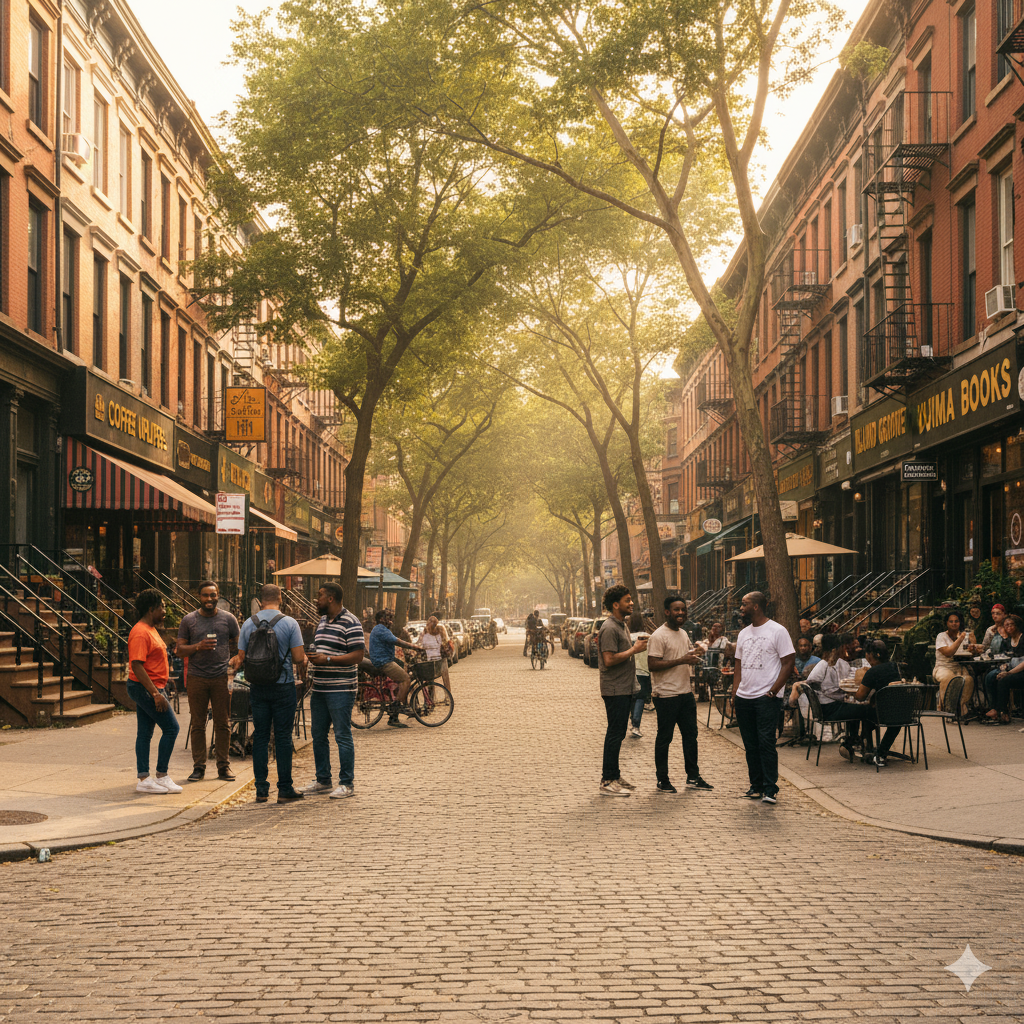
The economic strength of the Crown Heights Black community lies in its vibrant ecosystem of Black-owned and Caribbean-run businesses. These establishments are more than just places to shop or eat; they are community hubs that preserve culture and build generational wealth.
- Imani Caribbean Kitchen & Bar serves up jerk shrimp pasta with a side of community pride.
- Island Pops brings tropical flavors to Brooklyn streets with its signature sorrel and soursop ice creams.
- Cafe Rue Dix offers a fusion of French and Senegalese cuisine in a chic, art-filled space.
- The Bergen provides a space for music and community with roots in reggae and R&B.
This entrepreneurial spirit is supported by non-profits like the Crown Heights Youth Collective and One Crown Heights, which foster inter-community understanding and provide mentorship, mental health, and educational programs.These organizations prove that community wealth isn’t just financial—it’s cultural, social, and generational.
A Creative Renaissance: The New Voice of Crown Heights
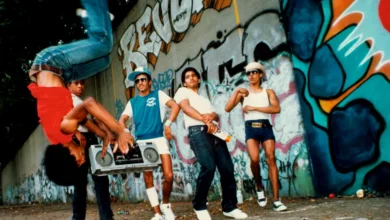
Today’s Crown Heights is home to a new wave of artists, filmmakers, and musicians who are shaping what the Brooklyn sound and look mean in the 21st century. This renaissance is about owning the narrative and celebrating heritage with a modern twist.
- Music: The neighborhood has a rich musical history, from the iconic 1970s funk/disco group Crown Heights Affair to contemporary rappers like Troy Ave and Ruste Juxx.
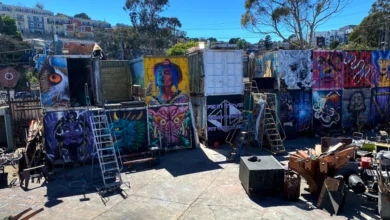
- Art: Multidisciplinary artist Derrick Adams, whose work foregrounds Black joy, walks the streets between his Bed-Stuy home and his Crown Heights studio daily. Visual artists like Nona Faustine and Otto Neals also call the neighborhood home.
- Fashion: Streetwear designers are blending West Indian symbols with Brooklyn cool, creating brands that are both hyper-local and globally relevant.
As one young designer, Nia Roberts, puts it, “Crown Heights raised us on culture—now we’re remixing it.” This renaissance is not about nostalgia; it’s about evolution.
Politics and Community Power
The Crown Heights Black community has a long history of political representation. The neighborhood is part of New York’s 9th Congressional District, currently represented by Yvette Clarke, a proud daughter of Jamaican immigrants who grew up in the area. Locally, it is served by Brooklyn Community Boards 8 and 9, and represented in the NYC Council by Crystal Hudson (District 35) and Chi Ossé (District 36)—two young, progressive Black leaders shaping the future of local governance.
Residents looking to stay involved can visit:
While Crown Heights is a Democratic stronghold, the real power lies in its deep-rooted tradition of community organizing. From tenant rights to cultural preservation, civic life here is driven by collective action.
Challenges and Change: The Fight for the Future
Like many Brooklyn neighborhoods, Crown Heights faces the dual forces of gentrification and displacement. Rising rents and property speculation have put immense pressure on longtime residents and small business owners. Between 2000 and 2015, the neighborhood’s Black population fell from 81 percent to 65 percent.
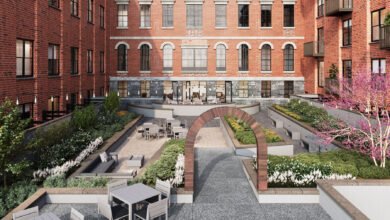
The experience is deeply personal. As one young resident, Enoch Naklen, reflected on the construction of a new luxury building, “I see more homeless people on the streets now. It feels like a sick cycle: innocent people are kicked out of their homes, but then are demonized for resorting to crime because of a lack of resources”.
Yet, the community continues to push back. Grassroots groups like the Crown Heights Tenants Union and Equality for Flatbush are on the front lines, fighting for housing justice and empowering residents to know their rights. New city-led initiatives like the Atlantic Avenue Mixed-Use Plan aim to bring thousands of new affordable housing units to the area, a direct result of over a decade of community advocacy for a more equitable approach to development. The message is clear: Crown Heights is evolving, but it refuses to be erased.
Why Crown Heights Matters
Crown Heights is more than a neighborhood—it’s a living testament to what happens when cultures connect, communities care, and generations carry the torch forward. It reminds us that pride and resilience can coexist, that heritage is a bridge, not a wall. Whether you’re a local, a newcomer, or just visiting for the parade, Crown Heights invites you to experience what Brooklyn’s true heartbeat feels like: unity in motion.
Key Takeaways
- Crown Heights is a global hub of Caribbean pride, Black creativity, and cross-cultural resilience.
- Its youth are redefining identity through entrepreneurship, art, and activism, building on a rich historical legacy.
- Ongoing challenges like gentrification call for continued civic engagement and support for local institutions to ensure equitable growth.
- The neighborhood stands as a powerful, if complex, model of coexistence and enduring community pride.
Call to Action
- Support Local: Spend your dollars at the Caribbean and Black-owned businesses that are the backbone of the neighborhood.
- Attend Cultural Events: Experience the joy and pride of the West Indian American Day Parade and visit cultural institutions like the Weeksville Heritage Center.
- Get Involved: Volunteer with or donate to organizations building bridges across communities and fighting for housing justice.
- Share the Story: Buy local, listen to your neighbors, and help keep the vibrant rhythm of Crown Heights alive for generations to come.
Related HfYC Content
- The Hustle and the Heartbeat: Why Black Entrepreneurship in Brooklyn is Their Unbreakable Soul
- The Housing Crossroads: Brooklyn’s Fight for a Place to Live
- The Frontlines: Navigating Systemic Challenges in Black Brooklyn
Other Related Content
- “Inside the West Indian American Day Parade’s Legacy of Unity” – The New York Times(https://www.nytimes.com/)
- “Crown Heights Tenants Union Fights for Housing Equity” – The City NYC (https://www.thecity.nyc/)
References (APA Style)
- 6sqft. (n.d.). Video: ‘Degentrify America’ takes on the issue of gentrification in five minutes. Retrieved from https://www.6sqft.com/video-degentrify-america-takes-on-the-issue-of-gentrification-in-five-minutes/
- BlackPast. (n.d.). Crown Heights, Brooklyn, New York Riot (1991). Retrieved from https://blackpast.org/african-american-history/crown-heights-brooklyn-new-york-riot-1991/
- Brooklyn Arts Council. (n.d.). Celebrating Black Artists. Retrieved from https://www.brooklynartscouncil.org/news/celebrating-black-artists
- Brooklyn Children’s Museum. (n.d.). About. Retrieved from https://www.brooklynbcm.org/about/
- Brooklyn Community Board 8. (n.d.). News Listing. Retrieved from https://www.brooklyncb8.org/news-listing/7445/
- Brownstoner. (n.d.). Atlantic Avenue Rezoning Gets Thumbs Up From Borough President, With Conditions. Retrieved from https://www.brownstoner.com/development/atlantic-avenue-rezoning-review/
- City Limits. (n.d.). As Atlantic Avenue Mixed-Use Plan Nears Vote, How Much Can Affordability Be Pushed?Retrieved from https://citylimits.org/as-atlantic-avenue-mixed-use-plan-nears-vote-how-much-can-affordability-be-pushed/
- Clarke, Y. D. (n.d.). About. Retrieved from https://clarke.house.gov/about/
- Compass. (n.d.). Crown Heights Neighborhood Guide. Retrieved from https://www.compass.com/neighborhood-guides/nyc/crown-heights/
- Corcoran. (n.d.). Crown Heights Neighborhood Guide. Retrieved from https://www.corcoran.com/neighborhoods/guide/new-york-city/crown-heights
- Crown Heights Youth Initiative. (n.d.). About Us. Retrieved from http://crownheightsyouthinitiative.org/aboutus.html
- Cunningham, B. (n.d.). Assembly District 43. New York State Assembly. Retrieved from https://assembly.state.ny.us/mem/Brian-Cunningham/story/108760
- Data USA. (n.d.). NYC-Brooklyn Community District 9–Crown Heights (South) PUMA, NY. Retrieved from https://datausa.io/profile/geo/nyc-brooklyn-community-district-9-crown-heights-south-puma-ny
- Dissent Magazine. (n.d.). Brooklyn Tenants’ Revolt. Retrieved from https://www.dissentmagazine.org/article/brooklyn-tenants-revolt-crown-heights-tenants-gentrification/
- Essence. (n.d.). Get To Know These Black Artists in NYC. Retrieved from https://www.essence.com/art/nycompany-art/
- Galerie Magazine. (n.d.). Artist Derrick Adams Opens the Door of His Brooklyn Studio. Retrieved from https://galeriemagazine.com/derrick-adams-studio-visit/
- Hudson, C. (n.d.). District 35. New York City Council. Retrieved from https://council.nyc.gov/district-35/
- Invictus Property Advisors. (n.d.). Atlantic Avenue Mixed-Use Plan Officially Adopted. Retrieved from https://www.invictusnyc.com/articles/atlantic-avenue-mixed-use-plan-officially-adopted
- Jewish Currents. (2022, September 22). A Lingering Division. Retrieved from https://jewishcurrents.org/a-lingering-division
- Loden. (n.d.). History of Crown Heights: BKLYN Past to Present. Retrieved from https://www.lodenbklyn.com/blog/history-of-crown-heights-bklyn-past-to-present
- Manhattan Institute. (n.d.). In Crown Heights, Blacks and Jews Share a Real Community. That’s Now Under Threat. Retrieved from https://manhattan.institute/article/crown-heights-blacks-jews-share-real-community-thats-now-under-threat
- New York City Department of City Planning. (n.d.). Atlantic Avenue Mixed-Use Plan. Retrieved from https://www.nyc.gov/content/planning/pages/our-work/plans/brooklyn/atlantic-avenue-mixed-use-plan
- NYU. (n.d.). Neighborhoods within Crown Heights. Retrieved from https://wp.nyu.edu/crownheights/history-and-geography/neighborhoods-within-crown-heights/
- On She Goes. (n.d.). Five Black-Owned Restaurants in Crown Heights, Brooklyn. Retrieved from https://www.onshegoes.com/cities/five-black-owned-restaurants-crown-heights-brooklyn
- Shoppe Black. (n.d.). Black Owned Businesses in Brooklyn. Retrieved from https://shoppeblack.us/black-owned-businesses-brooklyn/
- Soho Grand. (n.d.). Support Black-Owned Businesses in New York. Retrieved from https://www.sohogrand.com/stories/support-black-owned-business-new-york-copy/
- The Agency. (n.d.). Crown Heights Neighborhood Guide. Retrieved from https://blog.theagencyre.com/crown-heights-neighborhood-guide/
- The Story Exchange. (n.d.). Female Entrepreneurs of Crown Heights Rise Above Gentrification. Retrieved from https://thestoryexchange.org/female-entrepreneurs-crown-heights-gentrification/
- The Times of Israel. (2025, August 18). Anti-Israel NY group seeks ‘justice’ for 1991 accident that sparked antisemitic riot. Retrieved from https://www.timesofisrael.com/anti-israel-ny-group-seeks-justice-for-1991-accident-that-sparked-antisemitic-riot/
- Wikipedia. (n.d.). Category:People from Crown Heights, Brooklyn. Retrieved from https://en.wikipedia.org/wiki/Category:People_from_Crown_Heights,_Brooklyn
- Wikipedia. (n.d.). Crown Heights, Brooklyn. Retrieved from https://en.wikipedia.org/wiki/Crown_Heights
- Wikipedia. (n.d.). Crown Heights Affair. Retrieved from https://en.wikipedia.org/wiki/Crown_Heights_Affair
- Wikipedia. (n.d.). Crown Heights riot. Retrieved from https://en.wikipedia.org/wiki/Crown_Heights_riot
- Youth Communication. (n.d.). How Gentrification Has Affected Me. Retrieved from https://youthcomm.org/story/how-gentrification-has-affected-me/