Tracing the Evolution of Battle Rap
From Bronx rec centers to global streaming stages — battle rap never left. But everything around it has completely transformed.
Battle rap never really left — but the environment around it has completely transformed. What once lived in parks, clubs, and rec centers now exists across YouTube, subscription platforms, and social media ecosystems where millions participate in real time.

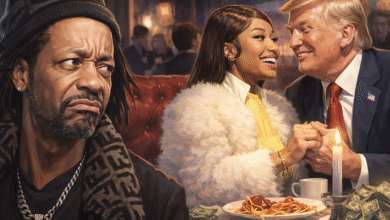
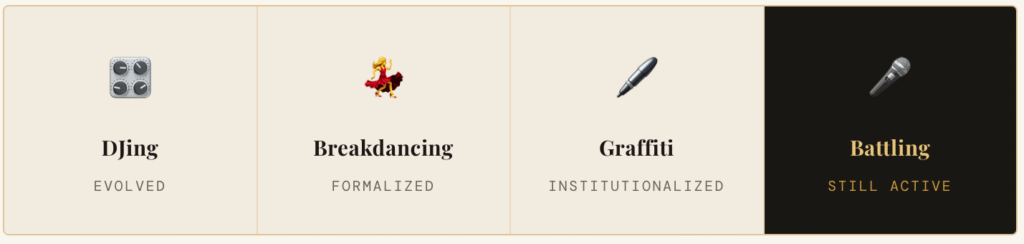
In a March 24, 2026 interview with GQ, Jay-Z framed battling as the last remaining active pillar of hip-hop’s original four — while also warning that modern rap conflict has become more personal and more destructive due to digital amplification.1 That tension — between competition and consequence — is where battle rap lives today.
The Four Pillars

Where Hip-Hop Began — and Why Battling Was Always There

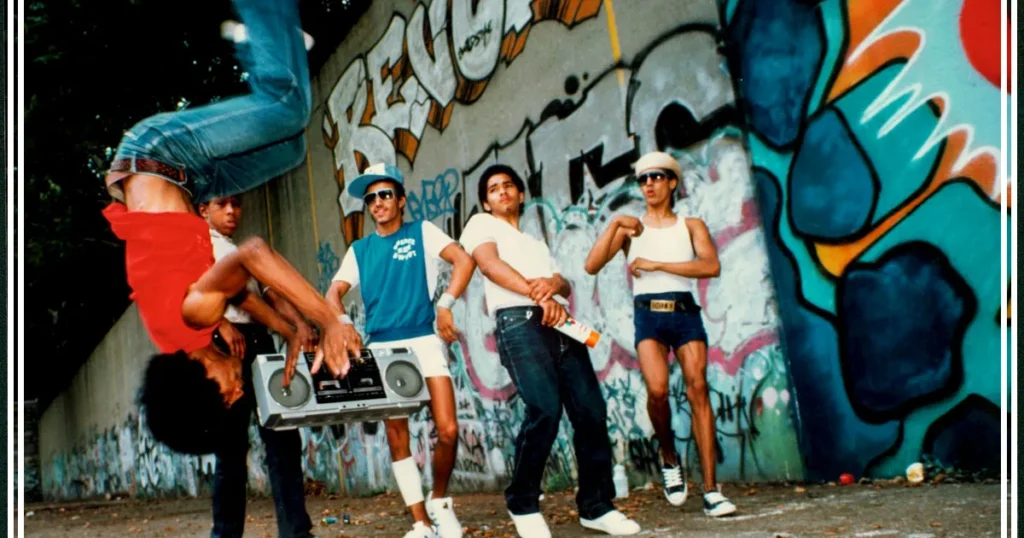
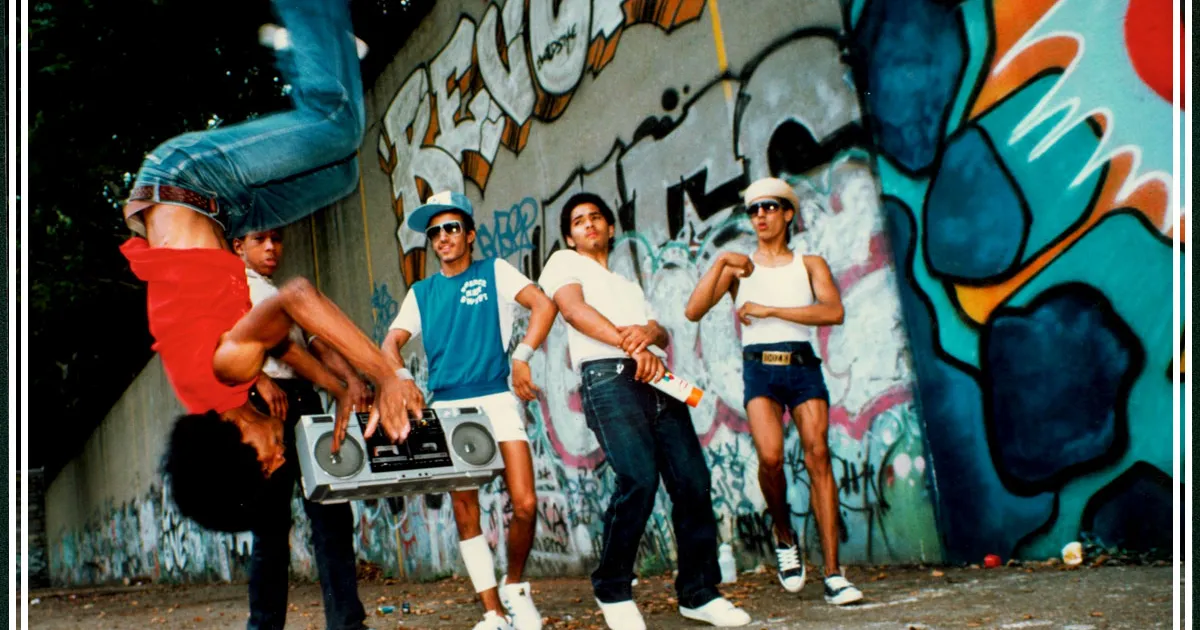
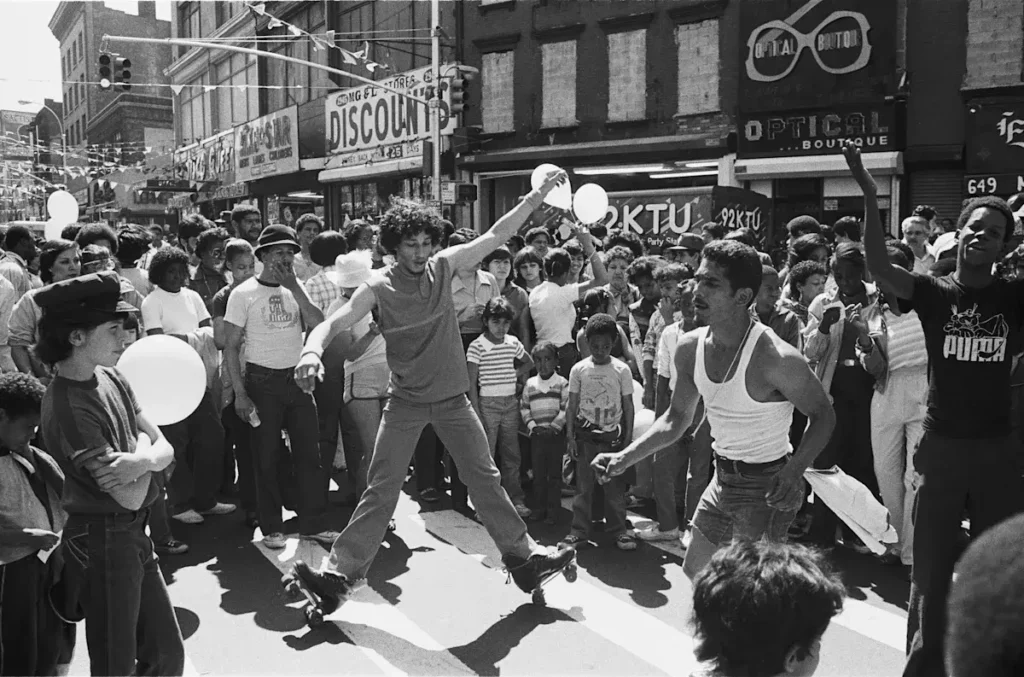
Hip-hop’s origin is widely traced to the Bronx in the early 1970s, particularly DJ Kool Herc’s 1973 party at 1520 Sedgwick Avenue.2 Figures like Grandmaster Flash and Afrika Bambaataa helped build a culture rooted in sound, movement, and expression — not commercial ambition.
In that space, the MC’s job wasn’t chart success. It was control of the crowd. Battling emerged naturally from that environment. It wasn’t an addition to hip-hop culture. It was foundational to it. Before streaming, before charts — credibility was decided live.
“Before streaming, before charts — credibility was decided live.”
The Early Battles That Changed Everything
The 1981 clash between Busy Bee Starski and Kool Moe Dee is widely cited as a turning point in battle rap’s evolution. Busy Bee represented the party-rocking era. Kool Moe Dee introduced something harder — direct lyrical confrontation.3 The crowd wasn’t just entertained; it was forced to choose a winner.
Soon after, the Bridge Wars between Boogie Down Productions and the Juice Crew expanded battle rap into something far larger: territory, authorship, and identity. KRS-One and MC Shan weren’t just battling each other — they were shaping hip-hop’s historical narrative itself.4
Why It Matters
The Bridge Wars established that rap battles could carry real-world stakes — neighborhood pride, cultural credit, and legacy. That expansion of meaning never reversed.
What Battle Rap Has Always Done for Hip-Hop
Battle rap functions as hip-hop’s internal proving ground. It demands writing, delivery, strategy, presence, and psychological control — simultaneously. No other format tests all five at once.
It preserves competition and forces innovation. More importantly, it ensures that skill is tested rather than assumed. In mainstream hip-hop, commercial metrics can carry an artist. In a battle, there is nowhere to hide.
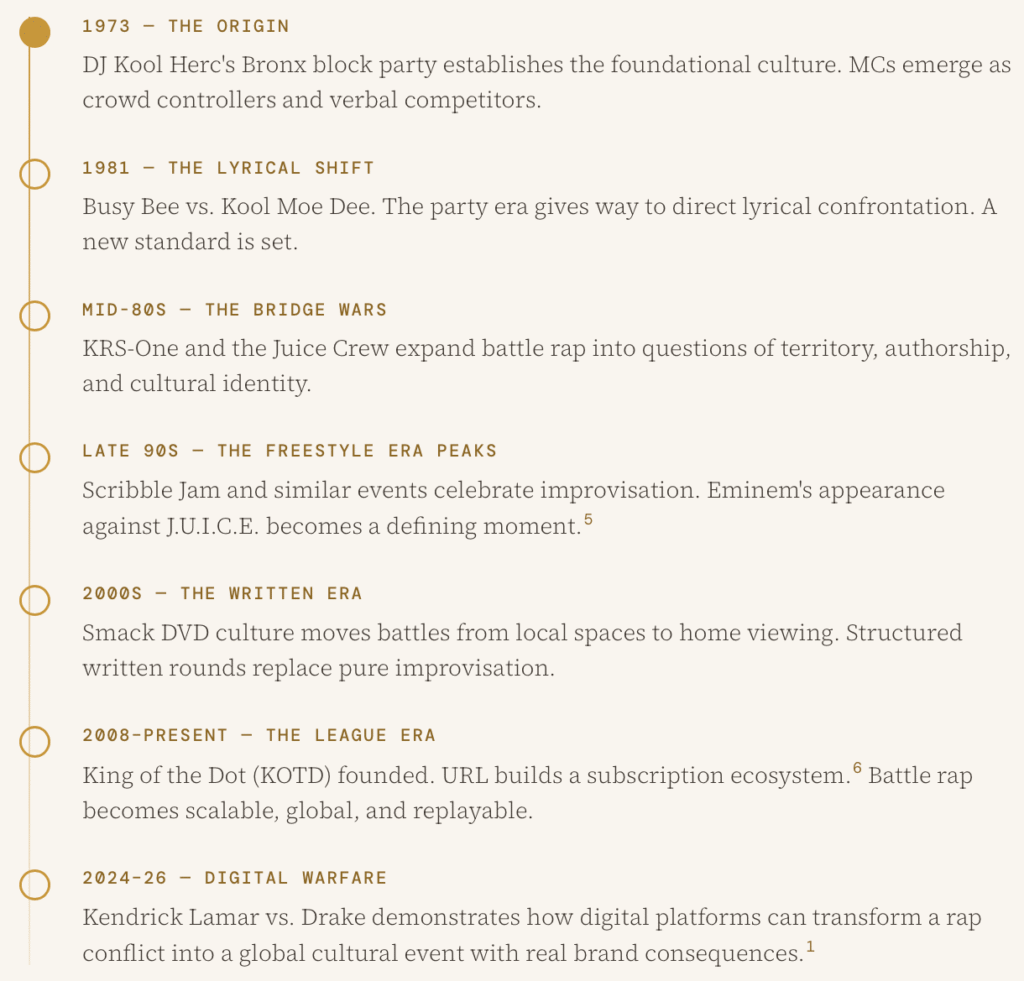
Timeline of Evolution

From Freestyle to the Written Era
Early battle rap was built on improvisation. Freestyle battles — like those seen at Scribble Jam — rewarded quick thinking, crowd reading, and raw creativity under pressure. These spaces created legends overnight.
Modern battle rap shifted toward written rounds. This change introduced structured performances, multi-layered storytelling, planned angles, and replay value that the freestyle era couldn’t deliver. The format evolved from spontaneous verbal exchange into something closer to competitive performance art — crafted, rehearsed, and designed for an audience that would watch five times on YouTube.
Neither era is superior. They are different expressions of the same competitive impulse, shaped by different contexts and different audiences.
Murda Mook ✦ Loaded Lux ✦ Hitman Holla ✦ Geechi Gotti ✦ Dizaster ✦ Charlie Clips ✦ Hollow Da Don ✦ Pat Stay ✦ Aye Verb ✦ Tay Roc ✦ DNA ✦ Rex ✦ Murda Mook ✦ Loaded Lux ✦ Hitman Holla
The Battles That Defined Eras
Battle rap evolves through specific, irreversible moments. Each one shifts the cultural conversation and raises the standard for what comes next.
Busy Bee vs. Kool Moe Dee (1981) drew the line between entertainment and skill. The Bridge Wars made geography and narrative part of the contest. LL Cool J vs. Canibus brought mainstream tension. Jay-Z vs. Nas became a battle for cultural dominance at the height of rap’s commercial peak.
In the league era, Murda Mook vs. Loaded Lux built mythology around URL. Loaded Lux vs. Calicoe elevated performance to spectacle. Then came the digital watershed: Kendrick Lamar vs. Drake — a conflict that showed the world what battle rap looks like when it lives entirely online, when algorithms amplify every bar, and when the audience numbers in the tens of millions.1
From DVD Culture to Organized Leagues
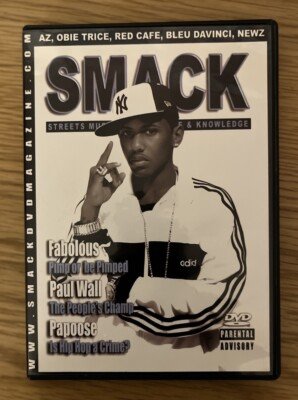
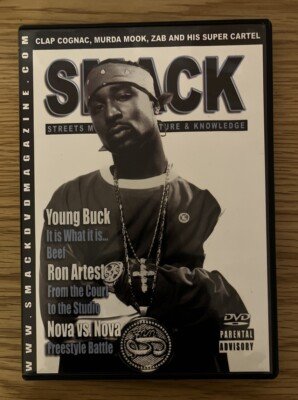
The Smack DVD era was the critical bridge. It moved battle rap from local event to distributable media — anyone with a copy could watch, share, and argue. This shift in access created the demand that organized leagues were built to satisfy.
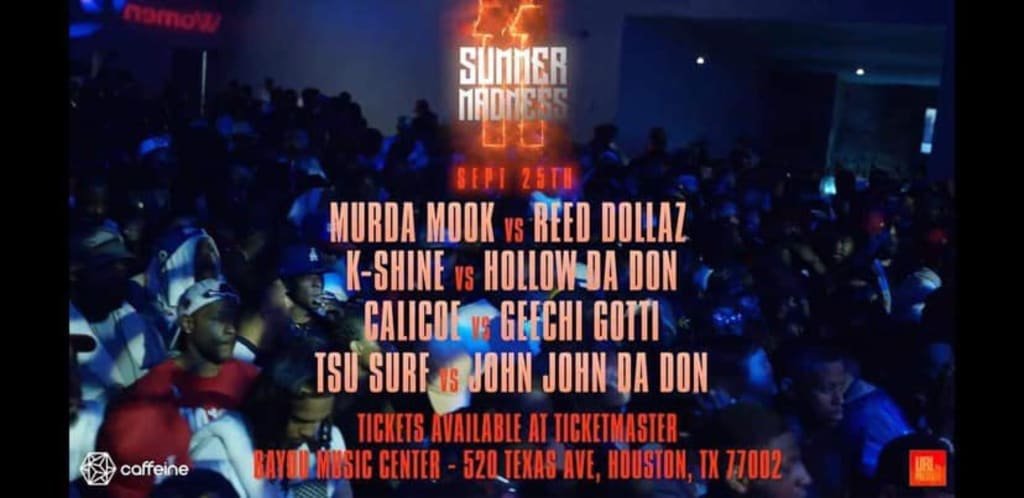
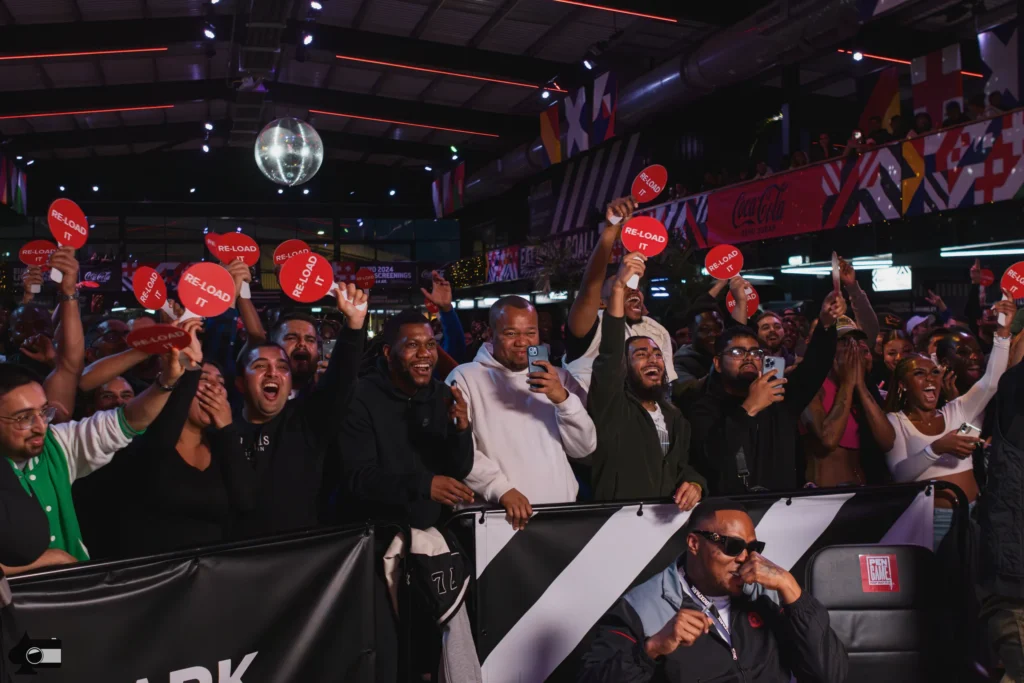
King of the Dot (KOTD), founded in 2008, helped globalize the format. URL built a subscription-driven ecosystem that turned battle rap events into recurring content products.6 Battle rap became structured, repeatable, and scalable. What had once been ephemeral — a moment in a rec center — became permanent, searchable, archivable content.

On Sustainability
Battle rap now operates through subscription platforms, live events, streaming partnerships, and digital distribution. Financial transparency across leagues remains limited, but the ecosystem is clearly monetized and still evolving. The central tension — authenticity vs. commercialization — has not resolved. It may be the tension that keeps the culture alive.
When the Business Steps In: Rap Beef as Risk Management
One of the clearest signs that battle rap and mainstream rap beef have evolved is this: once conflict begins affecting money, brand strategy, or long-term positioning, external forces begin to intervene. The culture has moved from corner credibility to boardroom calculations.


Drake vs. Meek Mill
The Drake–Meek Mill feud demonstrated how quickly public perception can shift in the digital era. After Meek accused Drake of using a ghostwriter, Drake responded with “Back to Back” — a response that generated significant chart momentum and widespread cultural support.7 The outcome didn’t end Meek Mill’s career, but it reshaped how he was perceived for years afterward. The battle wasn’t just about bars. It was about identity and credibility in the streaming age.
Drake vs. Pusha T
The Drake–Pusha T conflict raised the stakes significantly further. Pusha’s “The Story of Adidon” introduced deeply personal revelations and, crucially, was timed to target a rumored Adidas partnership associated with Drake.8 This marked a visible shift — battle rap was now capable of directly impacting brand strategy and commercial partnerships.
Industry veteran J. Prince later stated publicly that he advised Drake against escalating the feud further, citing the potential for sustained damage to Drake’s business interests.9 The intervention of a management figure in what had been framed as a rap battle was telling.
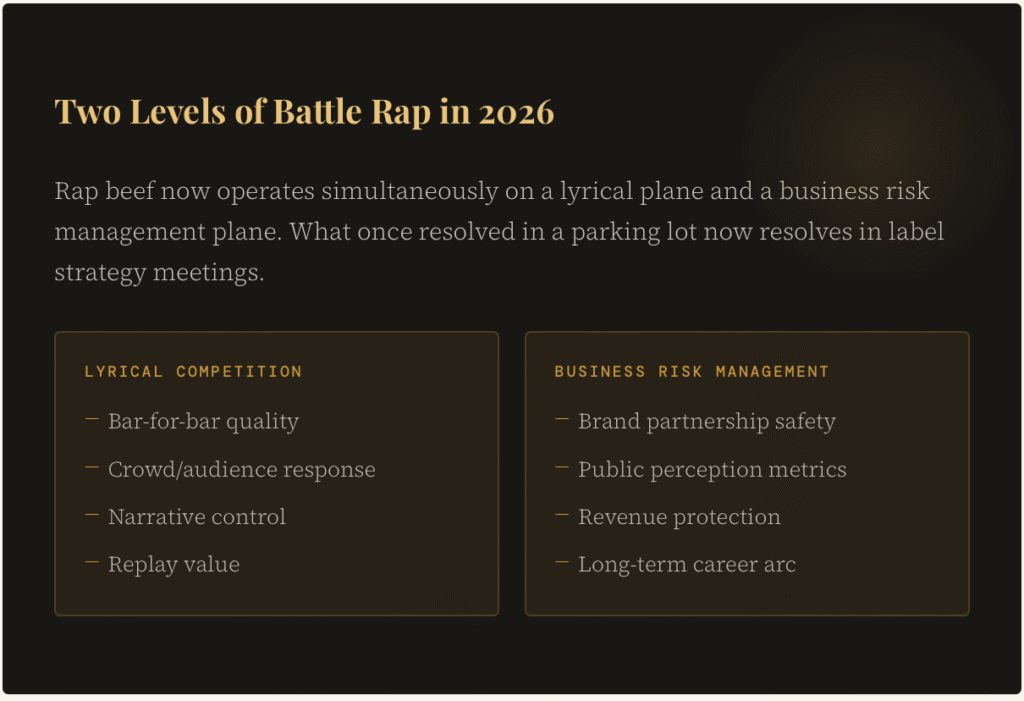
Two Levels of Battle Rap in 2026
Rap beef now operates simultaneously on a lyrical plane and a business risk management plane. What once resolved in a parking lot now resolves in label strategy meetings.

Hollywood and the Mainstreaming of Battle Culture
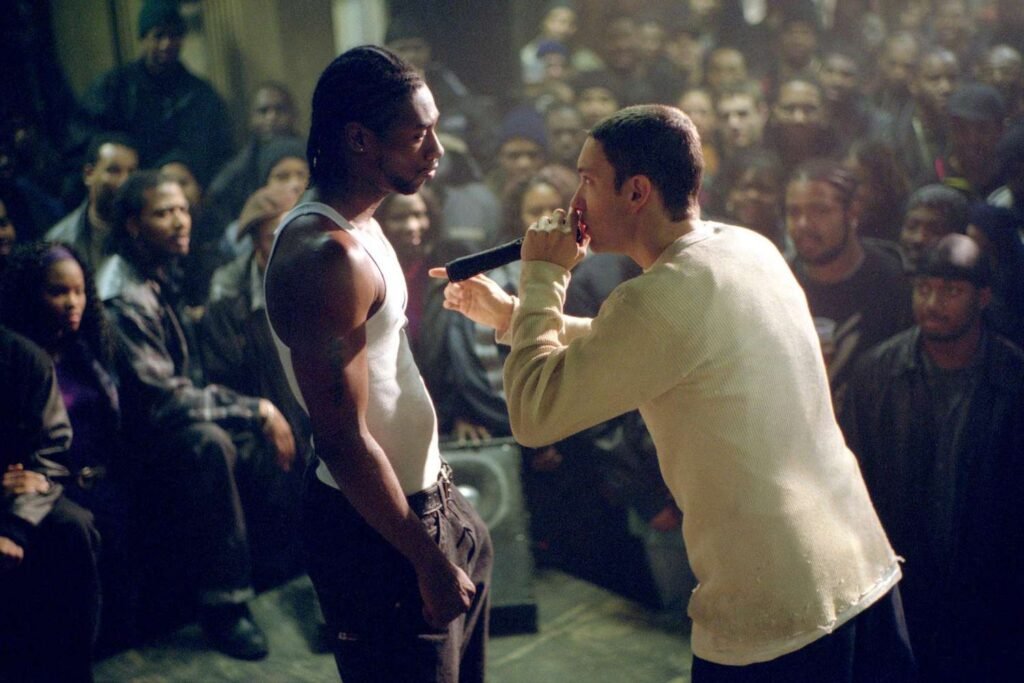
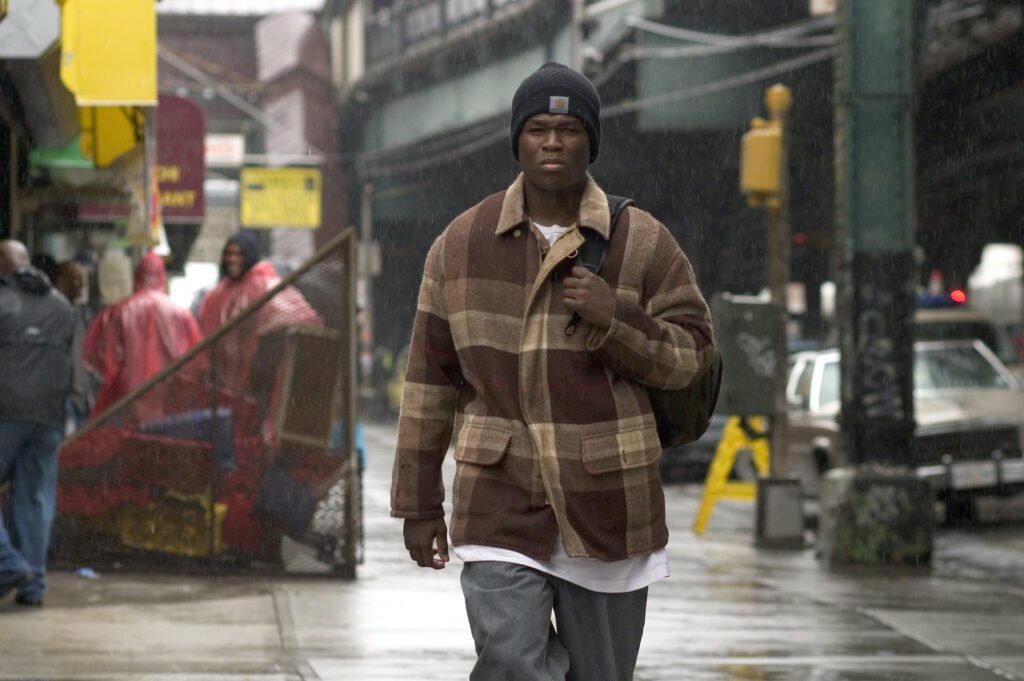
Directed by Jim Sheridan
Shown: Curtis “50 Cent” Jackson (as Marcus)
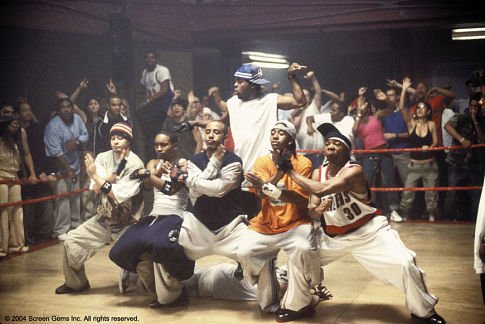
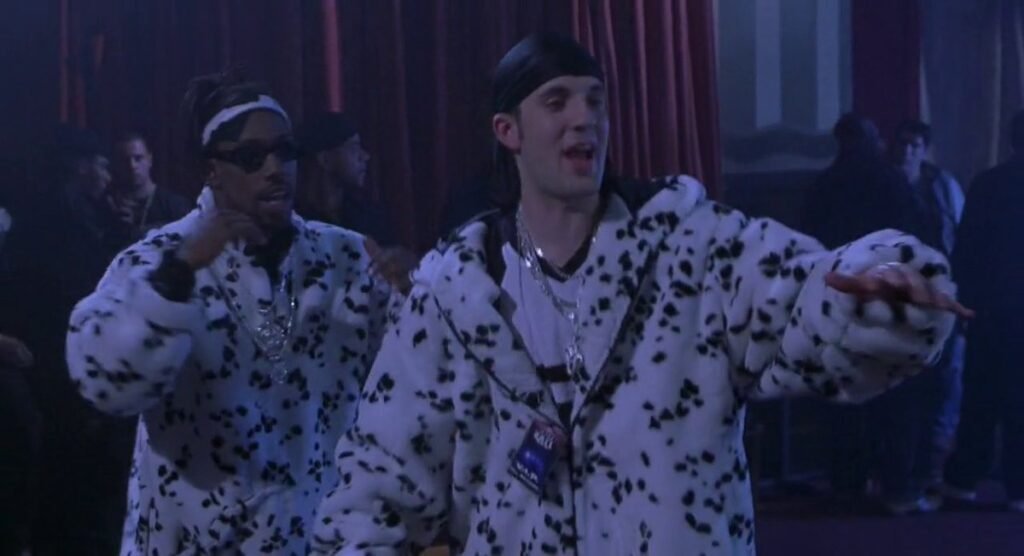
Film played a significant, if imperfect, role in translating battle culture for audiences who had never seen it live. Wild Style (1983) was the first major cinematic document of hip-hop culture.10 Beat Street (1984) followed. Both captured the energy of early battle culture before the industry had a language for it.
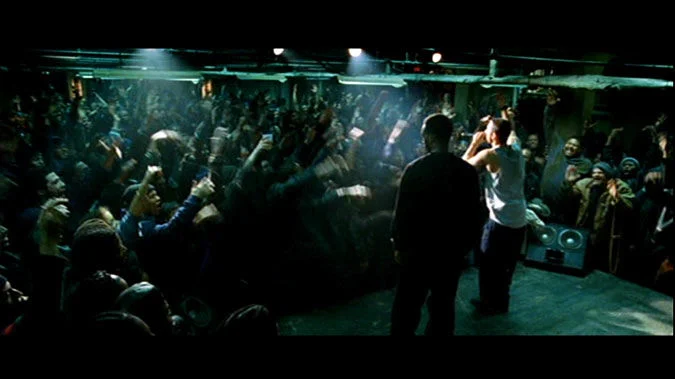
8 Mile (2002) brought battle rap to its widest mainstream audience — a fictionalized account that nonetheless captured the psychological pressure and verbal precision the format demands.11 You Got Served (2004) extended the aesthetic to dance battle culture, reinforcing competitive performance as a hip-hop value.12
These films didn’t fully explain battle rap. But they made it visible globally — and they embedded the format’s logic into mainstream pop culture in ways that made URL and KOTD easier to explain a decade later.
Mainstream vs. League Greatness: Two Different Conversations
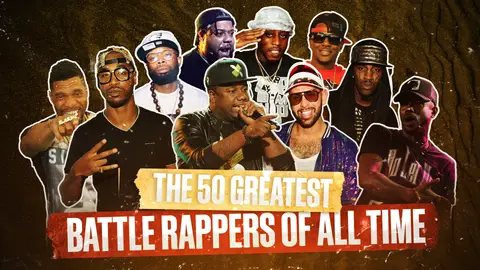
One of the persistent tensions in battle rap culture is the gap between mainstream recognition and league credibility. These are genuinely different achievement systems with different criteria, different audiences, and different definitions of greatness.
Mainstream: Eminem, Jay-Z, Nas, LL Cool J, Cassidy, 50 Cent — artists who crossed over into chart performance while maintaining battle credibility. League: Murda Mook, Loaded Lux, Geechi Gotti, Dizaster — artists whose entire legacy exists within the battle ecosystem and whose skills are specifically calibrated for that context.
The debate over who is “greatest” often conflates these two systems. They are better understood as parallel conversations about what excellence means in different competitive contexts.
Technology Changed Everything — Including the Consequences

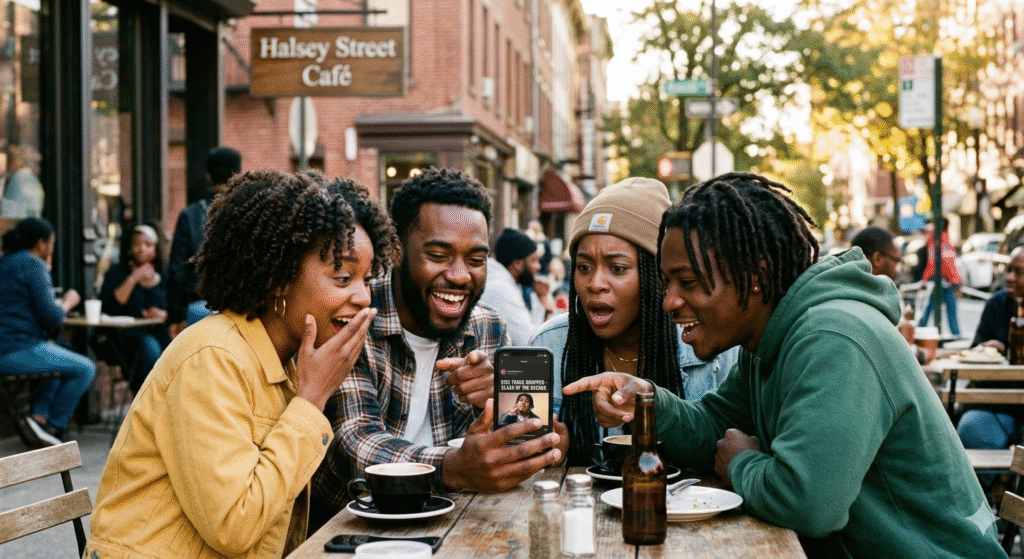
Digital technology made battle rap global and replayable. A Loaded Lux performance can be watched in Lagos, London, or Los Angeles — and debated in comment sections across all three simultaneously. This is genuinely new. No previous generation of battle rap had that reach.

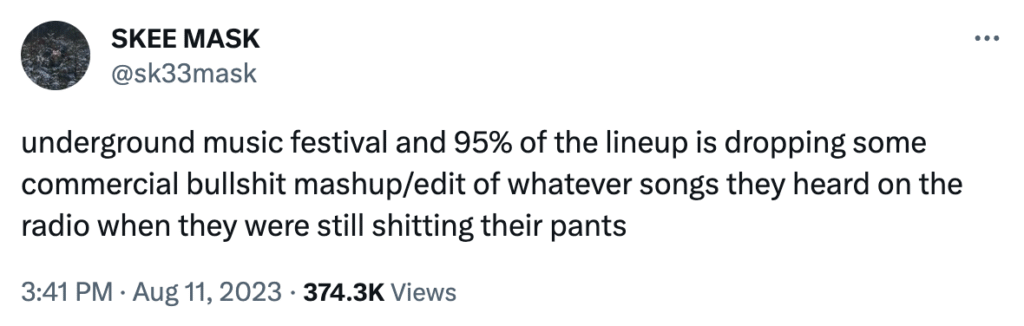
But technology also made conflict more volatile. Jay-Z’s warning in his GQ interview reflects this directly — battles now extend well beyond music, and the digital amplification of personal conflict creates consequences that the original culture never anticipated.1 Every bar lands everywhere at once. Every miss is permanent. Every personal revelation is searchable forever.
“Every bar lands everywhere at once. Every miss is permanent. Every personal revelation is searchable forever.”HfYC Editorial
Key Takeaways
- Battle rap is not a trend — it is foundational to hip-hop culture, present from the first block party.
- The format evolved from spontaneous freestyle to structured performance art over five decades.
- Organized leagues created scalable, subscription-driven ecosystems that professionalized the culture.
- Digital technology amplified both reach and consequence — battles now affect brand strategy, not just credibility.
- The Jay-Z/Drake/Kendrick era represents battle rap at its highest stakes: global audience, permanent record, real business implications.
- The central tension between authenticity and commercialization remains unresolved — and that tension may be what keeps the culture vital.
HfYC Poll of the Day
Has social media strengthened battle rap — or damaged the culture that built it?
- 📈 Strengthened it — global reach changed everything for the better
- 📉 Damaged it — the personal stakes have made it toxic
- ⚖️ Both — the culture adapted but lost something in the process
More from Here For You Central
Hip-Hop Legacy Diddy Legacy Documentary: The Reckoning Reshaping Hip-Hop’s Memory African Diaspora The Motherland Got the Aux: How Afrobeats Is Connecting Black Gen Z to Their Roots Culture & History Black Brooklyn History: Legacy, Resilience, and the Culture That Built It Digital Culture Has Social Media Changed Dating: Millennial Men Edition
References (APA)
- Carter, S. (2026). Exclusive: The Jay-Z Interview. GQ. gq.com
- Smithsonian Magazine. (2023). 50 Years of Hip-Hop. smithsonianmag.com
- Andscape. Busy Bee vs. Kool Moe Dee Analysis. andscape.com
- Wikipedia. The Bridge Wars. wikipedia.org
- Scribble Jam Archive. youtube.com
- Ultimate Rap League. urltv.tv
- Billboard. Drake vs Meek Mill Chart Impact. billboard.com
- GQ. Drake & Pusha T Analysis. gq.com
- Billboard. J. Prince Interview. billboard.com
- Wikipedia. Wild Style. wikipedia.org
- Wikipedia. 8 Mile. wikipedia.org
- Sony Pictures. You Got Served. sonypictures.com