The Frontlines: Navigating Systemic Challenges in Black Brooklyn
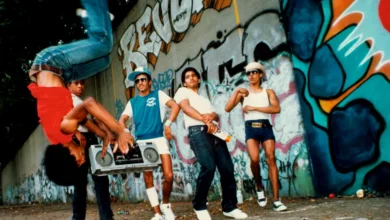
Brooklyn has long been a cultural heartbeat for Black America. From jazz and hip-hop to activism and entrepreneurship, its streets pulse with resilience and creativity. But behind the murals and block parties lies a daily struggle: navigating systemic challenges that weigh heavily on Black Brooklynites. The affordable housing crisis, school segregation, and policing disparities are not isolated issues—they are interconnected barriers rooted in decades of disinvestment and discrimination. Today, community advocates, faith leaders, and young people stand on the frontlines, determined to dismantle these inequities and reimagine a just Brooklyn.
When “Affordable Housing” Isn’t Affordable
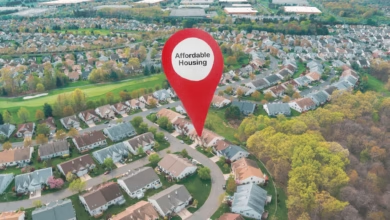
Brooklyn’s skyline may be filled with shiny new high-rises, but many lifelong residents feel locked out. Median white household income in some neighborhoods has soared to $150,000, while Black household income remains stagnant at $40–50k. That gap turns “affordable housing” into a cruel joke when Area Median Income (AMI) calculations don’t reflect community realities.
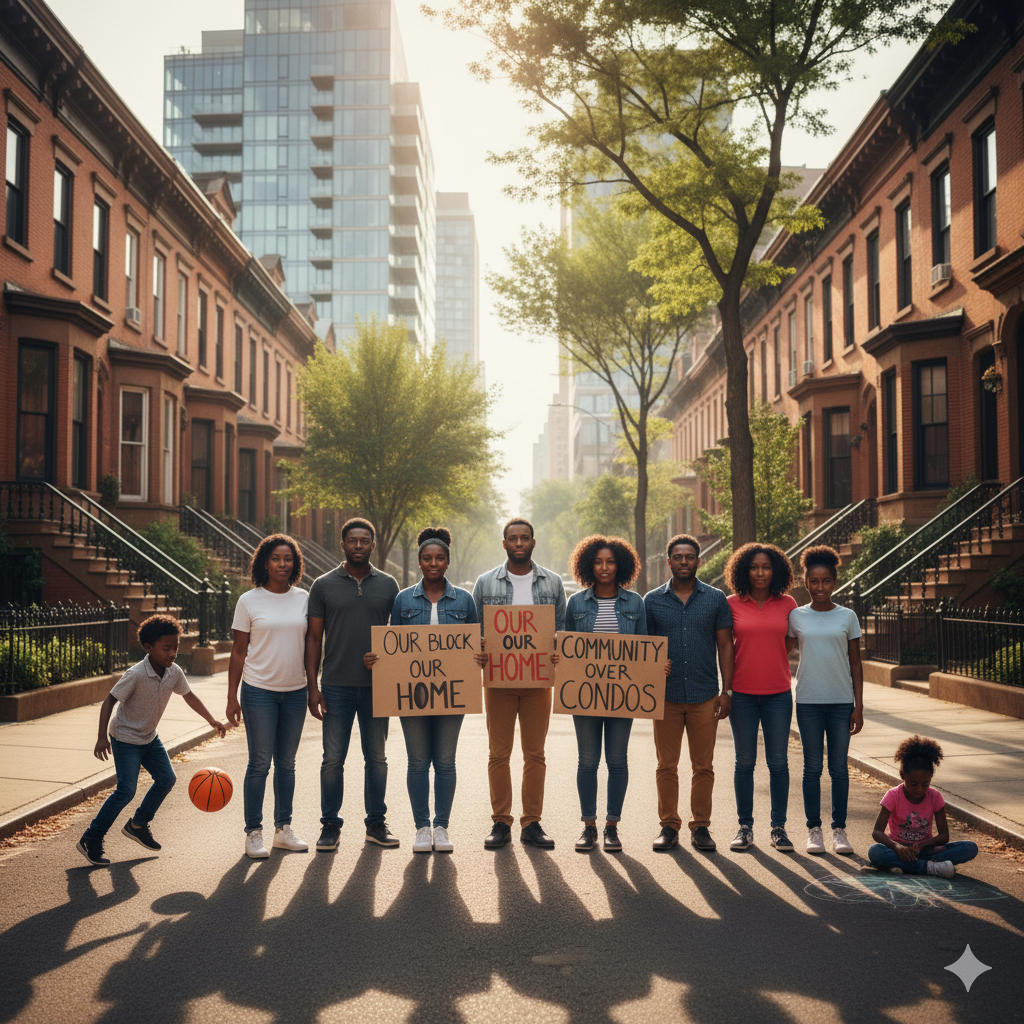
For Black families, the result is a cycle of displacement. Communities once defined by block associations, Black-owned businesses, and neighborhood churches now find themselves squeezed by rising rents and rezoning laws. Organizations like Housing Not High-Rises and faith leaders such as Pastor David K. Brawley are fighting back, demanding policies that prioritize residents over developers.
For young Brooklynites, the stakes feel especially high. Owning a home—or even securing long-term rental stability—often feels out of reach. Without generational wealth passed down through property, many young adults are forced into transient living situations that disrupt community roots.
Two Schools, Two Realities

Walk just a few blocks in Brooklyn, and you’ll see two different school systems existing side by side. More than 74% of Black students in New York City attend schools where fewer than 10% of their classmates are white. That level of segregation mirrors the 1950s more than the 2020s.
This separation isn’t just about race—it’s about opportunity. Screened admissions, white flight, and residential segregation funnel resources and access into one set of schools while leaving others underfunded. Parents like Miriam Nunberg and student-led groups are demanding change, pointing out that integration benefits everyone, not just the marginalized.
For youth, the emotional weight is real. Many Black students know they’re receiving fewer resources than peers in wealthier districts. Yet they continue to excel, showing resilience and brilliance despite systemic neglect. Their success, however, shouldn’t require fighting uphill battles every day.
The Policing Divide
Numbers tell a stark story: between 2020 and 2022, Black residents in Brooklyn were issued criminal summonses up to 11.4 times more often than white residents. This isn’t about more “crime”—it’s about who gets policed. In gentrifying neighborhoods, newcomers’ 311 calls often escalate into life-altering encounters for Black residents.
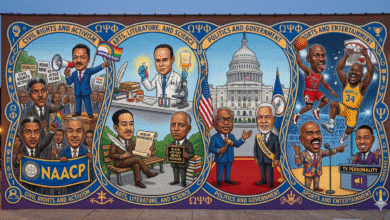
Groups like Neighbors in Action, VOCAL-NY, and the Brooklyn NAACP are pushing alternatives, championing community-led safety initiatives. The vision is clear: build systems of accountability and care without relying solely on punitive policing.
Young people are especially vocal here. For them, stop-and-frisk memories are still fresh, and the trauma of over-policing shapes daily choices—from what streets to walk to how they interact with neighbors. They want solutions rooted in safety and dignity, not criminalization.
Short-Term Struggles, Long-Term Implications
In the short term, these systemic barriers force families to stretch budgets, navigate failing schools, and live under constant surveillance. But the long-term implications cut deeper. If displacement continues, Brooklyn risks losing the cultural fabric that made it iconic. If schools remain segregated, cycles of inequality will harden. If policing disparities persist, mistrust between residents and institutions will widen.
For the next generation of Black Brooklynites, these challenges are not abstract—they shape whether they can build wealth, receive quality education, and live freely.
Building Power from the Ground Up
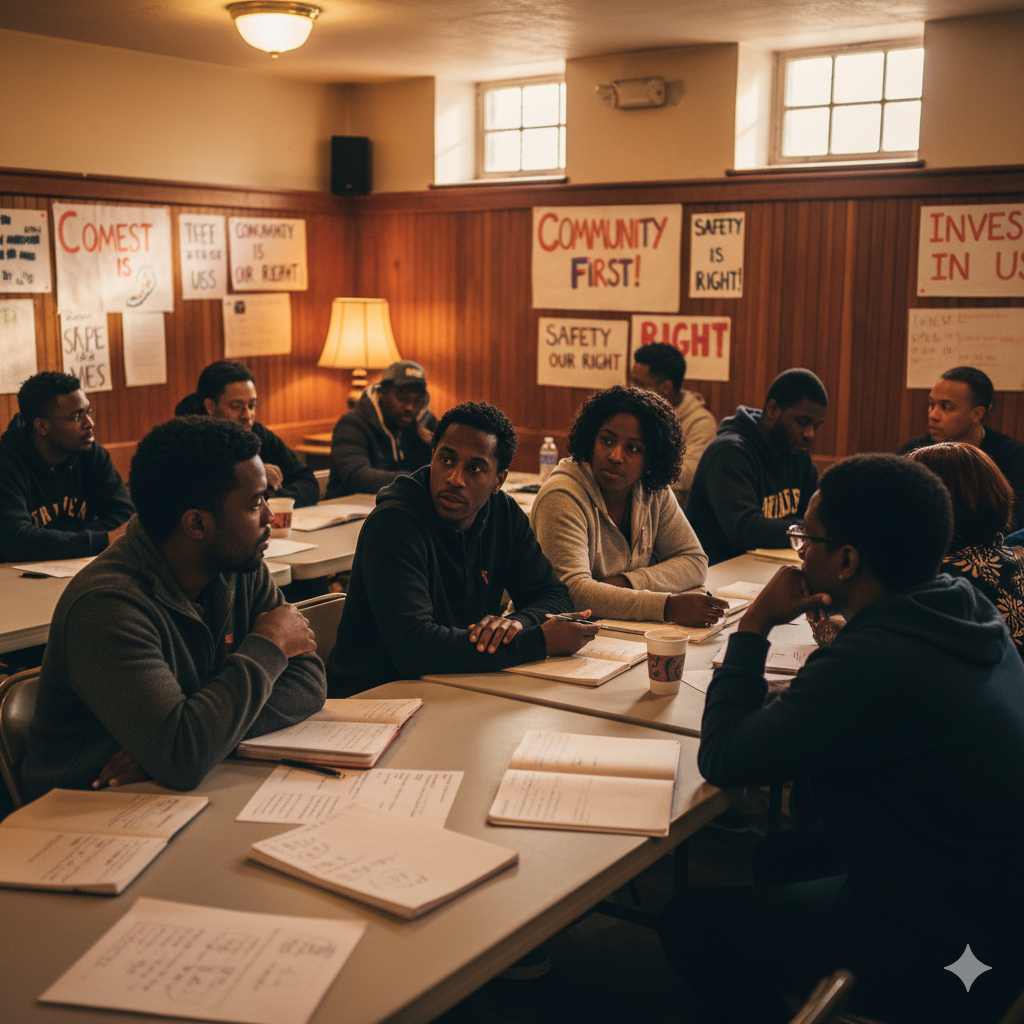
Despite the obstacles, Black Brooklyn is not defined by struggle alone. Community organizations, churches, advocacy groups, and young leaders are crafting bold visions of equity. Tenant associations are fighting landlords. Students are demanding equitable admissions. Neighborhood activists are organizing block by block.
This grassroots power matters. It reminds us that systemic challenges, no matter how entrenched, are not unshakable. They can be confronted, dismantled, and rebuilt.
Key Takeaways & Call to Action
-
Housing is more than shelter—it’s generational wealth. Policies must reflect real incomes, not inflated averages.
-
Education equity is non-negotiable. Integration and funding reforms are critical to leveling the playing field.
-
Community-led safety is the future. Policing must shift from punishment to protection.
What can you do? Support local advocacy groups. Show up at town halls. Share stories that reflect community realities. If you’re a young person, lend your voice—because change only happens when those most affected take the mic.
Brooklyn’s story has always been one of resilience. The question now is: will we let systemic inequities define its future, or will we write a new chapter rooted in justice and joy?
Related HfYC Content
- The Stories Our Neighborhoods Deserve
- Northern New Jersey Black Businesses
- How to Get Involved with Your Local Government
Other Related Content
References
The City. (2023, November 15). The cost of segregation in NYC schools. Retrieved from https://www.thecity.nyc/2023/11/15/education-nyc-school-segregation-report/
The New York Times. (2023, May 23). How gentrification is reshaping Brooklyn. Retrieved from https://www.nytimes.com/2023/05/23/nyregion/brooklyn-gentrification.html