Gateway Program Newark Jersey City: $16B Rail Gamble
For most commuters, the train ride between Newark and Manhattan is routine. But the infrastructure behind that trip has recently been at the center of one of the most consequential political and economic fights in the region.
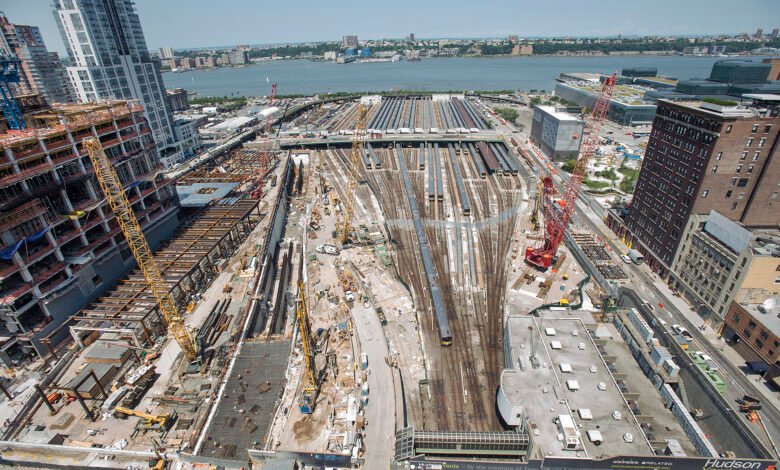
Earlier this year, the Gateway Tunnel Project — the core of the $16-billion Gateway Program — nearly halted construction after the federal government froze funding tied to the project. New York and New Jersey officials sued the federal government, warning that stopping the project could disrupt the most important rail corridor in the Northeast.
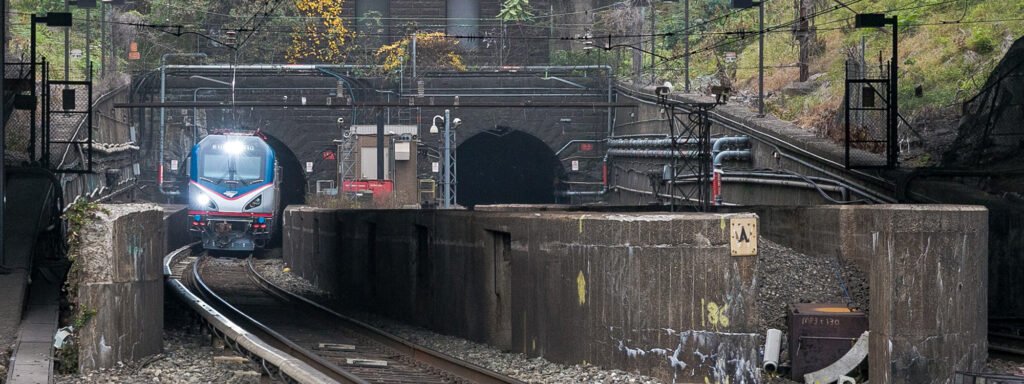
A federal judge ultimately intervened, restoring funding temporarily and allowing construction to continue while the legal battle moves forward.
For commuters, the ruling meant trains would keep running.
For cities like Newark and Jersey City, it meant something bigger: the economic future tied to one of the region’s most important infrastructure projects is still uncertain.
Why This Matters Right Now
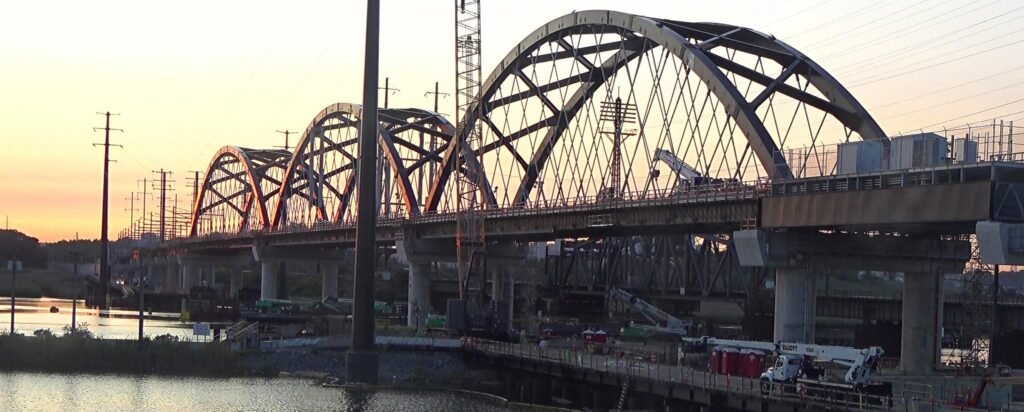
The Gateway Program is not just a rail project.
It sits at the center of several forces reshaping Northern New Jersey:
- massive housing development near transit hubs
- rising property values tied to Manhattan commutes
- increasing pressure on aging transportation infrastructure
If Gateway succeeds, it could support decades of regional growth. If political fights delay the project again, the consequences could reach far beyond train schedules — affecting housing markets, job access, and long-term development plans across Newark and Jersey City. That’s why the recent court battle over Gateway funding is not just a policy dispute. It’s a warning about how fragile the infrastructure behind the region’s economic future may actually be.
The Federal Court Fight That Nearly Stopped Construction

As previously reported by HfYC, the recent funding crisis began when the federal government suspended payments for the Gateway project, citing policy and compliance concerns.
The freeze threatened to stop construction entirely because the Gateway Development Commission — the body overseeing the project — had already exhausted much of its available credit while waiting for federal reimbursements.
Without court intervention, construction sites in New York and New Jersey were preparing to shut down.
Officials warned the consequences could be severe:
- Thousands of construction jobs at risk
- Major infrastructure work halted mid-project
- A critical rail corridor left dependent on aging tunnels
A federal judge stepped in with a temporary restraining order to unblock funding and allow work to continue while the dispute moves through appeals.
In recent developments, federal payments owed to the project were released, allowing construction to resume, though the legal and political fight surrounding the project remains unresolved.
Why the Gateway Program Exists in the First Place
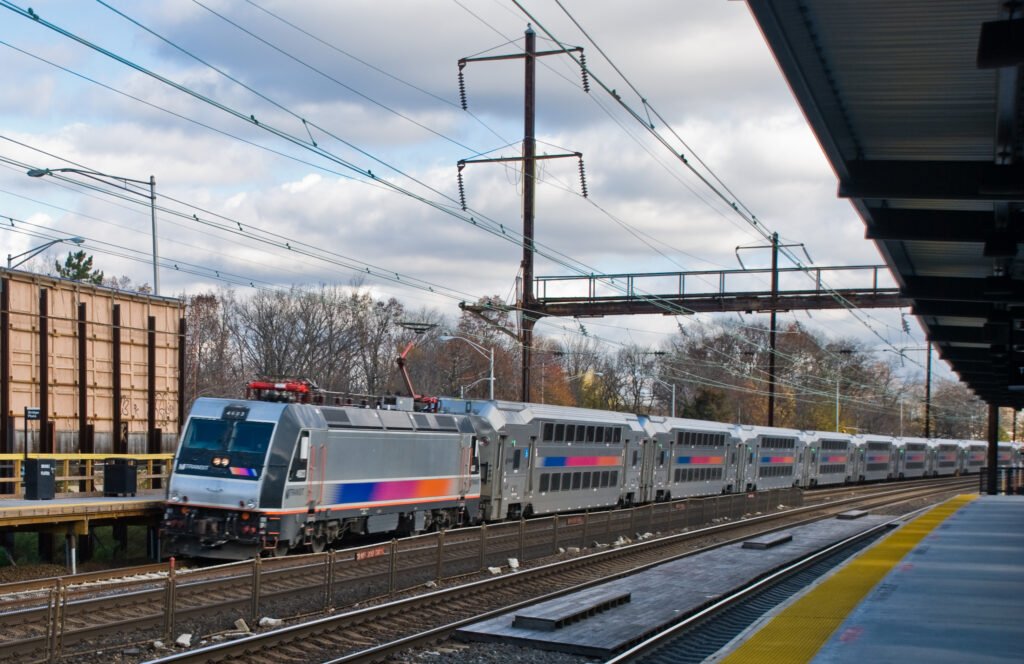
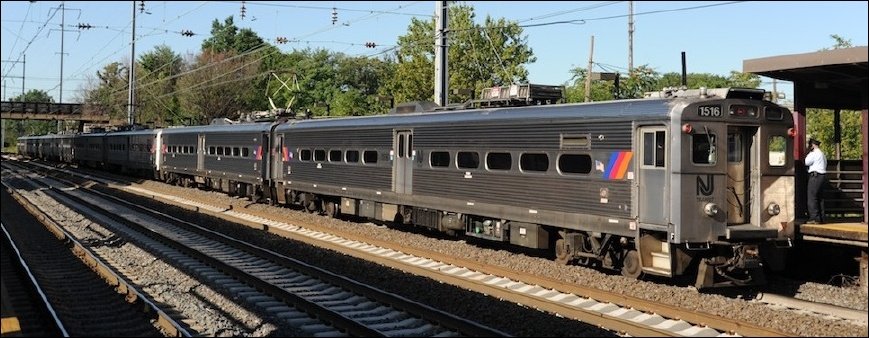
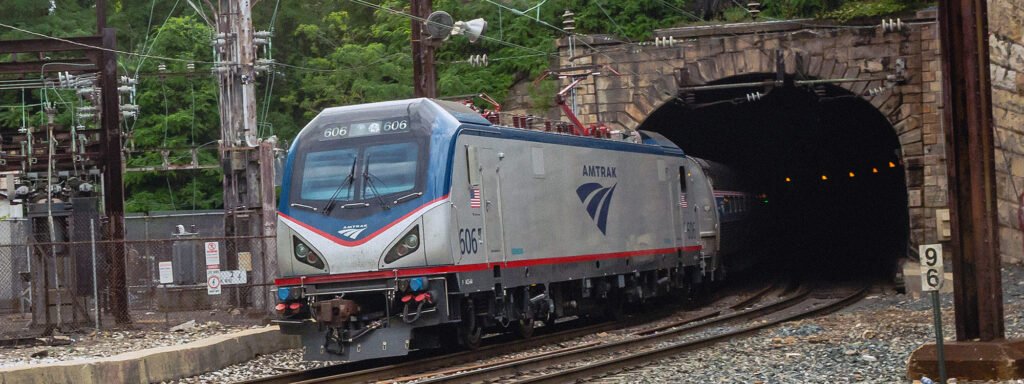
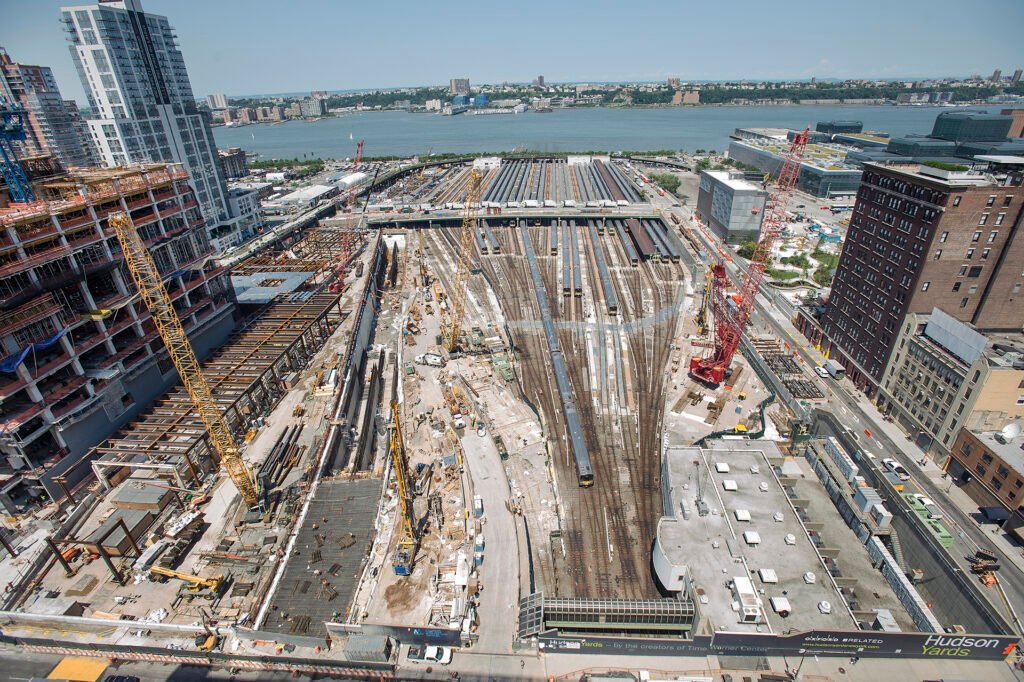
The Gateway Program is designed to modernize and expand rail infrastructure between New Jersey and New York — one of the busiest passenger rail corridors in North America.
Key elements of the program include:
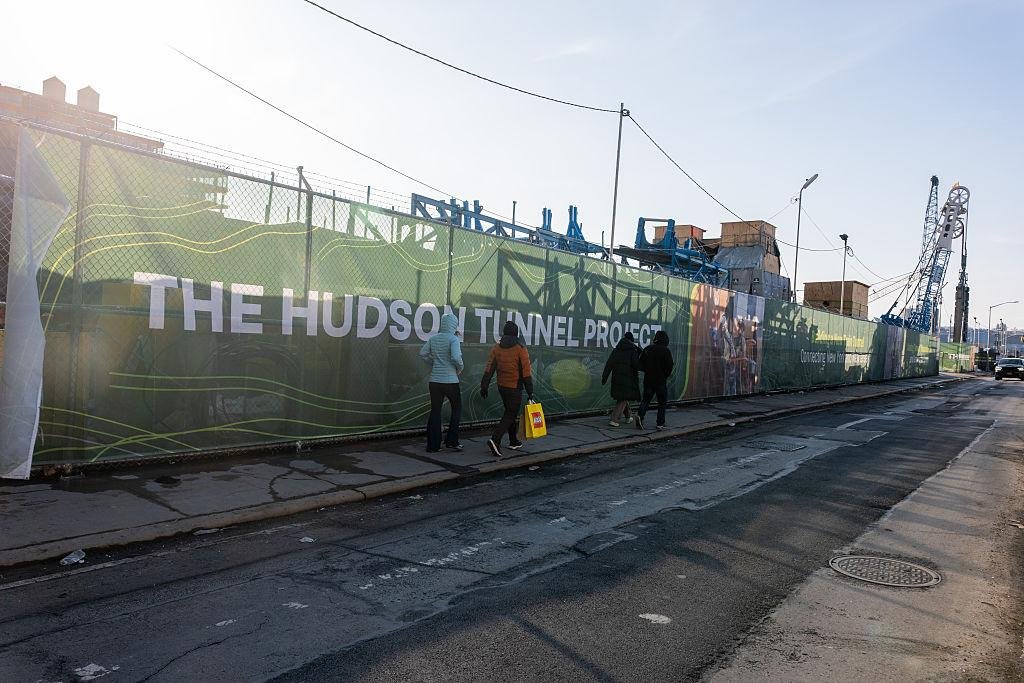
- New Hudson River rail tunnels to supplement the existing century-old tunnels
- Replacement of the Portal North Bridge in the Meadowlands
- Increased rail capacity between New Jersey and Manhattan
The existing North River tunnels, built more than a century ago and damaged during Hurricane Sandy in 2012, carry over 200,000 passengers and more than 400 trains daily.
If one of those tunnels were forced offline for repairs before new capacity is built, regional rail service could drop dramatically.
That risk is one of the main reasons transportation planners have labeled Gateway one of the most critical infrastructure projects in the United States.
The Real Estate Stakes: Transit Drives Development’
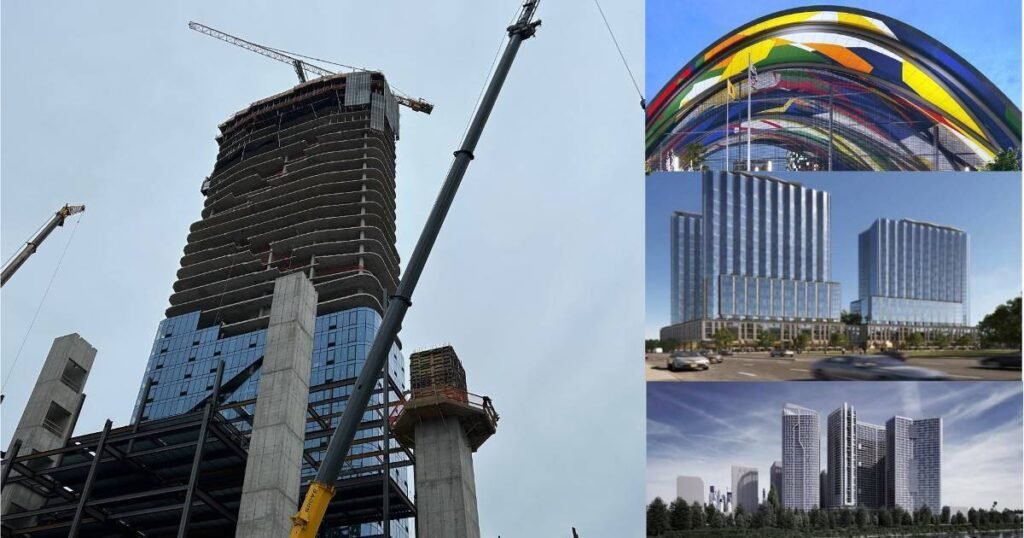
For Newark and Jersey City, rail infrastructure is not just a transportation issue — it is a development engine.
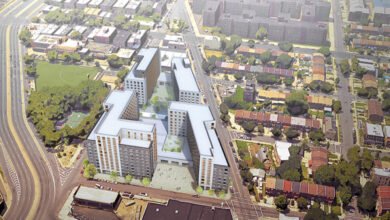
Over the past decade, both cities have experienced a surge in transit-oriented development (TOD).
These projects typically include:
- High-density housing near rail stations
- Mixed-use buildings combining residential, retail, and office space
- Increased demand from commuters working in Manhattan
Reliable rail access is one of the main reasons investors continue pouring capital into housing projects near:
- Newark Penn Station
- Journal Square in Jersey City
- the PATH and Northeast Corridor rail network
When the Gateway funding crisis erupted earlier this year, developers and city planners quietly raised a concern that rarely appears in political headlines:
Infrastructure uncertainty can stall real estate investment.
If the rail system connecting New Jersey to Manhattan becomes unreliable, the economic assumptions behind billions of dollars in housing development could shift.
Why This Matters for Black Residents in Newark
The implications go beyond investors and developers.
Transit access has historically shaped economic mobility in cities like Newark.
Reliable rail service connects residents to:
- job opportunities in Manhattan
- financial and tech sectors in Jersey City
- expanding employment corridors across the region
When infrastructure becomes unreliable or capacity shrinks, several things can happen:
- Commute times increase
- Job access becomes less predictable
- Housing demand shifts away from transit corridors
- Property values fluctuate
For many residents who depend on public transportation, infrastructure investment is not just about convenience — it is about economic access.
That is why some policy analysts increasingly frame the Gateway Program as a mobility equity issue, particularly for communities that rely heavily on regional rail systems.
The Broader Question: What Happens if Growth Outpaces Infrastructure?
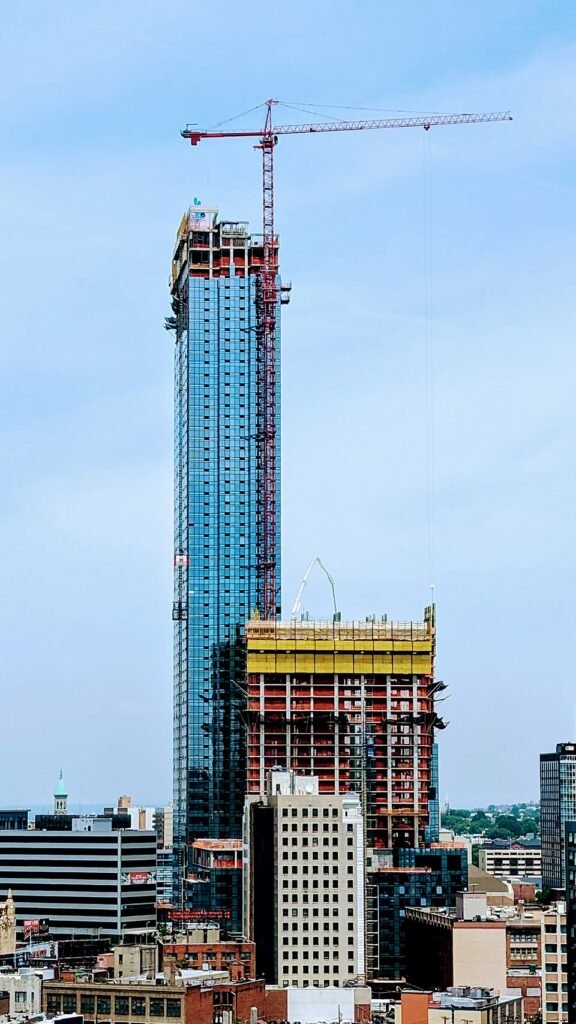
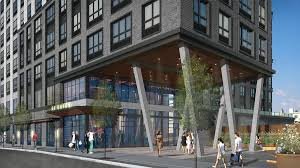
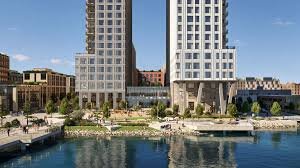
Northern New Jersey is undergoing a period of rapid transformation.
New apartment towers are rising in Newark and Jersey City while corporate offices, tech firms, and financial companies expand across the region.
But infrastructure has historically lagged behind development cycles.
The Gateway Program is one of the few projects designed to expand transportation capacity before the system reaches a breaking point.
If it succeeds, the rail corridor could support decades of regional growth.
If it stalls — whether due to funding battles, political disputes, or construction delays — cities like Newark and Jersey City could face a difficult reality:
Development momentum without the infrastructure backbone needed to sustain it.
Key Takeaways
- The $16B Gateway Program is one of the largest rail infrastructure projects in the United States.
- A recent federal funding freeze nearly halted construction before a court intervened to restore payments.
- The project will build new Hudson River tunnels and repair aging infrastructure used by hundreds of thousands of commuters.
- Newark and Jersey City development relies heavily on reliable rail access to Manhattan.
- Infrastructure investment like Gateway may influence economic mobility and housing markets across the region.
HfYC Poll of the Day
Follow us and respond on social media, drop some comments on the article, or write your own perspective!
Should the federal government treat projects like the Gateway Program as essential infrastructure — or are the costs too high for taxpayers?
Poll Question Perspectives
- Is the Gateway Program primarily about commuter convenience — or about protecting the regional economy?
- If major rail projects stall due to politics, who feels the impact first: commuters, cities, or developers?
- Should infrastructure investment come before housing development — or follow it?
Related HfYC Content
- Gateway Tunnel Funding Restored After Federal Court Fight
- $600K New Jersey Racial Wealth Gap = Gentrification Today + Homelessness Tomorrow
- Building Power: How PLAs Shut Out Black Contractors
- $970M Newark Budget Plan Raises Painful Tax Concerns
- Is the U.S. Housing Crisis a Bubble About to Burst—or a Slow Reset?
Other Related Content
- Amtrak Gateway Program Overview – https://www.amtrak.com/gateway-program
- Gateway Program Development Corporation – Project Details – https://www.gatewayprogram.org/
- Regional Plan Association: Why the Gateway Program Matters – https://rpa.org/work/reports/gateway-program
- NJ Transit Portal North Bridge Project Update – https://www.njtransit.com/portal-north-bridge
- Reuters: Judge Orders Funding Restored for Gateway Tunnel Project – https://www.reuters.com/world/us/work-be-suspended-16-billion-new-york-city-tunnel-project-friday-2026-02-06/
References
- Associated Press. (2026). New York and New Jersey sue Trump administration over $16B tunnel funding freeze.
- Reuters. (2026). U.S. judge unfreezes funding for $16 billion New York–New Jersey rail tunnel project.
- Rail Passengers Association. (2026). Federal court orders Gateway funding to resume.
- New Jersey Monitor. (2026). Work to resume on Gateway tunnel after federal funds released.