
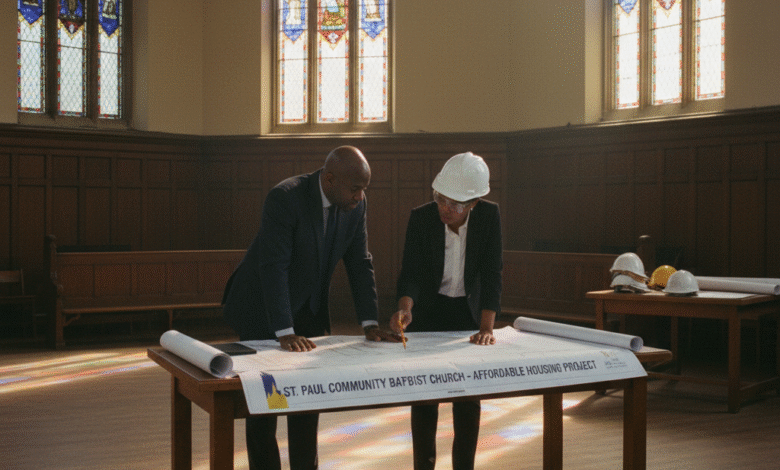
Legacy vs. Leverage: Can Black Churches in Brooklyn and New Jersey Build Housing Without Losing Their Souls?
For generations, Black churches in Brooklyn and Northern New Jersey have been more than places of worship. They have served as anchors—holding together political power, cultural memory, and community stability as neighborhoods shifted around them. Today, rising housing costs and accelerating displacement are forcing many congregations into an uncomfortable reckoning: how to survive when the people who built the church can no longer afford to live nearby.
From Bedford-Stuyvesant to East New York, from Newark to Jersey City, pastors are increasingly looking at their most valuable earthly asset—the land beneath their sanctuaries—as both a lifeline and a risk. As longtime members move farther away in search of affordability, churches are asking whether housing development is a faithful extension of their mission—or a compromise that could permanently alter their role in the community.
The Rise of the “Faith-to-Housing” Pipeline
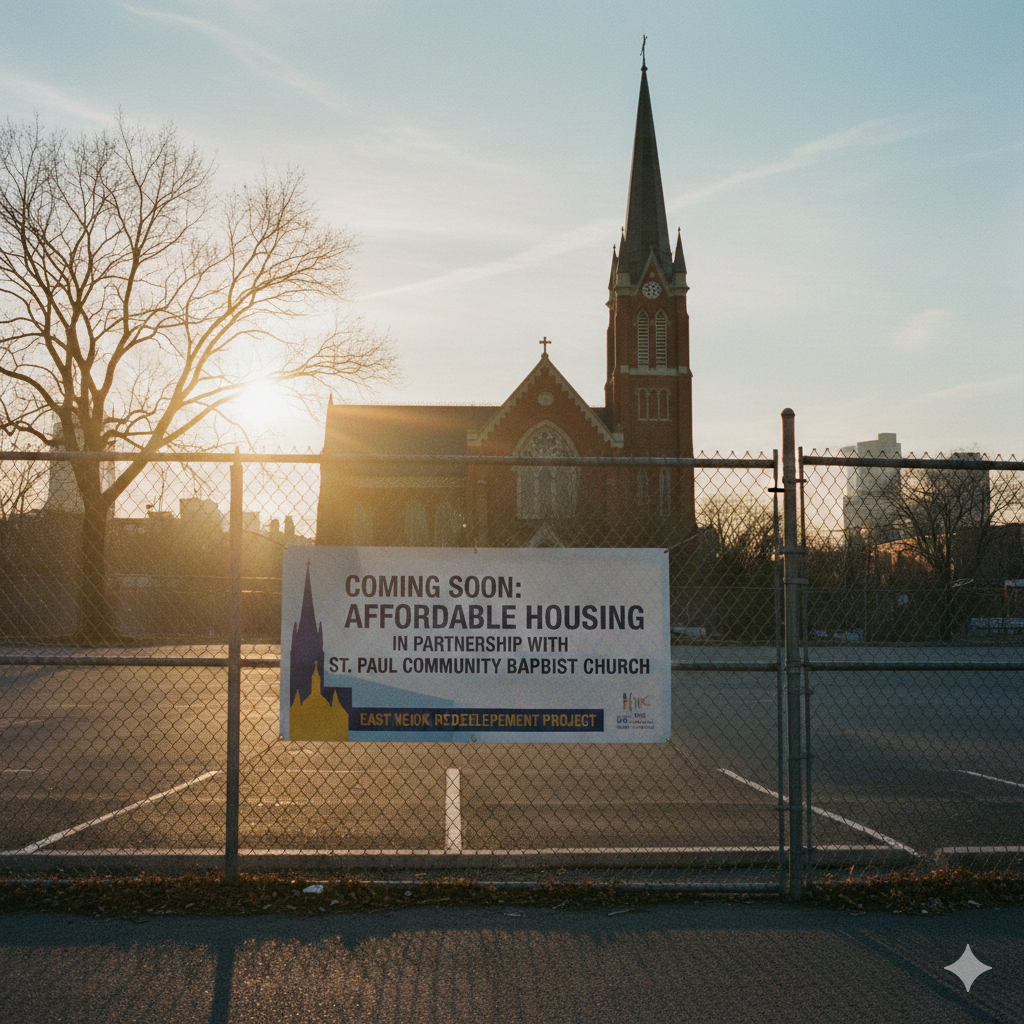
Across Brooklyn and Northern New Jersey, a growing number of churches are exploring what’s often described as a Faith-to-Housing pipeline. The idea is straightforward: underused church land—parking lots, former schools, convents, or auxiliary buildings—can be transformed into housing that prioritizes affordability and community stability.
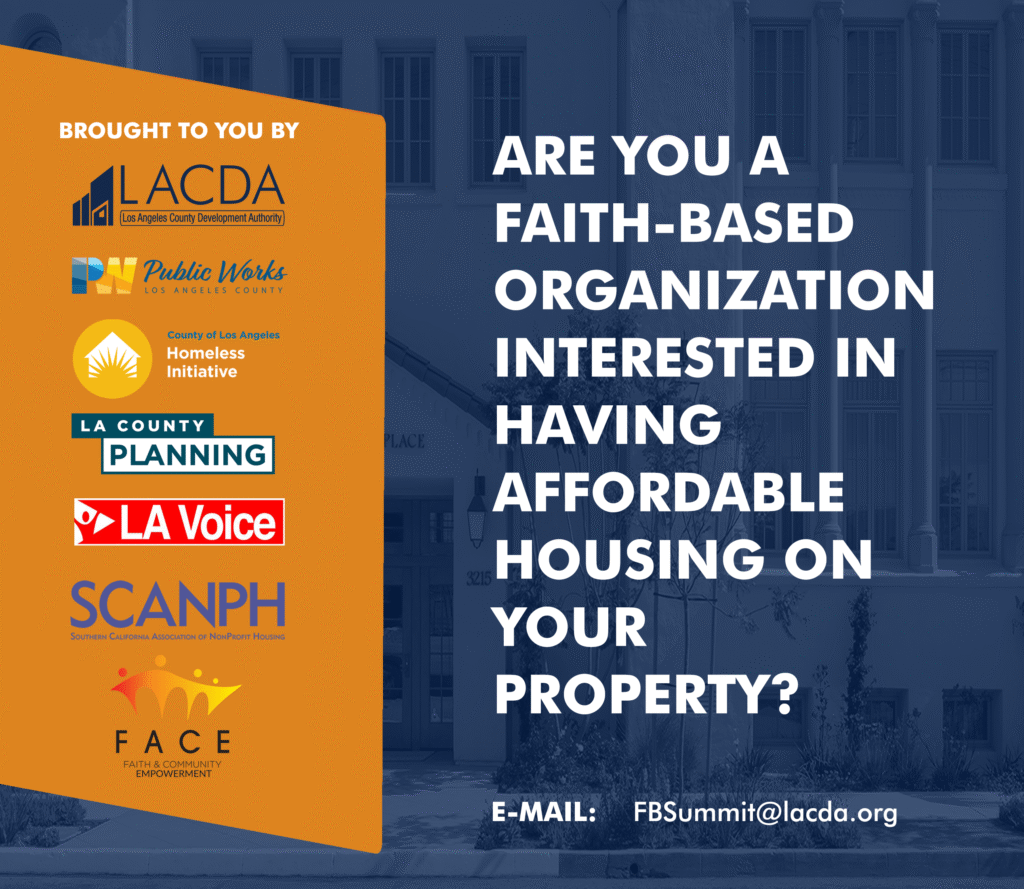
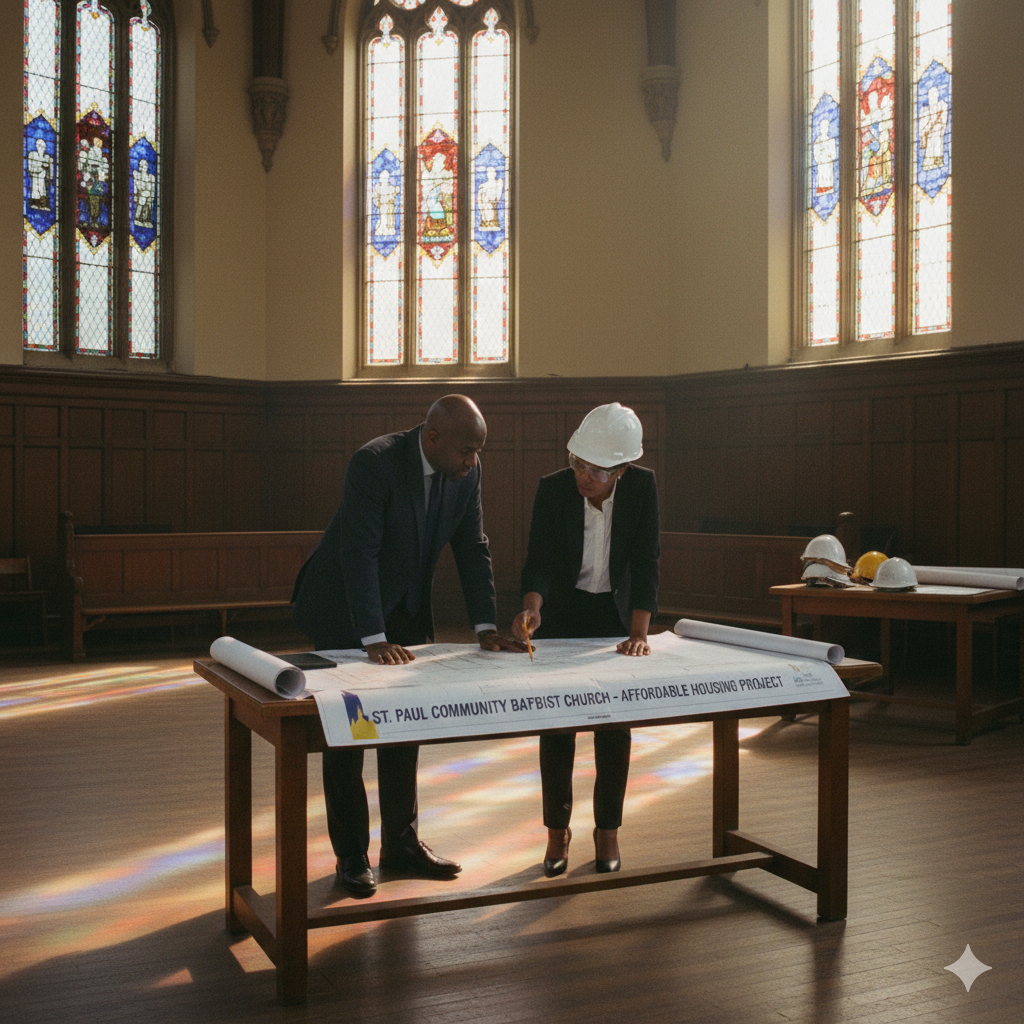
In Brooklyn, large-scale proposals like the Christian Cultural Center’s planned mixed-use development have drawn public attention for their ambition. At the neighborhood level, churches such as St. Paul Community Baptist Church have explored more modest projects, including housing built atop existing parking lots or adjacent parcels. The scale varies, but the motivation is consistent: keeping congregants close to the church and rooted in the neighborhood.
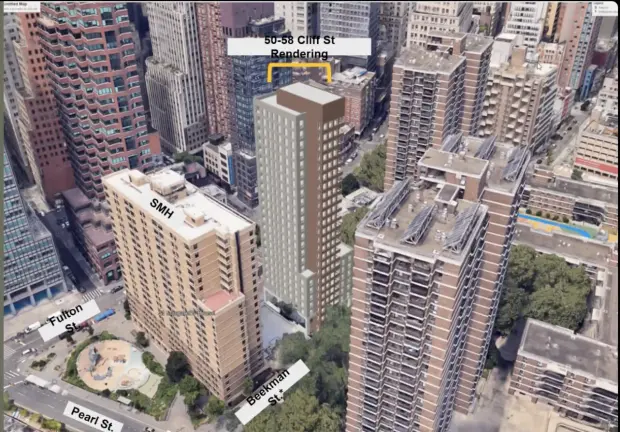
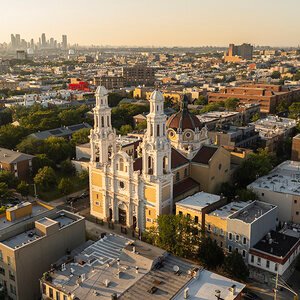
In Northern New Jersey, similar conversations are unfolding. In cities like Newark and Jersey City—where land values have surged alongside new development—churches are weighing whether development partnerships are a way to protect their congregations or a step into unfamiliar territory that could strain trust.
What unites these efforts is urgency. Many churches are land-rich but cash-poor, facing rising maintenance costs, shrinking memberships, and mounting pressure from surrounding real estate markets.
The High Stakes of “God’s Backyard”
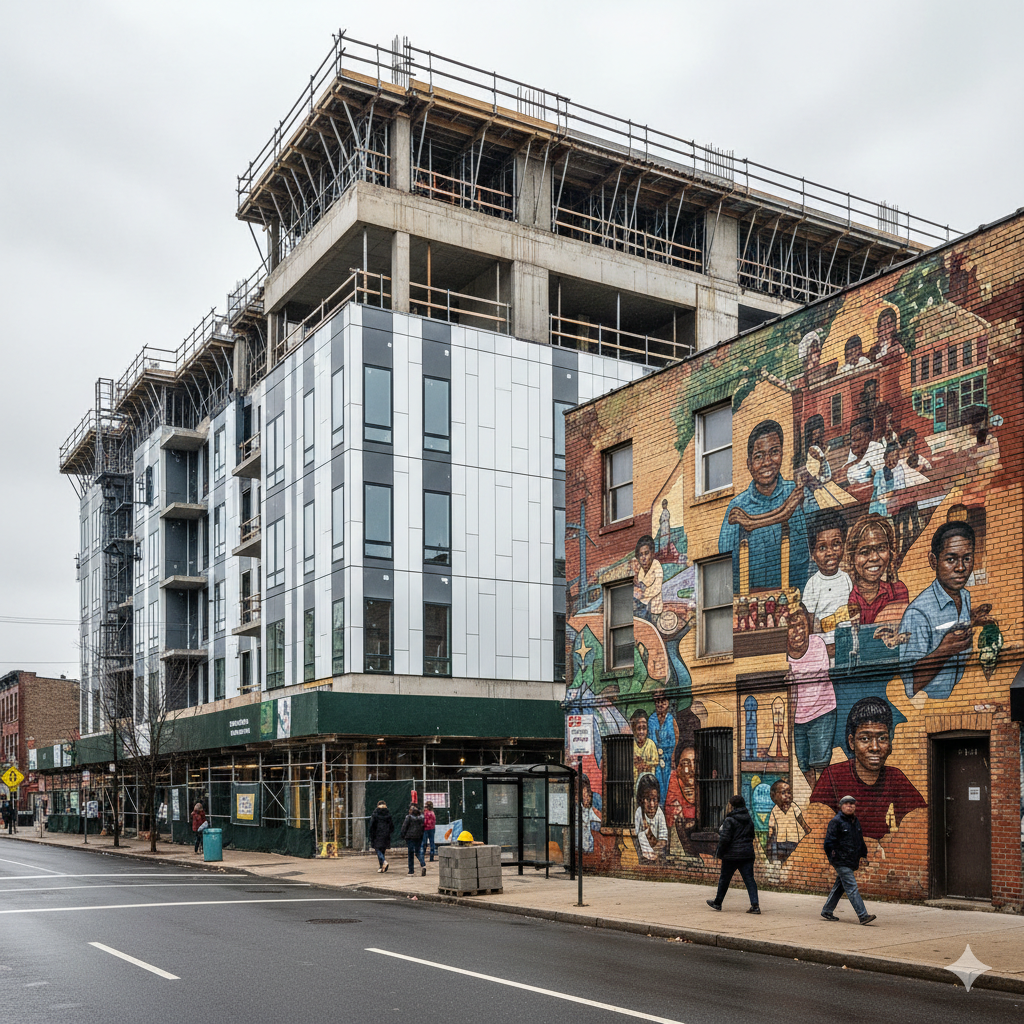
This moment is not just about real estate. It’s about identity, continuity, and loss.
When families who helped build these churches are pushed out—often to farther-flung parts of New Jersey or out of state altogether—the impact is more than logistical. Pastors and congregants alike describe it as a spiritual rupture. The church may still stand, but its community is scattered.
That tension shows up in several ways:
- Zoning and Process Barriers
Navigating land-use approvals, financing, and compliance is complex. Many congregations lack the technical expertise to move projects forward without external partners, raising concerns about control and long-term accountability. - Gentrification Anxiety
Even developments labeled “affordable” can unintentionally raise surrounding land values. In both Brooklyn and Jersey City, residents worry that new housing—if not deeply protected—can invite market-rate pressure that accelerates displacement. - Sacred Space vs. Density
For some members, replacing gardens, fellowship halls, or historic structures with multi-story buildings feels like erasing visible reminders of Black migration, faith, and resilience.
These debates are playing out not in planning offices alone, but in church basements, trustee meetings, and Sunday parking lots.
From Brooklyn to Jersey City: The Church as Civic Actor
The pressures facing Brooklyn churches are mirrored across the Hudson.
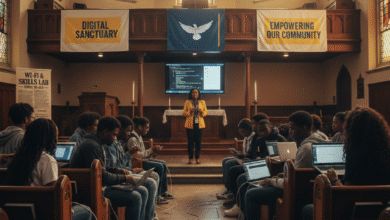
In Jersey City and Newark, faith-based coalitions have increasingly positioned churches as civic actors, not just religious institutions. In some cases, churches have used their moral authority and organizing power to push cities toward stronger affordability commitments within large developments.
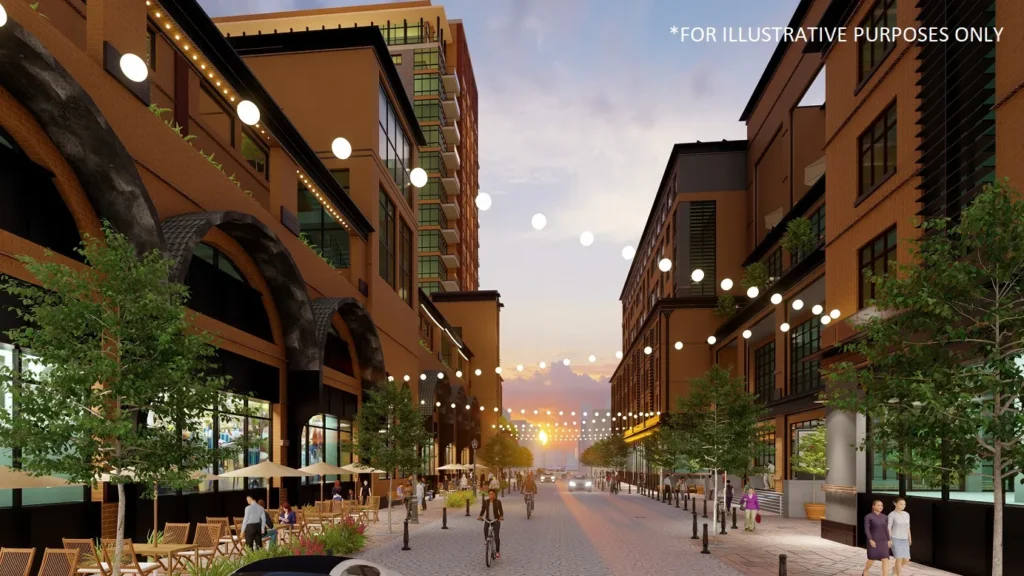
Here, the church’s role shifts. Rather than acting solely as a landowner, it becomes a negotiator—leveraging trust, history, and political credibility to influence outcomes that private developers might otherwise avoid. This model reframes the church as a civic developer, shaping housing outcomes without fully surrendering its mission to market forces.
Still, the risks remain. Partnerships can blur accountability, and long timelines can strain congregations already under financial pressure.
Zoning Reform and the Pressure to Decide
Policy changes may soon make these decisions unavoidable.
In New York City, proposed zoning reforms such as “City of Yes” would lower barriers for religious institutions to convert unused buildings into housing. In New Jersey, local zoning adjustments and redevelopment designations have already created pathways—sometimes quietly—for church-owned land to enter the housing pipeline.
On paper, these changes create opportunity. In practice, they also intensify pressure. As legal pathways open, churches may face offers they can’t ignore—from nonprofit developers, private firms, or speculators. The critical question becomes who defines “community benefit,” and who enforces it once construction begins.
For some congregations, development may anchor the next generation. For others, it may feel like a final attempt to hold together a shrinking flock in neighborhoods that no longer feel built for them.
Key Takeaways
- Black churches in Brooklyn and Northern New Jersey are increasingly positioned at the intersection of housing policy, land value, and community survival.
- Faith-led housing development offers real promise, but also carries risks tied to control, accountability, and displacement.
- Zoning reforms may expand options while simultaneously increasing pressure to act quickly.
- Long-term impact depends less on scale and more on governance, affordability protections, and community trust.
HfYC Poll of the Day
Follow us and respond on social media, drop some comments on the article, or write your own perspective!
Do you think historic Black churches in Brooklyn and New Jersey should prioritize building housing on their land, even if it changes the physical look of the neighborhood?
Poll Question Perspectives
- Is church-led housing the next chapter of Black community self-determination—or a last defense against displacement?
- Should affordability take priority over preserving historic church grounds and open space?
- Who should control church-led developments: congregations, cities, or nonprofit partners?
Related HfYC Content
- Fading Black Church Choirs in Brooklyn: Faith, Gentrification, and Survival
- Brooklyn’s Cost of Living Crisis – Who Gets to Stay, Who’s Being Pushed Out?
- The Housing Crossroads: Brooklyn’s Fight for a Place to Live
- The Enduring Foundation: How New Jersey’s Black Churches Fueled a Movement
Other Related Content
- New York City Department of City Planning — City of Yes: Housing Opportunity Overview
https://www.nyc.gov/site/planning/plans/city-of-yes/city-of-yes-housing-opportunity.page - Enterprise Community Partners — Faith-Based Development and Affordable Housing
https://www.enterprisecommunity.org/solutions-and-innovation/faith-based-development - New Jersey Department of Community Affairs — Affordable Housing and Redevelopment Programs
https://www.nj.gov/dca/divisions/dhcr/ - Faith in Action — Congregations, Housing, and Community Development
https://faithinaction.org/our-work/economic-justice/housing/


I know this site gives quality depending content and other information, is there any other site which
gives these things in quality?
I think there are a few actually. I personally like to visit Blavity.com and a few other sites for inspiration on what is trending. However, the goal with HfYC is to get people like you to create articles from your neighbourhood and perspectives.
Hello! Do you use Twitter? I’d like to follow you if that would be okay.
I’m undoubtedly enjoying your blog and look forward to new updates.
We’re moving towards having a bigger presence on social media. I’ll work on that and keep you posted!