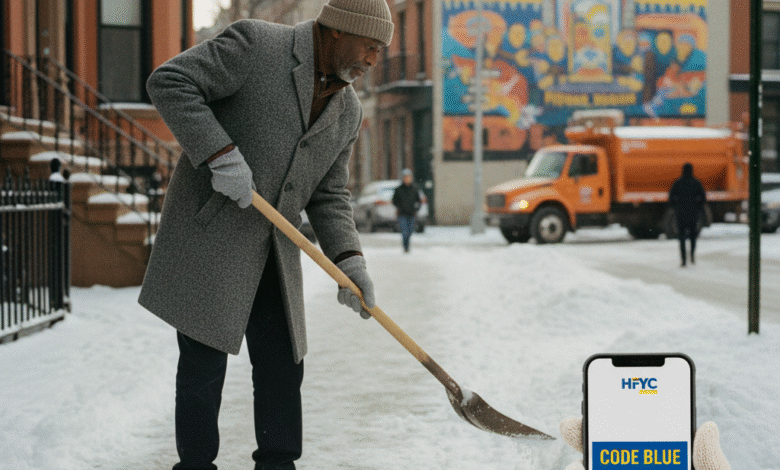
Salt, Shovels, and Statutes: Winter Readiness 2026 in Newark and Brooklyn
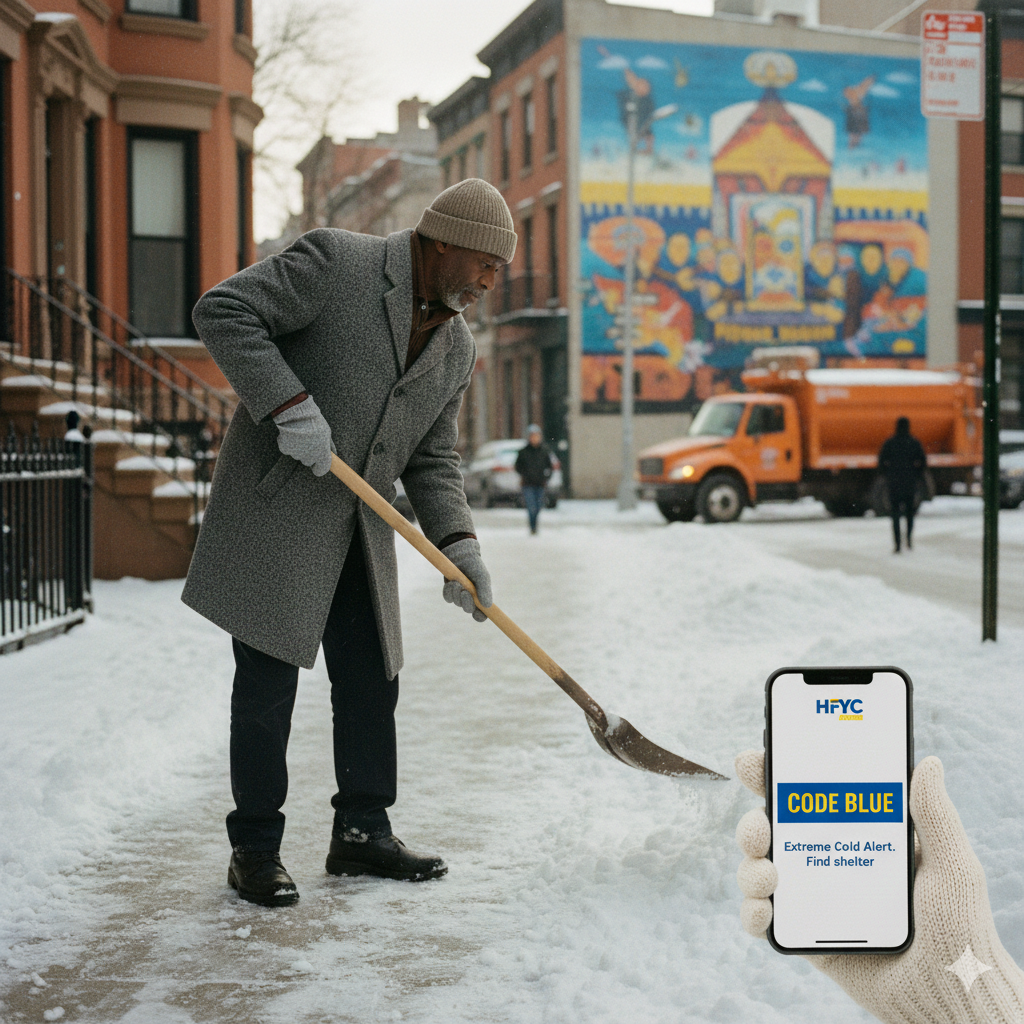
Winter doesn’t just test patience — it tests government. As Winter Readiness 2026 approaches, Newark and Brooklyn are rewriting how snow response works, who gets served first, and where responsibility begins and ends. From multi-million-dollar salt contracts in New Jersey to equity-driven plowing reforms in New York, this season reveals how deeply infrastructure, class, and policy intersect. What looks like snow on the sidewalk is, underneath, a civic blueprint.
Newark’s Winter Strategy: Contracts, Compliance, and Consequences
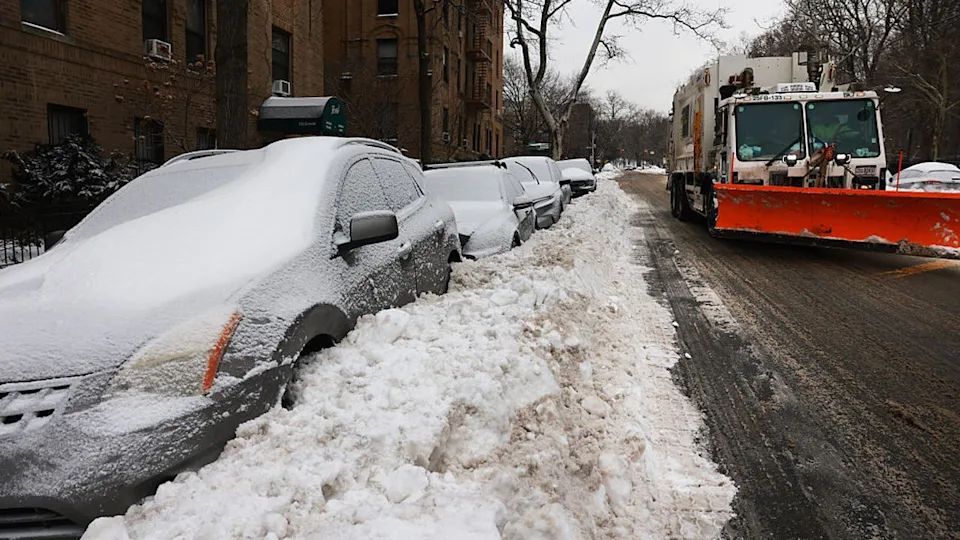
In Newark, winter readiness starts with money and muscle. The city is preparing to authorize more than $3.6 million in contracts covering rock salt supplies and portable salt conveyor equipment — a move city officials describe as essential for maintaining passable streets during prolonged storms.
For the administration led by Ras Baraka, the message has been consistent: snow response is a public safety issue, not a seasonal inconvenience. Delayed plowing affects emergency vehicles, NJ Transit access, sanitation schedules, and school reopening timelines.
But Newark’s strategy also leans heavily on resident compliance. City code makes it illegal to shovel snow into the street — a practice that can block plows and create refreeze hazards. Violations can result in fines of up to $1,000, a penalty that disproportionately impacts residents without access to private snow removal.
Sidewalk Responsibility in Newark
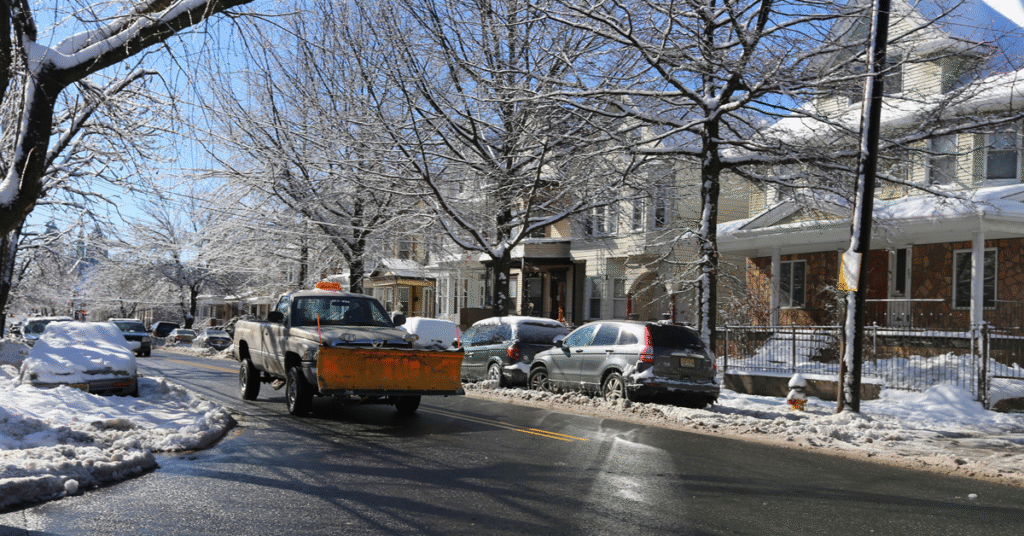
Property owners and tenants remain responsible for clearing sidewalks adjacent to their homes or businesses within city-mandated timeframes (specific hour thresholds vary by storm conditions). Enforcement historically spikes after major storms, especially in commercial corridors and high-foot-traffic areas.
To fill labor gaps, Newark continues to rely on temporary emergency labor crews — often referred to locally as “Minutemen” — typically paid around $19/hour (rate subject to seasonal contracts). These workers become the city’s pressure valve when storms overwhelm standard DPW capacity.
Brooklyn’s “Snow Equity” Shift: Ending the Priority Divide
Across the river, Brooklyn’s winter conversation has taken a sharper equity turn.
Under the 2025–2026 Borough Snow Plan, the New York City Department of Sanitation officially retired the old plowing hierarchy that prioritized highways and Manhattan arteries over residential streets. In its place: “BladeRunner 2.0,” a routing system designed to deploy plows across all neighborhoods simultaneously.
For communities in Flatbush, Crown Heights, and Bed-Stuy — areas historically cleared last — the policy change is more than technical. It’s an acknowledgment that delayed plowing compounds economic and racial inequities, especially for essential workers and seniors.

The “4-14-11” Rule Every Brooklyn Property Owner Must Know
While the city handles streets, sidewalk responsibility remains strict and personal:
- Snow stops 7 AM–5 PM: 4 hours to clear a 4-foot-wide path
- Snow stops 5 PM–9 PM: 14 hours
- Snow stops overnight: Must be cleared by 11 AM
Failure to comply can result in $100–$250 fines, escalating with repeat offenses.
For many small landlords and long-time homeowners, especially seniors, these rules are a logistical burden — not a refusal of civic duty.
The Shared Tension: Gentrification, Labor, and Who Gets Help
Despite different approaches, Newark and Brooklyn share the same unresolved tension.
Newer developments often contract private snow removal services before the first flake falls. Long-time residents — especially in Newark’s Central Ward or Brooklyn’s Flatbush corridor — rely on city programs, informal community help, or emergency shovelers hired during declared snow events.
In New York, these workers are often called Emergency Shovelers. In Newark, they’re seasonal labor crews. In both cities, they are temporary, under-recognized, and essential — the human infrastructure that keeps cities functional when systems strain.
Winter readiness, in practice, exposes where investment has flowed — and where it hasn’t.
What Winter Readiness 2026 Signals Going Forward
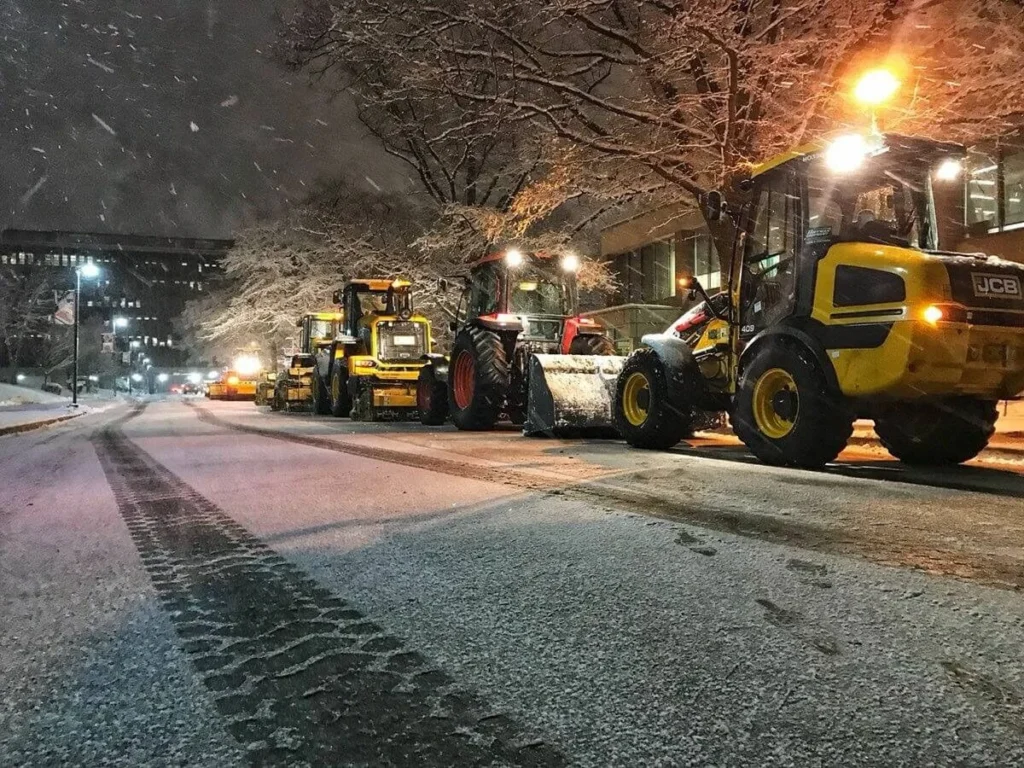
Snow policy is no longer just about plows and salt. It’s about equitable service delivery, aging infrastructure, and clear civic expectations.
Newark’s contract-driven model prioritizes preparedness but leans heavily on enforcement. Brooklyn’s equity-based routing corrects historic neglect but shifts responsibility sharply onto property owners. Neither approach fully resolves the needs of elderly residents, disabled tenants, or low-income homeowners caught between rules and reality.
The next evolution of winter readiness may not come from bigger budgets or smarter software — but from clearer coordination between city services, community programs, and neighborhood-level support.
Key Takeaways
- Winter readiness policies reveal deeper priorities about equity, enforcement, and infrastructure investment.
- Newark emphasizes contractual preparedness and resident compliance, backed by strict fines.
- Brooklyn’s Snow Equity reforms aim to eliminate historic service delays in residential neighborhoods.
- Sidewalk clearing rules in both cities place significant responsibility on individual property owners.
- Temporary snow labor remains a critical but fragile piece of urban winter response systems.
HfYC Poll of the Day
Follow us and respond on social media, drop some comments on the article, or write your own perspective!
Who should be responsible for clearing sidewalks for elderly residents during a Code Blue winter emergency?
Poll Question Perspectives
- Should cities fund permanent neighborhood snow-assistance programs for seniors?
- Are snow-clearing fines fair in communities with aging homeowners?
- Is winter response a public service — or an individual responsibility?
Related HfYC Content
- The Digital Snow Day: Is Remote Learning Failing Newark’s Families?
- Winter is Coming – How Black Communities Can Prepare for Winter Storms
- $970M Newark Budget Plan Raises Painful Tax Concerns
- Brooklyn’s Cost of Living Crisis – Who Gets to Stay, Who’s Being Pushed Out?
- The Frontlines: Navigating Systemic Challenges in Black Brooklyn
- 11 PM in Newark: Safety, Freedom, and the Generation Caught in the Middle
Other Related Content – Official Municipal / Civic Resources
- NYC Department of Sanitation — Snow Operations Overview
👉 https://www1.nyc.gov/assets/dsny/site/services/snow-and-ice-removal - City of Newark — Department of Public Works Winter Preparedness
👉 https://www.newarknj.gov/departments/public-works - AARP — Winter Weather Safety Tips for Older Adults
👉 https://www.aarp.org/home-family/adult-life/info-2019/winter-weather-safety-tips.html - National League of Cities — Extreme Weather & Municipal Equity
👉 https://www.nlc.org/resource/extreme-weather-and-community-equity/