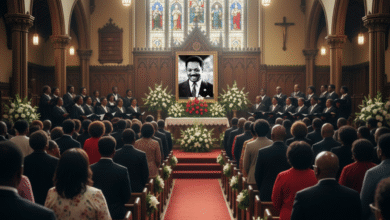
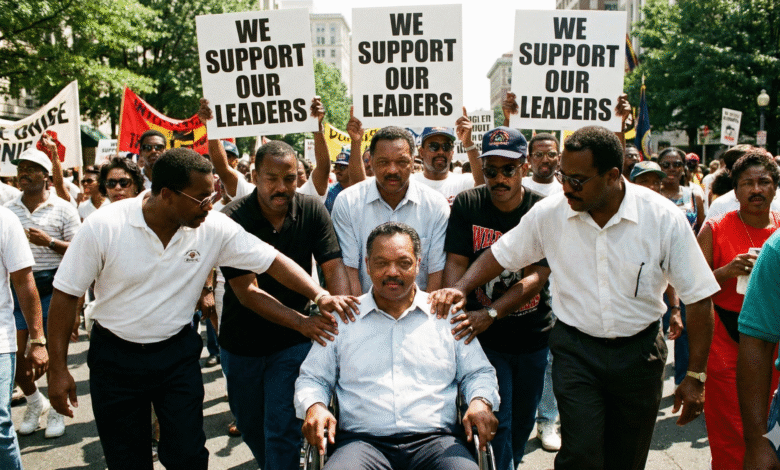
Rev. Jesse Jackson Hospitalized this week and it is not just a health update—it’s a mirror. At 84, as one of the most recognizable architects of modern Black political power undergoes treatment for a rare neurological disease, the question facing Black America is uncomfortable but unavoidable: What happens to our leaders once the movement no longer needs their voice every day—but they still need us?
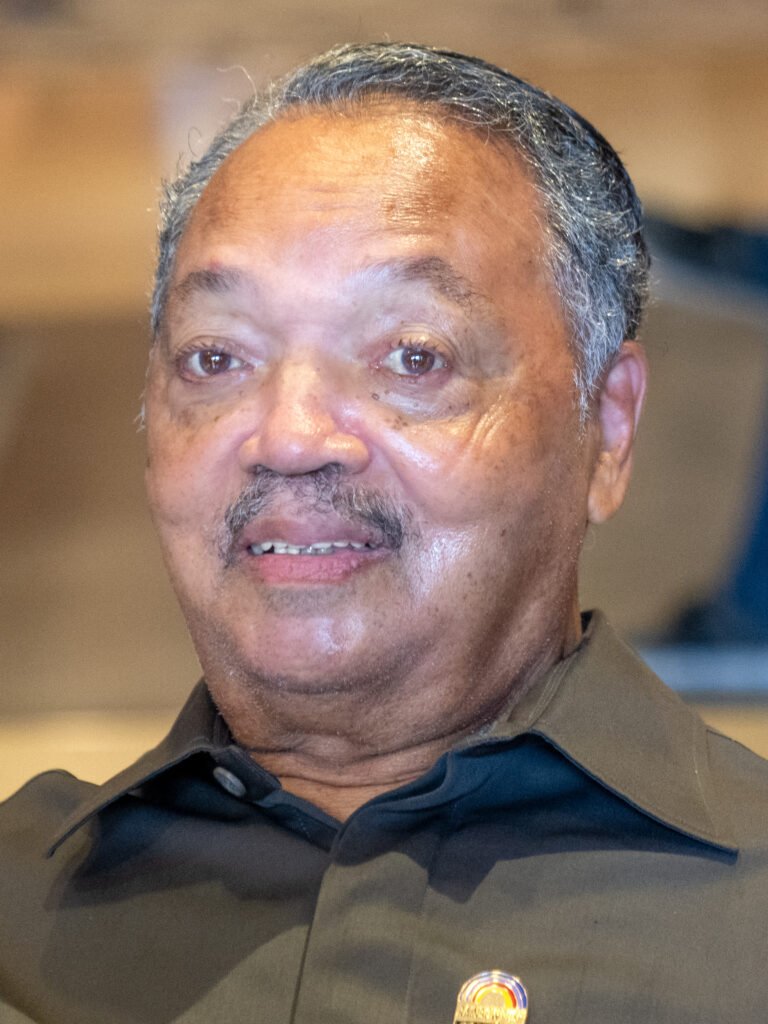
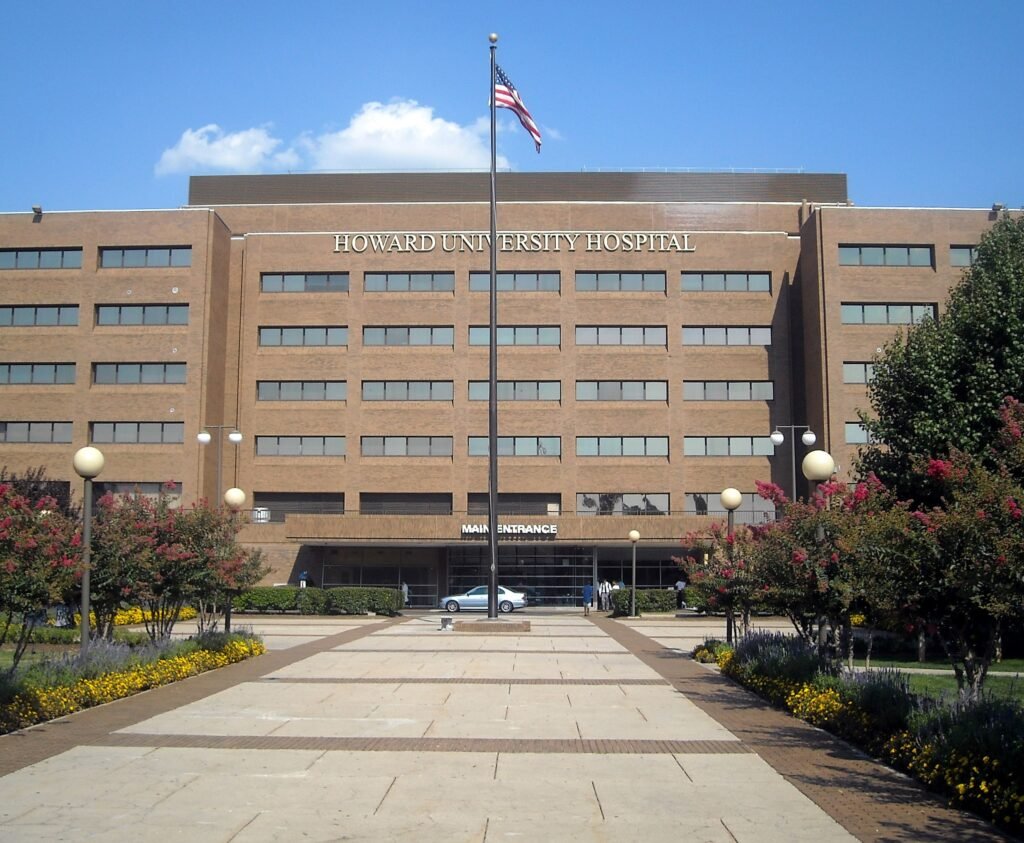
THE Rev. Jesse Jackson, a towering figure in the modern civil-rights movement, was admitted to a Washington, D.C., hospital Wednesday night as doctors continue monitoring the progression of a rare neurological disorder that has reshaped his later years. At 84, Jackson’s hospitalization underscores not only the physical toll of progressive supranuclear palsy, but also the quiet, human vulnerability behind one of America’s most enduring public lives.
The Rainbow PUSH Coalition, the organization Jackson founded in the 1970s, confirmed the admission in a brief statement, noting that his family “appreciates all prayers at this time.”
A Diagnosis Revisited — and Redefined
Jackson first went public with a Parkinson’s disease diagnosis in 2017, calling the news “painful” while committing to intensified physical therapy. For years, that diagnosis shaped public understanding of his declining mobility and speech.
In April 2024, however, doctors revised their assessment, confirming that Jackson has progressive supranuclear palsy (PSP)—a rare neurodegenerative disorder often misdiagnosed as Parkinson’s in its early stages. While the two conditions can share tremor-related symptoms, PSP is caused by deterioration of brainstem neurons that regulate balance, eye movement, swallowing, and cognition.
According to the National Institute of Neurological Disorders and Stroke, PSP typically emerges in a person’s 60s and often leads to significant disability within three to five years of diagnosis.
The illness has now progressed to the point where Jackson requires close monitoring of blood pressure and mobility—prompting his current hospitalization. What remains unclear is whether Parkinson’s is still being treated alongside PSP. That uncertainty itself reflects how fragile even well-known elders can become once public life recedes.
What Doctors Haven’t Clarified — and Why That Matters
Jackson’s medical team has not publicly clarified whether he continues to manage both Parkinson’s and PSP, or whether the newer diagnosis fully replaces the earlier one. That ambiguity reflects a broader reality: PSP remains poorly understood, even within clinical settings, and definitive answers often arrive late.
What is clear is that Jackson’s condition has progressed enough to require close monitoring of blood pressure and mobility—factors that led to his current hospital admission for observation and treatment.
For families navigating PSP, this uncertainty is often as destabilizing as the physical symptoms themselves.
A Public Legacy, a Private Battle
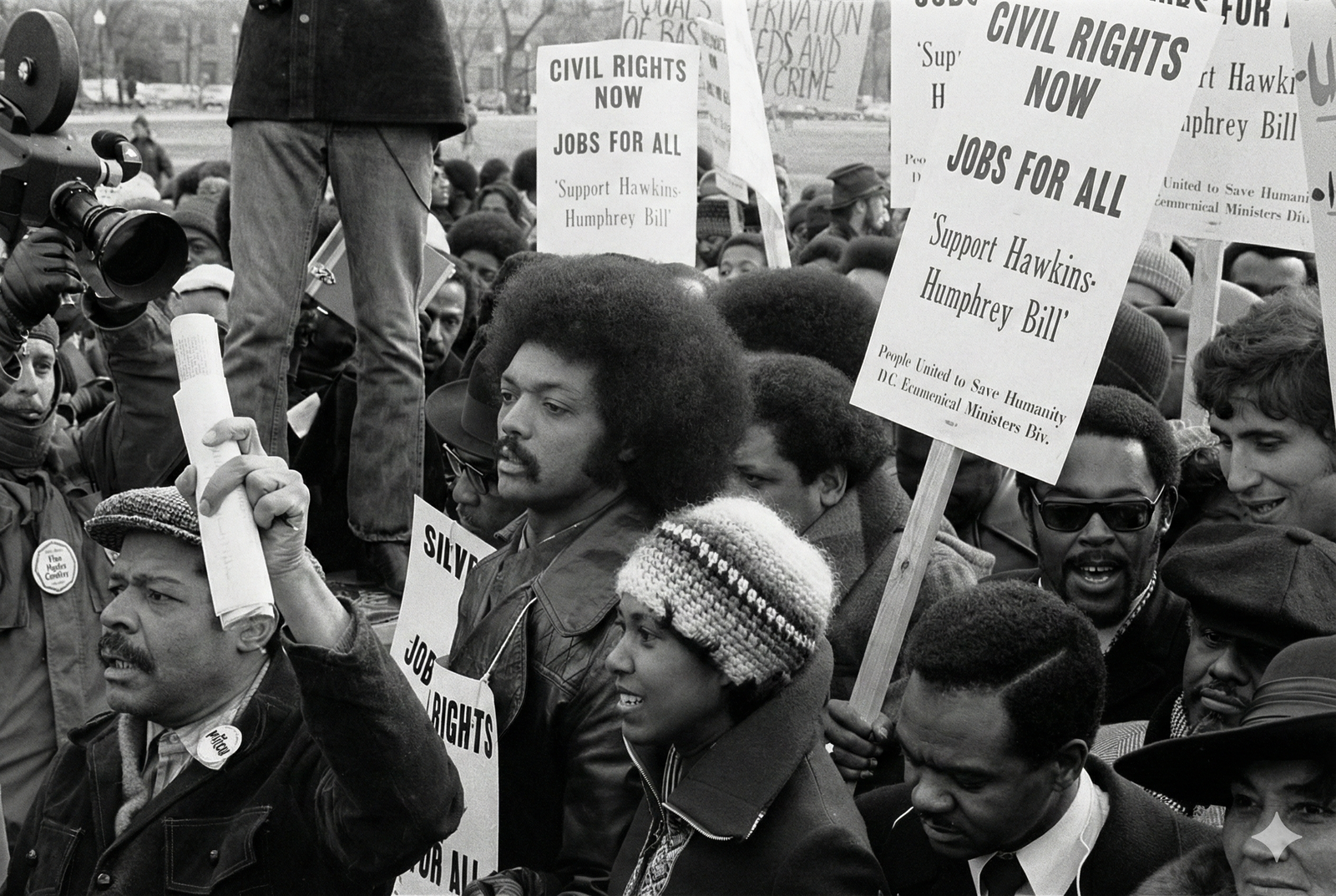
For decades, Jesse Jackson’s presence was inseparable from marches, microphones, and moments of moral confrontation—from labor rights to presidential campaigns to global diplomacy. His illness has gradually removed him from public view, but not from public memory.
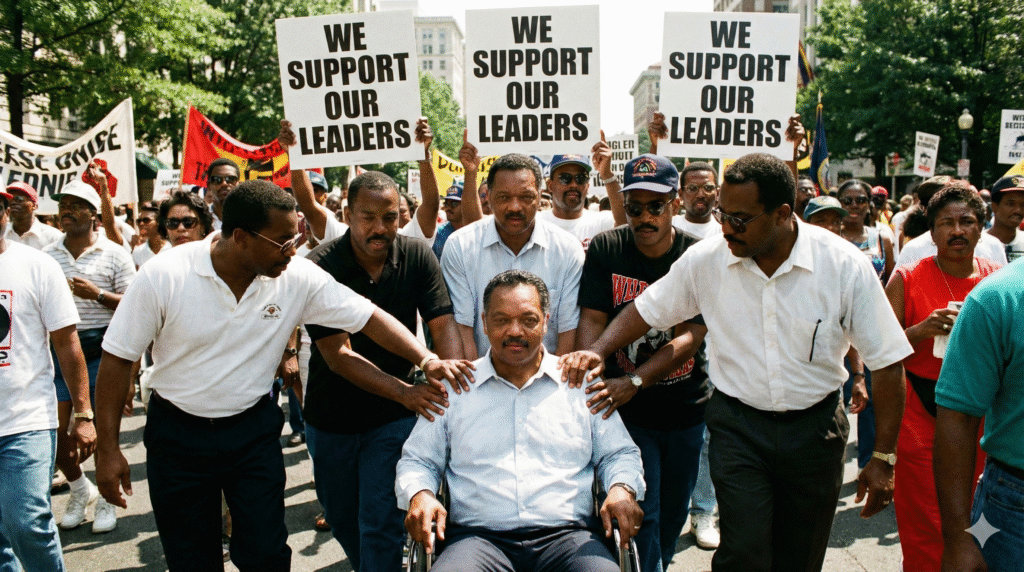
Within Black communities especially, Jackson’s health journey has prompted reflection on how aging civil-rights leaders are supported, remembered, and humanized once the cameras turn away.
This moment is less about spectacle than about reckoning—with illness, with time, and with the reality that even giants eventually need care.
The Pattern We Don’t Like to Name
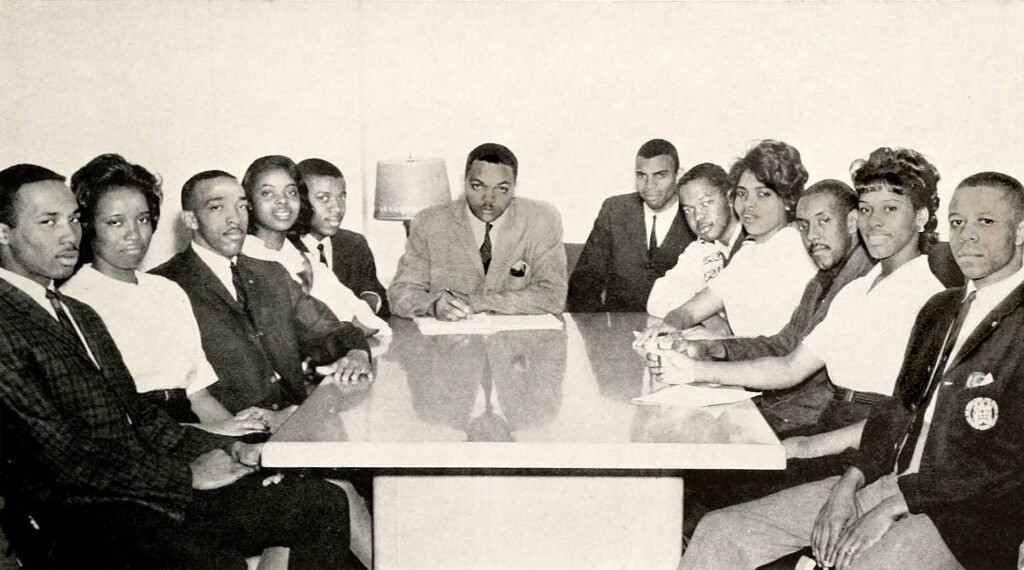
Jackson’s situation is not unique. Black America has a long history of celebrating its leaders in their prime and abandoning them in their decline—not out of malice, but out of disorganization.
We rally for movements.
We fund protests.
We quote speeches.
But we rarely build care infrastructures for the people who carried those movements on their backs.
Too often, elder civil-rights leaders are expected to:
- Fundraise for themselves
- Navigate complex healthcare systems alone
- Fade quietly to avoid being seen as burdens
- Be remembered symbolically rather than supported materially
This is not a personal failure. It is a collective systems failure.

What Supporting Our Elders Actually Means
Supporting aging civil-rights leaders is not about pity, nor is it about hero worship. It’s about continuity.
Real support looks like:
- Transparent elder-care funds tied to movement organizations
- Health advocacy teams that understand neurological and chronic illness
- Clear succession planning so elders are not forced to “perform strength” indefinitely
- Cultural permission for leaders to rest without disappearing
It also means shifting how we define leadership. If relevance is measured only by visibility, then aging becomes exile. If leadership includes wisdom, counsel, and legacy stewardship, then aging becomes a different kind of power.
Jesse Jackson as a Living Question, Not a Closing Chapter

Rev. Jesse Jackson is still alive. His story is still unfolding. That matters.
Too often, Black America only has these conversations once someone is gone—when accountability is abstract and urgency is symbolic. Jackson’s hospitalization forces the conversation now, while responsibility is still actionable.
This moment is not about what Jackson gave. That record is already written.
It’s about what we are willing to build so that the next generation of movement leaders does not face old age alone, quietly, or unsupported once the cameras move on.
Key Takeaways
- Rev. Jesse Jackson’s hospitalization highlights the physical vulnerability of aging civil-rights leaders.
- Progressive supranuclear palsy is a rare, often misunderstood neurological condition with serious long-term impacts.
- Black America lacks formal systems to support elder movement leaders once public life fades.
- Caring for elders is not charity—it is movement continuity and moral accountability.
HfYC Poll of the Day
Follow us and respond on social media, drop some comments on the article, or write your own perspective!
How should America support aging civil-rights leaders once public life fades?
Poll Question Perspectives
What responsibility do institutions have to care for movement leaders in their later years?
Are we prepared for a future without the living icons of the civil-rights era?
Should more attention be given to neurological illnesses affecting Black elders?
Related HfYC Content
- The ‘No Kings’ Protest Is Here. Are We Joining, or Are We Tired?
- The Enduring Foundation: How New Jersey’s Black Churches Fueled a Movement and What That Means for Us Today
- Little White Lies: The History of the “Welfare Queen” Stereotype
Other Related Content
- National Institute of Neurological Disorders and Stroke – PSP overview
Progressive Supranuclear Palsy (PSP) — NINDS health info page — authoritative guide on symptoms, causes, and differences from Parkinson’s disease. - Rainbow PUSH Coalition official statement on Jackson’s hospitalization
Statement Regarding Rev. Jesse L. Jackson Sr.’s Hospitalization — Rainbow PUSH Coalition press release — the organization’s confirmed announcement of his hospital admission. - Rainbow/PUSH (Wikipedia)
Rainbow/PUSH — organization founded by Jesse Jackson (history & mission) — contextual background on the civil-rights organization mentioned.
References
National Institute of Neurological Disorders and Stroke. (n.d.). Progressive supranuclear palsy. U.S. Department of Health and Human Services.
Rainbow PUSH Coalition. (2026). Statement on the hospitalization of Rev. Jesse L. Jackson, Sr.