International Women’s Day 2026: Why Black Women Must Be Central
International Women’s Day always sparks celebration, but the deeper question is whether the attention turns into real change. In 2026, the global conversation centers on justice, accountability, and investment in women’s futures. For communities in Newark, Jersey City, and Brooklyn, the stakes are especially clear: Black women have long carried the economic, cultural, and civic backbone of these neighborhoods. The question this year isn’t just recognition — it’s whether the systems around them will finally match their contributions.
The Roots of International Women’s Day: From Labor Protest to Global Movement
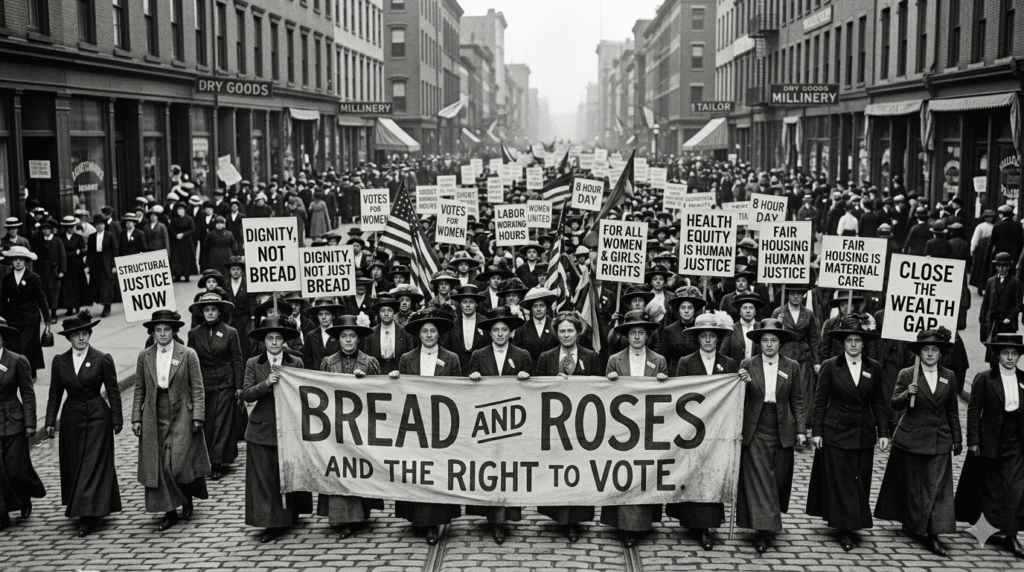
The modern observance of International Women’s Day traces back to a series of early labor movements advocating for dignity, safety, and economic justice.
One of the most influential moments occurred in 1908 in New York City, when roughly 15,000 women marched through the streets demanding better pay, shorter working hours, and the right to vote.
The protest embodied the slogan “Bread and Roses” — a demand not only for economic survival (bread) but also dignity and quality of life (roses).
But for Black women in the Northeast, the struggle began even earlier.
Across the Tri-state area, Black women organized mutual aid societies, church-based economic cooperatives, and informal labor networks to support domestic workers who were excluded from early labor protections. Their organizing laid the groundwork for the broader justice movements that would eventually lead to milestones like:
- The 19th Amendment, granting women the right to vote in 1920
- Expanded workplace protections for women
- Family leave and labor protections
In New Jersey, later reforms like the expansion of the Paid Family Leave Act disproportionately benefited Black women, many of whom serve as primary income earners within their households.
The historical lesson is clear: movements led by women have often reshaped the entire civic landscape.
The 2026 Themes: Justice and the Multiplier Effect

International Women’s Day in 2026 is organized around two major themes.
UN Women Theme: “Rights. Justice. Action. For ALL Women and Girls”
This theme emphasizes structural accountability — the idea that awareness alone is not enough.
The focus is on dismantling legal, economic, and social barriers that prevent women from accessing justice and opportunity.
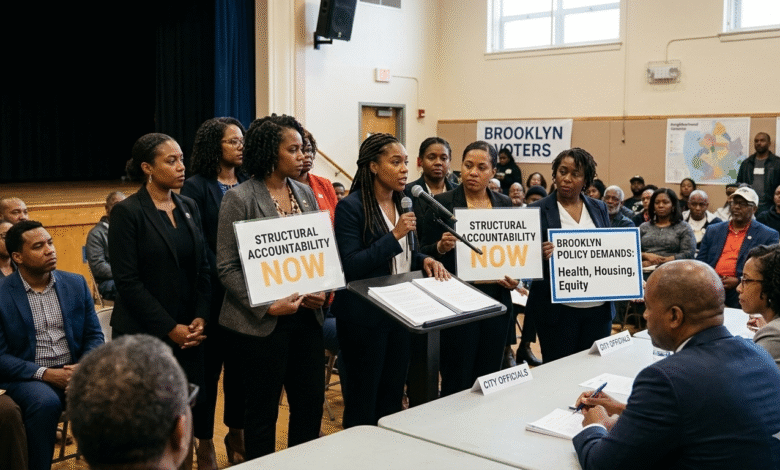
For cities like Newark and Brooklyn, this translates into real policy debates around:
- maternal health equity
- reproductive justice
- economic opportunity
- fair housing and anti-displacement protections
Global Campaign Theme: “Give to Gain”
The global campaign centers on the multiplier effect of investing in women.
The premise is simple: when communities invest time, capital, and mentorship into women, the benefits ripple outward — strengthening families, businesses, and neighborhoods.
For Black communities, this multiplier effect has long been visible.
Research consistently shows that Black women reinvest heavily in their families and local economies, meaning the impact of their success extends well beyond individual achievement.
The Justice Pillar: Why Structural Accountability Matters
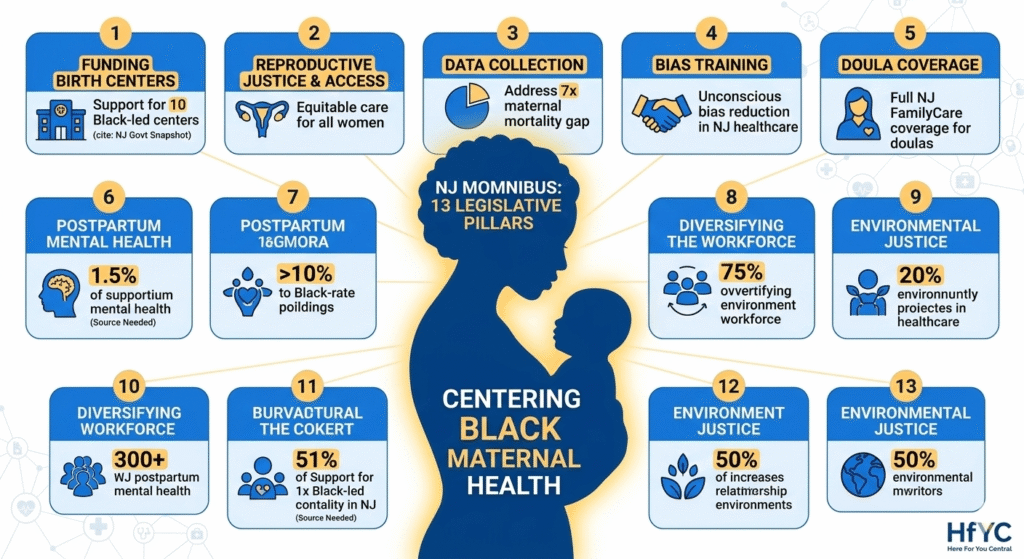
In New Jersey, maternal health disparities remain one of the most urgent issues tied to women’s rights and justice.
Public health data has shown that Black mothers face significantly higher maternal mortality risks compared with white mothers.
This crisis has led to growing attention on community-based solutions, including:
- Black-led birthing centers
- Doula programs supporting mothers through pregnancy and childbirth
- Expanded postpartum care
Several initiatives in New Jersey have been pushing systemic reforms to address these disparities.
Organizations Driving the Work
Perinatal Health Equity Initiative (Newark / East Orange)
Focus: maternal health advocacy and community-based support for Black mothers.
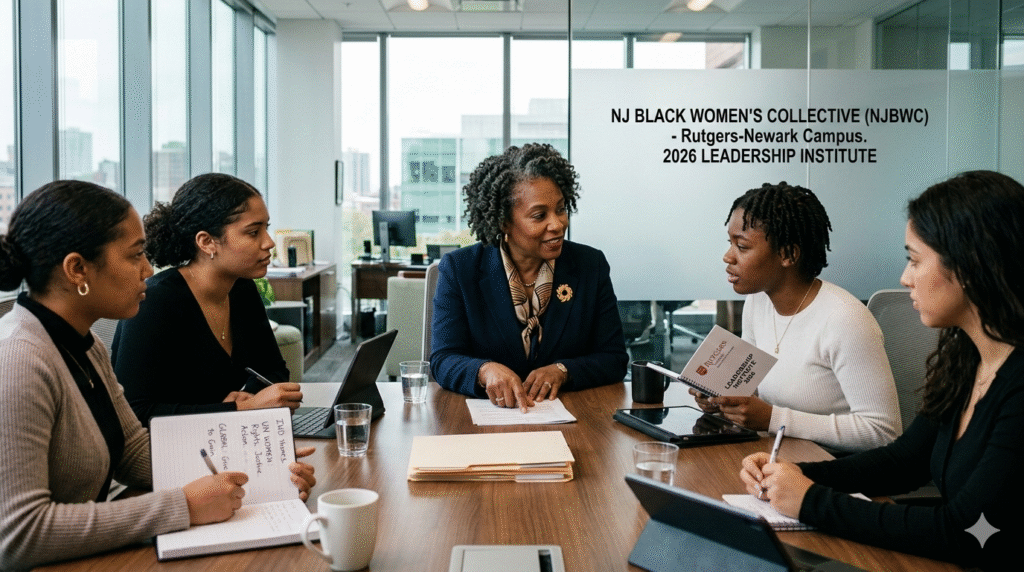
New Jersey Black Women’s Collective (NJBWC)
Focus: leadership development, civic engagement, and economic advancement for Black women statewide.
Girls for Gender Equity (Brooklyn)
Focus: youth leadership and policy advocacy, particularly addressing gender justice and education inequities affecting Black girls.
In the policy space, First Lady Tammy Murphy’s Nurture NJ initiative has also pushed a statewide effort to reduce maternal mortality and improve infant health outcomes.
The broader message behind the “Justice” pillar is that improving outcomes for women requires structural changes — not just cultural recognition.
The Multiplier Effect: The “Give to Gain” Economy
The second theme of International Women’s Day focuses on economic reciprocity.
The “Give to Gain” philosophy recognizes a reality many Black communities already understand: when Black women succeed economically, entire neighborhoods benefit.
Examples are visible across both Newark and Brooklyn.
Mentorship Ecosystems



Entrepreneur mentorship circles in Brooklyn often connect established founders with Gen Z creatives working in digital media, fashion, or tech.
These informal support systems function as economic accelerators, helping young entrepreneurs avoid costly mistakes and access opportunities.
Community Economic Flow
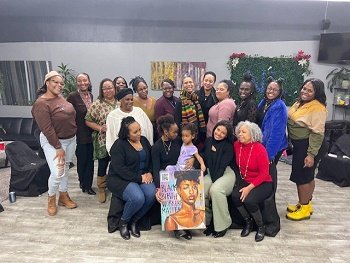
When a Black woman-owned business wins a contract or expands operations, the economic benefits tend to circulate locally through:
- neighborhood hiring
- youth mentorship programs
- community sponsorships
- reinvestment in local institutions
This “economic circulation” is a key reason advocates emphasize investing in women-led businesses and leadership pipelines.
Critical Issues to Watch in 2026
While the celebration of women’s leadership is important, several high-stakes policy debates will shape whether the themes of justice and investment translate into real change.
1. Maternal Health Legislation

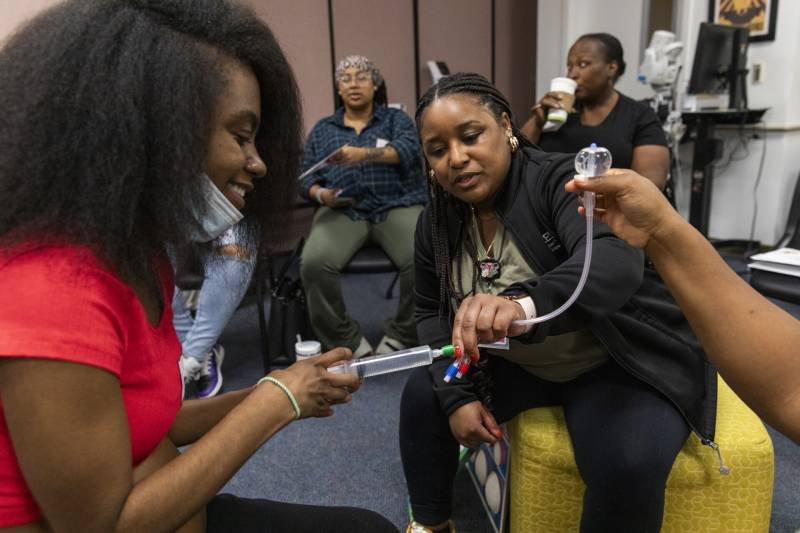
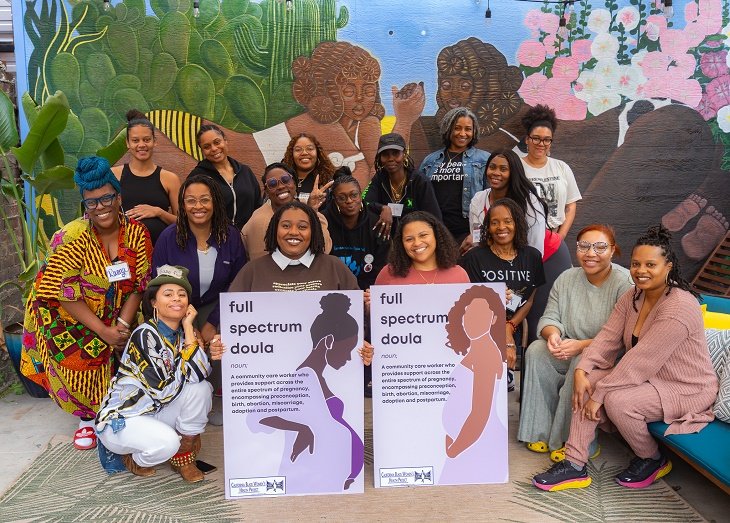
Advocates continue to push federal and state action addressing maternal health disparities, including legislation commonly referred to as the Black Maternal Health Momnibus Act.
Supporters argue that investments in housing, nutrition, and community health workers are essential to reducing preventable maternal deaths.
2. Financial Mastery and Generational Wealth
Many Black women’s organizations are expanding programs beyond basic financial literacy toward wealth-building strategies, including:
- estate planning
- investment education
- business capital access
These strategies aim to prevent generational wealth loss and protect families from displacement in rapidly changing urban housing markets.
3. Civic and Economic Participation
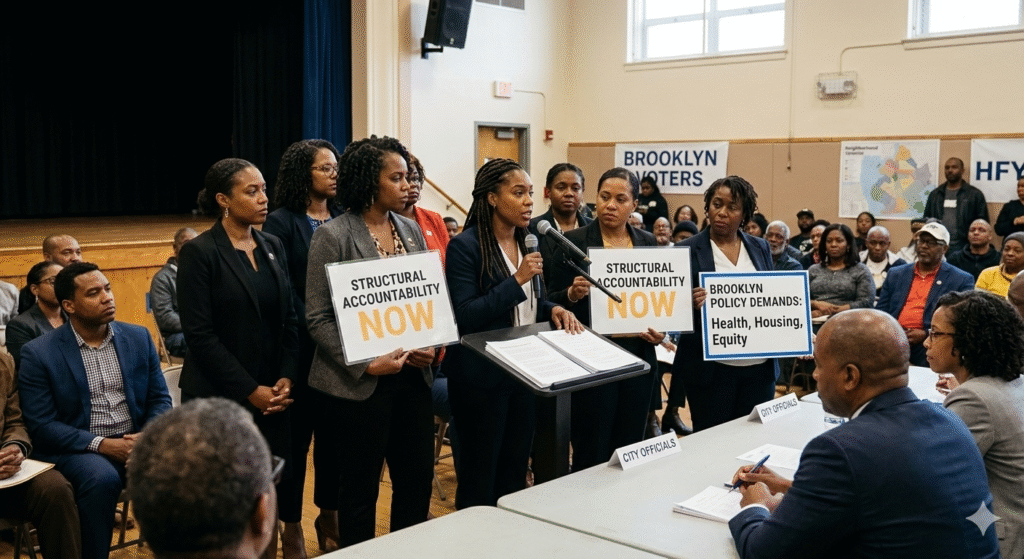
Movements connected to economic justice — including campaigns advocating for living wages, fair housing, and equitable public investment — increasingly rely on the leadership of Black women.
Historically, women have been the organizers behind many of the community institutions that sustain neighborhoods during economic shifts.
What This Moment Means for Newark and Brooklyn
International Women’s Day often highlights global progress, but its real impact is felt at the local level.
In cities like Newark and Brooklyn, the themes of justice and investment intersect with everyday issues:
- housing affordability
- entrepreneurship opportunities
- healthcare access
- civic leadership
If the 2026 themes translate into sustained policy pressure and community investment, the result could be increased funding for women-led initiatives and stronger leadership pipelines.
If not, the risk is that powerful ideas like “Give to Gain” remain slogans rather than systems.
Key Takeaways
- International Women’s Day began as a labor and voting rights movement rooted in early 20th-century activism.
- The 2026 themes emphasize structural justice and investment in women’s leadership.
- Maternal health equity remains a critical issue affecting Black women in New Jersey.
- Mentorship networks and women-led businesses create a multiplier effect in local economies.
- Ensuring Black women are included in policy decisions and investment strategies will shape whether the movement delivers real results.
HfYC Poll of the Day
Follow us and respond on social media, drop some comments on the article, or write your own perspective!
Do you believe the “Give to Gain” philosophy is visible in your neighborhood, or is the community still waiting for the “Gain”?
Poll Question Perspectives
- Do you see real investment in Black women’s leadership in your city?
- Are mentorship and economic opportunities for women improving in Newark and Brooklyn?
- Is International Women’s Day creating real change, or mostly symbolic recognition?
Related HfYC Content
- Newark Maternal Health Disparities 2026: Closing the Prevention Gap
- Saving Our Mothers: NJ’s Push to End the Black Maternal Health Crisis
- The Silent Crisis: Economic and Social Impact of 300,000 Job Losses Among Black Women
- Nicki Minaj, Trump, and Black Women Political Weaponization
Other Related Content
- UN Women — International Women’s Day Global Theme
- https://www.unwomen.org/en/get-involved/international-womens-day
- National Partnership for Women & Families — Black Maternal Health Crisis
- https://nationalpartnership.org/report/black-womens-maternal-health/
- Rutgers Center for Women and Work — Women and Economic Equity
- https://cww.rutgers.edu/
- Brookings Institution — Women’s Economic Mobility Research – https://www.brookings.edu/topic/women/