Black Student Safety at NYU: Student Activism and the Future
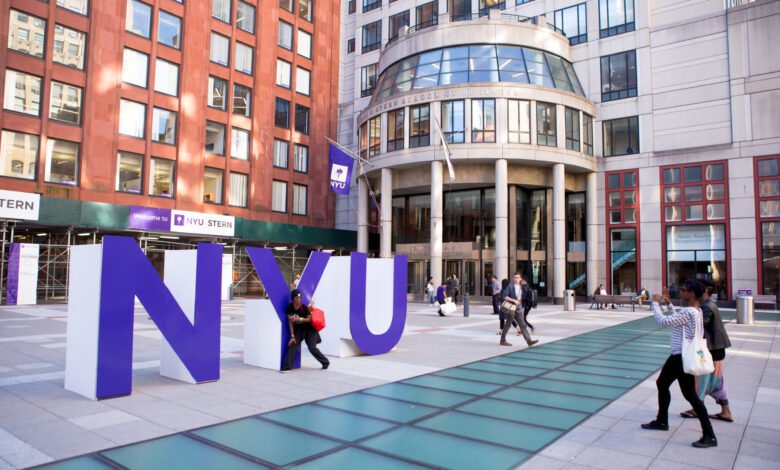
When you talk to black NYU students on the ground at New York University right now, one phrase keeps coming up: Black student safety. Not as an abstract principle or a diversity slogan, but as a daily concern that shapes how students move through campus, attend class, and even decide whether to show up at all.
In the wake of explicit racist threats targeting Black students at NYU this fall, student organizers have been clear: the university cannot keep bragging about global prestige while Black students feel unsafe, underrepresented, and unsupported. At the center of this push is the NYU Student Government Assembly (SGA), which is calling for stronger safeguards, real accountability, and intentional recruitment in predominantly Black communities to reverse a sharp decline in Black enrollment.
This is not just a campus story. It’s part of a national crisis in Black student enrollment and campus climate after the Supreme Court’s affirmative action ban — and it’s a test of whether colleges will protect Black students in more than name only.
When Safety Becomes a Daily Question, Not a Policy Line
For many Black students at NYU, the turning point wasn’t a policy memo or a new initiative. It was an email.
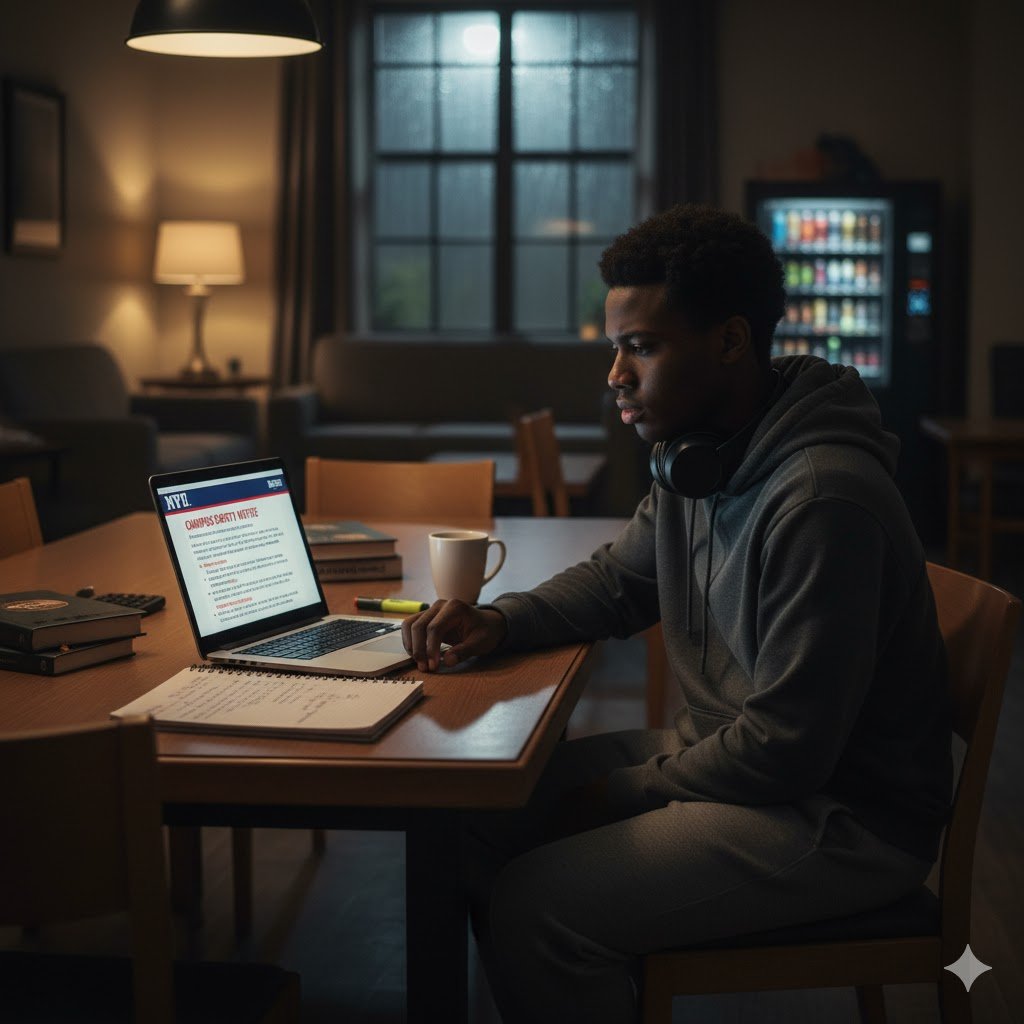
In early fall, campus inboxes received a racist manifesto-style message threatening violence against Black students and using explicit slurs. The email named NYU alongside other campuses and specifically targeted Black students with threats of gun violence. For students already carrying the weight of being underrepresented in classrooms, dorms, and social spaces, the message didn’t just feel like a hate crime — it felt like a confirmation of a fear they’d been quietly managing for years.
Some students say they started mapping “exit routes” in lecture halls, avoiding late-night study sessions, or opting out of events entirely. Others describe a constant low-level anxiety that spikes whenever a “security alert” hits their phone. Safety became something they had to actively strategize, not something they could assume.
This is what Black student safety really looks like in practice: not just campus patrols and keycards, but the emotional tax of calculating risk in spaces that were supposed to be about learning and possibility.
Declining Black Enrollment — A Crisis Behind the Numbers
At the same time that threats are intensifying, Black student enrollment at elite universities is dropping in the aftermath of the Supreme Court’s 2023 ruling banning race-conscious admissions. Nationally, new analyses show sharp declines in the share of Black first-year students at highly selective institutions — with some campuses seeing drops of nearly half their previous Black freshman enrollment.
NYU is part of that trend. For the first class admitted after the affirmative action ban, Black enrollment fell from 7% to 4%, and overall representation of “historically underrepresented minorities” dropped from 23% to 14%. That shift doesn’t just change how the campus looks. It changes who students see in group projects, who’s represented in student leadership, whose experiences shape classroom discussions, and who gets to feel like they belong.
For younger Black students watching from high school, it sends a message: these campuses might be becoming less accessible, less welcoming, and less safe — just as higher education has become more expensive and more policed.
Cross-generationally, this feels like déjà vu. Elders who fought for integration, open admissions, and Black Studies departments in the 1960s and 1970s are now watching representation slip backward. They remember when single-digit Black enrollment was the norm at “elite” schools. Many are asking: How did we end up back here?
Student Government Steps Up — and Turns Pain into Policy
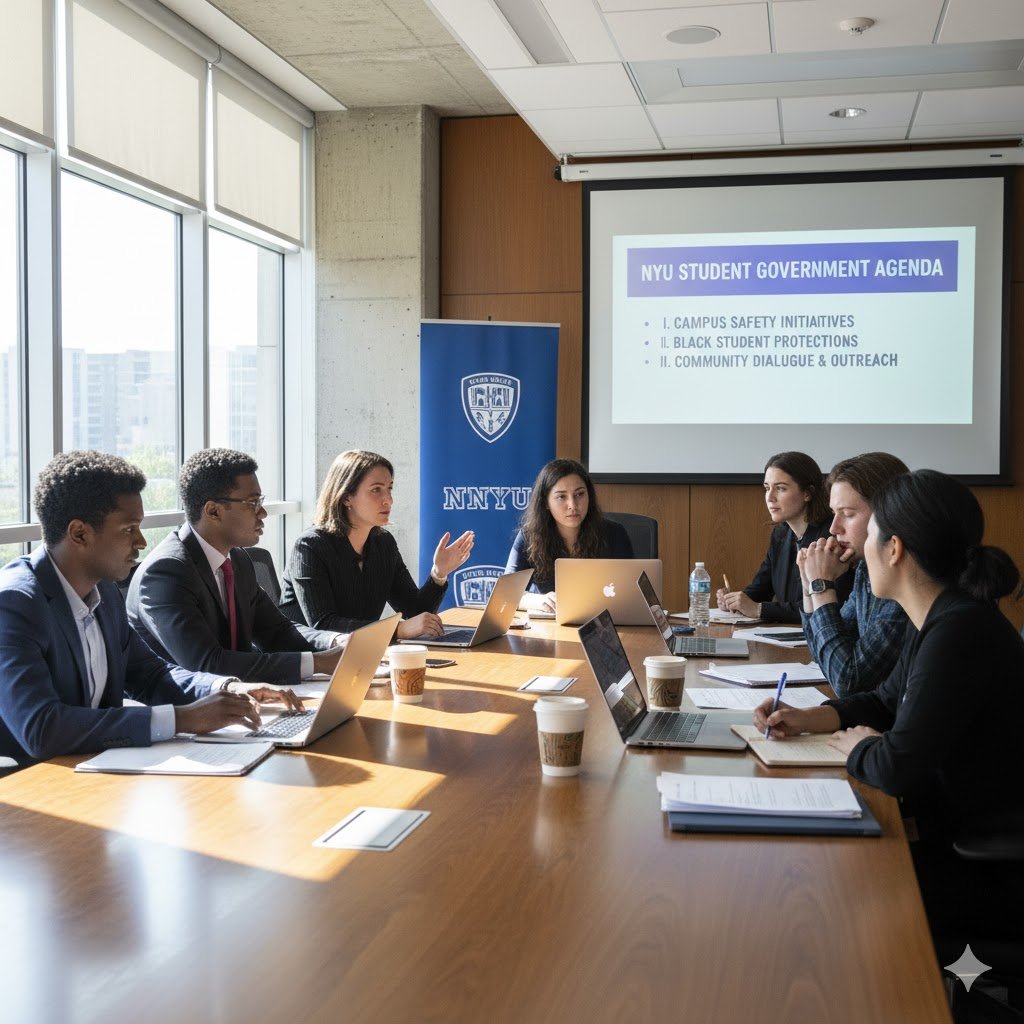
In response, NYU’s Student Government Assembly has moved from group chat frustration to public, organized advocacy. Student leaders are pushing the university to treat Black student safety as an urgent institutional priority, not a PR problem.
Their demands, as described by students and organizers, fall into a few key buckets:
First, they want concrete safety measures tailored to Black students’ actual experiences — not just more cameras or vague promises of “enhanced security.” That means transparent communication when threats occur, culturally competent counseling services that understand racialized trauma, and clear protocols that don’t leave students guessing about what the administration is actually doing.
Second, they’re demanding proactive recruitment and support in predominantly Black communities — in New York City and nationally. With Black enrollment at NYU and other elite schools dropping post–affirmative action, students want the university to actively invest in pipeline programs, partnerships with Black-serving high schools and community organizations, and admissions strategies that reach students who might otherwise never see NYU as an option.
Third, they’re calling for institutional accountability: clear data on admissions and retention, regular reporting on bias incidents, and real consequences when departments, programs, or individuals create hostile environments for Black students.
Younger organizers especially are framing this moment as more than a DEI conversation. For them, it’s about survival and dignity — about the right to exist on campus without feeling targeted, under surveillance, or replaceable.
Youth Activism as Campus Infrastructure, Not a Trend
If you sit in on SGA meetings, Black Student Union gatherings, or informal organizing circles, you can hear a new type of student politics taking shape.
Today’s Black students are part of a generation that grew up on viral videos of police violence, school lockdown drills, and online harassment. They watched protests from Ferguson to Minneapolis, from campus encampments to city hall steps. So when they talk about “safety,” they’re talking about much more than emergency alerts.
They’re talking about:
- walking home from late-night rehearsals without fear,
- knowing their presence in class doesn’t stand in for an entire race,
- having professors who take anti-Black incidents seriously,
- and being able to organize without being treated as a threat.
For many of them, activism is not an extracurricular — it’s a form of self-defense and community care. They organize healing circles, peer support groups, mutual-aid funds for classmates, and study collectives that double as safety nets. Older alumni recognize echoes of their own student struggles, but they’re also struck by the digital sophistication and speed of today’s organizing.
What’s new is how deeply mental health, physical safety, and academic equity are braided together. Students aren’t just asking for more patrol cars; they’re asking for trauma-informed response, de-escalation instead of over-policing, and a campus where Black presence isn’t treated as a risk factor.
Short-Term Urgency, Long-Term Stakes
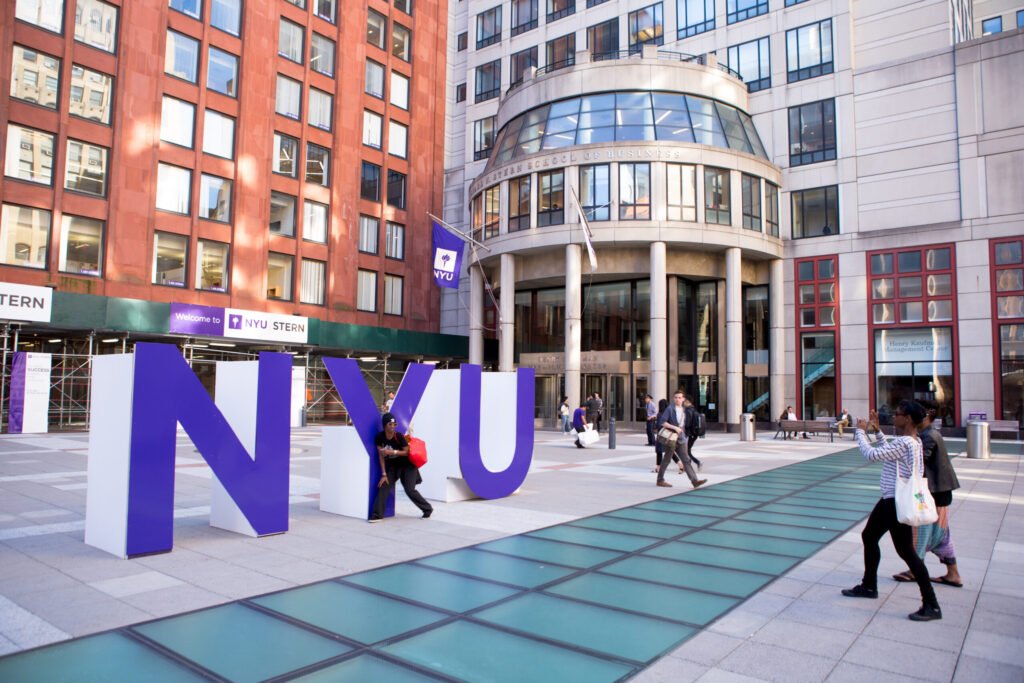
In the short term, the push for Black student safety at NYU is about very tangible things: how quickly the university communicates after a threat; whether students can access therapy without semester-long waitlists; whether campus spaces feel hostile or affirming.
But the long-term stakes are bigger. If Black students continue to feel unsafe and underrepresented, campuses like NYU risk becoming less diverse not only numerically but intellectually. Fewer Black students means fewer Black voices shaping research questions, fewer future Black professors, fewer Black professionals with the social capital and networks that selective institutions often provide.
Nationally, declining Black enrollment at selective colleges threatens to widen existing gaps in wealth, influence, and opportunity. These institutions are more than campuses; they’re gateways into industries, fellowships, and leadership pipelines. When Black students are pushed to the margins there, it reverberates across entire communities for generations.
For younger readers — high school students, community college students, or first-gen undergrads thinking about transferring — this matters deeply. They’re watching to see whether universities like NYU will step up or continue issuing statements while numbers quietly slide.
What Real Safety Would Look Like
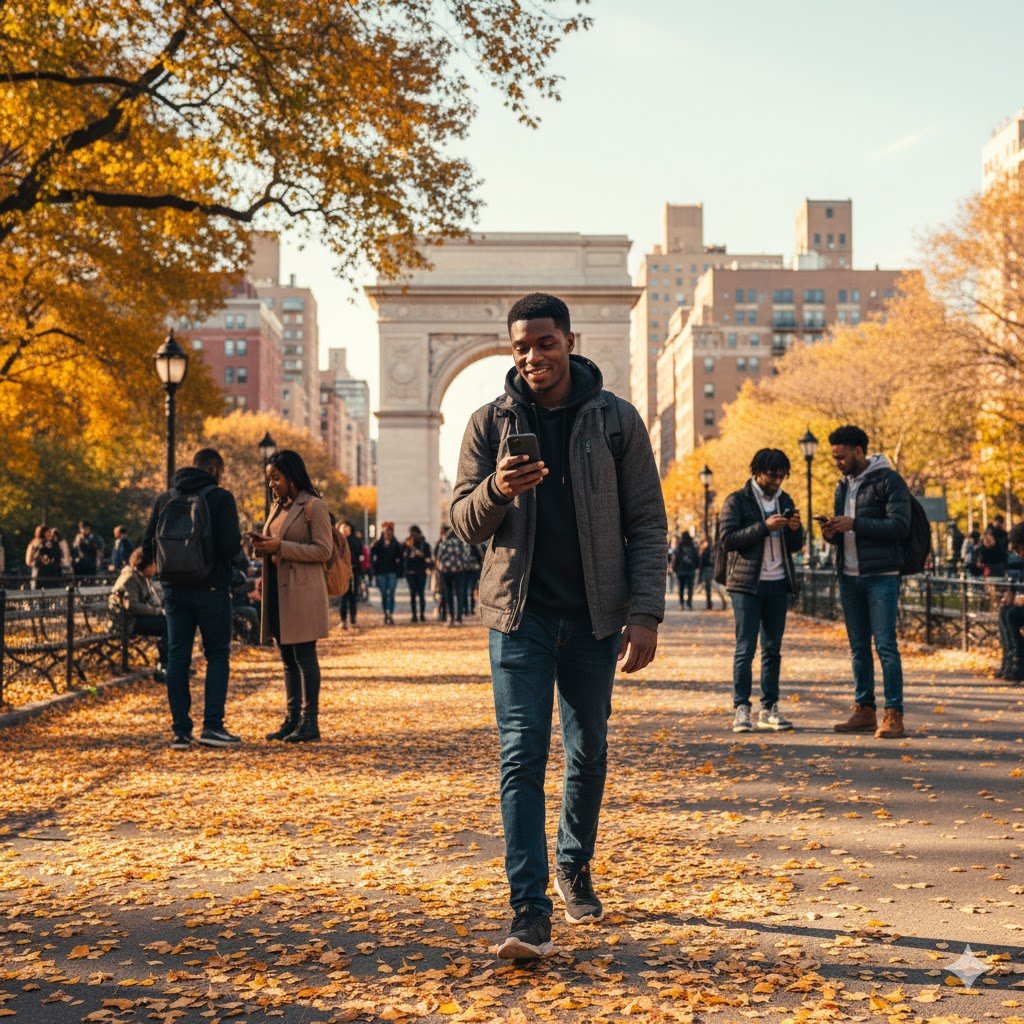
A safer campus for Black students cannot be built on surveillance alone. Students and community advocates are sketching out a different blueprint.
Real safety would mean admissions data where Black enrollment is not in freefall but recovering — supported by targeted outreach and genuine partnerships with Black communities, from Brooklyn to the Bronx to historically Black neighborhoods and schools across the country.
It would mean security protocols that are transparent and equitable, so Black students are protected from threats, not treated as suspects. It would mean classrooms where Black history, thought, and lived experience are integrated instead of sidelined, and where faculty are equipped to respond to racialized incidents without minimizing or deflecting.
It would also mean investing in Black student organizations, mentorship pipelines, faculty hiring, and culturally grounded mental health services — not as branding or optics, but as infrastructure.
In other words, Black student safety would be baked into how the university functions, not patched on when crises go viral.
Key Takeaways and Call to Action
If there’s one message coming out of NYU’s student movement right now, it’s that Black students refuse to be treated as expendable. Their safety is not a side issue; it’s a measure of whether the university truly lives up to its public values.
For current students, that means staying informed, plugged in, and willing to push beyond performative gestures toward real change. For alumni, it means using their leverage — as donors, mentors, and public voices — to support the demands of current students. For administrators and faculty, it means listening, acting quickly, and being brave enough to name anti-Blackness directly, not just speaking in vague terms about “inclusion.”
And for prospective Black students watching from afar, the hope is that by the time they arrive, campuses like NYU will not just be places where they can get a degree, but places where they can exist fully — safe, seen, and supported.
Related HfYC Content
- HBCU Relevance Today: Are We Still Building for Us?
- Black Greek Life and Faith: Are Fraternities and Sororities at Odds with Christianity?
- Celebrating 50 Years of Sisterhood: Delta Sigma Theta’s Impact on New Jersey and Beyond
- The Miseducation of the Black Entrepreneur
Other Related Content
- Black Students at NYU Targeted with Racist Threats
- Black and Latino Enrollment at NYU Drops After Affirmative Action Ban
- Recent Declines in Black First-Year Enrollments at Highly Selective Colleges and Universities
References (APA Style)
amNewYork. (2025, October 7). Black students at NYU targeted with racist threats.
The Journal of Blacks in Higher Education. (2025, November 3). Recent declines in Black first-year enrollments at highly selective colleges and universities.
Nietzel, M. T. (2025, October 27). Initial data suggest decrease in Black freshman at selective colleges. Forbes.
Washington Square News. (2024, October 18). Black and Latino enrollment at NYU drops after affirmative action ban.
🗳 Poll Question of the Day
If elite schools can’t guarantee basic Black student safety, why should Black students keep fighting to get in?
Alternative Perspectives:
- Are campuses protecting Black student safety — or just protecting their own reputations when threats go viral?
- If Black enrolment keeps dropping while threats keep rising, would you still tell a Black student to aim for a “top” school?
- What matters more right now: getting more Black students into elite campuses, or making sure the ones already there actually feel safe?