
The Hustle and the Heartbeat: Why Black Entrepreneurship is Brooklyn’s Unbreakable Soul
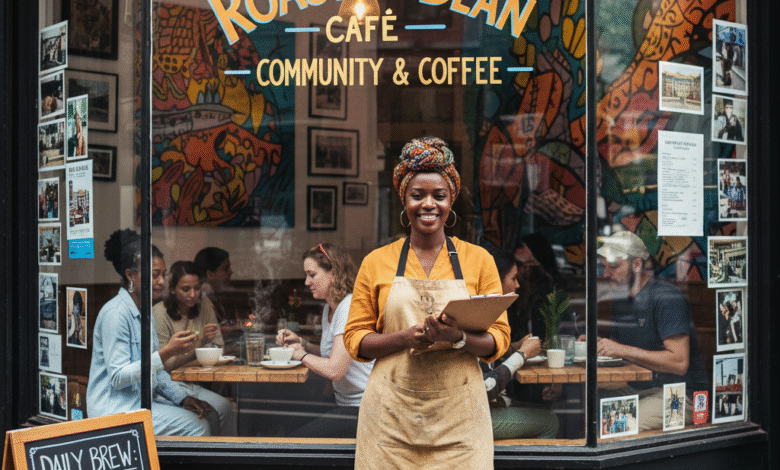
Step into Brooklyn, and you feel it instantly. It’s in the air, a rhythm that pulses through every block. It’s the sizzle of jerk chicken on a grill in Flatbush, the confident hum of clippers in a Bed-Stuy barbershop, the creative buzz of a design studio in Crown Heights. This energy, this lifeblood, is the story of Black entrepreneurship in Brooklyn. For generations, it has been more than a way to make a living; it’s been a declaration of identity, a pillar of community, and a testament to a resilience that refuses to be broken.
These businesses are our cultural landmarks. They’re where we gather, celebrate, and build. But behind the vibrant storefronts and the energy we love lies a deeper story—one of fighting against the odds, innovating out of necessity, and demanding a seat at an economic table that wasn’t built for us. This isn’t just a business story; it’s about legacy, survival, and the fight for an equitable future.
The Vibe is Different Here: Brooklyn’s Black Business Renaissance
Let’s be real: the flavor of Brooklyn is powered by its Black-owned businesses. The food scene alone is a masterclass in culture and creativity. You have legacy institutions like Bed-Stuy Fish Fry and Peaches HotHouse, which have been feeding our souls for years. Then you have the new wave of innovators like Fat Fowl and Kokomo, who are blending Afro-Caribbean flavors into unforgettable dining experiences that draw people from all over the city. These aren’t just restaurants; they’re our communal living rooms, where connections are made over oxtail and plantain.
This same spirit of community commerce flows through spaces like Brooklyn Tea and Lips Café. They’ve mastered the art of being more than just a business—they’re hubs for art shows, book clubs, and quiet activism, proving that profit and purpose can, and should, coexist.
But the story of Black entrepreneurship in Brooklyn goes far beyond food. In the creative economy, you see visionaries like Michelle Cadore, whose retail hub Da Spot provides a platform for over 25 independent Black-owned brands to shine. You see the staying power of Afrikart, which has been importing culture directly from Senegal for three decades. And in a world gone digital, you have Photodom, a brilliant venture reviving analog photography and training a new generation to tell their own stories through a timeless lens.
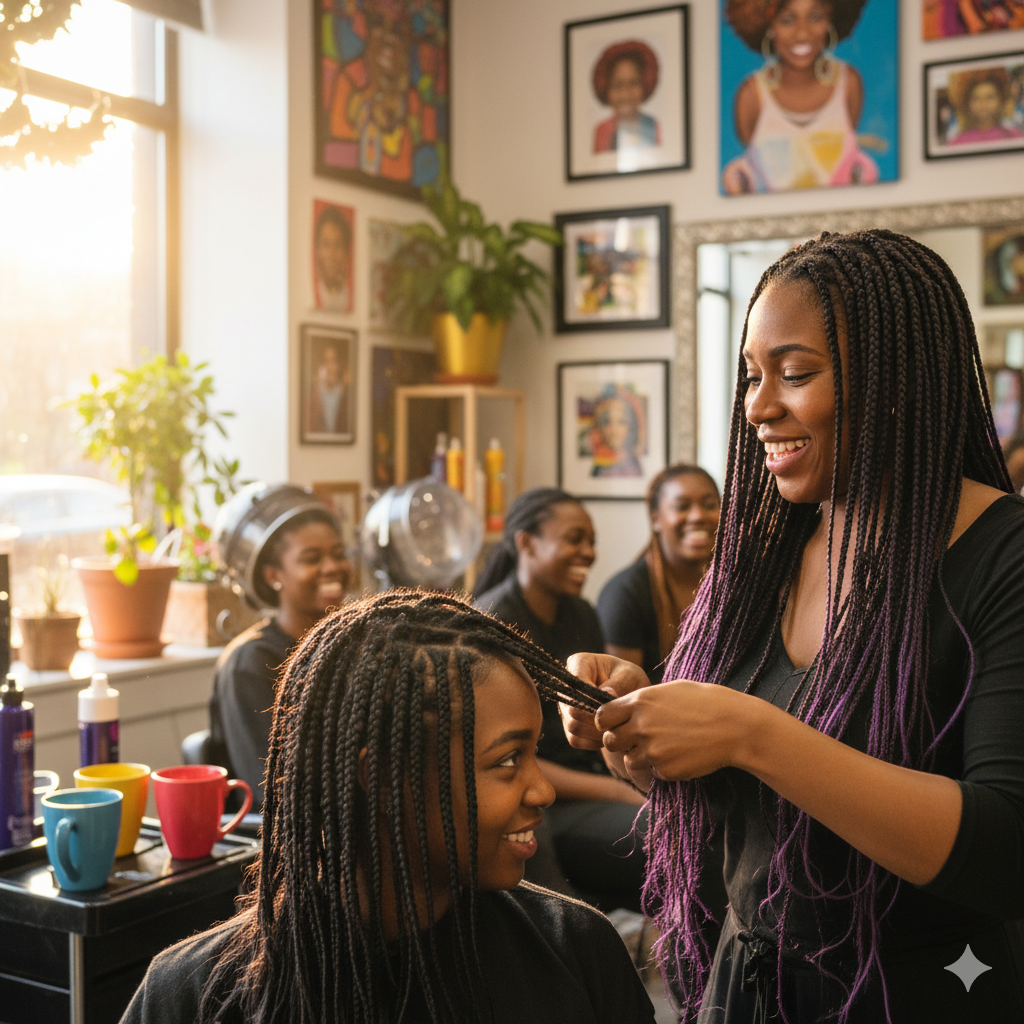
In beauty and wellness, Black women are leading the charge with incredible grit. From Hairenomics Mane Bar, the first Black-owned salon in Greenpoint, to the pandemic-born ingenuity of New York Beauty Suites, which offers a co-working model for stylists, Black women are constantly redefining the industry on their own terms. Even the tech world is getting a much-needed dose of Black brilliance with founders like Lyle Adams of Spry and Ami Kumordzie of Sika Health, who are proving that our innovation knows no bounds.
More Than Hustle: The Real Barriers to Building Black Wealth
For every success story, there’s a mountain that had to be climbed. The numbers don’t lie. Black New Yorkers represent 22% of the city’s population but own a mere 3.5% of its businesses. That gap isn’t just a statistic; it’s the lived reality of systemic inequality. Researchers have even estimated it could take Black families 228 years to close the racial wealth gap at our current pace.
So, what’s the biggest hurdle? Time and time again, Black entrepreneurs point to the same roadblock: access to capital. The struggle to secure loans, the lack of warm introductions to investors, and the absence of established networks that others take for granted is a constant battle.
Tanya Van Court, founder of the financial literacy app Goalsetter, has called fundraising the most grueling challenge she’s ever faced. Her experience is far from unique. Ria Graham, the visionary behind Kokomo, put it perfectly: “As a Black entrepreneur, you come into this assuming you are not going to have… a one-up on acquiring funding. We are already taught you’ll have to work harder just to be seen.”
This is the “work harder” mandate—an unspoken tax on Black ambition. It’s the expectation that we must be twice as good to get half as far. This burden is more than financial; it’s a drain on the creative energy and psychological stamina that fuels every great idea.
When They Closed the Doors, We Built Our Own
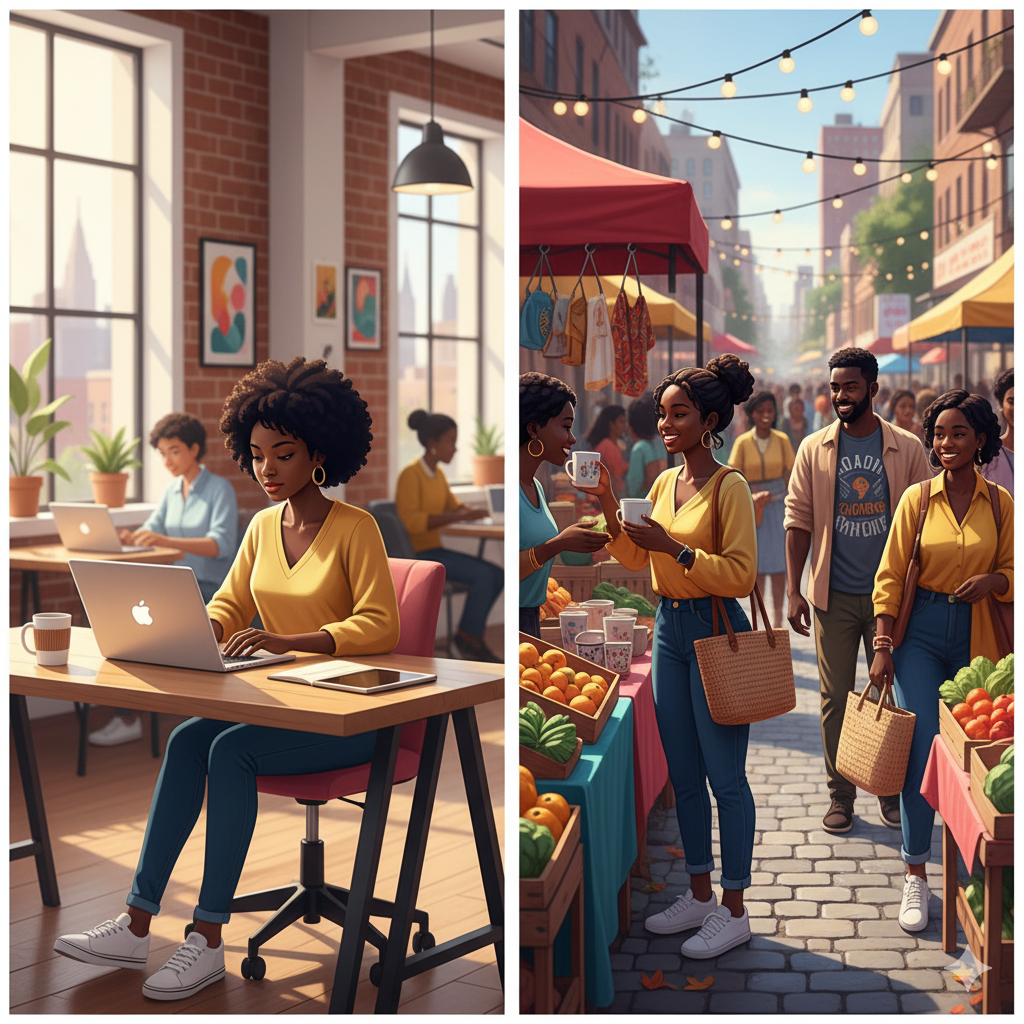
One of the most powerful movements to emerge, especially since the pandemic, is the incredible surge of Black women entrepreneurs. For many, this wasn’t just a career choice; it was an act of survival. When the traditional job market failed them, laying them off at disproportionate rates or offering no flexibility, they didn’t wait for a lifeline. They wove their own.
Enterprises like New York Beauty Suites weren’t just born from a business plan; they were born from a need to reclaim control, dignity, and community in a time of crisis. As Cynthia Bryant of Operation Hope noted, many Black women became entrepreneurs “out of necessity rather than opportunity.” This isn’t a story of defeat; it’s a story of ultimate resilience. It marks a fundamental shift in Brooklyn’s economic landscape, one built on creativity, mutual support, and the refusal to be left behind.
Strength in Numbers: The Alliances Leveling the Playing Field
The good news? This fight isn’t happening in a vacuum. A powerful ecosystem of support is rising to meet the challenge. New York City’s own Black Entrepreneurs NYC (BE NYC) initiative is providing real, tangible tools—from a free 40-hour startup course to pro bono legal services—to help entrepreneurs build on solid ground.
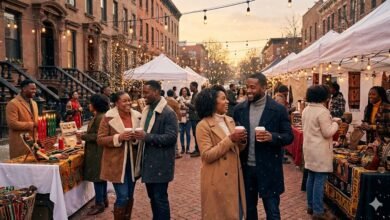
The Brooklyn Chamber of Commerce has stepped up with its Brooklyn Entrepreneur Academy, specifically designed to empower BIPOC women with mentorship, consulting, and opportunities to pitch for funding. At the grassroots level, movements like Building Black Bed-Stuy are keeping our dollars circulating where they matter most, hosting weekly markets that give micro-entrepreneurs a vital platform. These aren’t handouts; they are long-overdue equity tools designed to rebalance a system that has been tilted for far too long.
For the Youth: More Than a Business, It’s a Blueprint
For the younger generation watching all of this unfold, the impact is profound. Seeing someone who looks like you running a successful café, a tech startup, or a creative brand isn’t just cool—it’s possibility made visible. It plants a seed of aspiration. It provides a blueprint for what they can achieve.
But it also serves as a crucial lesson: the talent and the drive are already here, but the system needs to change. Gen Z is already the most entrepreneurial generation, comfortable with side-hustles, crowdfunding, and bootstrapping their dreams into reality. The question is, will they inherit the same obstacles? Or can we build a future where their brilliance isn’t taxed by the “work harder” mandate? This is where cross-generational knowledge sharing becomes power. Mentorship, support, and advocacy are essential to ensure their energy translates into lasting, sustainable legacies.
From Survival to Thriving: Let’s Build the Future, Together
The story of Black entrepreneurship in Brooklyn is a powerful duality—a celebration of what we’ve built and a clear-eyed look at the barriers we still face. In the short term, these businesses are the heartbeat of our neighborhoods, providing jobs, culture, and a sense of belonging. In the long term, they hold the key to closing the racial wealth gap, building generational prosperity, and ensuring Brooklyn’s identity as a Black cultural mecca is preserved for generations to come.
Here’s the breakdown of what we need to carry forward:
- Key Takeaways:
- Black entrepreneurship in Brooklyn is a dynamic force across food, beauty, creative, and tech, but it’s fighting against deep-seated inequities.
- Access to capital and networks remains the single biggest barrier to growth.
- Black women are at the forefront of a new wave of entrepreneurship, often creating opportunities out of necessity.
- Community-led and city-backed initiatives like BE NYC and Building Black Bed-Stuy are crucial for creating a more equitable ecosystem.
- For young people, these businesses are both inspiration and a roadmap, but they need systemic support to truly thrive.
So, what’s next? The power is in our hands.
- A Call to Action for the Community:
- Shop Black, Period. Be intentional with your dollars. Support the businesses in your neighborhood not just once, but consistently.
- Advocate for Equity. Hold banks and investors accountable. Ask them what they’re doing to fund Black founders.
- Share the Knowledge. If you’re an established entrepreneur, mentor a younger one. Cross-generational wisdom is our superpower.
- Show Up for Grassroots Efforts. Support the local markets, co-ops, and community funds that are building from the ground up.
Brooklyn has always been home to dreamers and builders. By uplifting the Black entrepreneurs who are writing its next chapter, we are investing in the soul of our borough and ensuring its future is as brilliant, resilient, and creative as the people who call it home.
Related HfYC Content
- Northern New Jersey Black Businesses – A closer look at how Black entrepreneurs are reshaping the local economy.
- The Stories Our Neighborhoods Deserve – Exploring why authentic, community-centered storytelling matters.
- Tariffs, Trade, and the Black Bottom Line – How national economic policies ripple through Black communities.
Other Related Content
- BE NYC: Black Entrepreneurs NYC – A city initiative offering resources, courses, and support for Black entrepreneurs.
- Brooklyn Chamber of Commerce – Entrepreneur Academy – Programs helping BIPOC women launch and grow businesses.
References
- NYC Small Business Services. Black Entrepreneurs NYC Report.
- Operation Hope. State of Black Entrepreneurship and Financial Inclusion.
- National Bureau of Economic Research. Wealth Inequality by Race and Ethnicity in the U.S.



One Comment