
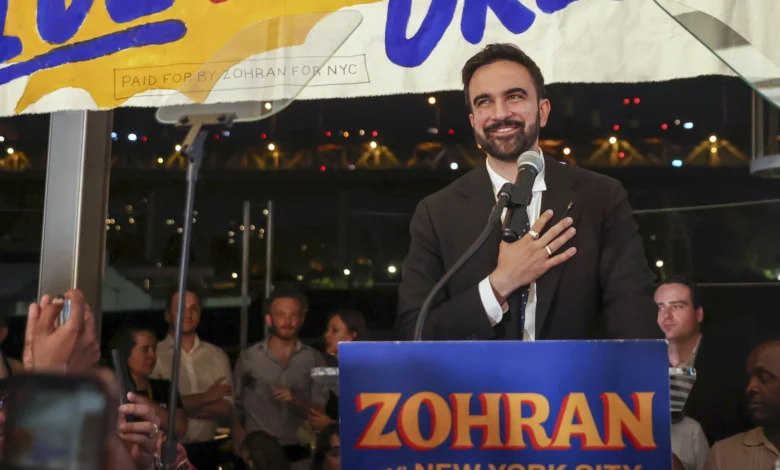
From Kampala to Queens to City Hall? The Making of Zohran Mamdani
Say his name in any New York political room right now and you’ll hear a mix of excitement, side-eye, and, yes, curiosity. Zohran Mamdani—state assemblymember, democratic socialist, and transit obsessive—has turned an underdog movement into a serious mayoral bid. The campaign’s headline promises (fare-free buses, housing justice, and debt relief for working people) come packaged with meme-ready videos and a ground game that feels more community center than campaign office. And yes, the focus keyword here is Zohran Mamdani mayor—because this race is no longer theoretical; it’s live, it’s loud, and it could reset the city’s political compass.
Born in Uganda, raised in New York City, and educated in public schools, Mamdani came up as a tenant organizer and civil-rights-minded attorney before winning his Queens Assembly seat. His official bio underscores a throughline: moving policy from talking points to tangible wins.
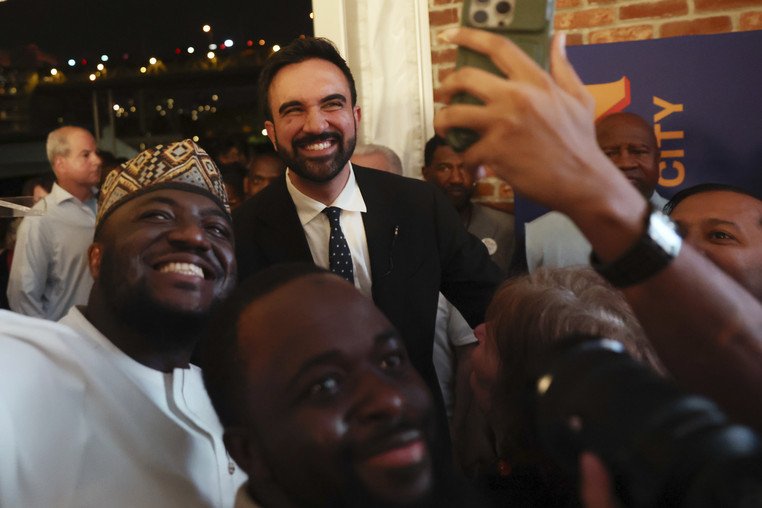
Those “receipts” aren’t just legislative bullet points. In 2021, he joined taxi drivers in a 15-day hunger strike, helping force a landmark deal that unlocked more than $450 million in medallion debt relief—an organizing victory that still reverberates across immigrant and working-class neighborhoods.
The Platform, Beyond the Hashtags
If you’ve watched even one campaign clip, you know the vibe: accessible economics, transit wonkery, and a very online sensibility. But there’s substance behind the scroll. On the trail and in his media kit, Zohran Mamdani for Mayorforegrounds: increased subway service, a successful fare-free bus pilot as a proof-point, and climate-forward economic policy—all framed as affordability tools for everyday New Yorkers.
On fare-free buses in particular, Mamdani points to state pilots and rider surveys to argue the city should scale what works. Skeptics counter with concerns about crowding and speed—reminding us that any free-fare plan must be paired with bus-priority lanes and better operations. The debate is exactly the kind of policy fight New Yorkers love: numbers, nuance, and a little noise.
Viral Moments: The Campaign as a Cultural Format
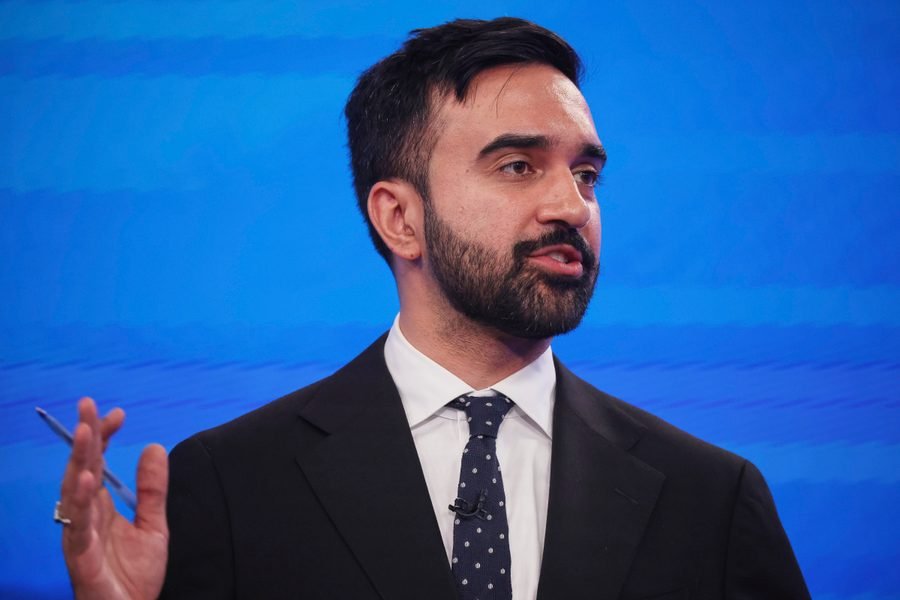
You don’t win in 2025 without knowing how to trend. Mamdani’s campaign videos and rally speeches are deliberately platform-native: bright captions, quick cuts, call-and-response energy. Strategists say the content is shaping a blueprint for Democrats trying to reconnect with under-35 voters who live online and vote IRL.
The virality isn’t just vibes—it’s an organizing funnel. Clips point viewers to canvasses, phonebanks, and small-dollar donations. That feedback loop—story → action → policy—has helped transform Mamdani from “interesting assemblymember” into Zohran Mamdani mayor front-page material. Endorsements from progressive heavyweights (including Rep. Alexandria Ocasio-Cortez) amplified the signal heading into the primary.
Primary Proof: From Long Shot to Nominee
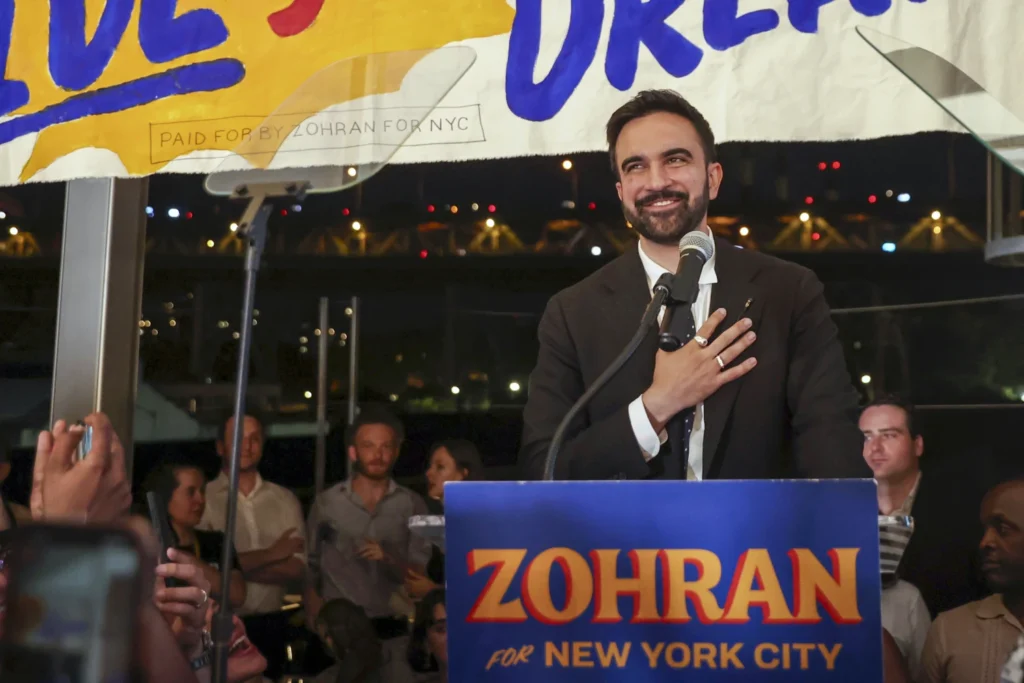
If you missed the summer drama, here’s the headline: Mamdani won the Democratic primary, defeating former Governor Andrew Cuomo after ranked-choice reallocations—an earthquake in city politics that jolted City Hall watchers across the spectrum. National outlets called it a generational handoff and a referendum on affordability.
Now the general election looms, with polling averages showing Mamdani entering November as the favorite in a three-way race—though New York being New York, nothing is guaranteed until the last ranked ballot is counted.
Israel, Gaza, and City Hall: The Contention That Won’t Stay “Foreign”
Here’s the hard, necessary part of the conversation. Mamdani’s statements on Israel-Gaza—including criticism of the Israeli government and U.S. funding for the war—have sparked intense debate in a city with the world’s largest Jewish population outside Israel. He’s been pressed in debates and interviews about whether his rhetoric alienates Jewish New Yorkers already living with fear and grief, and he’s faced attacks from Republicans and centrist Democrats alike.
In response to backlash around protest language—especially the phrase “globalize the intifada”—Mamdani has stated he won’t use the slogan and has urged supporters to avoid it, framing his position as solidarity with Palestinians without endorsing violence. Even so, the scrutiny continues, and it will follow him into City Hall if he wins.
Jewish outlets are split: some detail and critique his record; others note a portion of Jewish voters prioritizing affordability, schools, and safety over a mayor’s foreign-policy posture. That split isn’t simple—but in New York, few things are.
Why Black New Yorkers Should (and Shouldn’t) Care
Let’s center home: Black New Yorkers—from Brownsville to Southeast Queens—are deciding whether Mamdani’s vision meets the moment.
Reasons to Care
- Pocketbook change. Fare-free buses, cheaper commutes, and more frequent service are not abstractions; they’re hours back with family and dollars back in wallets. That’s a racial-equity play, not just transit trivia.
- Debt relief as policy model. The taxi-driver victory proved the city can unwind predatory systems hurting immigrant and Black workers. Imagine that muscle applied to medical debt or fines/fees reform.
- Tenant power. A mayor who speaks tenant first could strengthen Right-to-Counsel, expand social housing pilots, and get serious about bringing vacant units online—key for Black families displaced by rising rents.
Reasons People Hesitate
- Style vs. coalition. Some elders prefer “quiet power” over confrontation. The question is whether Mamdani’s movement can keep the tent big enough for small-business owners, church networks, and moderate neighbors who want delivery without drama.
- Governing math. Progressive ideas still face Albany, the Council, agency inertia, and budget reality. Free buses plus new housing plus youth jobs equals choices—and tradeoffs require steady hands.
Youth POV: Facts, Feeds, and a Future Worth Staying For
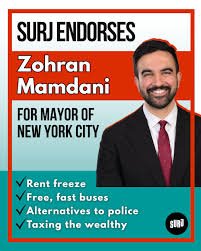
Younger Black New Yorkers (and a lot of first- and second-generation kids across the boroughs) are leaning in because the campaign speaks their language: screenshots of budget lines, explainers on rent, and TikToks that treat you like a co-author, not a target. When they hear Zohran Mamdani mayor, they don’t hear an ideology lesson—they hear a project brief: Make the city livable enough that we don’t have to leave.
Near-Term and Long-Term Impact if He Wins
Short-term (first 200 days):
- Pilot expansion of fare-free routes in outer-borough transit deserts; fast-track bus lanes and signal priority where ridership is highest.
- Executive task force on debt & fees (fines relief, medical debt partnerships, muni-ID + benefits integration), learning from the taxi medallion playbook.
- Tenant enforcement surge: proactive inspections, eviction diversion, and vacant-unit activation to reduce shelter inflow.
Long-term (years 1–4):
- Multi-year affordability budget tying transit, housing, and climate jobs together—because cheaper commutes + stable rent + union work is how you bend the poverty curve.
- A civic culture shift: policy TikToks from City Hall, neighborhood budget labs, and youth seats on advisory boards—governing that feels visible and reachable.
Key Takeaways
- Receipts matter. Taxi debt relief and transit wins show a pattern: pressure + policy = results.
- The Israel-Gaza debate won’t vanish at City Hall. Mamdani’s clarified language helps, but trust will be earned over time through safety, inclusion, and real listening.
- For Black New Yorkers, the question is practical: Will a Mamdani administration lower costs, stabilize housing, and invest in communities? If yes, the tone war recedes behind outcomes.
- Youth energy is an asset—but governing needs bench strength. Watch the coalition he builds, not just the clips he posts.
Call to Action: Judge the Work, Not Just the Clip
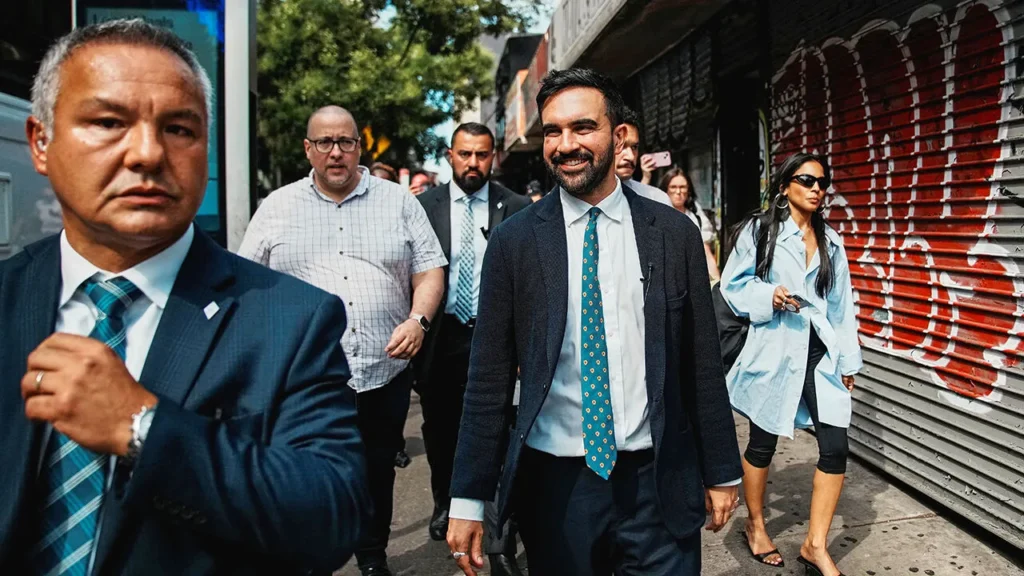
- Audit the platform against your life: housing, transit, safety, schools. If “Zohran Mamdani mayor” translates to dollars saved and time gained, that’s measurable.
- Hold every candidate to receipts. Ask for timelines, budgets, and who’s accountable.
- Vote—and volunteer. Down-ballot Council races will decide whether any mayor can pass their agenda.
Related HfYC Content
- The Baraka Gambit: Can a Unified Black Agenda Reshape New Jersey Politics?
- The Government Shutdown Step-by-Step: A Story of Power, Politics and Community Impact
- The ‘No Kings’ Protest Is Here. Are We Joining, or Are We Tired?
- How to Get Involved with Your City Council, School Board, and Local Causes
- The Silent Crisis: Economic and Social Impact of 300,000 Job Losses Among Black Women
Other Related Content
- AOC backs Zohran Mamdani for NYC mayor
- NYC Might Elect a Truly Progressive Mayor—Thanks to Ranked Choice
References (APA Style)
- Associated Press. (2025, June 24). Zohran Mamdani wins New York City’s Democratic mayoral primary, defeating ex-Gov. Andrew Cuomo. https://apnews.com/article/c398b33fe7304287596d64582d326988 AP News
- The Guardian. (2025, June 24). Zohran Mamdani declares historic victory in New York City mayoral primary.https://www.theguardian.com/us-news/2025/jun/24/new-york-mayoral-primary-results The Guardian
- New York State Assembly. (2025). Zohran K. Mamdani – Biography. https://nyassembly.gov/mem/Zohran-Mamdaninyassembly.gov
- Zohran for NYC. (2025). Meet Zohran / Media Kit. https://www.zohranfornyc.com/ ; https://www.zohranfornyc.com/media-kit zohranfornyc.com+1
- Times of Israel. (2025, June). NYC mayoral candidates spar over Israel’s right to exist in 1st debate.https://www.timesofisrael.com/nyc-mayoral-candidates-spar-over-israels-right-to-exist-as-jewish-state-in-1st-debate/The Times of Israel
- The Independent. (2025, June 24). Colbert grills NYC mayoral candidate Zohran Mamdani on Israel.https://www.independent.co.uk/news/world/americas/us-politics/zohran-mamdani-stephen-colbert-israel-gaza-b2776390.html The Independent
- The Guardian. (2025, July 16). Mamdani says he won’t use ‘globalize the intifada’ amid backlash.https://www.theguardian.com/us-news/2025/jul/16/zohran-mamdani-israel-gaza-intifada The Guardian
- Inequality.org. (2021). NYC Taxi Drivers Took on Predatory Lenders—and Won. https://inequality.org/article/nyc-taxi-drivers-hunger-strike/ inequality.org
- Truthout. (2021). NYC Taxi Drivers Win Debt Relief After 2-Week Hunger Strike. https://truthout.org/articles/nyc-taxi-drivers-win-debt-relief-after-2-week-hunger-strike/ Truthout
- The Nation. (2024). A Year Without Fares: Lessons from New York’s Free Bus Pilot.https://www.thenation.com/article/society/new-york-city-bus-free-fare/The Nation



2 Comments