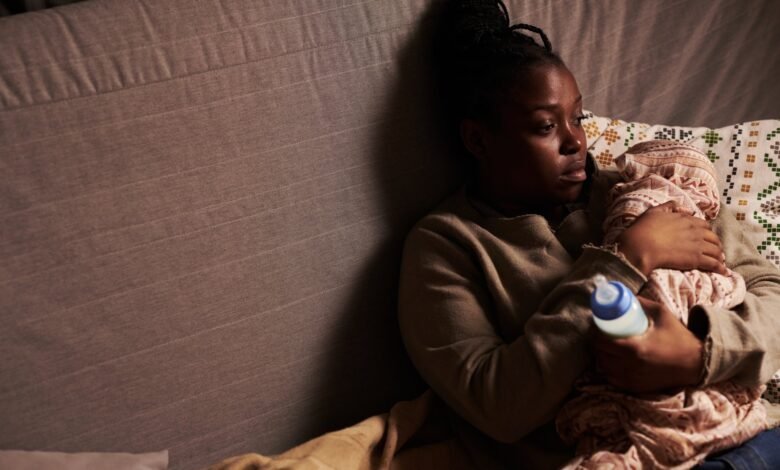
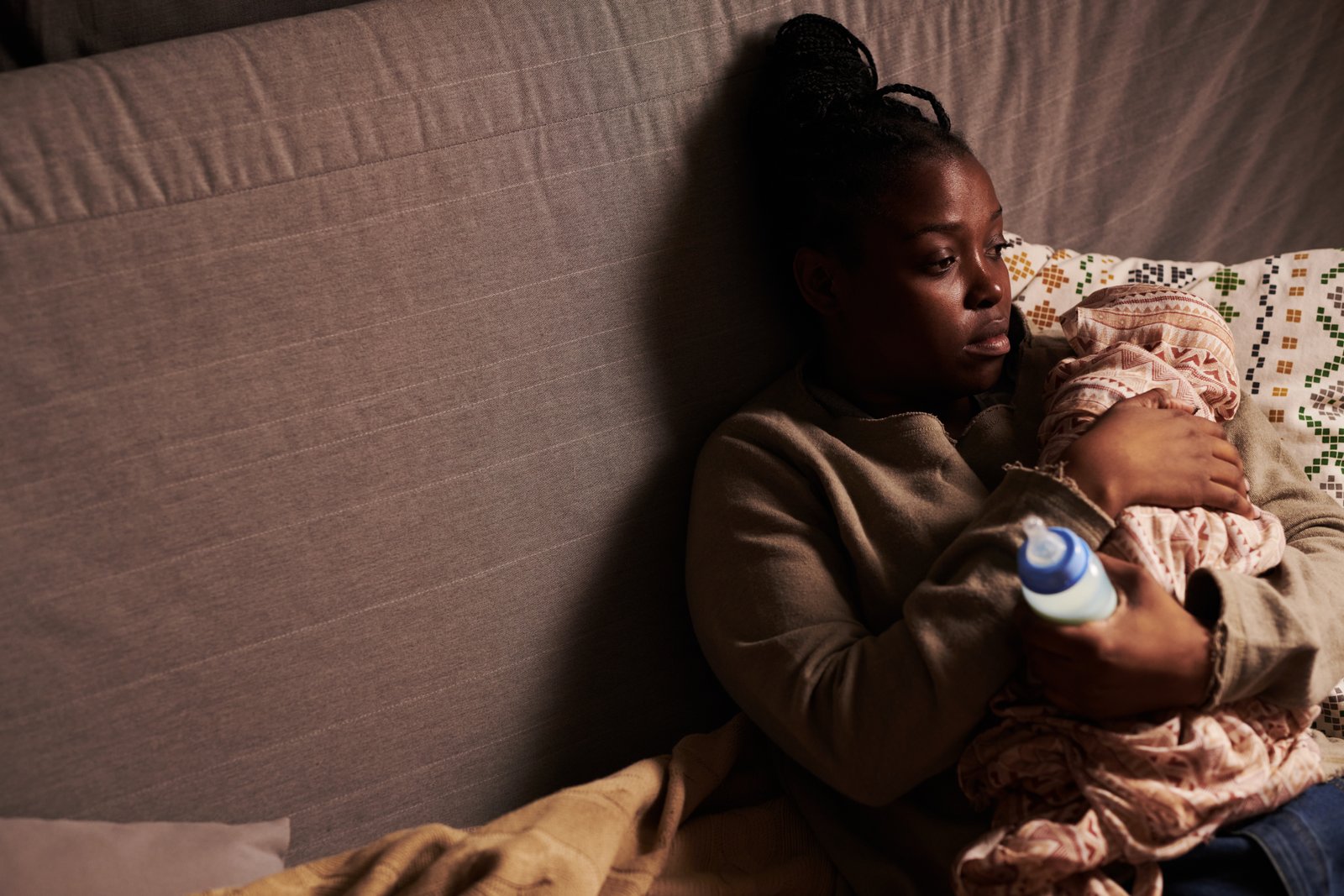
It’s a statistic that should stop everyone in their tracks. In New Jersey, a Black mother is nearly seven times more likely than a white mother to die from causes related to pregnancy or childbirth. Let that sink in. In a state that’s one of the most diverse and affluent in the nation, this is our reality. For generations, this crisis has been an open secret, a tragedy whispered about in our communities. But now, as Gen Z steps into adulthood and our childbearing years, we’re saying “enough is enough.” We’re not just watching from the sidelines; we’re demanding and creating change to ensure that motherhood is a journey of joy, not a life-threatening risk, for Black women.
The Youth Perspective: This Ain’t Our Grandmothers’ Fight
For many of us, the maternal health crisis isn’t just a headline; it’s personal. We’ve seen it in our families, heard stories from our aunties, and witnessed the fear in our older sisters’ eyes. The old way was to accept this as an unfortunate, but unchangeable, fact of life. But our generation? We’re built different. We question systems, we challenge biases, and we use our digital platforms to amplify the truth.
We see our peers, Black medical students, advocating fiercely for implicit bias training in hospitals, demanding that healthcare providers see our pain, listen to our concerns, and treat us with dignity. We see tech-savvy teens launching viral TikToks and Instagram campaigns to educate others about the signs of preeclampsia or the importance of a birth plan. We’re not waiting for permission to join the conversation. We understand that this is a battle for our future, for our right to build families safely. The message is clear: the system is broken, not Black mothers, and we’re here to help fix it.
The Long & Short-Term Impact: A Movement, Not a Moment
The immediate impact of this new wave of advocacy is powerful. Grassroots efforts and statewide initiatives are working hand-in-hand to provide immediate support. Community-led doula programs are on the rise across cities like Newark, Trenton, and Camden. These programs connect Black expectant mothers with trained birth coaches who advocate for them in the delivery room, provide emotional support, and help navigate a complex medical system. A doula’s presence has been proven to improve birth outcomes, reducing the likelihood of C-sections and other complications.
Simultaneously, high-level initiatives like First Lady Tammy Murphy’s Nurture NJ campaign are tackling the systemic issues. Nurture NJ is a massive, statewide effort aimed at cutting the state’s maternal mortality rate in half and eliminating the racial disparities. It’s a multi-pronged approach that includes everything from expanding Medicaid coverage for new moms to promoting community-based care and listening to the experiences of Black women to shape policy.
In the long term, this combined effort of community action and government policy is creating a new blueprint for Black maternal health. By training more Black doctors, midwives, and doulas, we are building a healthcare workforce that looks like us and understands our unique needs. By changing policies and holding hospitals accountable, we are creating a system where Black women are not just heard, but centered. This is about ensuring that 5, 10, and 20 years from now, that horrifying statistic is a relic of the past.
Key Takeaways
- The Disparity is Stark: A Black mother in NJ is almost seven times more likely to die from childbirth-related causes than a white mother. This is a public health crisis.
- Youth Are Mobilizing: Gen Z is using social media, advocacy in medical schools, and community organizing to demand change and raise awareness.
- Solutions are Two-Fold: Change is happening from the ground up (community doula programs) and the top down (statewide initiatives like Nurture NJ).
- Advocacy Matters: Having an advocate, like a doula, during childbirth can significantly improve health outcomes for Black mothers.
- This is a Fight for the Future: Ensuring Black women can give birth safely is essential for the health and well-being of our entire community.
Next Steps
- Amplify the Message: Use your social media to share the statistics and stories about the Black maternal health crisis in NJ. Follow and share content from organizations working on this issue.
- Support Local Doulas: If you can, donate to or volunteer with community-based doula programs in your area. These organizations are on the front lines providing direct support.
- Ask the Hard Questions: When you or your loved ones are expecting, don’t be afraid to interview your healthcare providers. Ask about their C-section rates, their experience with Black patients, and how they handle patient concerns.
- Get Politically Engaged: Pay attention to what your local and state representatives are doing to address maternal mortality. Vote for candidates who make this issue a priority.
- Educate Yourself and Your Circle: Talk to your friends, partners, and family about this. The more people who understand the depth of the crisis, the more powerful our collective call for change will be.