Roxbury ICE Detention Center: GOP Council Slams Rep. Kean
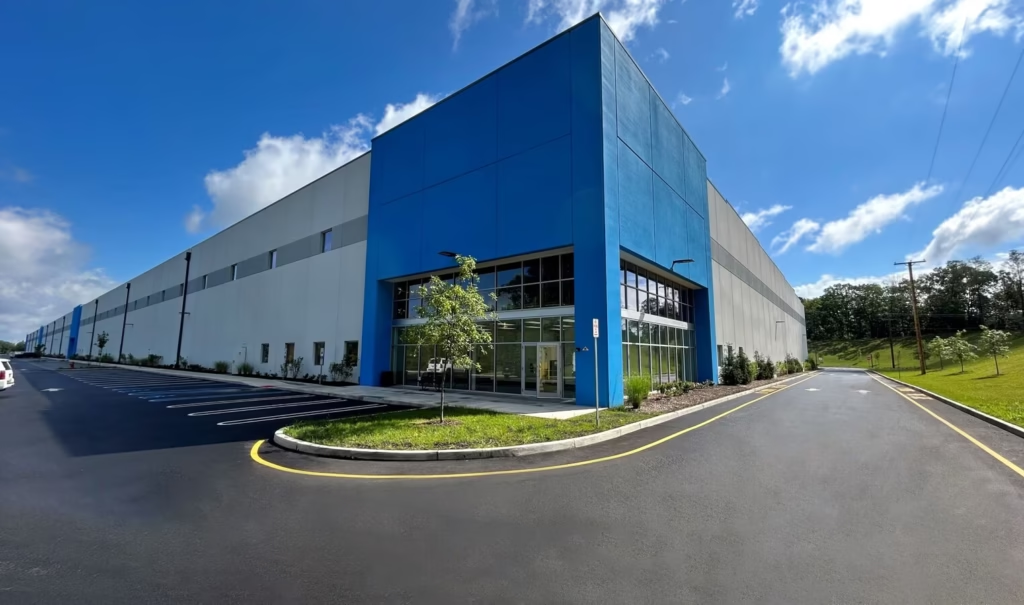
The Roxbury ICE Detention Center is no longer a rumor — it’s a confirmed property transaction. On Friday, February 20, 2026, Roxbury Township officials announced that U.S. Immigration and Customs Enforcement (ICE) had officially closed on the purchase of the Dalfen Industrial warehouse at 1879 Route 46. What began as speculation is now a political and legal flashpoint, pitting local Republican leaders against their own party’s congressman in an election year.
Town officials say they are “angry and disappointed.” But beyond the emotion is a deeper question: how much influence does local government really have when federal agencies override zoning and community concerns?
The Warehouse Deal Becomes Reality
According to a public statement from Roxbury Township officials, the vacant warehouse on Route 46 has been sold by Dalfen Industrial to ICE. The property is expected to be used as a detention and processing facility.
Local officials have expressed concern about:
- The site’s proximity to residential neighborhoods
- Traffic and security implications
- Zoning compatibility
- Utility capacity, particularly water and sewer infrastructure

Town attorney and State Senator Anthony Bucco has publicly raised questions about whether the site has sufficient infrastructure to support a facility potentially housing hundreds of detainees. Township leadership has indicated it is preparing a legal challenge centered on zoning appropriateness and infrastructure capacity.
Intra-Party Tension: A GOP vs. GOP Moment
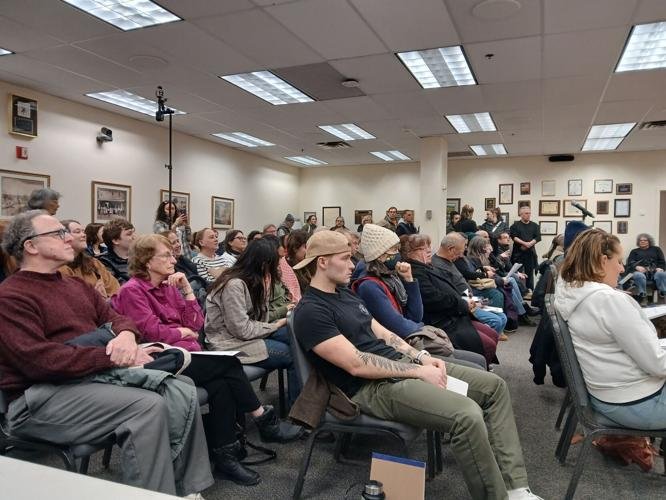

What makes the Roxbury ICE Detention Center controversy unusual is not just the federal-local clash — it’s the internal party friction.
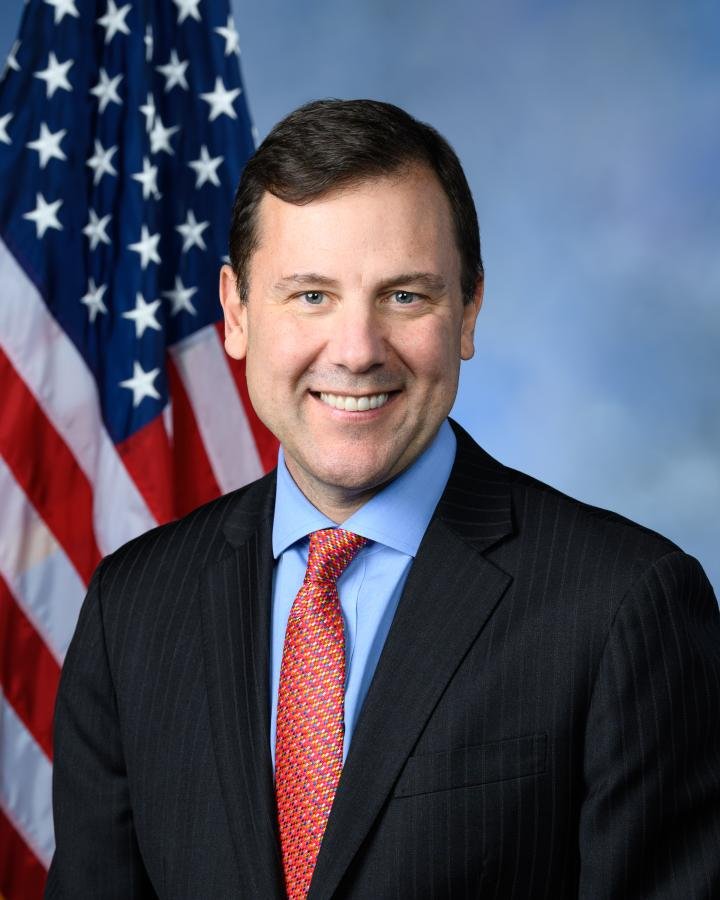
Roxbury’s all-Republican Township Council issued a statement criticizing fellow Republican U.S. Representative Tom Kean Jr., alleging that despite repeated outreach, they did not receive the level of engagement or advocacy they expected.
At the same time, Democratic Representative Bob Menendez — whose district does not include Roxbury — publicly coordinated with members of the state’s congressional delegation to condemn the facility purchase.
This has sharpened the political narrative: if local GOP leadership cannot secure visible federal advocacy from their own representative, what does that mean for local leverage in Washington?
It is important to note that federal agencies often possess authority that can supersede local zoning constraints, particularly in matters involving immigration enforcement. However, local governments can pursue legal avenues challenging infrastructure suitability or procedural compliance.
Zoning, Infrastructure, and Suburban Realities

Beyond the political tension, Roxbury officials argue the issue is practical and structural.
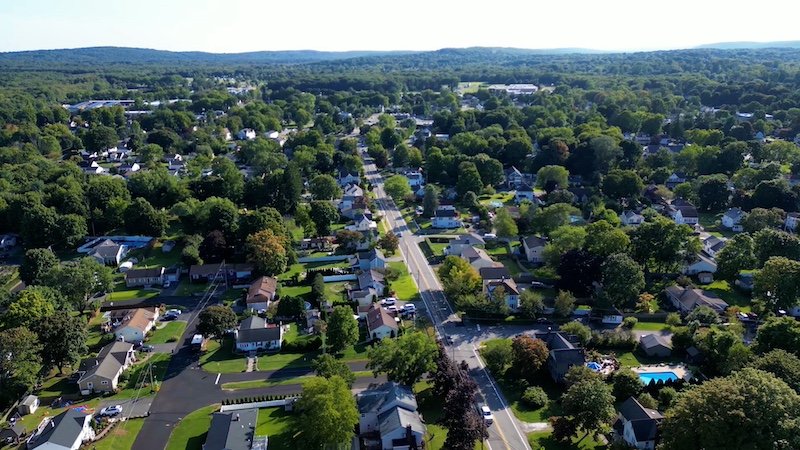
The warehouse sits near residential communities. Critics argue that a detention facility at that scale would strain local infrastructure not originally designed for high-occupancy custodial use.
Township leadership has cited:
- Water and sewer capacity concerns
- Emergency service impact
- Traffic flow and access issues
- Zoning designation conflicts
Whether those arguments prevail in court remains uncertain. But the township has made clear that it intends to challenge the project on legal and procedural grounds.
What This Moment Reveals

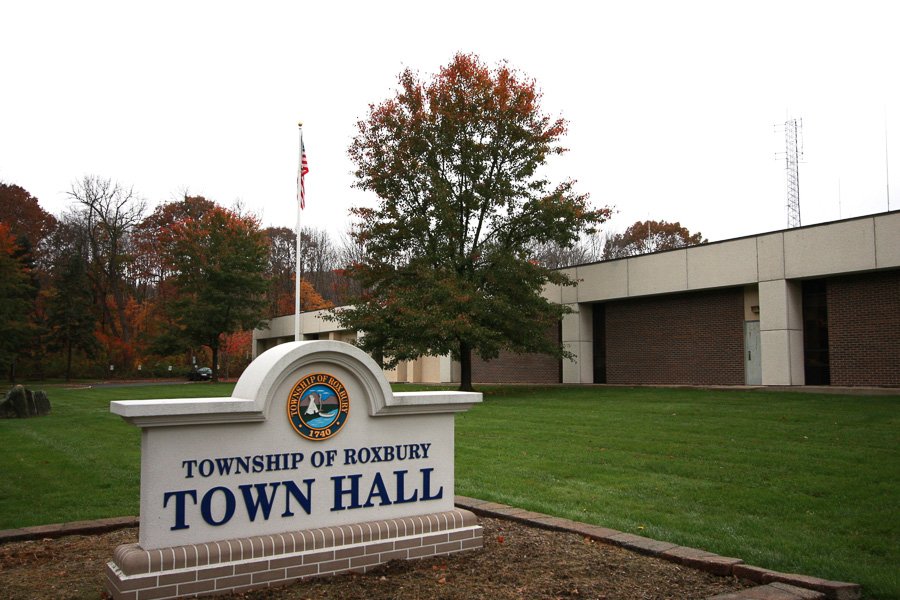
The Roxbury ICE Detention Center debate reflects a broader tension seen across suburban America: the collision between federal enforcement priorities and local land-use governance.
It also exposes how local advocacy can become politically complicated when party alignment does not automatically translate into coordinated action.
For residents, the stakes are immediate: property values, infrastructure strain, and community identity. For elected officials, the stakes are reputational and electoral.
The coming months will likely determine whether this remains a zoning battle — or evolves into a defining political issue for Morris County.
Key Takeaways
- The Roxbury ICE Detention Center became official after ICE closed on the Route 46 warehouse purchase on February 20, 2026.
- Roxbury’s Republican council publicly criticized Rep. Tom Kean Jr. for a perceived lack of advocacy.
- Township officials are preparing a legal challenge focused on zoning and infrastructure capacity.
- The controversy highlights tensions between federal authority and suburban local governance.
HfYC Poll of the Day
Follow us and respond on social media, drop some comments on the article, or write your own perspective!
Who do you hold most responsible for the ICE detention center move in Roxbury?
- The property owner (Dalfen Industrial) for prioritizing profits.
- Rep. Tom Kean Jr. for his lack of advocacy.
- The Federal Government for overriding local zoning laws.
- All of the above.
Poll Question Perspectives
- Is this primarily a zoning issue — or a political failure?
- Should federal agencies be required to obtain stronger local approval before opening detention facilities?
- Does party alignment matter if local communities still feel unheard?
Related HfYC Content
- Newark, New York, and the New Frontlines: How Black Leaders Are Confronting ICE and Federal Power
- Newark Stands Firm: Baraka and Pressley Lead Town Hall Against ICE Escalation
- Brooklyn Church Rallies After ICE Detains Longtime Bensonhurst Deacon
- Gateway Tunnel Funding Restored After Court Rebukes Trump Freeze
- The 2026 Government Shutdown Cycle: Why Brooklyn and Jersey Families Keep Paying the Price for Washington’s Short-Term Fixes
Other Related Content
- Roxbury Twp.: ‘Our Federal Rep did not Engage to the Level we had Hoped’ (InsiderNJ) – Coverage of the township’s official statement criticizing Rep. Tom Kean Jr.’s engagement on the ICE detention center issue.
- DHS confirms Roxbury detention center plans, to local officials’ dismay (New Jersey Globe) – Reporting on the confirmed purchase of the warehouse by DHS/ICE and local reaction.
- Roxbury Announces ICE Purchase of Warehouse for Immigration Processing Center (TAPinto Roxbury) – Local news brief on the deal’s confirmation and community response.
- Morris County Democrats Condemn ICE Warehouse Purchase and Rep. Kean Jr.’s Inaction (InsiderNJ Press Release) – Statement from the Morris County Democratic Committee on the controversy.
- Feds say ICE detention center coming to Roxbury, NJ after days of contradictions (Gothamist) – Independent reporting on the mixed messaging from federal authorities and local criticism.
References
- InsiderNJ — Roxbury Township statement on Rep. Kean Jr.’s lack of engagement (InsiderNJ) – Source for council reaction and political critique.
- New Jersey Globe — DHS confirms purchase of warehouse for Roxbury detention facility (New Jersey Globe) – Source for reporting on the confirmed purchase and local officials’ response.
- InsiderNJ — Morris County Democrats press release condemning the purchase and political response (InsiderNJ) – Source for political framing and reactions.
- Gothamist — Reporting on mixed messages and local officials’ stance (Gothamist) – Source for context on federal communications and local opposition.
-
-

-

-