Newark’s $970M Budget: A Double-Edged Sword
Focus Keyword: Newark budget
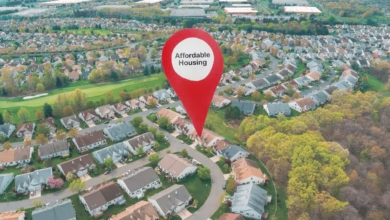
This summer, Newark officials advanced a $970 million Newark budget, a historic plan that reflects the city’s ambitions for growth and equity. On paper, it’s a budget that promises investment in schools, housing, infrastructure, and public safety. But behind the headlines, many families are asking: at what cost?
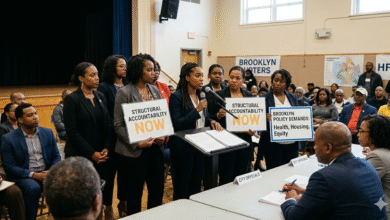
For residents across Essex County, the Newark budget may also bring something far less welcome — higher property taxes. The proposed increases are stirring debate in council chambers, community meetings, and on social media feeds where youth and elders alike are weighing in.
How the Newark Budget Impacts Daily Life


For Newarkers, a billion-dollar budget isn’t an abstract number — it’s felt in everyday choices:
- Will families have to cut back if property taxes go up?
- Will renters see hikes passed down from landlords?
- Will community programs actually receive the funds promised?
Parents wonder whether investments in schools will finally deliver smaller class sizes or safer playgrounds. Small business owners are asking if tax hikes will squeeze them during a fragile recovery. And for young people, the question is whether this Newark budget creates real opportunities — jobs, affordable housing, or mentorship — or just another layer of bureaucracy.
Youth Perspectives: The Price of Progress
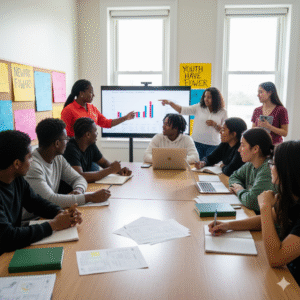
For many young Newark residents, the conversation goes deeper than taxes. They’re asking:
- Is the budget future-focused? Will it support sustainability, digital learning, and workforce development?
- Who is at the table? Young voices are often missing in budget talks, even though they will bear the long-term impact.
- Is equity central? With Newark’s history of systemic inequality, youth activists are pressing city leaders to prove that spending reaches marginalized neighborhoods.
TikTok and Instagram posts about the budget reveal both skepticism and hope — some youth argue that raising taxes now could mean better services later, while others fear it will just deepen inequality.
Short-Term and Long-Term Impacts of Newark’s Budget
Short-term:
- Residents may feel the pinch from higher property taxes.
- City services could improve with targeted funding.
- Nonprofits and community groups may see new grants flow their way.
Long-term:
- If managed wisely, the $970M Newark budget could set a precedent for equitable development.
- If mishandled, rising taxes could accelerate gentrification, pushing longtime residents out of the city.
- The credibility of city leadership will rest on whether promises translate into visible change in Newark’s neighborhoods.
Key Takeaways from the Newark Budget
- Newark advanced a $970 million budget, balancing investments with potential tax hikes.
- The Newark budget represents both opportunity and risk, especially for working-class families.
- Youth voices highlight the importance of equity and sustainability in long-term planning.
Next Steps: Community Action Matters
- Residents: Attend council meetings, ask direct questions about spending, and hold leaders accountable for promises made.
- Youth: Use platforms — from TikTok to student councils — to demand transparency and equity.
- City Leaders: Communicate clearly. Break down what the budget means for everyday Newarkers in plain language.
At its core, the Newark budget isn’t just about numbers on a page. It’s about the values and priorities of a city — and whether every resident will share in its future. Stay tuned for a more in-depth breakdown of the budget!
Related HfYC Content:
- How to Get Involved with Your Local Politics
- Tariffs, Trade & the Black Bottom Line
- AI on the Frontlines – How AI is Changing the Way We Work & Live