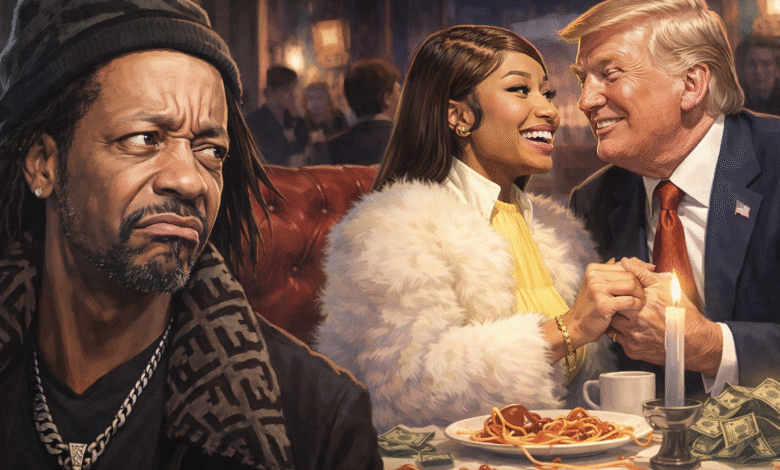
Nicki Minaj Trump Support: A “Sell Out” Masterclass
The conversation around Nicki Minaj Trump support has officially crossed from political curiosity into cultural rupture. Over the past week, viral clips, commentary videos, and social media posts have painted a picture of an artist leaning fully into Trump-world symbolism—prompting intense debate across music, immigration, and Black cultural spaces.
What’s driving the heat isn’t just who she’s aligning with, but how publicly she’s performing that loyalty—and what many believe she’s hoping to gain from it. Perhaps for once, the Barbz can look past the previous hits, past the misplaced loyalty, and past the possible mental health crises and call a spade a spade. Nicki Minaj is a sell out.
The “Trump Accounts” Summit Hijacked
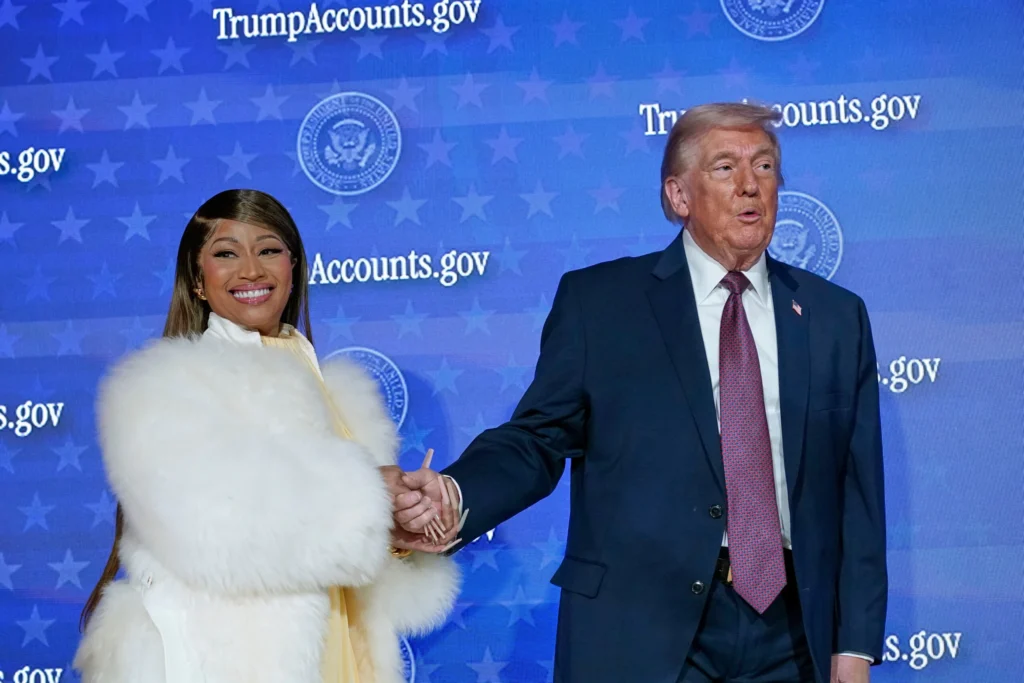
The “Trump Accounts” summit wasn’t meant to go viral. Framed as a child investment policy rollout, the January 28 event in Washington was a buttoned-up affair—until Nicki Minaj took the stage. Introduced as a cultural partner in the new initiative, Minaj used her appearance to declare herself Trump’s “number one fan,” praise his parenting proposals, and tease what appeared to be a fast-track immigration perk. That single moment, captured on stage and amplified online, has since spun into a culture war flashpoint, reshaping how fans and critics alike understand her next chapter.
The Trump Accounts program itself is being pitched as a future-facing family wealth initiative, offering parents a government-matched investment account for each child under 18. While details remain murky, the plan reportedly includes incentives for early participation, tax breaks for private donors, and a yet-to-be-defined celebrity endorsement framework. Critics have called it an election-year distraction. Supporters say it’s a return to “earned prosperity” values. With Minaj’s backing, the initiative now carries not just policy weight—but celebrity spectacle.
The “Gold Card” Narrative and Citizenship Speculation
In circulating videos and posts, Minaj is shown referencing a so-called “Trump Gold Card,” described online as part of a proposed investor-style immigration pathway. Supporters frame it as symbolic access; critics call it reckless misinformation.
Minaj has openly discussed immigrating to the U.S. from Trinidad and Tobago as a child and previously stated she was undocumented early in life. Recent online statements from her have fueled speculation that her legal status is being “finalized”—though no public records or official confirmations have been produced.
Media personality Don Lemon entered the discourse by challenging both the narrative and Minaj’s rhetoric, arguing that celebrating preferential immigration treatment under an administration known for hardline policies exposes deep contradictions. Their online back-and-forth quickly devolved, becoming less about policy and more about credibility, language, and cultural accountability.
What’s clear: the “Gold Card” moment isn’t landing as aspirational. For many immigrants and advocates, it reads as flippant theater around an issue that has devastated real families.
The Katt Williams Factor: When the Industry Laughs Back
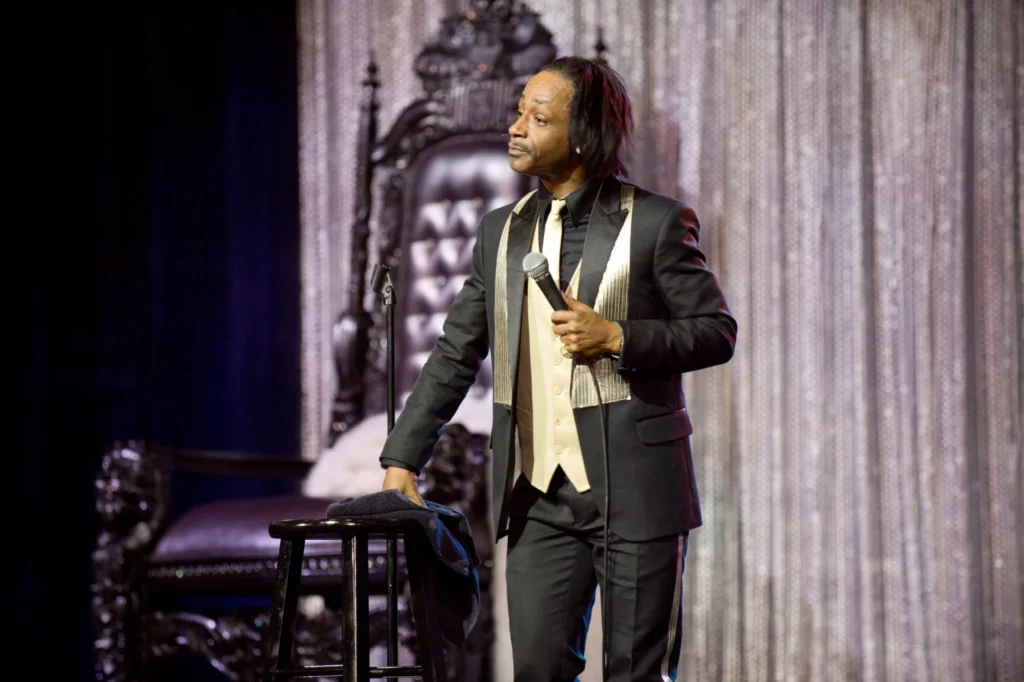
The sharpest cultural sting hasn’t come from politicians or pundits—it’s come from comedians.
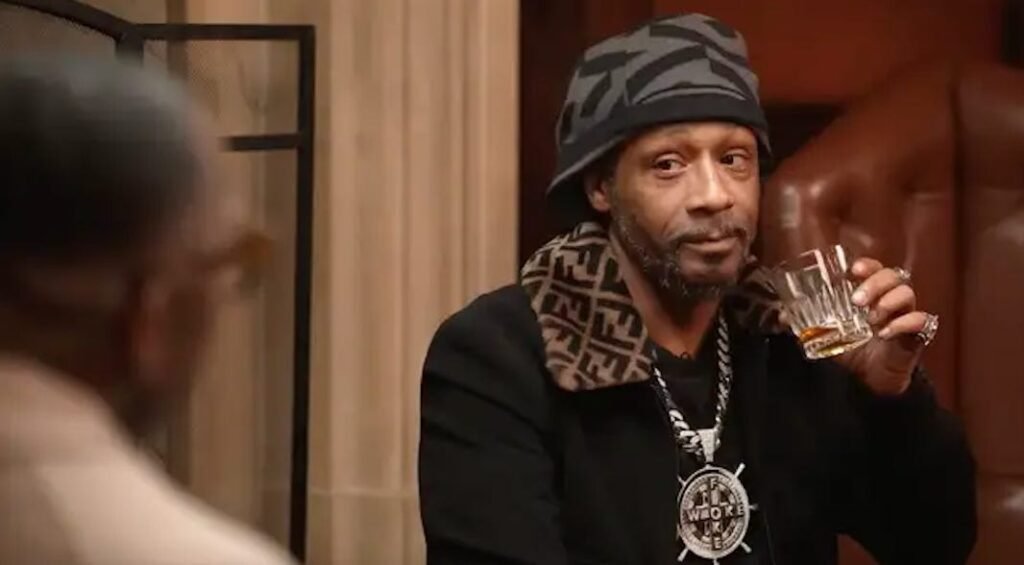
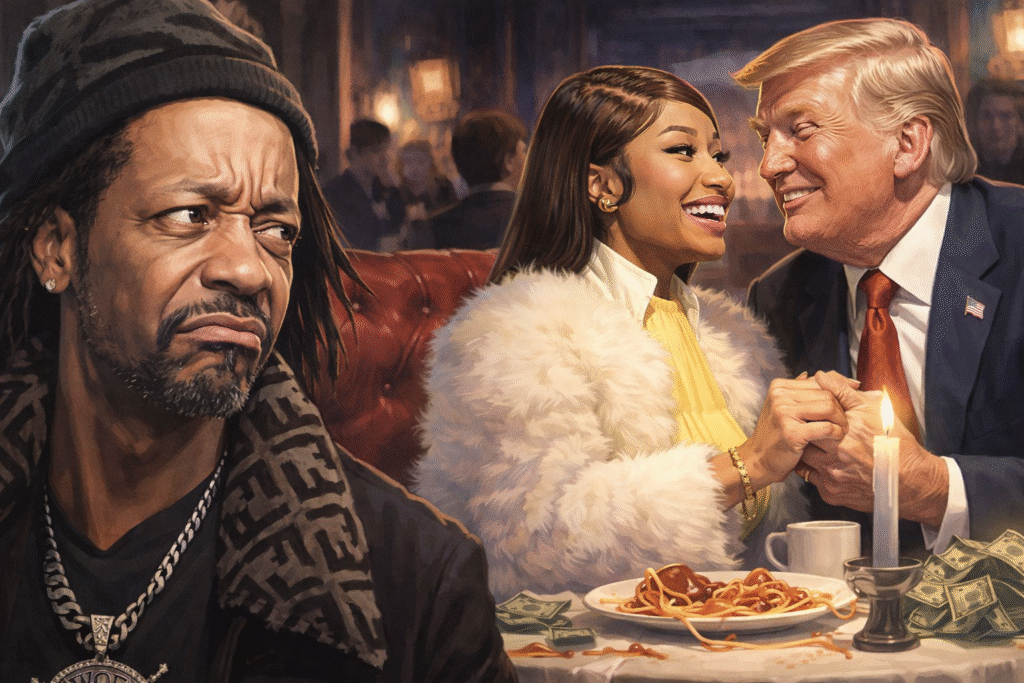
Online commentary repeatedly references Katt Williams as “cackling in the background” of Minaj’s political pivot. While no new on-record statement has surfaced, this framing pulls from Williams’ longstanding mockery of Trump-era absurdities, including his jokes during the pandemic years.
Commentators argue the laughter matters because it signals something dangerous for Minaj: loss of peer respect. Within hip-hop and Black entertainment spaces, being criticized is survivable. Being laughed at is not.
Adding fuel, resurfaced stories claim Minaj once attempted to recruit Williams for tour involvement, only to retreat amid intense fan backlash—an anecdote now used to frame her trajectory as one of shrinking leverage rather than expanding power.
From Influence to Isolation?
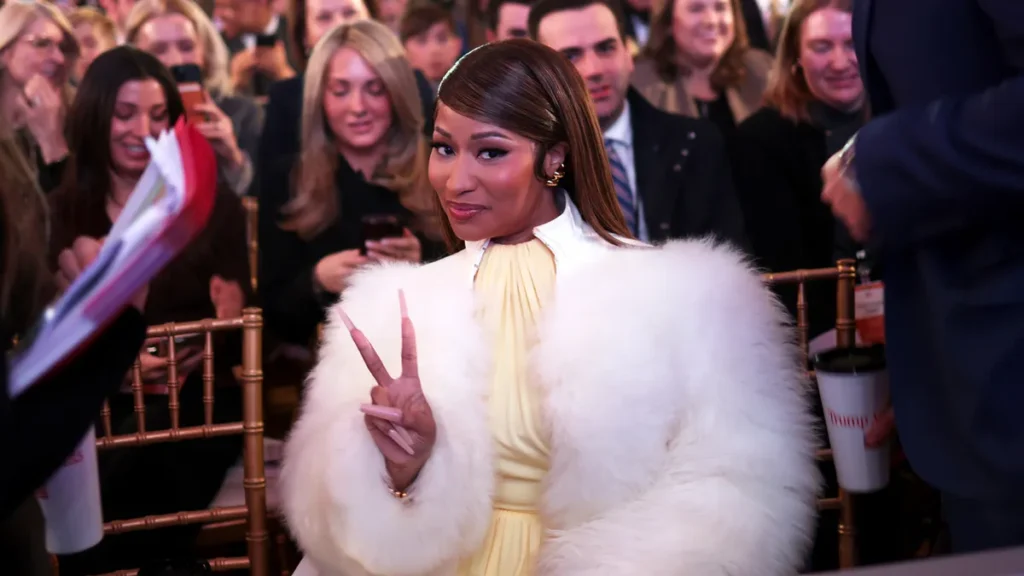
At the heart of this installment isn’t whether Minaj has the right to support Trump—it’s whether the move is strategically sound.
Critics point to:
- Her past criticism of Black celebrities who aligned with Trump
- Her historically LGBTQ+-heavy fanbase now feeling alienated
- Her growing presence at conservative youth and media events
Some analysts suggest the pivot is transactional rather than ideological, speculating about legal protections or family considerations, including her husband Kenneth Petty. Again, these remain unproven theories, but their persistence shows how fragile public trust has become.
In the attention economy, perception is currency—and right now, the perception is volatility.
The Business of Loyalty in Black Culture
This moment exposes an uncomfortable truth: celebrity political alignment isn’t just about belief—it’s about who you’re willing to lose.
For years, Minaj’s brand thrived on outsider identification: immigrants, queer fans, women dismissed by institutions. Aligning with a movement widely seen as hostile to those groups reframes her story from rebel to enforcer.
Supporters argue she’s exercising independence and refusing ideological coercion. Detractors counter that this isn’t independence—it’s performative loyalty to power.
Either way, the fallout is real, and the silence from much of the industry speaks loudly.
Call it What it is: Selling Out
The “Queen of Rap” is officially trading her crown for a MAGA hat, and the fallout is rocking the foundations of the industry. On January 28, 2026, Nicki Minaj appeared alongside President Donald Trump at a Washington summit to launch “Trump Accounts.” While the event was framed as policy, the headlines are dominated by Minaj’s bold declaration: “I am probably the President’s number one fan.”
For many in the Black community, this isn’t just a political shift—it is a textbook case of “selling out.”
Historical Context: The Evolution of the “Sell Out”
The term “selling out” didn’t start in hip-hop; it has deep roots in American political corruption and Black survival strategies.
- Gilded Age Origins: In the 1870s, the phrase was used to describe politicians who compromised the needs of their community for “illicit personal gain.”
- Racial Betrayal: In the Black American context, the “sell out” label emerged as a tool of moral suasion. It identifies individuals who trade group solidarity for a “seat at the table” or personal insulation from the very policies that harm their community.
- Wealth as Insulation: Critics argue that Minaj is using her wealth and celebrity as a shield. While everyday Black and Brown immigrants face the reality of ICE, Minaj is flaunting a “free” Trump Gold Card—a $1 million investor visa—to finalize her citizenship.
The Hypocrisy File: Then vs. Now
The “sell out” charge is bolstered by Minaj’s own historical contradictions. The following table tracks the “Queen’s” pivot from community advocate to “MAGA Princess.”
| Issue | 2018 – 2020 Stance | 2026 Current Stance |
| Immigration | “I can’t imagine the horror of being in a strange place and having my parents stripped away… Please stop this.” | Flaunting a “free” Gold Card while praising the architect of mass deportation policies. |
| Political Alignment | “I’m not gonna jump on the Trump bandwagon.” (Pollstar Live 2020) | “I am probably the President’s #1 fan… it’s not going to change.” |
| Community Advocacy | Offered to help an asylum-seeking fan facing threats based on his sexuality. | Used homophobic slurs against Black journalists (Don Lemon) while defending Trump. |
| Black Solidarity | Criticized other Black celebrities for supporting Trump in 2020. | Actively campaigning with Turning Point USA and launching “Trump Accounts.” |
Key Takeaways
- The “Gold Card” discussion is driven by online discourse, not verified policy or documentation
- Industry reaction has shifted from critique to ridicule, a dangerous turn for cultural credibility
- Minaj’s political alignment highlights deep fractures between celebrity power and community trust
- Speculation about legal or strategic motivations persists due to lack of transparency
- This controversy is reshaping how influence, loyalty, and accountability are debated in Black culture
HfYC Poll of the Day
Follow us and respond on social media, drop some comments on the article, or write your own perspective!
Is Nicki Minaj’s Trump alignment a calculated power move—or a self-inflicted cultural collapse?
Poll Question Perspectives
- Is celebrity political loyalty ever “just business,” or is that a cop-out?
- Can an artist survive when their core audience no longer feels protected by them?
- Are we watching independence—or desperation—play out in real time?
Related HfYC Content
- Malcolm X Warnings & Nicki Minaj at the UN
- Nicki Minaj, Trump, and Black Women Political Weaponization
- Charlie Kirk Loves the Dolls: Conservative Hypocrisy, Viral Tea, and the Politics of Repression
- How Africans Hijacked Essence Festival
- Diddy Legacy Documentary: The Reckoning Reshaping Hip-Hop’s Memory
Other Related Content
- Nicki Minaj Flaunts $1m Trump Gold Card — TVC News
- Nicki Minaj surprises conservatives with praise for Trump, Vance at Arizona event — AP News
- Nicki Minaj Backed Trump’s Lie About Nigeria And The Internet Is Confused — PushBlack
- Trump Meets #1 Fan Nicki Minaj, Has Repulsive Reaction to Ilhan Omar Attack — Jimmy Kimmel Live
- Nicki Minaj to spotlight plight of Nigerian Christians in UN speech arranged by White House — The Guardian
References (APA Style)
For the final section of your article, use these verified citations to maintain journalistic integrity:
- Billboard. (2026, January 29). Nicki Minaj Posts Donald Trump Gold Card, Which Expedites Path to U.S. Citizenship: ‘Welp’.
- Global News. (2026, January 29). Nicki Minaj boasts Trump ‘Gold Card,’ says U.S president is her ‘favourite’.
- Licon, A. G. (2025, December 22). Nicki Minaj surprises conservatives with praise for Trump, Vance at Arizona event. AP News.
- Times of India. (2026, January 29). Benefits of Trump Gold Card: How much did Nicki Minaj pay for it?