New Bank Scam ALERT! How to Protect Our Elders & the UnTeched
In the digital age, our phones have become the front porch of our financial lives. But for many in Newark and Brooklyn, that porch is no longer safe. A sophisticated wave of “vishing”—voice phishing—is targeting our community, specifically leveraging the trust we place in established institutions like Chase Bank.
What makes this new wave of fraud so dangerous isn’t just the technology; it’s the psychological warfare used to turn critical thinkers into compliant victims. Whether you’re tech-savvy or the designated protector in your family, understanding the anatomy of this trap is the first step in defending our collective wealth.
The Anatomy of the Attack: How the Scam Works

The “Perfect Bag” scam—often referred to as the Chase Zelle Spoof—is a masterclass in deception. It typically begins with a phone call that appears on your caller ID as “Chase Bank” or even your local branch.
- The Hook: The scammer poses as a bank employee from the fraud department. They claim there are suspicious Zelle transfers (often totaling around $2,100) pending on your account.
- The Duration: These scammers are patient. They will stay on the line for 15 to 20 minutes, using “case numbers” and “supervisors” to build legitimacy.
- The Damage: Once they have your trust, they instruct you to “reverse” the fake transactions by sending money via Zelle—which goes directly into their accounts.
Why Your Bank’s Security Is Being Weaponized
Scammers now exploit banks’ own security systems. They may trigger a legitimate multi-factor authentication (MFA) code to be sent to your phone and then ask you to read it back. You think you’re verifying your identity, but you’re actually handing over the keys to your account.
The Bank’s Response: Why a “Mistake” Costs You Everything
In the eyes of a bank investigator, there is a massive legal canyon between unauthorized fraud and what regulators call an “Authorized Push Payment” (APP). Understanding this difference could mean the difference between a refund and a devastating financial loss.
The Willingness Trap
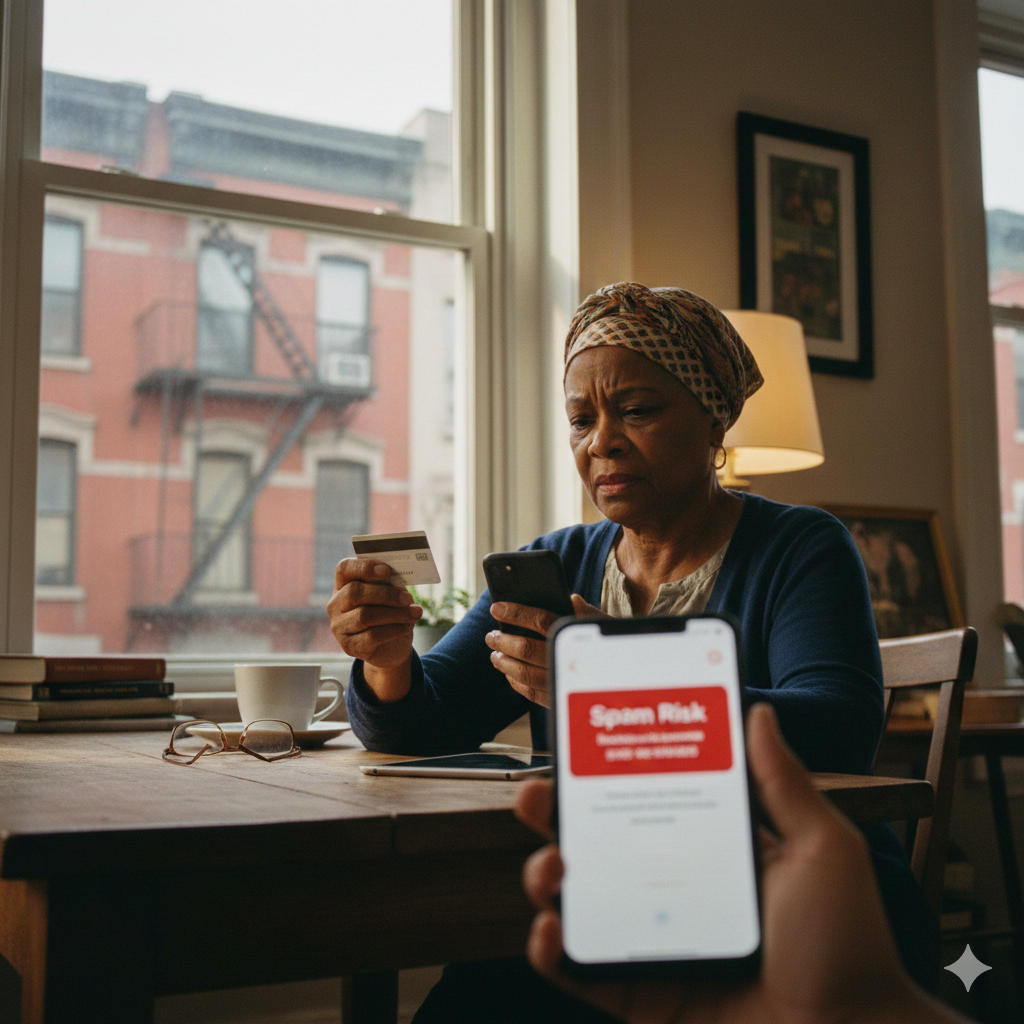
Banks are not just looking at what happened—they’re looking at how it happened. And if you are the one who typed in the amount, read back the code, and hit “send,” the bank argues that their system worked exactly as designed.
Under federal Regulation E, banks must reimburse customers for unauthorized transactions—like if someone hacked your account. But if the transaction was authorized (meaning you pressed the button), even if you were manipulated, the bank considers that your decision. Their logic: the scam wasn’t a system failure; it was a social failure—and they don’t insure those.
This is why many victims are stunned when the bank won’t help. From their point of view, once you shared sensitive information—like an MFA code—or sent money willingly, they can’t prove whether you were scammed, pressured, or just changed your mind.
The 12% Reality: Where Promises Break Down
In response to public pressure, some banks announced policy changes in late 2023 and 2024 to reimburse more imposter scams. But the numbers tell a harder truth.
A Senate investigation revealed that while nearly two-thirds of scam victims received refunds in 2019, by 2023 that number had dropped to just 38%. For Zelle scams specifically, only 12% of consumers were reimbursed after disputing a fraudulent payment.
Banks increasingly label these claims as “first-party fraud” (meaning they suspect the customer isn’t being truthful) or “gross negligence” (meaning they believe the customer ignored warning signs). Either label is often used to deny reimbursement.
The Hard Truth: What Banks Will (and Won’t) Cover
This is where a “community resource” turns into a “community warning.”
- Unauthorized Access: If someone hacks your account without your help, you’re typically protected under federal law.
- Authorized Push Payments: If you send the money yourself, even under false pretenses, banks often call this “authorized.”
- The Verdict: Most banks, including Chase, treat Zelle like cash. Once it’s gone, it’s nearly impossible to recover. While some policy shifts in late 2025 and early 2026 pressure banks to reimburse imposter scams, success is not guaranteed.
How to Fight Back: The “Build a Case” Strategy
If someone in your family falls victim to this kind of scam, a single call to customer service won’t cut it. You need to build a legal and psychological case to force escalation. Here’s how:
- Use Legal Language: Say the words “I’d like to file a Regulation E Dispute.” This phrase triggers a legal requirement for the bank to investigate.
- Document the Scam Step-by-Step: Write down a timeline of everything that happened, including the exact time the fake call came in. Screenshot your caller ID if it showed “Chase” or another spoofed bank name.
- File a Police Report Immediately: This transforms your claim from a complaint to a legal incident. It adds third-party verification that banks take more seriously.
- Escalate to the CFPB: If your claim is denied, file a complaint with the Consumer Financial Protection Bureau. The bank is then legally obligated to respond to a federal agency—and often that brings your case to someone with the authority to reverse the decision.
The Bottom Line
In this system, being scammed doesn’t guarantee help. Banks are protecting their processes, not always their people. That’s why culturally specific financial education—and community-driven prevention—is the first, and sometimes only, line of defense.
Best Practices: A Survival Guide for Our Elders

To protect the less tech-savvy members of our community, we must turn awareness into actionable habits:
- The “Hang Up and Call Back” Rule: If “the bank” calls you, hang up. Then call the number on your debit card.
- Codes Are Private: Never share a one-time passcode (OTP) over the phone. No real bank will ask for it.
- Zelle Is for Friends ONLY: Would you hand a stranger $100 in cash on Broad Street? No? Then don’t send it via Zelle.
- Slow Down: Scammers rely on urgency. If someone says you must act now, that’s your signal to pause.
The Fraud Resource Checklist: Your First 48-Hour Action Plan
If you or a loved one has been targeted, do not wait for the bank to call you back. You must create an “official paper trail” that proves you were the victim of an imposter. Use this checklist to move from panic to protection.
1. Immediate Financial Containment
- Call the Bank’s Fraud Department: Do not use the number that called you. Call the official number on the back of your physical debit/credit card.
- Freeze the Account: Ask the bank to freeze the compromised account and issue a new debit card with a new number.
- Request a “Regulation E Dispute”: Specifically use this phrase. It triggers a federal legal requirement for the bank to investigate within 10 business days.
2. Create the Official Record
- File a Police Report: Call your local Newark or Brooklyn precinct’s non-emergency line. A police report number is often the only way to get a bank to escalate an “authorized” scam claim.
- Report to the FTC: Visit ReportFraud.ftc.gov. This creates a federal record of the scam which you can send to your bank as evidence.
- FBI Internet Crime Complaint: If the scam happened online or via an app, file a report at ic3.gov.
3. Protect Your Identity & Credit
- Place a Credit Freeze: This prevents scammers from opening new loans in your name. You must contact all three bureaus individually:
- Equifax: 1-800-685-1111 (equifax.com)
- Experian: 1-888-397-3742 (experian.com/help)
- TransUnion: 1-888-909-8872 (transunion.com/credit-help)
4. The Escalation (If the Bank Denies Your Claim)
- File a CFPB Complaint: If the bank refuses to refund you, submit a formal complaint to the Consumer Financial Protection Bureau.
- Website: consumerfinance.gov/complaint
- Phone: 1-855-411-2372 (Available in 180+ languages)
- Contact the Ombudsman: Ask the bank for the contact information of their internal “Ombudsman” or “Compliance Department.” This moves your case away from customer service and into the hands of legal experts.
Leading the Charge: Black Financial Literacy Platforms
Protecting Black wealth requires culturally fluent education. These leaders are paving the way:
- Operation HOPE (John Hope Bryant): Focused on financial dignity, “silver rights,” and providing coaching to help individuals and small businesses navigate financial crises.
- Website: operationhope.org
- The Budgetnista (Tiffany Aliche): A Newark native and award-winning financial educator known for her “Live Richer” movement and expertise in financial wholeness.
- Website: thebudgetnista.com
- Clever Girl Finance (Bola Sokunbi): One of the largest personal finance platforms for women of color, offering free courses and resources to help dump debt and build sustainable wealth.
- Website: clevergirlfinance.com
Key Takeaways
- Scammers are mimicking banks and using real security features to commit fraud.
- Victims often “authorize” the scam under pressure, making bank reimbursement unlikely.
- Multi-factor codes are a weak point—never share them.
- Zelle should be treated like handing over physical cash.
- Protecting elders requires shifting from awareness to real-time prevention habits.

HfYC Poll of the Day
Follow us and respond on social media, drop some comments on the article, or write your own perspective!
Poll Question: Have you or someone in your family been contacted by a caller claiming to be from a bank’s “fraud department” in the last six months?
Poll Question Perspectives
- Should banks be legally required to refund all “authorized” scams if the victim was impersonated?
- Is the convenience of instant-pay apps like Zelle worth the increased risk of unrecoverable fraud?
Related HfYC Content
- Amazon QR Code Scam Christmas Alert
- 11 PM in Newark: Safety, Freedom, and the Generation Caught in the Middle
- $970M Newark Budget Plan Raises Painful Tax Concerns
- The 2026 Wellness Shift: How Newark Black-Owned Gyms Are Reclaiming Health
Other Related Content
- How to Use Zelle® Safely – Chase Bank
- National Elder Fraud Hotline – Department of Justice
- Chase Customers Are Waking Up to Empty Accounts — Here’s How It’s Happening
References
- Aura. (2026). How To Avoid the 12 Latest Zelle Scams of 2026. https://www.aura.com/learn/zelle-scams
- Payments Dive. (2024, July 25). Zelle, big banks challenge senators on scam reimbursements. https://www.paymentsdive.com/news/zelle-big-banks-challenge-senators-on-scam-reimbursements/722382/
- YouTube. (2025). I Got Scammed $2,100 On Chase Zelle (The Perfect Bag). https://www.youtube.com/watch?v=uZP6KaAx9bY