In With the Old: Is New Jersey’s New Leadership Governing Differently?
The whirlwind transition from January 20th, 2026 to January 28th, 2026th marked more than a change in personnel. Early signals suggest New Jersey’s political focus may be shifting toward workforce development, structural oversight, and energy infrastructure.
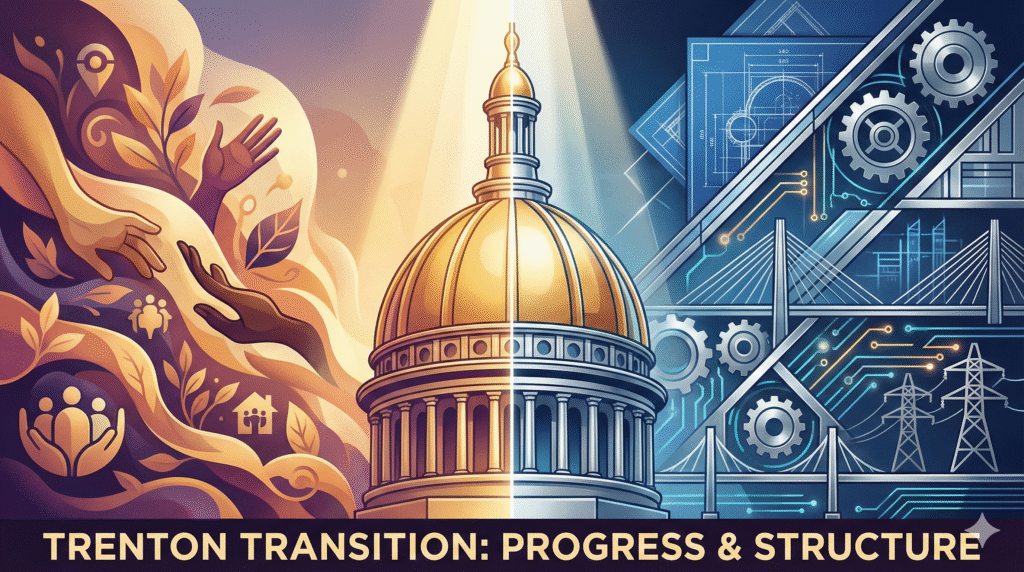
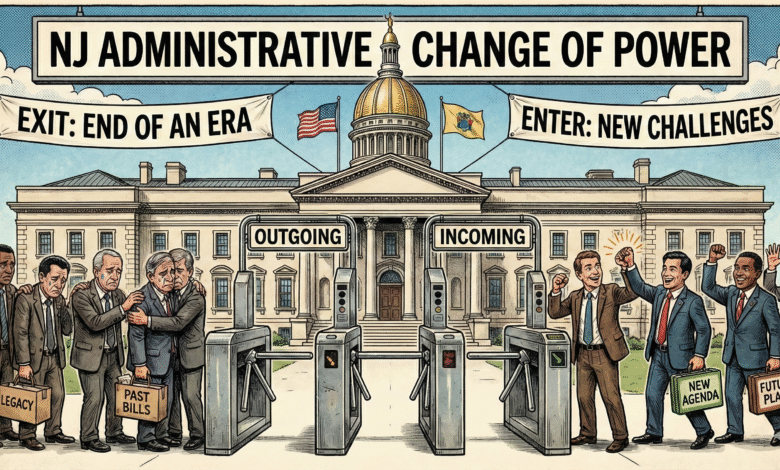
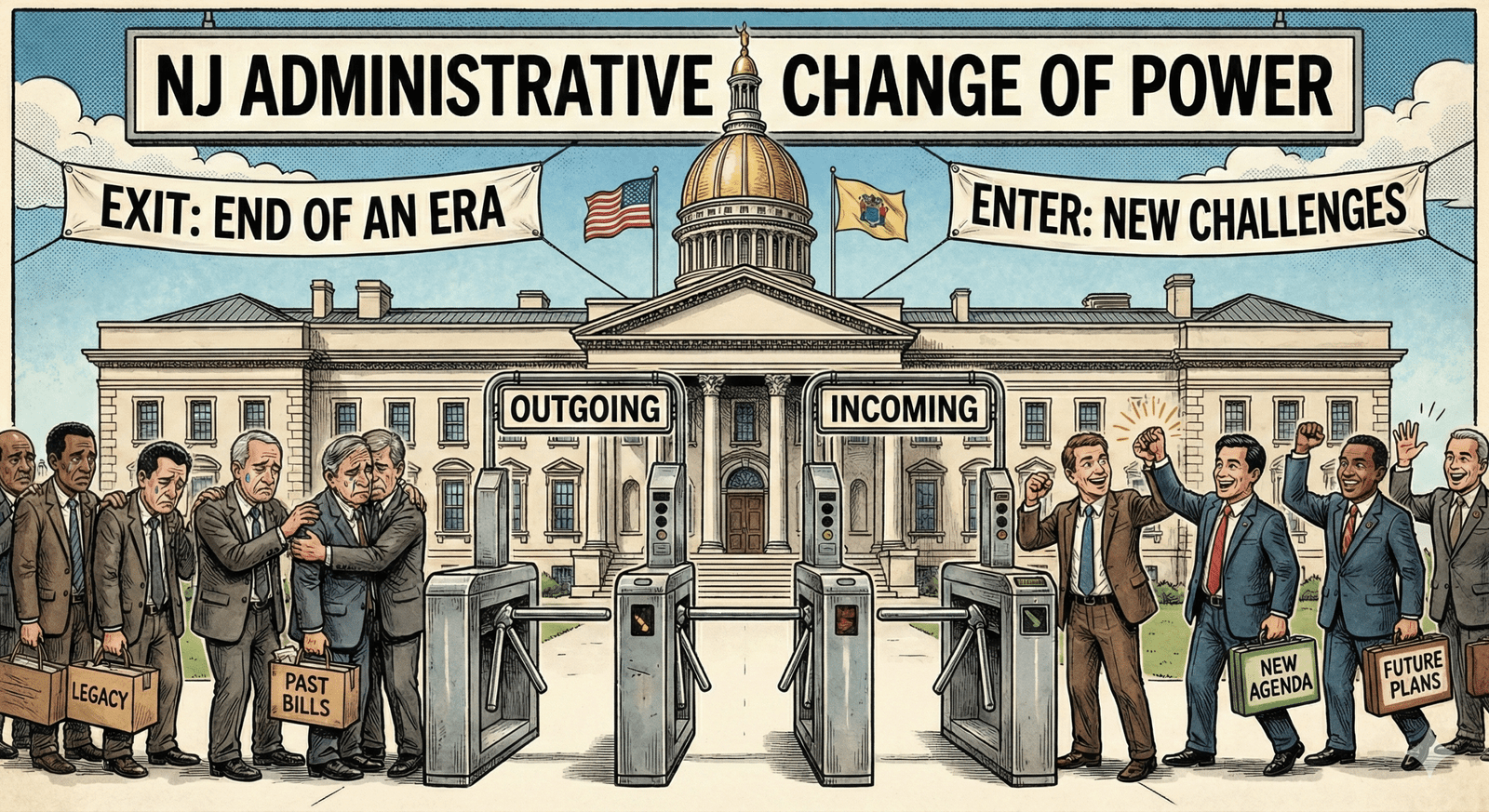
The political atmosphere in Trenton shifted noticeably over the course of a single week in late January. Between January 20 and January 28, New Jersey experienced not just a routine transfer of power, but a visible change in governing posture—one that may signal how the state intends to operate over the next several years. What’s emerging is not a sharp ideological turn, but a different theory of governance—one that prioritizes management, execution, and institutional control over symbolic policy expansion.
The transition began with a flurry of late action. In the final hours of the outgoing administration, more than 100 lame-duck bills were signed into law, closing out an era defined by progressive social policymaking. Measures ranging from authorizing psilocybin use to mandating fentanyl education in schools and codifying protections for marginalized groups solidified that legacy.
But when the Senate reconvened on January 28 to organize the new government, the tone shifted. The early focus moved away from expanding social definitions and toward the mechanics of governing itself: staffing, systems, oversight, and economic execution.
By looking closely at the first round of Cabinet nominations and the initial slate of bills introduced that day, an early outline of the new administration’s governing posture begins to emerge—one that appears less ideologically driven and more centered on economic pragmatism, institutional management, and politically unifying “quick wins.”
What follows is an early read on where Trenton may be headed—and what that shift could mean for Black communities across New Jersey.
The Cabinet: A Return to Managerial Governance

The first real indicator of any administration’s priorities is who it chooses to run the state.
The Cabinet nominations sent to the Senate Judiciary Committee on January 28 suggest a preference for continuity, experience, and administrative competence rather than ideological shakeups. The selections point toward managing existing systems more efficiently, not tearing them down.
The nomination of Jennifer Davenport as Attorney General and Aaron Binder as State Treasurer—replacing more publicly visible predecessors—signals an emphasis on steady stewardship in two of the state’s most powerful roles. Meanwhile, the nomination of Dr. Stephen Cha, coming from Washington, D.C. to lead the Department of Human Services, suggests an interest in aligning New Jersey’s social service infrastructure with national best practices.
Taken together, these picks do not suggest a “burn it down” approach. Instead, they indicate an administration focused on stabilizing the machinery of government and tightening execution.
The Legislative Pivot: Four Early Signals to Watch
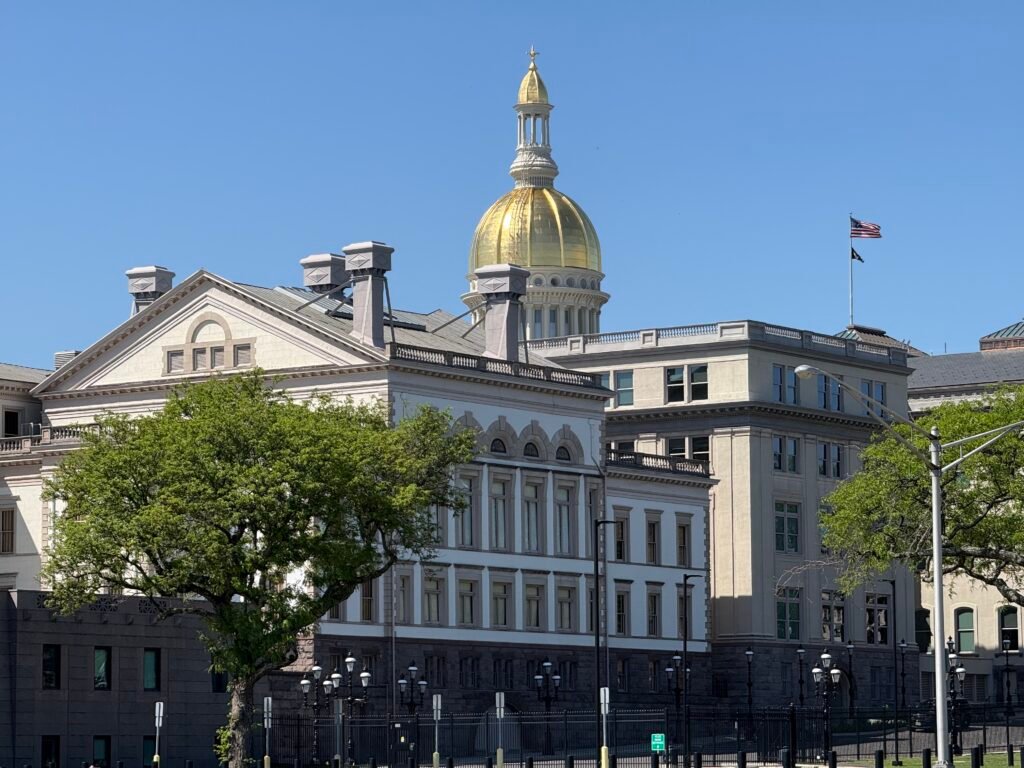
Taken together, these bills suggest less interest in redefining values—and more interest in tightening how the state actually functions. While Cabinet picks emphasize continuity, the first batch of legislation introduced on January 28 offers clearer insight into where early legislative energy may concentrate.
1. Workforce Development Over Academic Theory
One of the most noticeable thematic shifts is a renewed emphasis on career readiness and job pipelines. A cluster of bills introduced by Senator Singleton proposes the creation of a “Skills Service Corps,” an “Earn and Learn” tax credit program for employers, and a statewide Skills Academy Network.
Together, these proposals suggest a “jobs first” mentality—prioritizing vocational training, apprenticeships, and direct pathways into employment over purely academic mandates.


Impact on Black Communities
Historically, in some states and school districts, vocational tracking has been misused to steer Black students away from higher education. That history makes caution necessary. However, if implemented with equity and oversight, this shift could also represent a significant opportunity: debt-free pathways into high-paying trades, technology, and emerging industries that bypass the student loan crisis disproportionately affecting Black graduates.
What to Watch & Prepare For
- Access & Location: Are Skills Academies placed in or meaningfully accessible to Black and urban communities, or concentrated in suburban hubs?
- Employer Accountability: Do employers receiving “Earn and Learn” tax credits demonstrate diverse hiring, or are public funds subsidizing existing networks?
- Future-Focused Skills: Will training include tech, green energy, and advanced manufacturing—not only traditional manual labor roles?
2. Energy Policy Becomes a Development Strategy

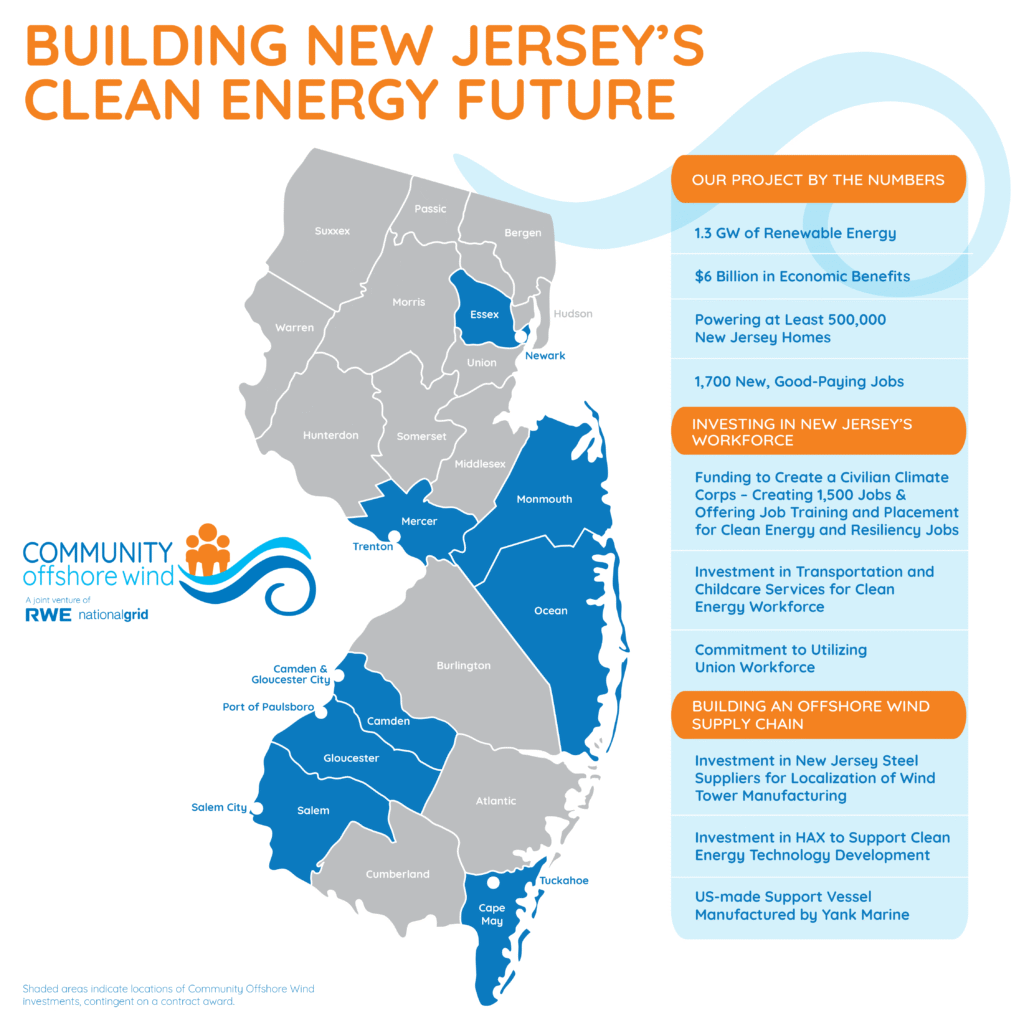
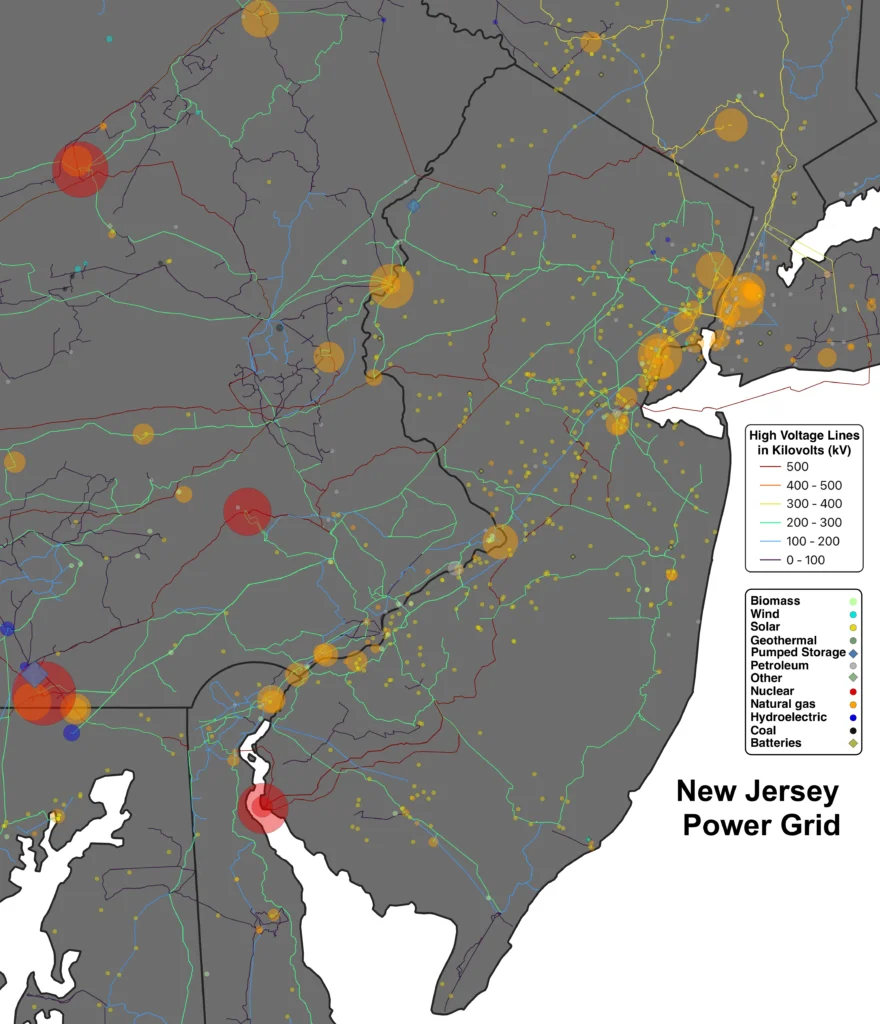
Energy policy appears to be moving from a regulatory concern to a core economic strategy. The introduction of legislation proposing a standalone Division of Energy Resource and Development is a significant structural move.
Rather than treating energy solely as an environmental or compliance issue, this approach frames it as infrastructure—requiring long-term planning, investment, and administrative capacity.
Impact on Black Communities

Energy infrastructure has historically either burdened Black communities through pollution and displacement or excluded them from the economic benefits of development. A division explicitly focused on “development” could either repeat those patterns or begin to correct them.
What to Watch & Prepare For
- Environmental Justice Guardrails: Does the legislation embed New Jersey’s Environmental Justice Law into the new division’s mandate?
- Contracting Equity: Are minority- and Black-owned businesses positioned to participate in energy-related contracts?
- Urban Grid Investment: Will modernization efforts prioritize aging electrical infrastructure in cities that have long been underinvested?

3. A Growing “Reform and Oversight” Mindset
Several bills introduced on Day One suggest an appetite for auditing and streamlining state government. Proposals include deactivating long-dormant advisory committees, mandating automatic recounts in close local elections, and establishing a commission to study the Open Public Records Act (OPRA).
The throughline is institutional self-examination.
Impact on Black Communities
“Efficiency” efforts often carry risk. Historically, equity-focused councils and oversight bodies are frequently among the first casualties of budget cuts or restructuring. Transparency laws like OPRA are especially critical for journalists, organizers, and residents investigating police misconduct, housing discrimination, and unequal school funding.
Any weakening of OPRA would quietly shift power away from communities and toward institutions.
What to Watch & Prepare For
- The Deactivation List: Are diversity councils or urban task forces at risk simply because they lacked funding or appointments?
- Transparency Defense: Do OPRA reforms preserve affordable access to public records, or raise costs and delays that disadvantage grassroots groups?
4. Veterans Affairs as a Unifying Policy Lane
In an apparent effort to establish bipartisan ground, veterans’ issues dominated a large share of the bills introduced on January 28. Proposals range from a Veterans Bill of Rights to task forces focused on suicide prevention and outdoor recovery programs.
Veterans policy has become a consensus lane—low-conflict, high-symbolism, and emotionally resonant.

Impact on Black Communities
Black veterans have long faced barriers in accessing the benefits they earned, from the original GI Bill to modern healthcare disparities. A Veterans Bill of Rights presents an opportunity to codify fairness—but only if disparities are explicitly acknowledged.
What to Watch & Prepare For
- Data Transparency: Will the state track racial disparities in veteran services?
- Discharge Status Support: Are legal pathways included for veterans seeking discharge upgrades that affect benefit eligibility?
- Representation: Do advisory boards and task forces include Black veterans and culturally competent leadership?
What This Moment Reveals
The transition from January 20 to January 28 marked more than a change on the calendar. It reflected a gear shift in how New Jersey may govern—toward a more centrist, managerial approach focused on execution rather than ideological expansion.
For Black communities, this shift brings both promise and risk. Investments in jobs, infrastructure, and veterans’ services could yield tangible gains. At the same time, a heavy emphasis on “efficiency” and “oversight” demands vigilance to ensure equity mechanisms are not quietly dismantled.
The work ahead is not just about opposing or supporting legislation—but about watching implementation closely, asking the right questions early, and ensuring that pragmatism does not come at the expense of justice.
The real question now isn’t whether New Jersey is moving forward or backward—but whether this return to managerial governance delivers results without leaving equity behind.
Key Takeaways
- New Jersey’s early legislative agenda suggests a shift toward governance, infrastructure, and workforce execution.
- Workforce development bills could expand economic access—or reinforce old inequities—depending on implementation.
- Energy policy is being reframed as economic development, raising both opportunity and environmental justice concerns.
- Oversight reforms require close scrutiny to protect transparency and equity-focused institutions.
- Veterans’ policy offers bipartisan momentum, but racial disparities must be explicitly addressed.
HfYC Poll of the Day
Follow us and respond on social media, drop some comments on the article, or write your own perspective!
Do you see New Jersey’s new governing approach as a step toward stability—or a risk to hard-won equity gains?
Poll Question Perspectives
- Is “nuts-and-bolts governance” what New Jersey needs right now?
- Can centrist, managerial leadership still deliver equity for Black communities?
- Does focusing on jobs and infrastructure strengthen or sideline social justice?
Related HfYC Content
- Building Power: How PLAs Shut Out Black Contractors
- $600K New Jersey Racial Wealth Gap = Gentrification Today + Homelessness Tomorrow
- Employee Engagement Decline Hits Home in Northern NJ & Brooklyn
- Is a Rightward Democratic Shift Still Aligned with Black Values?
Other Related Content
Government & Legislative Sources
- New Jersey Legislature Bill Tracker
https://www.njleg.state.nj.us/
Primary source for all bills referenced, including workforce, energy, and oversight legislation. - New Jersey Office of the Attorney General
https://www.njoag.gov/
Context for the Attorney General nomination and institutional role. - New Jersey Department of the Treasury
https://www.nj.gov/treasury/
Relevant to fiscal management and the State Treasurer’s responsibilities.
Energy & Environmental Policy
- New Jersey Environmental Justice Law Overview (NJDEP)
https://www.nj.gov/dep/ej/
Authoritative source for environmental justice guardrails referenced in the energy section. - New Jersey Board of Public Utilities – Energy Planning
https://www.nj.gov/bpu/
Context for grid modernization and energy infrastructure governance.
Transparency, Oversight & Governance
- New Jersey Open Public Records Act (OPRA) Overview
https://www.nj.gov/grc/opra/
Primary reference for public records access and transparency concerns. - National Conference of State Legislatures – Government Oversight
https://www.ncsl.org/legislative-staff/oversight
National context for legislative reform and oversight trends.
Workforce Development & Economic Policy
- National Conference of State Legislatures – Workforce Development Policy
https://www.ncsl.org/workforce
Broad policy context for “jobs-first” and skills-based training approaches. - U.S. Department of Labor – Apprenticeship Programs
https://www.apprenticeship.gov/
Federal framework relevant to earn-and-learn models.
Veterans Affairs
U.S. Department of Veterans Affairs – Discharge Upgrade Guidance
https://www.va.gov/discharge-upgrade-instructions/
Supports discussion of benefit access and discharge-status equity.