
Beyond the Redactions: What the Epstein Files Actually Reveal—and the Growing Global Silence on Charges
The unsealed Epstein files have re-entered the global spotlight—but not with the clarity many hoped for. Despite millions of pages released under the 2025 Transparency Act, the cascade of disclosures has produced more narrative friction than new accountability. Here’s what we know for sure, what remains unproven, and how global players are beginning to respond, even as the U.S. Department of Justice holds its position.

Key Takeaways
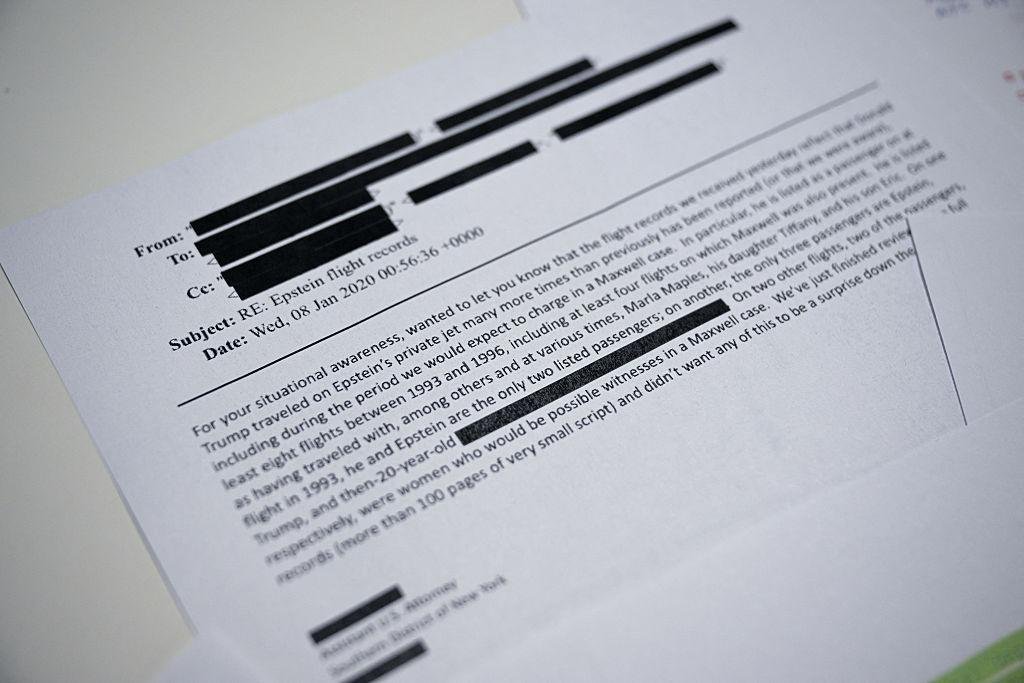
- Proven Evidence: Released documents confirm a massive operation involving the recruitment and grooming of minors, supported by thousands of videos and images of illegal material.
- Unproven Claims: Despite widespread theories, a 2025 DOJ memo stated that no definitive “client list” was found, nor was there credible evidence of blackmail against prominent figures.
- International Action: Countries like Poland and Norway have launched probes into Epstein’s local connections and potential ties to foreign intelligence services.
- Stalled Accountability: While millions of pages have been released, U.S. officials state the files do not currently provide enough evidence to predicate new criminal investigations against uncharged third parties.
The Proven Evidence: A System of Abuse

The Epstein Files Transparency Act of 2025 forced the release of over 300GB of federal investigative material. Those documents—including grand jury proceedings and first-person accounts—have confirmed what survivor testimony had long established: Epstein orchestrated a sprawling child abuse operation. Girls as young as 14 were paid not only to engage in sexual acts but to lure others into the same exploitation cycle.
Federal reviewers estimate over 1,000 direct victims. Digital evidence includes thousands of illegal images and videos. This is not rumor. It is now documented, proven, and archived as historical fact.
Navigating the Unproven: Allegations vs. Fact

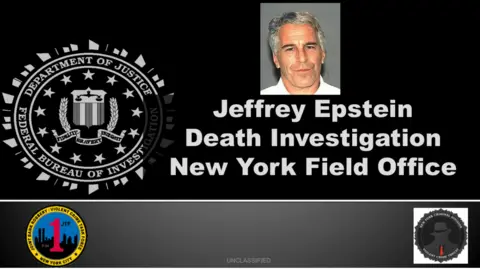
Yet, the sensational focus remains elsewhere: a so-called “client list,” blackmail operations, and secret intelligence ties. The DOJ’s 2025 memo counters this, stating that much of the alleged list is “unverified hearsay.” Appearances in flight logs or photos—however high-profile the individual—do not establish criminal guilt.
Justice officials emphasize that proximity does not equal participation. For many named, the files offer no further evidence of misconduct. In their words: “association alone is not a predicate for federal prosecution.”
International Probes: Poland and Norway Lead the Way

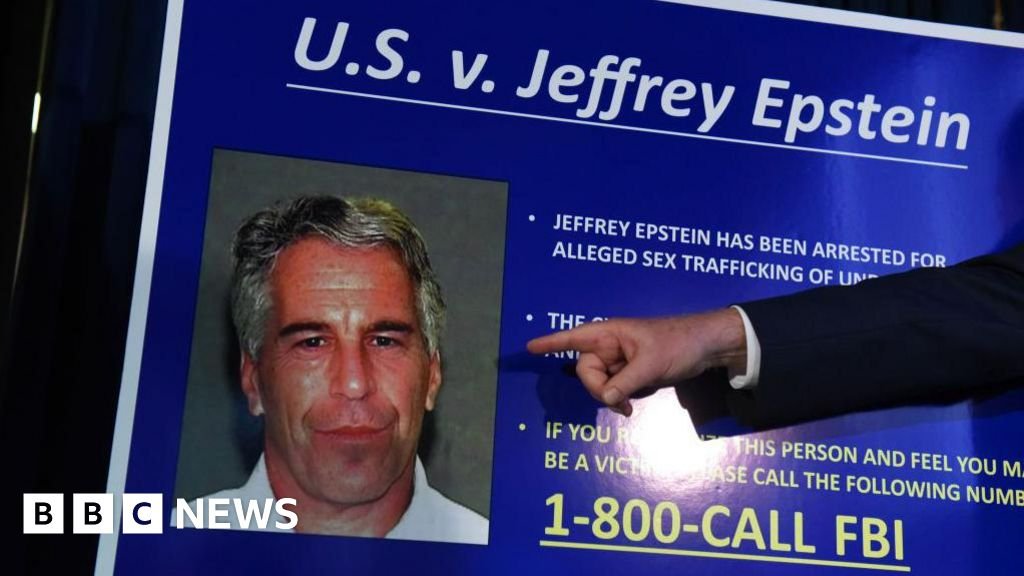
Outside the U.S., some nations aren’t waiting. In February 2026, Poland’s Prime Minister Donald Tusk announced a government-backed task force exploring “Polish threads” in the Epstein network, particularly those that may involve Russian intelligence ties.
Norway, too, has been compelled to act. Investigative pressure mounted after media leaks revealed correspondence between Epstein and members of the Norwegian royal family. Norway’s foreign ministry now faces formal inquiry proceedings over their failure to disclose these relationships.
The Russian Context: Adoptions as a Geopolitical Tool

The Russian backdrop is not just about espionage—it reopens the story of the 2012 Dima Yakovlev Law. Passed in retaliation for U.S. sanctions (the Magnitsky Act), this law banned Americans from adopting Russian children. Though publicly positioned as child protection, critics argue the policy used vulnerable orphans as diplomatic leverage.
With Epstein’s name surfacing in adoption-related correspondence, some analysts now wonder whether “humanitarian” narratives were ever the real story.
The Primary Conflict: Transparency Without Charges

Despite the files’ weight and scope, U.S. officials have publicly stated there is no current basis for new criminal charges against unindicted figures. Deputy Attorney General Todd Blanche summarized the DOJ stance: the evidence “documents past abuse but does not meet the standard for new indictments.”
For survivors and their advocates, that distinction cuts deep. The files function more like an archive than a path to present-day justice.
HfYC Poll of the Day
Do you believe the release of the Epstein files will eventually lead to new criminal charges, or is the current lack of action the final word?
Follow us and respond on social media, drop some comments on the article, or write your own perspective!
Alternative Poll Question Perspectives
- Should other countries follow Poland and Norway’s lead in launching independent probes into Epstein’s international ties?
- Do unverified names in the Epstein files deserve public discussion, or should association without proof remain private?
- Is the DOJ’s decision not to charge more individuals a sign of due process—or selective protection?

Related HfYC Content
- Epstein Files, Power Games & Public Trust: Why the Latest Revelations Matter for Black America
- Congress Voted on the Epstein Files, Now What?
- Dr. Cheyenne Bryant and the Hard Lessons About Black Credibility in Digital Spaces
- Dubai Porta Potty – Securing the Bag or Sex Trafficking Crisis?
Other Related Content
- The Unsealed Jeffrey Epstein Documents Explained – The Guardian
- No “Client List”: DOJ Clarifies Epstein Files – Reuters
- Poland Launches Epstein Probe Amid Intelligence Concerns – Politico EU
- Norway’s Royal Ties to Epstein Under Review – NRK

-

-

-

-

