Dr. Cheyenne Bryant and the Hard Lessons About Black Credibility in Digital Spaces
When Influence Outpaces Verification: Why the Dr. Cheyenne Bryant Conversation Won’t Die
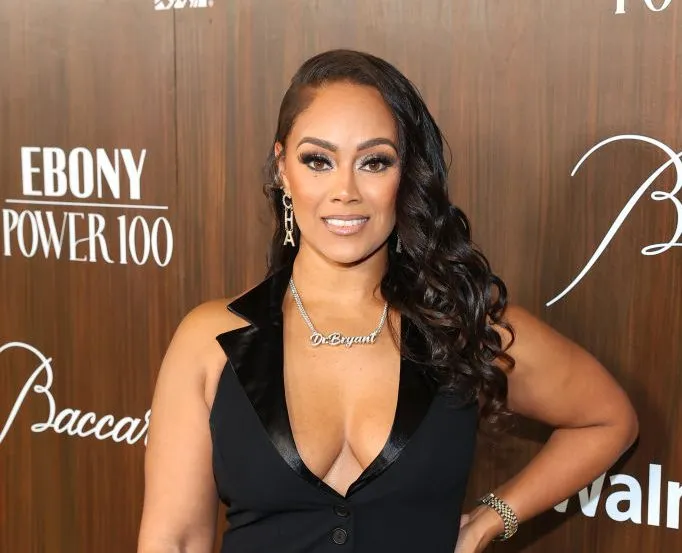
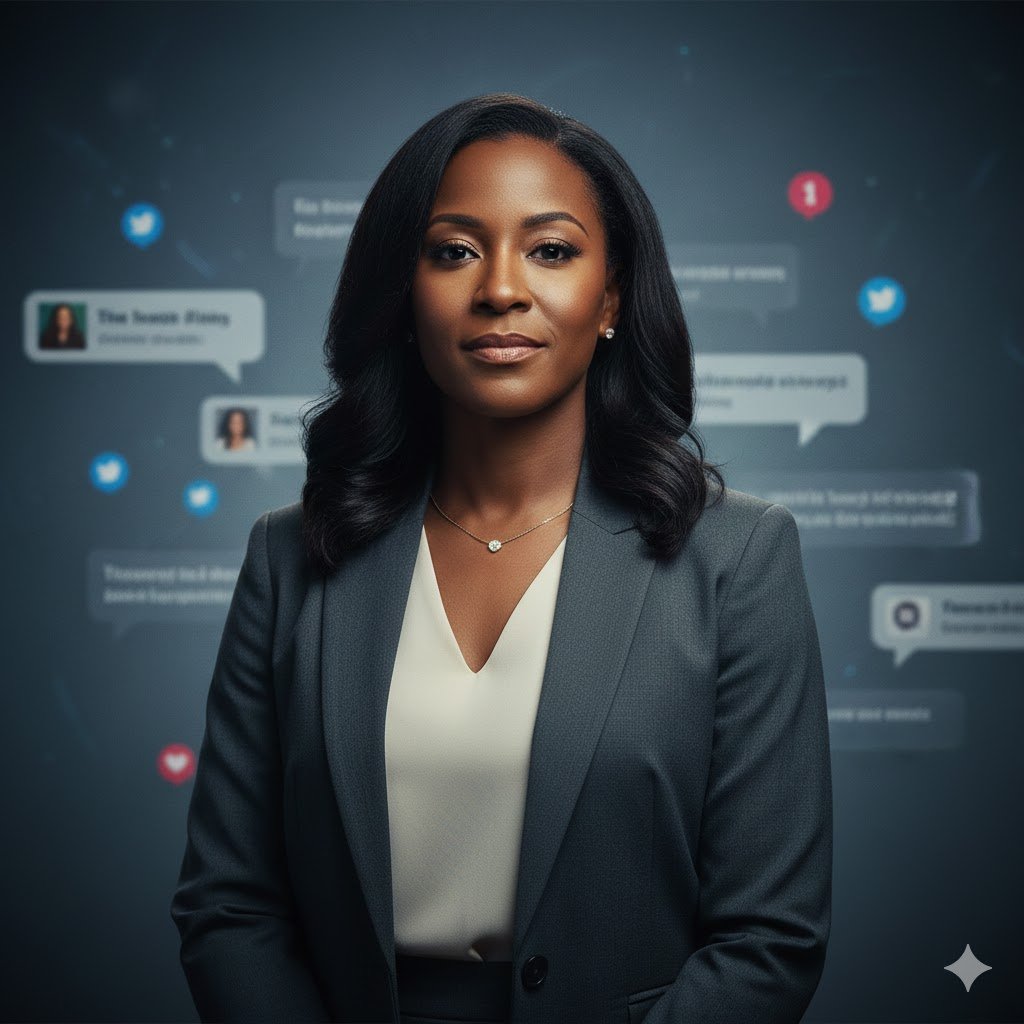
The Dr. Cheyenne Bryant controversy didn’t begin with court documents, regulatory filings, or formal complaints. It began where so many modern reckonings do: on social media timelines, podcasts, comment sections, and reaction videos. Questions about her academic credentials, professional standing, and personal life spread rapidly, pulling in pop-culture moments, celebrity interactions, and speculation that blurred the line between accountability and entertainment.
What’s at stake here is bigger than one person. This moment forces a necessary community conversation about how credibility is built, challenged, and sometimes dismantled in Black digital spaces — especially when platforms reward virality more than verification.
This article does not attempt to declare guilt or innocence. Instead, it examines what this moment teaches us about credentials, professional boundaries, media literacy, and the unique pressures Black women face when visibility turns into scrutiny.
The Allegations Circulating — and Why Precision Matters

To understand why this discussion has become so heated, it’s important to outline what is being alleged, without presenting rumor as fact.
Questions Around Her PhD
Online critics have raised questions about:
- The institution where Dr. Cheyenne Bryant earned her PhD
- Whether the degree aligns with how she is perceived by the public
- Whether audiences have assumed credentials that were never explicitly claimed
No publicly verified disciplinary action or revocation has been established in widely accessible records. That distinction matters. Academic degrees vary widely in scope, accreditation, and professional application, and not all PhDs are designed for clinical practice.
Why She “Can’t Be Held to Psychologist Standards”
One of the most repeated claims is that Dr. Cheyenne Bryant should not be judged by licensed psychologist standards because she allegedly does not hold clinical licensure.
This highlights a widespread misunderstanding:
- A PhD is an academic degree
- A licensed psychologist must meet state-specific clinical, supervision, and examination requirements
Without licensure, a person cannot legally practice as a psychologist — but they can still hold a doctorate, teach, research, coach, or speak publicly within ethical boundaries. The confusion isn’t just individual; it’s systemic, and social media often collapses these distinctions into one vague idea of “expert.”
The Paul Pierce Interaction: When Celebrity Moments Become ‘Receipts’
A public interaction involving Paul Pierce became a flashpoint, with viewers interpreting it as confirmation, contradiction, or exposure — depending on their perspective.
But celebrity proximity is not credential verification. A viral exchange may shape perception, but it does not substitute for documentation, oversight, or professional review. This moment reveals how celebrity culture often gets mistaken for institutional validation in the digital age.
Personal Life, Performed Authenticity, and the Slippery Slope of ‘Accountability’
Some of the most heated discourse surrounding Dr. Bryant has centered not just on credentials, but on perceived inconsistencies between the life she publicly narrated and the life audiences now believe she was privately living.
Specifically, critics point to:
- Claims that a person presented publicly as security is allegedly her romantic partner
- Statements she previously made offering insights on Black male–female relationships
- References to a “mystery man” she claimed to have dated for several years
The tension here is more nuanced than sexual orientation alone. The deeper issue many audiences are grappling with is authenticity.
If an influencer positions themselves as a trusted voice on Black relationships, intimacy, and gender dynamics — while allegedly presenting a personal narrative that contradicts those teachings — it raises an uncomfortable but legitimate question for followers: what else may be curated, exaggerated, or fabricated for influence?
This is where speculation shifts from voyeurism into skepticism about credibility. Not because anyone owes the public access to their private life — they don’t — but because brand trust in the digital age is built on perceived alignment between message and lived reality. When that alignment appears fractured, audiences begin questioning whether they are engaging with a grounded expert or a personality optimized for attention, relevance, and likes.
That skepticism does not automatically make every rumor valid. But it does explain why conversations about “accountability” emerge so quickly in influencer culture — even when they drift into uncomfortable territory.
Why Younger Audiences Are Locked In

Younger Black audiences are watching closely, not just for gossip, but for pattern recognition.
Many have grown up seeing:
- Influencers monetize authority without oversight
- Wellness culture blur into entertainment
- “Receipts” replace research
At the same time, younger generations are deeply skeptical of institutions that historically excluded them. This creates tension: Who do you trust when neither platforms nor institutions feel reliable?
For many young people, the Dr. Cheyenne Bryant controversy isn’t about her alone. It’s about navigating a world where:
- Expertise is branded
- Credibility is performative
- And accountability often arrives late, loud, and messy
A Pattern the Community Knows Too Well
This moment fits a familiar arc in Black public life:
- A Black woman gains visibility and influence
- Expectations multiply — often without clear boundaries
- Scrutiny intensifies
- The response becomes personal, punitive, and public
The margin for error is thin. Grace is scarce. And repair is rarely part of the process.
This isn’t a call to ignore real harm or dismiss valid critique. It’s a reminder that how we critique matters, especially when the consequences extend beyond one individual to the credibility of Black professionals as a whole.
Short-Term Impact: Distrust, Division, and Digital Harm
In the immediate term, controversies like this can:
- Erode trust in legitimate Black wellness professionals
- Create confusion about mental health credentials
- Encourage harassment disguised as accountability
The ripple effects don’t stop at one name. They shape how audiences approach therapy, coaching, education, and public discourse.
Long-Term Implications: What Happens If This Becomes Normal?
If rumor becomes the primary accountability system, the long-term risks include:
- Fewer Black experts willing to be visible
- A chilling effect on public education and advocacy
- Increased reliance on spectacle instead of standards
The community loses when credibility is destroyed faster than it can be responsibly evaluated.
This moment also exposes a larger and more unsettling reality about today’s digital media and entertainment landscape: there is often no shared moral compass — only incentives.
Online, shock value is frequently rewarded faster than integrity. Algorithms favor extremes. Controversy drives engagement. And many creators — especially early in their careers — learn that attention, not consistency, is the currency.
The danger is that this creates a slippery slope:
- Boundaries erode to maintain relevance
- Performance replaces principle
- And short-term validation compromises long-term credibility
The internet does not forget. Clips resurface. Screenshots circulate. Narratives calcify. Decisions made for likes at 25 can quietly sabotage opportunities at 40.
Which raises an even harder, future-facing question we are not yet prepared to answer:
What happens when the children of today’s OnlyFans models, viral influencers, and shock-driven creators come of age — and their parents’ digital footprints become part of their inheritance?
This isn’t moral panic. It’s a question about legacy, accountability, and foresight in an era where every post is permanent and every persona is archived.
The cost of influence is no longer just public scrutiny — it’s generational consequence.
Why This Matters for the Community
This isn’t about policing identities or demanding perfection. It’s about recognizing that influence without ethics eventually collapses under its own weight.
When credibility becomes content, and performance replaces principle, accountability conversations — however messy — are inevitable.
The challenge for Black digital spaces is learning how to:
- Demand authenticity without entitlement
- Encourage transparency without surveillance
- And build trust without sacrificing humanity
Because once trust is broken online, the algorithm may forgive — but the community rarely forgets.
Key Lessons the Community Can Take Forward
- Credentials require clarity, not assumption
- Licensure and academic degrees are not interchangeable
- Celebrity moments are not evidence
- Private life speculation is not professional critique
- Media literacy is a collective responsibility
Where Do We Go From Here? A Call for Smarter Accountability

Moving forward, real accountability could look like:
- Clear disclosures from public figures about scope and limits
- Platforms encouraging credential literacy, not just call-outs
- Communities resisting the urge to turn critique into spectacle
- Space for correction, transparency, and growth — not just punishment
The real lesson of the Dr. Cheyenne Bryant controversy is not about tearing someone down. It’s about building systems where truth doesn’t have to go viral to matter.
HfYC Poll Poll of the Day
When credibility becomes content, are we actually holding people accountable — or just rewarding the loudest rumor? Follow us and respond on social media, drop some comments on the article, or write your own perspective!
Alternative Perspectives:
- At what point does “asking questions” turn into public harm?
- Do we want transparency, or do we just want a front-row seat to the mess?
- Who should verify credibility first — the influencer, the platform, or the audience?
Related HfYC Content
- Malcolm X Warnings & Nicki Minaj at the UN
- Attacks on Christians in Nigeria – Hidden Truths & Political Lies
- Little White Lies: The History of the “Welfare Queen” Stereotype
- Campbell Soup Exec Tells Us How Big Business Really Feels
- Charlie Kirk Got Shot: Whoopty-Do or Much Ado?
Other Related Content
- American Psychological Association – Understanding Psychology Licensure
https://www.apa.org - Pew Research Center – Misinformation and Social Media
https://www.pewresearch.org
References (APA Style)
American Psychological Association. (2023). Licensure requirements for psychologists.
Pew Research Center. (2024). The spread of misinformation on social platforms.