#DubaiPortaPotty – Securing the Bag or Sex Trafficking Crisis?
If you’ve spent any time on TikTok, Twitter/X, or deep in YouTube commentary, you’ve probably seen the hashtag “#DubaiPortaPotty” floating around like a cursed hashtag. It’s shorthand for a cluster of disturbing allegations: young women, often influencers or models, flying to Dubai for “sponsored trips,” only to be coerced into extreme, degrading sexual acts for money.
For years, Dubai Porta Potty has lived in this eerie space between rumor and reality — part urban legend, part screenshot “receipts,” part deeply real reports of sex trafficking, exploitation, and death. Recent investigations, including a 2025 BBC documentary and multiple international news reports, have complicated the story: some of the wildest viral claims are still unproven, while cases of actual trafficking and abuse tied to Dubai’s party economy are now documented in painful detail.
For Black audiences, especially younger women watching from the U.S. and across the diaspora, this isn’t just far-away gossip. It touches on class, colorism, misogynoir, the pressure to “live soft” online, and the reality that some people’s leisure is funded by someone else’s danger.
From Hashtag to Horror Story – How “Dubai Porta Potty” Went Viral
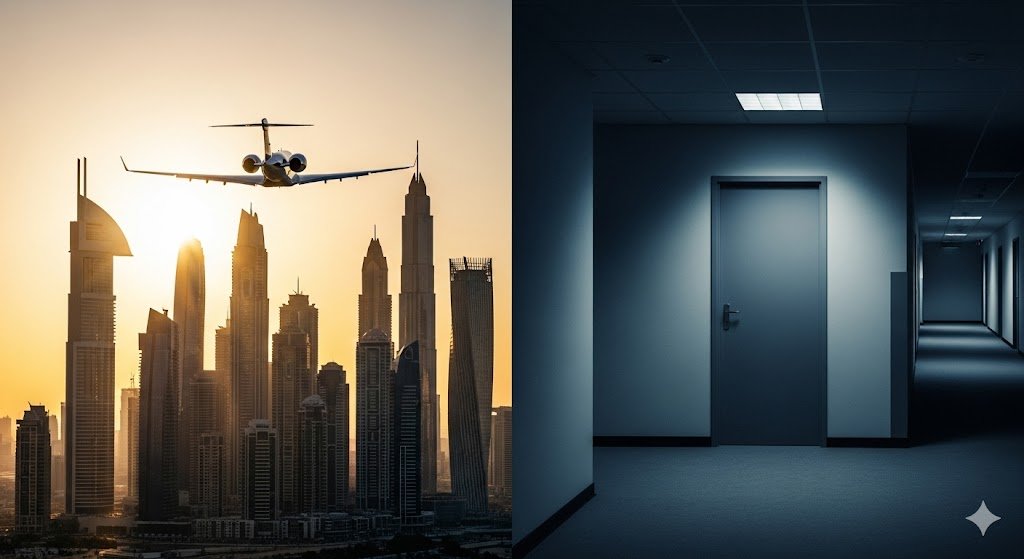
The term Dubai Porta Potty exploded on social media around the late 2010s and early 2020s, typically attached to anonymous “confessions,” blurry screenshots, and storytime videos about women allegedly paid huge sums by ultra-wealthy men in Dubai to perform violent and humiliating sexual acts involving bodily waste.
For a long time, there was almost no verifiable evidence — just recycled posts and sensationalized YouTube thumbnails. Fact-checkers flagged much of it as unverified or exaggerated, pointing out that many “confessions” had no names, no dates, no legal documents, and often repeated the same script.
At the same time, the rumor refused to die. Why?
Because it plugged straight into a bunch of anxieties swirling online:
- The question of how certain influencers afford hyper-luxury lifestyles that don’t seem to match their public income.
- Long-standing stereotypes about Gulf wealth and sexual exploitation.
- Internal beefs within Black communities about “doing anything for the bag.”
- A genuine concern that some women — especially those coming from poverty — are being lured into life-threatening situations.
The result: a digital mythos where every Black woman posting from Dubai gets side-eyed, and every tragic story from the region is automatically folded into the Dubai Porta Potty narrative — whether the facts support that or not.
What’s Proven, What’s Rumor – The BBC Investigation and Real Trafficking
In 2025, BBC Africa Eye and BBC World of Secrets released Death in Dubai: #DubaiPortaPotty, a documentary that finally got past the memes and into the paperwork. runakocelina.com
What they found was not a TikTok storytime. It was worse — and more complicated.
Investigators exposed an alleged prostitution and trafficking ring run by a man known as “Abbey” (identified as Charles Mwesigwa), a former London bus driver operating in Dubai’s high-end districts. He recruited young Ugandan women with promises of regular jobs, then allegedly trapped them with fake “debts” for travel and housing and pushed them into sex work for wealthy clients. sunrise.ug
Key details from that investigation and follow-up reporting:
- Women described being lured with promises of supermarket or hospitality work and instead ending up in cramped apartments, controlled by “bosses,” with their passports taken and debts skyrocketing to tens of thousands of dollars.
- Clients allegedly requested violent, degrading fetish acts linked directly to the online Dubai Porta Potty myth — not just sex work, but humiliation and abuse framed as “luxury parties.” LADbible
- Two Ugandan women connected to this network, Monic Karungi (known online as “Mona Kizz”) and Kayla Birungi, died after falling from high-rise buildings in Dubai. Their deaths were officially ruled suicides, but families and activists argue the investigations were shallow, with missing toxicology reports and unanswered questions about who controlled the apartments where they lived. The Nigerian Voice
Separately, the case of Ukrainian model Maria Kovalchuk — found severely injured with a broken spine and multiple fractures after disappearing for days in Dubai — has sparked a human trafficking investigation in Ukraine. Maria’s family and supporters say she was abused by wealthy men after attending a party, then dumped near a construction site. The Sun
Importantly, authorities in Dubai have often attributed these cases to suicide or accidental falls, while denying or downplaying links to organized exploitation. But taken together, they reveal a pattern: young women from across the globe, drawn into Dubai’s shadow economy of parties, “modeling,” and quiet sex work, facing serious danger — up to and including death.
So is every Dubai influencer trip a Dubai Porta Potty situation? No.
Is there now documented evidence that some women are trafficked, coerced, and abused under that very hashtag? Yes.
Influencers, Inequality, and the Cost of the Soft Life

The Dubai Porta Potty discourse hits differently when you factor in economics. Many of the women targeted — Ugandan, Nigerian, Ukrainian, Eastern European — come from countries where youth unemployment is high and “going abroad” is sold as the ultimate glow-up. Remittances from migrant workers are a major revenue stream for home economies.
Layer social media on top of that.
On Instagram and TikTok, the “soft life” aesthetic — endless brunches, designer fits, rooftop pools in the Gulf — has become a visual language of success for young Black women and women of color worldwide. Some are funded by brand deals, real estate, tech salaries, or legit entrepreneurship. Others are funded by something more opaque: “sponsors,” “uncles,” “clients,” or “friends” whose faces never appear on the feed.
From the outside, it’s almost impossible to know which is which, and frankly, it’s not our job to audit another woman’s pockets. But what the Dubai Porta Potty conversation does expose is the pressure cooker underneath:
- The reality that global inequality makes certain “offers” — flights, apartments, stacks of cash — hard to refuse when you’re coming from very little.
- The social shaming of any woman whose hustle doesn’t look “respectable,” especially if she’s Black, dark-skinned, or from the continent.
- The way misogynoir and respectability politics show up as people dragging Black women harder than they do the wealthy men funding these parties.
Youth, especially Gen Z and younger millennials, are watching all of this. Some are tempted, some are disgusted, some are just confused. But almost all are aware that the Dubai discourse is really about something bigger: how global capitalism buys bodies and silence — and how Black women’s bodies end up in that economy, over and over.
Why Black America Is So Invested in the Dubai Porta Potty Story

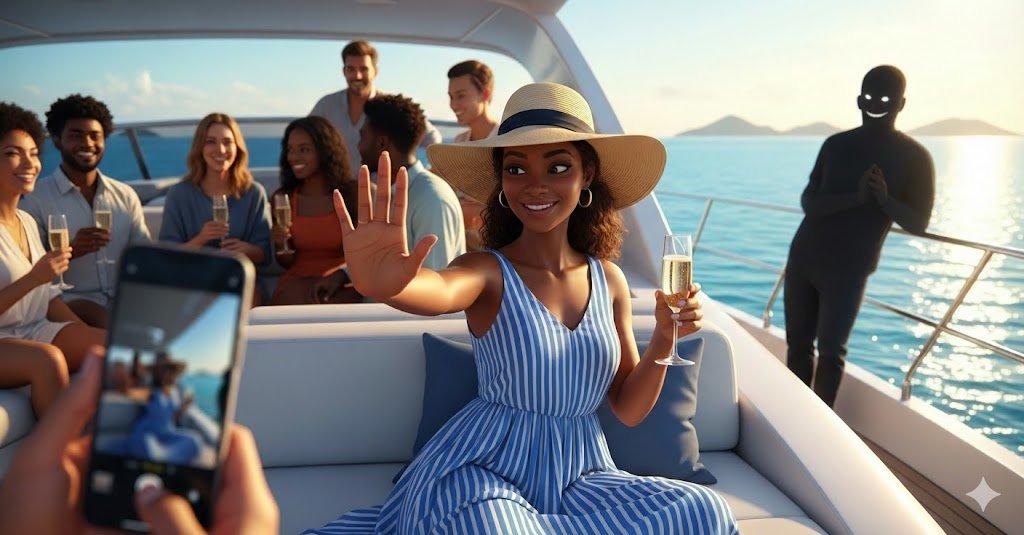
If you’ve seen the debates on Black Twitter/X, you know this isn’t just “expo page drama.”
For Black Americans, the Dubai Porta Potty narrative intersects with:
- Historic exploitation: From domestic work to sex work to the music industry, Black women have often had to trade safety for opportunity. Dubai becomes the 2020s-era symbol of that same trade-off on a global scale.
- Diaspora tensions: Some of the loudest online voices weaponize the story as “proof” that African women (or Caribbean women, or “IG girls”) are uniquely desperate or immoral — feeding ugly stereotypes rather than fighting exploitation.
- Class divides: Middle-class and upper-class viewers sometimes treat the story as entertainment or gossip, instead of asking why so many women feel the need to take those risks in the first place.
For younger readers, especially Black women navigating college, early careers, and social media, the question is painfully practical:
How do I chase the life I want without becoming prey?
That’s not a hypothetical; it’s a daily calculation.
Dirty Secret or Open Crisis?
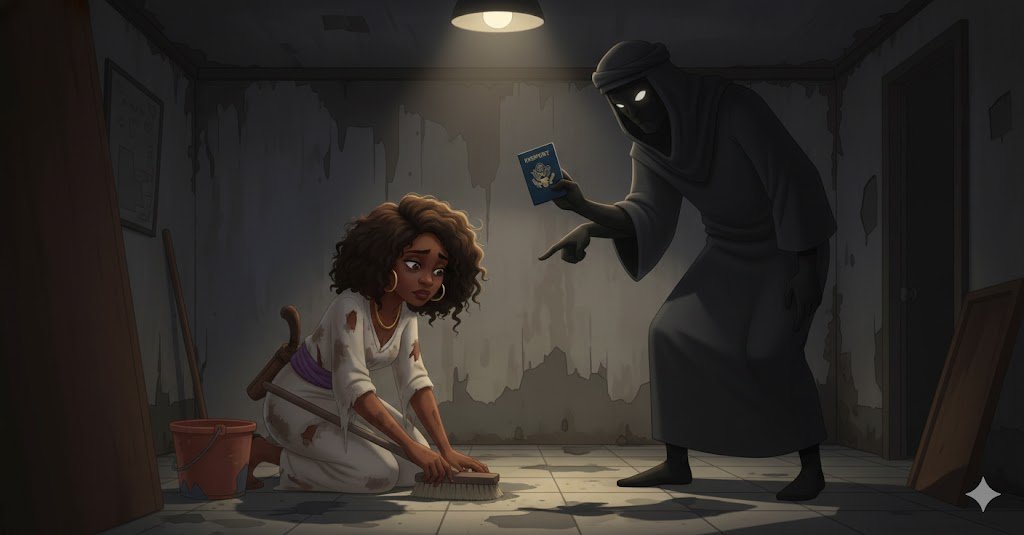
So, is Dubai Porta Potty an underground secret — or an open crisis hiding in plain sight?
The truth sits in the tension:
- Many of the most viral stories are unverified or exaggerated, and some deaths have been wrongly folded into the hashtag without evidence connecting them to fetish parties.
- At the same time, multiple investigations now show that trafficking networks do exist in Dubai, specifically targeting young women from poorer countries, funneling them into abusive sex work tied directly to ultra-wealthy clients and the aesthetic of luxury travel.
In other words:
- Not every Dubai trip is sinister.
- Not every rumor is true.
- But enough is true that we can’t dismiss this as “just TikTok gossip.”
For Black communities, especially, it’s dangerous to get stuck at the level of memes and moral panic. The real crisis isn’t whether some influencer took hush-money for degrading acts; it’s that global systems exist where wealthy men can buy access to vulnerable women with almost no accountability — and where law enforcement shrugs or stays silent.
From Judgment to Protection – What Our Communities Can Do
Instead of turning Dubai Porta Potty into a moral purity test, we can turn it into a community safety conversation. A few starting points:
1. Believe women, but also respect the facts.
Center survivors and documented investigations, not just viral threads. Make space for nuance: some women may be trafficked, others may be consenting sex workers, and others may simply be tourists caught in rumor storms.
2. Shift the lens from “why did she go?” to “who profits from this?”
Ask harder questions about the men funding these parties, the recruiters taking “fees,” the platforms allowing shady agencies to advertise, and the governments that benefit from tourism dollars while under-policing abuse.
3. Talk openly with young people about money, consent, and hidden costs.
Black youth deserve more than “don’t go to Dubai” as advice. We need frank conversations about:
- How to vet “opportunities” that sound too good to be true.
- Why NDAs and “cash only” deals can be red flags.
- How power, immigration status, and money can erase real consent.
4. Support organizations fighting trafficking and exploitation.
From African women’s rights groups rescuing workers in Gulf countries to diaspora organizations offering legal aid and mental health support, there are people doing the work. Our donations, platforms, and signal-boosting matter. Wikipedia
5. Protect, don’t humiliate.
Whatever you believe about individual choices, humiliation has never saved anybody. If our conversations don’t leave room for harmed women to come home, heal, and rebuild, then we’re not actually protecting anyone — we’re just performing outrage.
Key Takeaways – Reading the Signs, Protecting the Girls

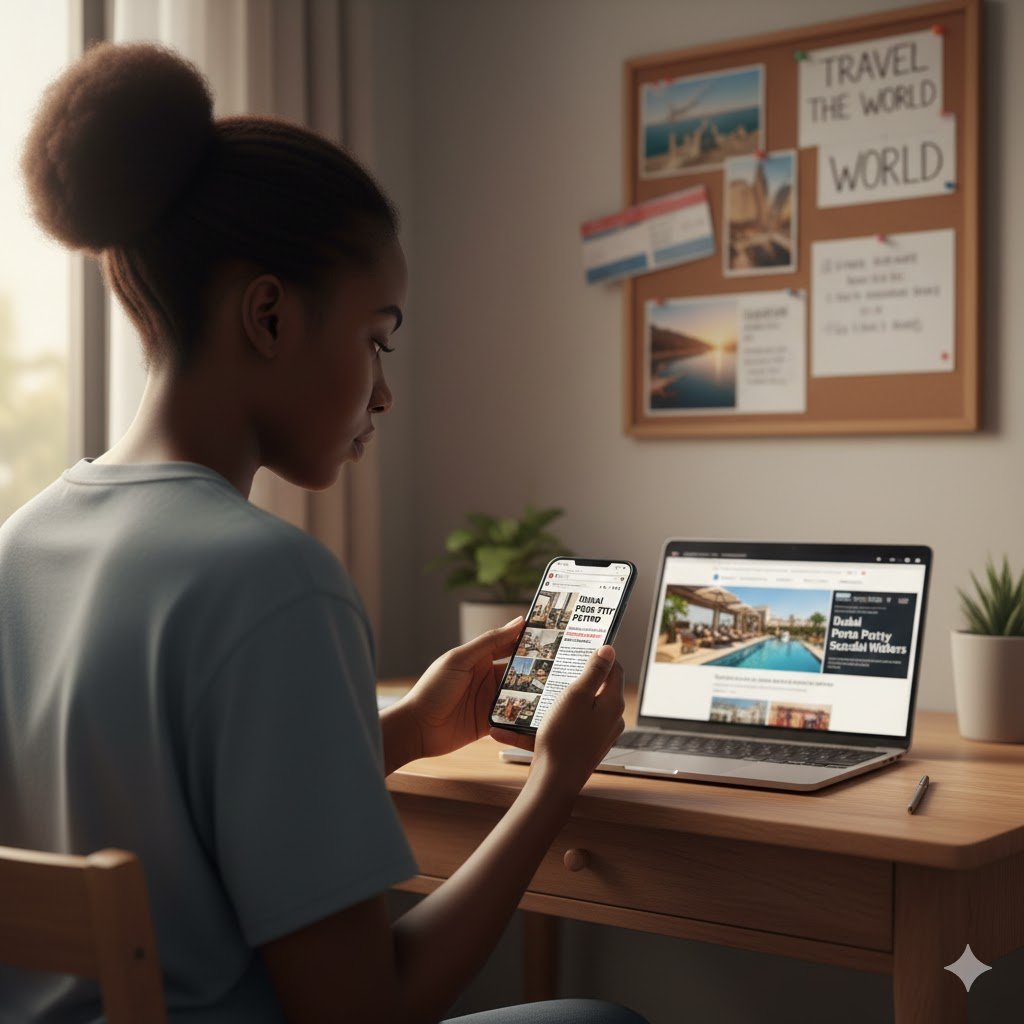
- Dubai Porta Potty is bigger than a meme.
It sits at the crossroads of rumor and reality, but verified investigations now show real trafficking and exploitation networks operating behind the luxury Instagram aesthetic. - Exploitation feeds on inequality and silence.
When global wealth gaps are extreme and young women have few options, “sponsored trips” become both an opportunity and trap. - Black women deserve safety without respectability tests.
Whether someone is an influencer, a student, a sex worker, or just a woman trying to survive, her safety matters more than how “respectable” her choices look from the outside. - We need financial literacy and political literacy.
It’s not enough to tell girls to “get the bag.” We have to teach how global systems, immigration laws, and digital platforms shape what risks come with that bag — and who pays the price.
Call to Action – Beyond the Hashtag
If we’re serious about turning Dubai Porta Potty from clickbait into change, here are concrete moves:
- For readers:
- Check in on friends talking about “sponsor” trips or job offers abroad that sound vague. Don’t pry, but offer real questions, real support, and real alternatives.
- Share verified resources on trafficking and migrant worker rights — not just reaction videos.
- For creators and influencers:
- Be honest, where you safely can, about how income and brand deals really work. Young girls model their choices on what you platform.
- Use your reach to highlight survivor stories and organizations, not just gossip threads.
- For the broader Black community:
- Push for Black-led media (like Here For You Central) to keep reporting on global exploitation with nuance, centering our voices and our people — not waiting for mainstream outlets to decide it’s trendy.
Because at the end of the day, the real question isn’t just “Is Dubai Porta Potty true?”
It’s: Will we build a world where our daughters don’t have to risk their lives for a plane ticket and a promise?
Related HfYC Content
- Bros Gone Wild — Passport Bros vs the FBA
- The Diddy Files
- Black Greek Life and Faith: Are Fraternities and Sororities at Odds with Christianity?
- Dating While Black and Christian: A Guide to Navigating Faith, Culture, and Love
- Pride in the Hood: Being Young, Black, and Queer in New Jersey
- The Ancestors Are Calling: Newark Is Officially a Direct Hub for the Diaspora