
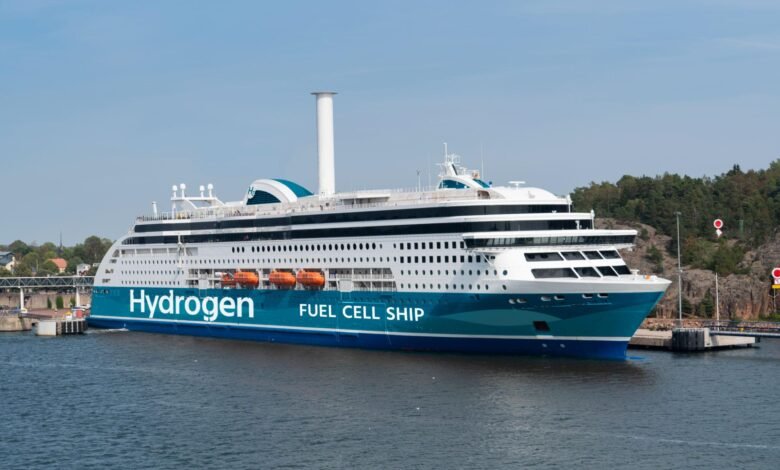
Brooklyn Navy Yard Hydrogen Ferry Launches Clean Transit
The Brooklyn Navy Yard is no longer just a relic of maritime history; it is fast becoming a proving ground for New York’s clean-tech future. As of February 20, plans are finalized for a 150-passenger hydrogen fuel cell electric ferry to be developed at the Yard — a project backed by a $2 million grant from the New York State Energy Research and Development Authority (NYSERDA).
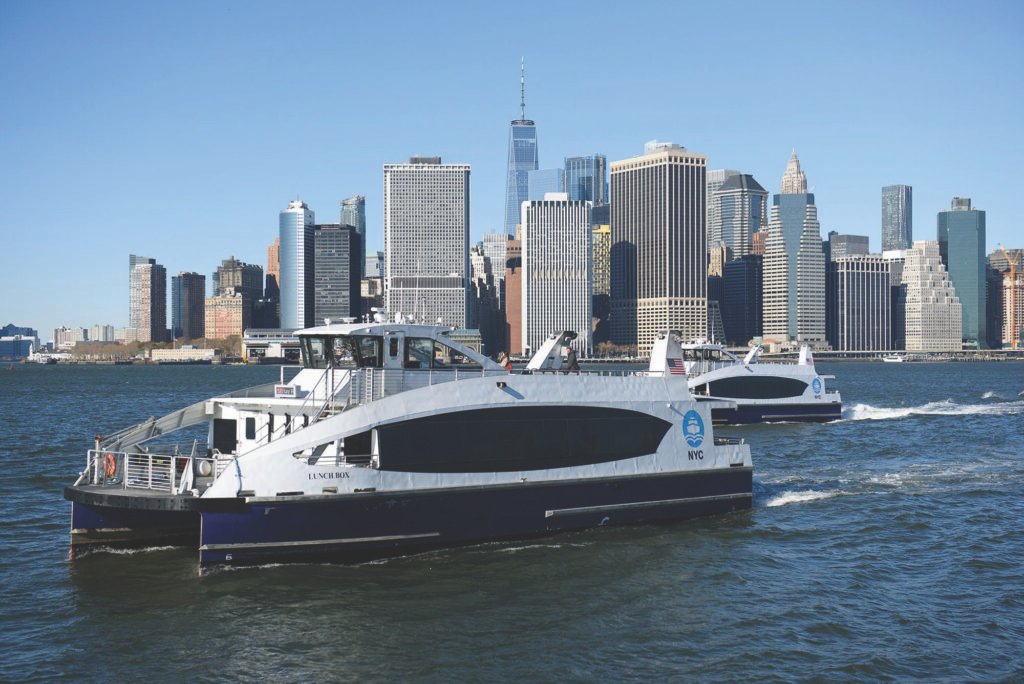
The Brooklyn Navy Yard Hydrogen Ferry represents more than an infrastructure upgrade. It signals a structural shift in how New York approaches waterfront transit — replacing diesel propulsion with hydrogen fuel cell technology that emits only heat and water vapor.
Why Hydrogen — and Why Here?
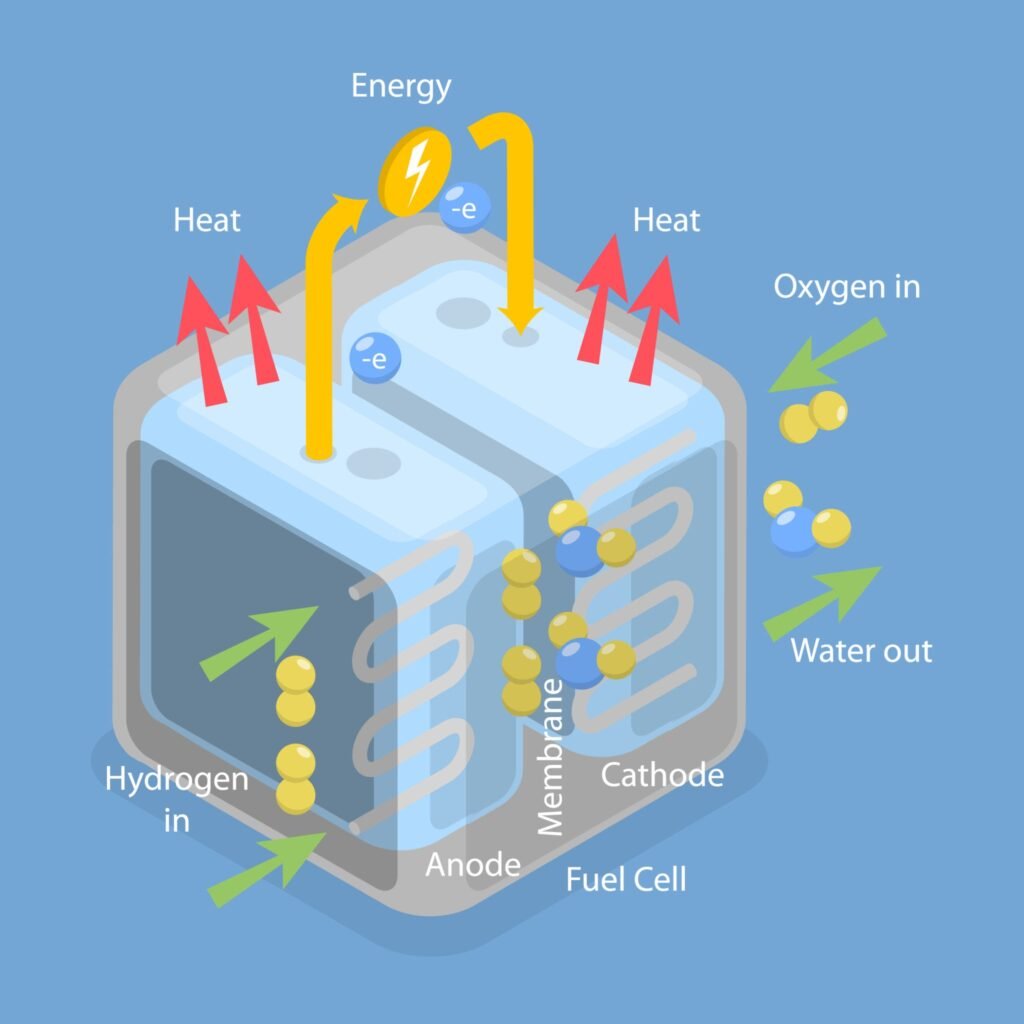
Hydrogen fuel cells generate electricity through an electrochemical reaction rather than combustion. That means:
- Zero tailpipe emissions
- No particulate matter
- No nitrogen oxides
- No diesel soot
For communities like Farragut and Fort Greene, that distinction matters.
Historically, industrial waterfront corridors across Brooklyn have contributed to elevated asthma rates and respiratory challenges. Diesel-powered ferries, trucks, and maritime equipment have long been part of that pollution mix. Transitioning even a portion of that fleet to hydrogen begins to chip away at cumulative exposure.
Health and Environmental Stakes
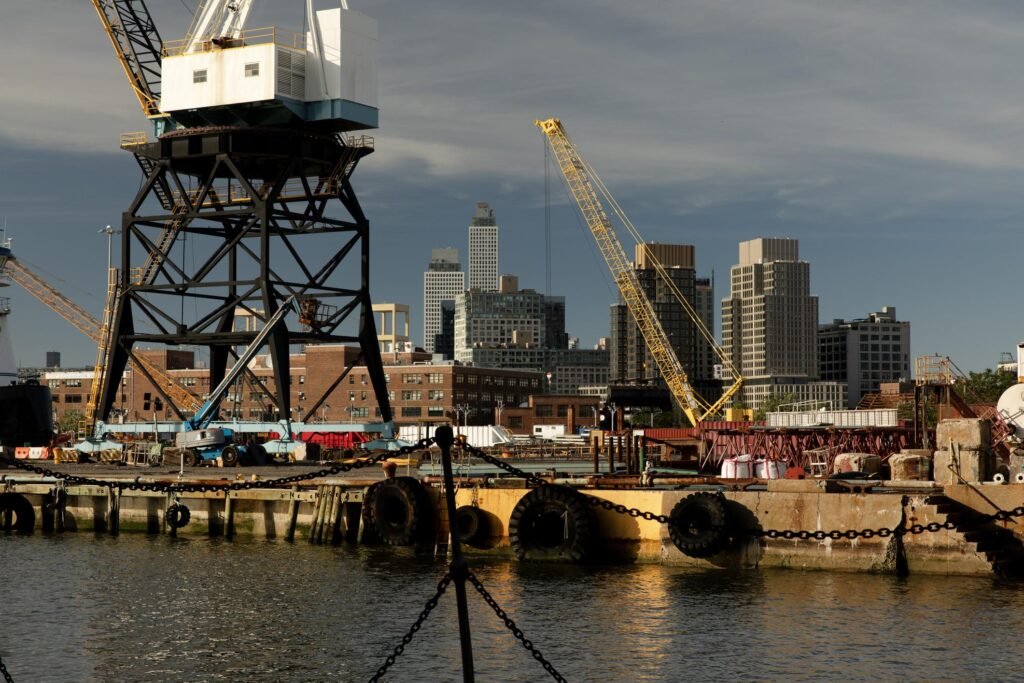
The waterfront near Farragut Houses and Fort Greene sits within an urban corridor that has experienced disproportionate air-quality burdens for decades. A hydrogen-powered ferry:
- Reduces localized emissions along ferry routes
- Lowers noise pollution compared to diesel engines
- Signals a long-term shift toward electrified maritime transit
While one vessel will not eliminate systemic air-quality disparities, it creates a blueprint. If scaled across the city’s ferry system, hydrogen propulsion could materially reduce waterfront pollution over time.
Economic Development Meets Climate Policy
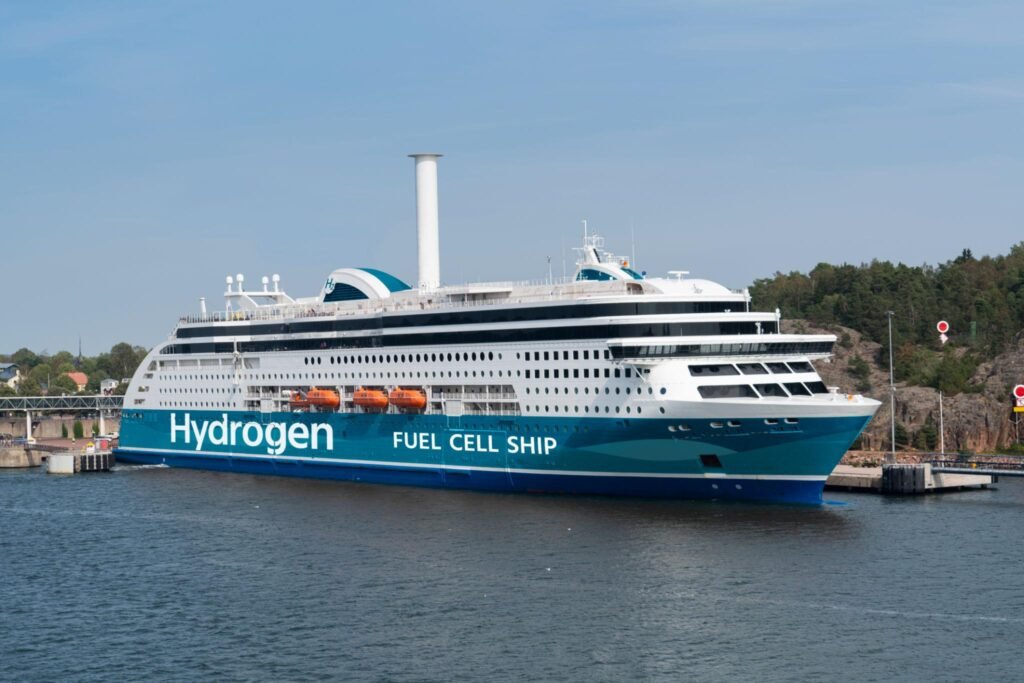
The Brooklyn Navy Yard has evolved into a hub for advanced manufacturing and green innovation. Building a hydrogen ferry here accomplishes two parallel goals:
- Climate Alignment: Supports New York’s decarbonization targets.
- Industrial Modernization: Positions Brooklyn as a center for clean maritime technology.
Hydrogen infrastructure — from storage systems to fueling stations — could spur additional investment and specialized job creation at the Yard.
The Bigger Picture
New York City’s ferry network has expanded significantly in the past decade. Electrification and hydrogen adoption are the next logical step in modernizing that system.
If the Brooklyn Navy Yard Hydrogen Ferry succeeds, it could:
- Influence procurement decisions for future vessels
- Encourage private operators to adopt clean propulsion
- Attract federal clean-energy grants
- Establish Brooklyn as a leader in maritime decarbonization
For Farragut and Fort Greene residents, the shift is tangible: cleaner air, quieter waterfronts, and a visible commitment to environmental equity.
Brooklyn has always been tied to the water. The difference now is what moves across it — not soot and smoke, but a technology designed to leave nothing behind but water vapor.
HfYC Poll of the Day
Follow us and respond on social media, drop some comments on the article, or write your own perspective!
Do you support replacing diesel ferries with hydrogen-powered vessels in NYC?
- Yes — cleaner air should be the priority
- Yes — if costs are reasonable
- Not sure — need more data on safety and cost
- No — hydrogen is too experimental
- No — invest in electric-only ferries instead
HfYC Related Content
- The 2026 Government Shutdown Cycle: Why Brooklyn and Jersey Families Keep Paying the Price for Washington’s Short-Term Fixes
- Crown Heights: Where Caribbean Pride and Brooklyn Resilience Meet
- Fading Black Church Choirs in Brooklyn: Faith, Gentrification, and Survival
- Salt, Shovels, and Statutes: Winter Readiness 2026 in Newark and Brooklyn
Other Related Content
- What Is a Hydrogen Fuel Cell and How Does It Work? – U.S. Department of Energy overview of hydrogen fuel cells and how they generate electricity.
- Electric vs Hydrogen Vehicles Explained – Comparison of hydrogen fuel cell and battery-electric technologies.
- Hydrogen in Transportation – EPA discussion of hydrogen fuel use in zero-emission vehicles and heavy transportation.
- First Commercial Hydrogen Fuel Cell Ferry (MV Sea Change) – Background on the world’s first hydrogen fuel cell ferry, a model for future projects.
- Hydrogen-Powered Ship Technology – Overview of hydrogen propulsion in maritime applications.
References
- U.S. Department of Energy – Hydrogen and Fuel Cell Technology Basics – Explains how hydrogen fuel cells work.
- U.S. EPA – Hydrogen in Transportation – EPA guidance on hydrogen fuel use for zero-emission transport.
- New York State Hydrogen Assessment (NYSERDA) – NYSERDA’s state assessment on hydrogen’s role in New York’s energy transition.
- U.S. DOE Hydrogen Program Overview (OSTI PDF) – DOE documentation on hydrogen and fuel cell research.
- Hydrogen Energy and Fuel Cell Factsheets – Industry fact sheets on hydrogen and fuel cell tech.