
How a Myth Was Born — and Weaponized Against Black America
It started as a story — or rather, a little white lie.
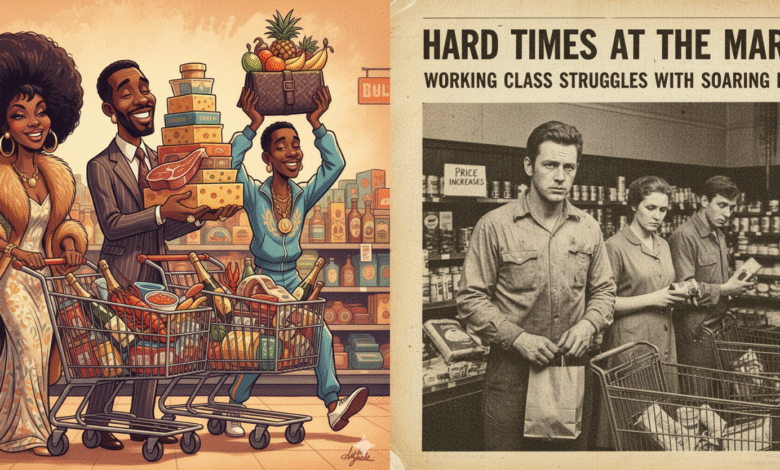
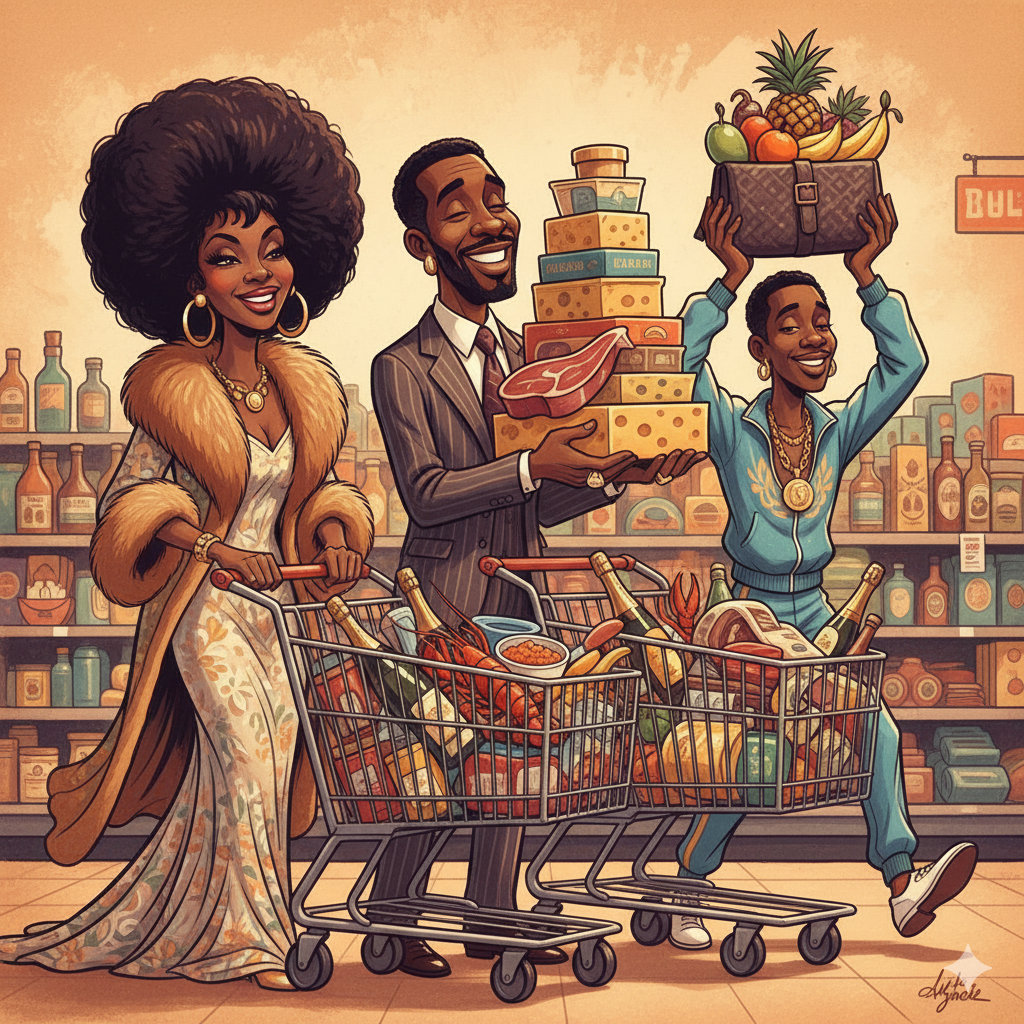
In the 1970s, as the United States wrestled with inflation, unemployment, and racial tension, a new villain appeared on the political stage: the so-called “Welfare Queen.” She was portrayed as a Black woman, draped in fur, driving a Cadillac, living large on taxpayer dollars. The image was catchy, scandalous — and completely misleading.
The “Welfare Queen” stereotype didn’t just shape policy; it shaped how America saw Black women, poverty, and government aid. Today, as new debates unfold over SNAP benefits, food insecurity, and government shutdowns, it’s worth asking: how did this myth begin, and why does it still haunt public policy nearly fifty years later?
The Making of a Modern Myth: From Chicago Headlines to Campaign Stages
The story that launched the term traces back to Linda Taylor, a Chicago woman accused in 1974 of welfare fraud. While she did commit fraud, her case was exaggerated and sensationalized far beyond its scale.
Politicians, particularly Ronald Reagan during his 1976 presidential campaign, seized upon Taylor’s story to paint a larger, uglier picture — not just of one woman, but of millions. The “Welfare Queen” became shorthand for a racialized narrative: lazy, manipulative, undeserving, and Black.
The truth? Even in the 1970s, the majority of welfare recipients were white, and most families receiving public assistance were working households or single mothers trying to survive. But the image of the Welfare Queen made good political theater.
It stoked resentment, divided working-class voters, and provided moral justification for cutting social programs that disproportionately helped Black communities.
When Lies Become Policy: The 1980s and 1990s Welfare Reform Era
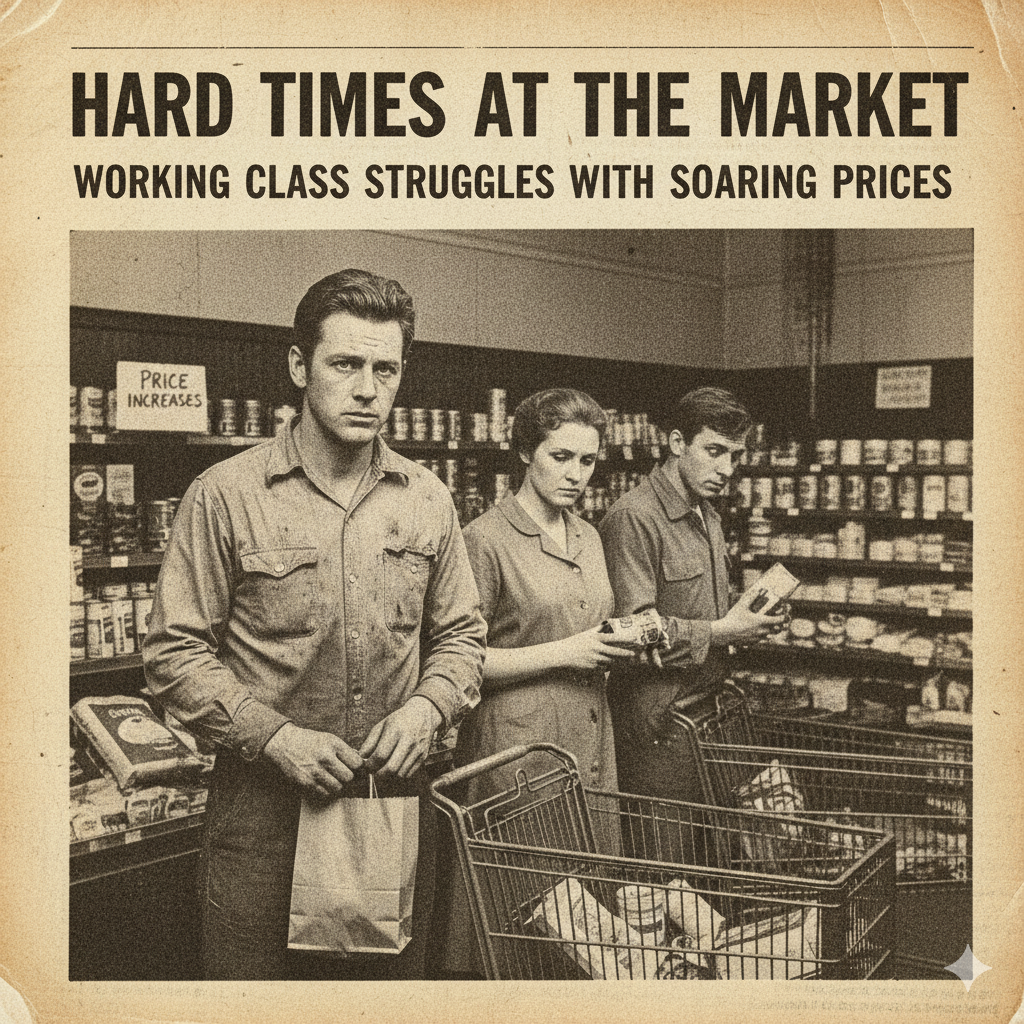
By the 1980s, the “Welfare Queen” myth had become public gospel. It justified a generation of policies aimed at “ending dependency” rather than addressing poverty itself.
Under Reagan, welfare cuts deepened. Later, Bill Clinton’s 1996 “Personal Responsibility and Work Opportunity Act” — framed as bipartisan reform — permanently changed the face of public assistance.
The new system imposed strict work requirements, lifetime benefit caps, and complex eligibility hurdles. For many Black single mothers, it meant juggling multiple low-wage jobs, limited childcare, and relentless stigma.
What began as a lie turned into law.
The Real Numbers: Who Actually Uses Welfare and SNAP Benefits
Here’s what the data tells us — and it’s a far cry from the stereotype.
According to the U.S. Department of Agriculture (2023), which oversees the Supplemental Nutrition Assistance Program (SNAP):
- 40% of SNAP recipients are white.
- 26% are Black.
- 16% are Hispanic.
- The majority of recipients are children, seniors, or working families.
In fact, most people on public assistance stay less than a year, often using it as a bridge through economic hardship — not a lifestyle.
But decades of racialized rhetoric have made these facts invisible. The image of the “Welfare Queen” continues to echo across news coverage and policy debates, shaping how the nation talks about poverty and responsibility.
A Lie that Paid Off: Who Benefited from the Welfare Queen Narrative?
If Black women didn’t benefit from the stereotype, who did?
Politically, the Welfare Queen trope was a goldmine. It gave conservative candidates a way to racialize poverty without explicitly mentioning race — tapping into voters’ fears about “taxpayer waste” and “urban decay.”
Economically, it justified redirecting funds from social safety nets to corporate subsidies, policing, and prison expansion.
In media, it sold newspapers and built careers. For white America, it reinforced the comforting illusion that poverty was a matter of morality, not inequality — that the system wasn’t broken, just exploited.
Meanwhile, real Black families faced stricter welfare audits, drug tests, and criminalization of poverty.
The “Welfare Queen” became a political scapegoat, a symbol that excused systemic neglect and justified cruelty under the banner of fiscal responsibility.
The Human Cost: How Stereotypes Shape Lives

For Black women, this myth wasn’t abstract — it was personal.
Sociologists like Dr. Patricia Hill Collins and bell hooks have long noted how the “Welfare Queen” fused with older racist archetypes — the “Jezebel” and the “Sapphire” — to create a new form of gendered anti-Blackness.
It delegitimized Black motherhood. It made poor women feel watched, unworthy, and ashamed.
And it fueled systems that punished rather than supported them.
Community activists from Newark to Detroit recall how stigma shaped everything from employment to healthcare access. Even today, Black mothers report higher scrutiny from caseworkers, and harsher penalties for minor reporting errors compared to white peers.
This isn’t just bureaucracy — it’s bias, coded in policy language.
The Present Echo: SNAP Cuts and Shutdowns in the 2020s
Fast forward to now. The same narrative echoes in debates over SNAP benefit reductions and the fallout from the 2025 government shutdown.
When lawmakers delay funding, food assistance halts, impacting millions of families who rely on it. Yet the conversation often centers not on hunger or inequality, but on “fraud prevention” — a direct descendant of the Welfare Queen rhetoric.
In other words, the ghost of a lie from 50 years ago still decides who eats today.
Young organizers, however, are calling it out. Groups like Black Voters Matter and Feed the People Coalition are reframing welfare as a right, not a handout — tying food access to justice and dignity. Their message resonates especially with Gen Z, who grew up in the shadow of economic precarity but demand transparency and compassion.
For younger Black Americans, debunking this myth isn’t just historical correction — it’s economic liberation.
Why the Myth Worked — and Why It’s Failing Now
The Welfare Queen lie thrived on three things:
- Racism – It racialized poverty to maintain hierarchies.
- Sexism – It weaponized motherhood and womanhood.
- Fear – It made Americans suspicious of one another rather than systems of inequality.
But today, a new generation of storytellers — journalists, TikTok educators, pastors, and policy advocates — are reclaiming the narrative.
Social media has given voice to real people sharing their experiences of welfare, caregiving, and survival. Data journalism is exposing falsehoods with receipts. And communities are finding solidarity across race and class, recognizing that poverty is a policy choice, not a personal failure.
Key Takeaways
- The “Welfare Queen” was never real — but her impact was.
- The stereotype fueled decades of policy that hurt the Black community while benefiting political elites.
- Today’s SNAP debates and government shutdowns are modern echoes of that old lie.
- Understanding this history is crucial to building a fairer, more compassionate future.
Call to Action: Reclaim the Narrative
It’s time to retire the myth for good.
We can start by amplifying the truth — sharing accurate data, highlighting stories of resilience, and holding leaders accountable when they exploit racial stereotypes for votes.
Support local food banks and community pantries. Call your representatives to protect SNAP funding.
And most importantly, challenge anyone — from dinner tables to digital feeds — who repeats the old trope of the “Welfare Queen.”
Because every time we correct the record, we reclaim not just the truth, but our collective dignity.
Related HfYC Content
- Government Shutdown Impact on SNAP Benefits: Urgent for Black Community
- How the One Big Beautiful Bill Impacts Black Communities Across America
- From 40 Acres & A Mule to Innovative Funding Models Reshaping Development in New Jersey
- Hashtag to Action: How NJ’s Black Gen Z Is Rewriting the Rules of Social Change
Other Related Content
- Smithsonian Magazine – The Myth of the Welfare Queen
- Brookings Institute – The Truth About SNAP and Who It Helps
References (APA Style)
- Covert, B. (2021, March). The Myth of the Welfare Queen. Smithsonian Magazine.https://www.smithsonianmag.com/history/the-myth-of-the-welfare-queen-180965731/
- Edin, K., & Shaefer, H. L. (2015). $2.00 a Day: Living on Almost Nothing in America. Houghton Mifflin Harcourt.
- U.S. Department of Agriculture. (2023). Characteristics of Supplemental Nutrition Assistance Program Households: Fiscal Year 2023. https://www.fns.usda.gov/snap
- Brookings Institute. (2024). The Truth About SNAP and Who It Helps. https://www.brookings.edu/research/the-truth-about-snap-and-who-it-helps/
Collins, P. H. (2000). Black Feminist Thought. Routledge.





One Comment