2025 US State and Local Elections: A Turning Point for Black American Communities
The 2025 US state and local elections were far from sleepy off-year contests. They shifted power in governor’s mansions, city halls, and statewide regulatory seats; they elevated new, barrier-breaking leaders; and they reframed what’s politically possible when communities organize around kitchen-table issues like affordability, energy bills, housing, and safety. For Black American communities, the story here isn’t just who won—it’s how these wins translate into policy leverage close to home.

Quick Wins at a Glance
- Virginia flipped its governor’s office and expanded Democratic control in the statehouse.
- Historic firsts in statewide office: a Muslim woman elected statewide in Virginia’s lieutenant governor race.
- New York City elected its first Muslim and South Asian mayor, powered by high turnout—including in predominantly Black and Hispanic neighborhoods.
- California passed Proposition 50, a redistricting overhaul expected to reshape future House maps and representation.
- Georgia Democrats flipped two seats on the Public Service Commission, shifting the balance on utility rates and energy oversight.
- Omaha, Nebraska elected John Ewing Jr. as its first Black mayor, flipping a major Midwestern city.
- Texas’s 18th Congressional District special election advanced two Democrats to a runoff, keeping the Black-majority seat on track to remain blue.
Keep this list in the intro section as bullet points for fast scanning. We’ll break down each development—and its stakes for Black communities—below.
The Off-Year That Wasn’t: Why 2025 Mattered
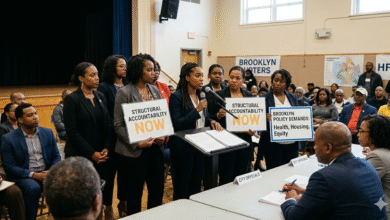
Off-year elections don’t have the glitz of presidential cycles, but they often carry more immediate consequences for daily life. Governors, mayors, attorneys general, public service commissioners, school boards—these are the roles that decide police oversight, utility rates, public transit, zoning, education funding, and small-business support. For Black communities navigating higher costs, uneven investment, and the fight for equitable services, 2025 put the levers of change right where we live.
Short version: turnout rose where stakes were felt. Voters prioritized affordability and local problem-solving over grandstanding. That shift, itself, is a signal.
Where the Ground Moved—and What It Means

Virginia’s New Direction (and a Barrier Broken)
Virginia’s governor’s race flipped to Democrats with a decisive margin, joined by expanded gains in the House of Delegates. On the same ticket, Ghazala Hashmi’s win as lieutenant governor marked a historic first for a Muslim woman elected statewide in the U.S. Symbolism matters, but so do budgets and appointments: these wins shape statewide policy on schools, housing, criminal justice, transportation, and workforce programs.
Why it matters for Black communities:
- A friendlier policy environment for tenant protections, reentry services, and workforce pipelines.
- Stronger chances for equitable infrastructure investments (transit corridors, broadband, flood mitigation) that directly affect historically Black neighborhoods.
- A chance to build long-term power via board appointments and state agency leadership that reflect the state’s diversity.
NYC’s Coalition Runs the Board (Except Staten Island)
New York City elected Zohran Mamdani as its first Muslim and South Asian mayor, with the highest mayoral turnout since 1969. The winning coalition ran through Black, Hispanic, Asian, younger, renter-heavy, and transit-dependent neighborhoods. That’s more than a feel-good demographic note—it’s a governing mandate to address affordability, housing, and public safety with equity baked in.
Why it matters for Black communities:
- Expect aggressive focus on affordable housing (supply + tenant protections), youth jobs, and community-driven safety.
- Representation at the top tends to cascade: deputy mayors, commissioners, and task forces are likely to be more diverse and community-rooted.
- NYC’s policy experiments frequently become templates for other cities—from crisis response to arts funding to small-business support.
California’s Prop 50: Structure Beats Slogans
Voters approved Proposition 50, shifting redistricting power from the independent commission to the legislature. That’s a structural move with national implications. Analyses suggest the new maps could tilt several US House seats in 2026.
Why it matters for Black communities:
- District lines determine whether Black neighborhoods are diluted across districts or kept together with a better shot at responsive representation.
- If maps improve coherence for communities of color, expect more competitive primaries, clearer accountability, and candidates who must court Black voters with real plans, not platitudes.
Georgia’s Energy Oversight Just Flipped
Two Democratic wins for Georgia’s Public Service Commission reshaped a powerful statewide body overseeing electric rates, grid investment, and data-center growth. Voters made kitchen-table economics the issue—if your power bill is up, your vote counts.
Why it matters for Black communities:
- Energy burden (the share of income spent on utilities) is often higher in Black households. A new PSC balance can drive rate scrutiny, weatherization programs, and fairer grid planning.
- Oversight affects where data centers go, how noise/heat is managed, and whether communities get community benefits—jobs, training, and improved infrastructure.
Nebraska’s New History in Omaha
John Ewing Jr. won Omaha’s mayoral race, becoming the city’s first Black mayor and flipping leadership in a pivotal urban center. It’s a morale boost—and an organizing proof point—in a state where urban, suburban, and rural interests collide.
Why it matters for Black communities:
- Mayors control the tone on economic development, housing, policing, and youth programs.
- Omaha sits in NE-02, a swingy district in federal politics; a changing civic culture in the city can ripple into regional turnout and representation.
Texas-18 (Houston): Representation Holding
The special election to replace the late Rep. Sylvester Turner in TX-18 advanced two Democrats to a runoff, all but ensuring the Black-majority seat remains in Democratic hands. Beyond the headline, it’s a reminder that local political machines and community organizations keep representation steady when they stay mobilized between cycles.
Youth Energy, Elder Wisdom—One Movement
Across the 2025 map, younger voters showed up where candidates and issues felt close to home. And where they showed up, elder organizers tended to be right there—pulling permits, booking church basements, stacking voter-education drives, mentoring new block captains.
What younger voters brought:
- Digital organizing that doesn’t wait for permission.
- Hyperlocal narratives (“Here’s what this candidate can do for my block”).
- A bias toward affordability, renters’ rights, transit, mental health, and safe cities that aren’t over-policed.
What elders brought:
- Institutional knowledge: precincts, canvass lists, union halls, the trusted radio hosts and deacons who can move a district.
- Infrastructure that outlasts a single cycle: nonpartisan voter education, church-based hubs, neighborhood associations.
Together, that’s how you get record turnout in city races and flips in statewide boards people rarely track—until their bill goes up.
The Early Read on “What It Says” About the National Picture
No, these results don’t forecast everything. But they do hint at a few truths:
- Affordability beats ideology. Voters are hunting for credible plans on housing, energy costs, and local safety—not culture-war victory laps.
- Representation is rising—and expected. Voters are increasingly comfortable electing leaders whose identities reflect the communities they serve.
- Local wins are the launchpad. The offices captured in 2025 build policy pipelines and candidate benches for 2026 and 2028.
- Accountability is the next test. If new leaders don’t deliver tangible improvements, the 2025 momentum evaporates. If they do, they’ll reset turnout habits for a generation.
What Changes Now—Near Term vs. Long Term
In the Next 12 Months (Short Term)
- Virginia: Budget priorities and appointments will signal how deeply the new administration leans into equity—watch housing funds, small-business support, and justice reform.
- NYC: Early moves on affordability, transit safety, and youth jobs will set tone; expect staffing that looks like the coalition that won.
- Georgia PSC: Dockets on rate cases and grid planning become must-watch; community orgs should plug into these proceedings.
- California: Redistricting work begins—community mapping and testimony will determine whether districts reflect Black neighborhoods fairly.
Over the Next 2–5 Years (Long Term)
- Power compounds locally. If these officials govern well, expect higher baseline turnout in municipal and statewide races.
- Better maps, better representation. If California’s remap improves coherence for communities of color, we’ll see more responsive campaigning and policy tradeoffs negotiated in public.
- Economic levers shift. From energy oversight to city development authorities, policy wins can lower household cost burdens and open procurement and workforce pipelines to Black businesses and youth.
Key Takeaways (for Easy Sharing)
- Local is where policy meets people. City halls, commissions, and statehouses moved the needle in 2025.
- Affordability is the through line. Energy rates, rent, and basic life costs organized the map.
- Representation matters—and delivers. Barrier-breaking wins came tied to issue-driven coalitions.
- Youth + elders = durable power. Cross-generational organizing turned out voters and flipped seats.
- Accountability time. Celebrate the wins—then stay present to convert them into budgets, laws, and jobs.
What You Can Do Next (Call-to-Action)
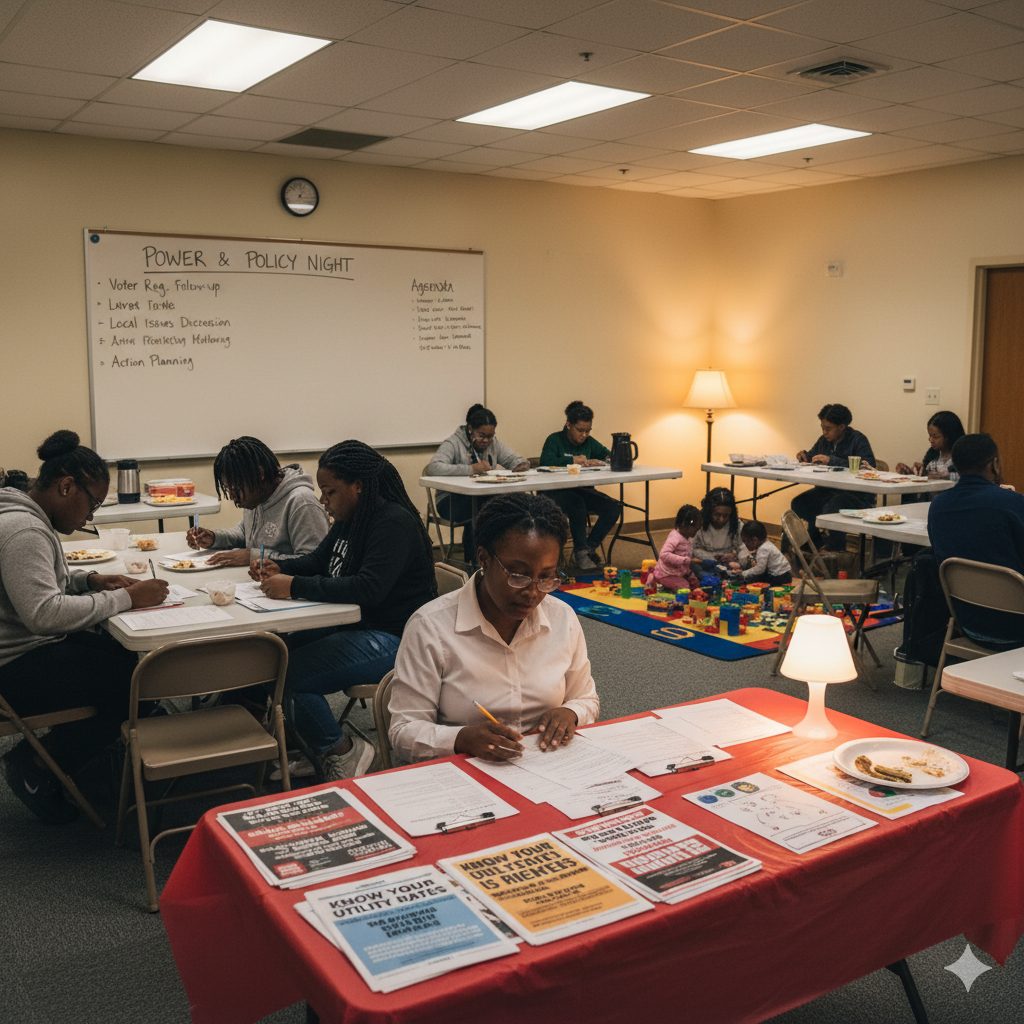
- Join a local meeting this month. City council, school board, housing authority, or PSC docket—pick one and show up.
- Adopt an issue. Energy burden, renter protections, youth jobs, maternal health—own the brief, track the votes, publish updates.
- Build a pipeline. Encourage young neighbors to serve on boards/commissions; share openings and mentor them through applications.
- Track budgets, not just pressers. If 2025 was about promises, 2026 is about line items.
- Tell the story. Submit your local election or policy update to HfYC. Your neighborhood perspective powers the movement.
Related HfYC Content
- Government Shutdown Impact on SNAP Benefits: Urgent for Black Community
- The Government Shutdown Step-by-Step: A Story of Power, Politics and Community Impact
- Is a Rightward Democratic Shift Still Aligned with Black Values?
- Little White Lies: The History of the “Welfare Queen” Stereotype
- Is Jasmine Crockett “Too Much”—or Exactly What This Moment Demands?
- Zohran Mamdani for Mayor: Firebrand, Policy Nerd, or the Change New York Actually Needs?
- Hashtag to Action: How NJ’s Black Gen Z Is Rewriting the Rules of Social Change
Other Related Content
- Georgia Voters Oust GOP Utility Commissioners Over Rising Electricity Rates — Reuters — https://www.reuters.com/business/energy/georgia-voters-oust-gop-utility-commissioners-over-rising-electricity-rates-2025-11-05/
- Democrats Pull Off an Upset in Nebraska, Electing Omaha’s First Black Mayor — Washington Post — https://www.washingtonpost.com/politics/2025/05/13/nebraska-democrats-republicans-trump-omaha/
References (APA Style)
- California Secretary of State. (2025). Election Results — Proposition 50 (Official Results Dashboard).https://electionresults.sos.ca.gov
- Reuters. (2025, November 5). Georgia voters oust GOP utility commissioners over rising electricity rates.https://www.reuters.com/business/energy/georgia-voters-oust-gop-utility-commissioners-over-rising-electricity-rates-2025-11-05/
- The Washington Post. (2025, May 13). Democrats pull off an upset in Nebraska, electing Omaha’s first Black mayor. https://www.washingtonpost.com/politics/2025/05/13/nebraska-democrats-republicans-trump-omaha/
- Ballotpedia. (2025). Election results, 2025. https://ballotpedia.org/Election_results,_2025
- CBS News. (2025, November 4). Democrats sweep key races in 2025 elections in early referendum on Trump.https://www.cbsnews.com/live-updates/election-day-2025-voting-results/
- Al Jazeera. (2025, November 5). US election results 2025: Key takeaways from historic night across the US.https://www.aljazeera.com/news/2025/11/5/us-election-results-2025-key-takeaways-from-historic-night-across-the-us
- TIME. (2025, June 25). Which New York City neighborhoods Mamdani did the best and worst in (map).https://time.com/7331271/zohran-mamdani-andrew-cuomo-mayor-election-results-nyc-neighborhoods-map/
- AP News. (2025). New York City mayoral election results and precinct maps. https://apnews.com/projects/election-2025-NYC-precinct-map/
- Virginia Department of Elections. (2025). Registration & turnout statistics.https://www.elections.virginia.gov/resultsreports/registrationturnout-statistics/
- Virginia Public Access Project. (2025). Early voting turnout by precinct.https://www.vpap.org/visuals/visual/november-2025-early-voting-turnout-by-precinct/