How the Government Shutdown Impact on SNAP Benefits Hits the Community
Opening the Door: Why the government shutdown impact on SNAP benefits matters now
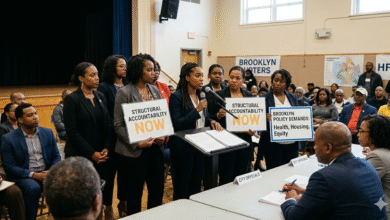
When the federal government goes into a shutdown, many programs that low-income families rely on are suddenly put at risk. Today, we’ll dive into the government shutdown impact on SNAP benefits especially how this ripple effect touches Black American communities, youth in the Diaspora, elder generations, and how we all need to stay informed and ready. The focus keyword appears here early for clarity.
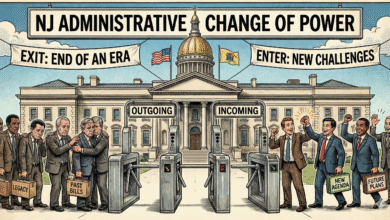
In October 2025, the 2025 United States federal government shutdown began because Congress failed to pass funding bills for fiscal year 2026, leaving vast portions of federal operations unfunded. Among the hardest-hit sectors is the Supplemental Nutrition Assistance Program (SNAP) — the nation’s largest food-aid safety net, serving around 42 million Americans.
For many Black households, SNAP is more than “just food stamps” — it represents dignity, security, and a buffer against systemic economic inequality. A disruption in benefits is not just a policy blip; it becomes a lived crisis. Young people, parents, elders in the African diaspora, especially in working-class neighborhoods, feel this deeply. When a paycheck vanishes or grocery options shrink, the emotional toll is heavy: anxiety, shame, fear of being unable to feed one’s family.
In this article we’ll explore: what happens right now (short-term), what might come next (long-term), how youth and elders view this, and what we, as community , can do about it.
What’s Happening Now: The Immediate Effects on SNAP and Community
Let’s unpack the short-term impacts of the shutdown on SNAP benefits and why they matter to individuals and families.
Benefit interruption looming
- While October 2025 SNAP payments were issued in most states (because funding had been distributed before the shutdown), states are warning that November benefits may not be issued if the shutdown continues.
- For example: The Georgia Department of Human Services announced that starting November 1, existing EBT balances can still be used, but new November deposits will not happen unless federal funding is restored.
- A broader note: The USDA reportedly will not tap contingency funds to cover November SNAP benefits, meaning a hard stop is realistic.
Food insecurity spikes, especially in Black communities
When food aid disappears, families scramble. Pantry lines lengthen, community food programs are stretched. Youth and younger adults may experience this as a sudden loss of stability: “Will I have groceries next week?” becomes a real question. For older generations and folks who have already experienced economic hardship, it echoes earlier crises — but with less safety net than before.
Furloughed workers, delayed paychecks
The shutdown also affects federal workers and contractors. Households with one or more members on a federal payroll may face delayed income while still being expected to maintain bills, housing, food. This compounds the effect of SNAP disruptions and hits many Black families who work in federal roles or contract work.
Youth perspective: school, future planning, everyday stress
Young people are particularly vulnerable:
- Students who rely on school-meal programs or know folks who rely on SNAP may see their school-week stability shaken.
- Young adults just entering the workforce may now face extra pressure: budget tight, future uncertain, less wiggle room.
- The psychological effect: when a family safety net wobbles, youth may feel forced into adult-responsibility mode sooner, which can impact schooling, mental health, life plans.
Generational lens: elders, extended family and chain-reaction
For older family members, especially grandparents who often support grandchildren, a benefit halt means they may have to lean even more into providing for younger generations. In the Black diaspora tradition of multi-generational households, ripple effects across age groups are real: grandparents may skip meals so the children eat, elders may delay medicine, households tighten. Youth seeing this may carry added mental load.
Why It Matters for the Long Run: Broader Implications of the Government Shutdown Impact on SNAP Benefits
Now let’s zoom out: beyond the immediate shakes, what are the longer-term consequences of this benefit disruption — especially for the Black American community and younger generations?
Deepening of food insecurity cycles
If benefits stop even temporarily, families may incur debt (credit card, payday loans) to cover food, increasing financial strain. This can lead to longer term instability: less ability to save, more vulnerability to future shocks (job loss, illness). For youth growing up in such an environment, the “normal” baseline of security shifts.
Educational and developmental setback
Hunger or near-hunger affects focus, academic performance, mental health. Young people whose families are impacted by the disruption are more likely to fall behind in school, skip meals, or assume adult responsibilities. Over time, this reduces upward mobility , something already critical for Black youth.
• Health outcomes and generational health equity
Food insecurity correlates with chronic illness, worse health outcomes, greater stress. If Black American households face food-aid interruptions, we risk amplifying pre-existing disparities in health (e.g., higher rates of diabetes, hypertension). A youth who experiences these conditions may carry them into adulthood, perpetuating inequities.
• Community economic effects and local economies
SNAP benefits don’t just help families—they circulate in local economies: grocery stores, markets, farms. When benefits stop, local businesses feel the hit. In largely Black neighborhoods that often have under-resourced economies, the effect is magnified. Youth who might be employed in these local economies or plan to start ventures may see their ecosystem shrink. For the long term, this can stifle community economic growth and opportunity.
• Trust, civic engagement and generational impact
When government safety nets falter, trust erodes. Younger generations may feel disenfranchised—“Why should I rely on the system when it can just stop working?” That feeling can lead to disengagement, cynicism about public institutions. Conversely, it could spark activism, but only if communities are empowered. The shutdown’s impact could thus shape how young Black Americans view government support and civic participation for decades.
Voices from the Community: What Youth and Elders Are Saying


Youth reflections
- A young college student in Texas, whose family uses SNAP, remarked:
“It shouldn’t be that you’ve got to go in your pocket later to get cash that’s going to short your bill… just to make sure your children and you have food.”
This statement captures the anxiety of a generation stepping into economic responsibility earlier than planned. - Many young adults are also using social media to raise awareness: posting about empty shelves, about rising demand at food banks. This generation is accustomed to organizing online; the shutdown may galvanize new movements.
Cross-generational insight
- Elders often recall previous economic downturns: if you went through the 2008 recession, you recognize the signs of systemic fatigue. They are wary: “If this can happen once, what’s next?”
- Parents in the community express concern about teaching children resilience, but not wanting to normalize crisis. They’re worried the disruption may become the “new normal” for their children.
Action Moves: What You and Your Community Can Do (Call-to-Action)

Now that you know the scope of the crisis — short-term and long-term — here are steps you can take, personally and collectively:
Immediate steps: What to do right now
- If you or someone you know receives SNAP benefits, check your EBT balance, note when next issuance would be, and prepare accordingly. For example, in Georgia: the state announced SNAP will not be deposited beginning Nov. 1 unless funding is approved.
- Contact your state representatives and let them know you are aware: ask for transparency about whether SNAP benefits can be maintained.
- Support local food banks, community kitchens, mutual aid networks. When federal aid falters, community networks matter.
- For young people: if you’re in school or college, check with your institution’s student services about food-security resources. Many campuses offer emergency food aid or pantry access.
Long-term steps: Strengthening community resilience
- Engage in local civic action. Encourage youth to participate in community councils, advocacy groups, or local politics focused on food justice and economic equity.
- Build community food security projects: e.g., start or join a community garden, co-op grocery initiative, youth-led food program. When the safety net falters, grassroots safety nets grow.
- Promote financial literacy and emergency preparedness: teach youth and families about savings, budgeting for disruptions, and building buffers when possible.
- Amplify voices: share stories of how the shutdown impact on SNAP benefits affects Black households, especially youth. Use social media, local media, community newsletters. Narratives make policy personal.
- Foster inter-generational dialogue: have young people meet with elders in the community, share experiences and resilience strategies. This linkage strengthens cultural continuity and collective empowerment.
Key Takeaways
Here’s what you should remember from this story about the government shutdown impact on SNAP benefits:
- The shutdown is more than a political stalemate, it carries real risk of disrupting food-aid for millions, especially through SNAP.
- Black American communities, younger generations, and multi-generational households are particularly vulnerable to these disruptions.
- The immediate effects include interrupted benefits, increased food insecurity, and stress for households and youth.
- The long-term implications span educational setbacks, health inequities, economic ripple-effects, and shifting trust in institutions.
- You can act now: check benefits, support local networks, get engaged. You can build resilience: create community infrastructure, empower youth, strengthen inter-generational ties.
Why This Matters to Us
What we’re witnessing is a moment of reckoning. For many young Black Americans, the next generation of leaders, entrepreneurs, storytellers, this isn’t just about a line item in a budget. It’s about whether your family gets to sit down to dinner, whether your younger sibling can keep in school, whether your community economy thrives or shrinks.
Our mission at Here For You Central is to amplify Black voices, uplift youth perspectives, and bridge generations. This challenge calls us to rise together: speak up, organize locally, and demand systems that protect our communities rather than leave us hanging.
Let this be a say to your circle, to young people: your voice matters. To elders: your wisdom is needed. To community: our resilience is our legacy.


Related HfYC Content
- The Government Shutdown Step-by-Step: A Story of Power, Politics and Community Impact
- Jersey City Food Future: Night Market vs Wonder Food Hall
- Caribbean Fusion Restaurant Oula Brings Global Flavor to Carteret
- How the One Big Beautiful Bill Impacts Black Communities Across America
Other Related Content
- “Millions face losing SNAP benefits as shutdown continues with no end in sight” – PBS NewsHour. https://www.pbs.org/newshour/show/millions-face-losing-snap-benefits-as-shutdown-continues-with-no-end-in-sight PBS
- “How Will a Government Shutdown Affect SNAP Benefits?” – Food Research & Action Center (FRAC). https://frac.org/blog/how-will-government-shutdown-affect-snap-benefits Food Research & Action Center
References
- I Food Research & Action Center. (2025, September 27). How will a Government Shutdown Affect SNAP Benefits? Retrieved from https://frac.org/blog/how-will-government-shutdown-affect-snap-benefits Food Research & Action Center
- PBS NewsHour. (2025, October 28). Millions face losing SNAP benefits as shutdown continues with no end in sight. Retrieved from https://www.pbs.org/newshour/show/millions-face-losing-snap-benefits-as-shutdown-continues-with-no-end-in-sight PBS
- Georgia Department of Human Services. (2025, October 24). Update: Due to federal government shutdown, SNAP benefits will not be available beginning November 1. Retrieved from https://dhs.georgia.gov/press-releases/2025-10-24/update-due-federal-government-shutdown-snap-benefits-will-not-be Georgia Department of Human Services
- ABC News. (2025, October). Could halt in SNAP benefits, paychecks pressure lawmakers to… Retrieved from https://abcnews.go.com/Politics/halt-snap-benefits-paychecks-pressure-lawmakers-strike-shutdown/story?id=126898929 ABC News
- Business Insider. (2025, October 17). November SNAP benefits are at risk from the government shutdown. Retrieved from https://www.businessinsider.com/shutdown-snap-benefits-food-stamps-could-be-smaller-november-map-2025-10 Business Insider