Newark Digital Equity in the Pews: Why Churches Are the Newest Tech Hubs
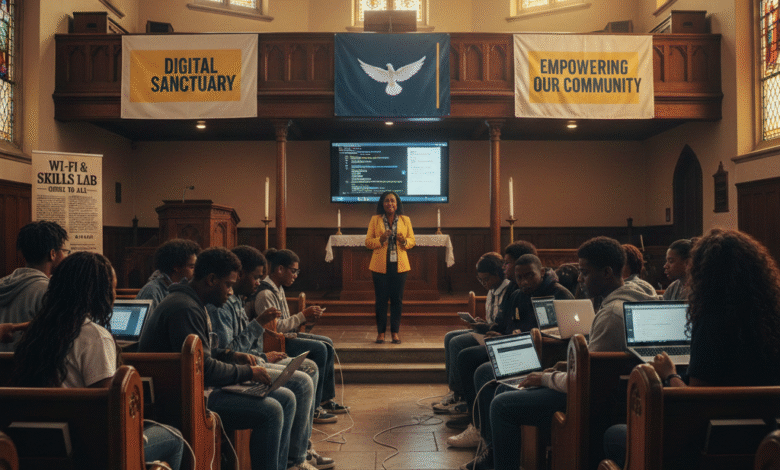
In the heart of Newark, the local church has always been more than a place of worship—it has been a community anchor. Now, that anchor is going high-tech. As Newark Digital Equity earns national recognition as a digital inclusion leader, a new movement is taking shape inside familiar sanctuaries and fellowship halls.
What’s emerging isn’t just better livestreams or upgraded sound systems. It’s something more practical—and more powerful.
The Rise of the “Digital Sanctuary”
For years, the digital divide in Newark has been more than an inconvenience. Families without reliable broadband face real barriers to education, employment, healthcare access, and civic participation. During the pandemic, many churches rushed to put services online, exposing just how uneven digital access had become.
Now, the response has matured.
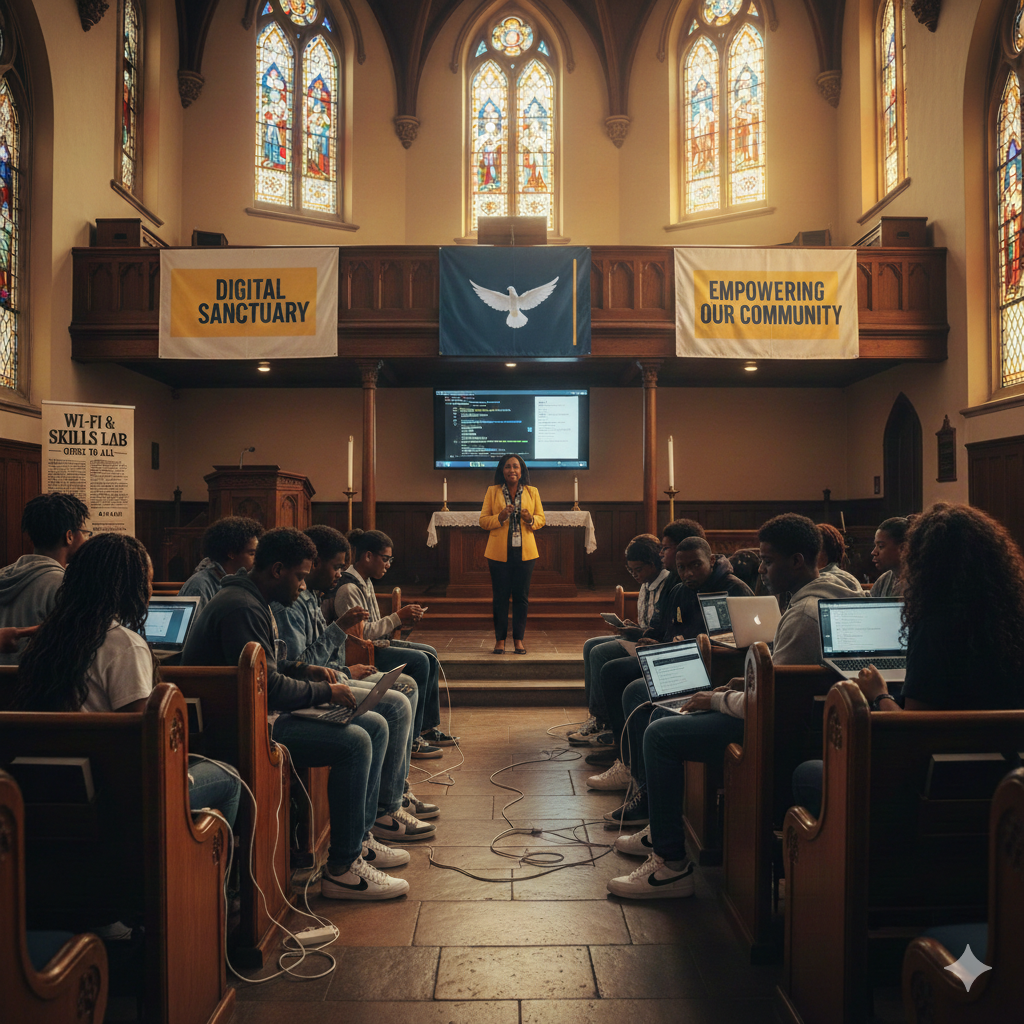
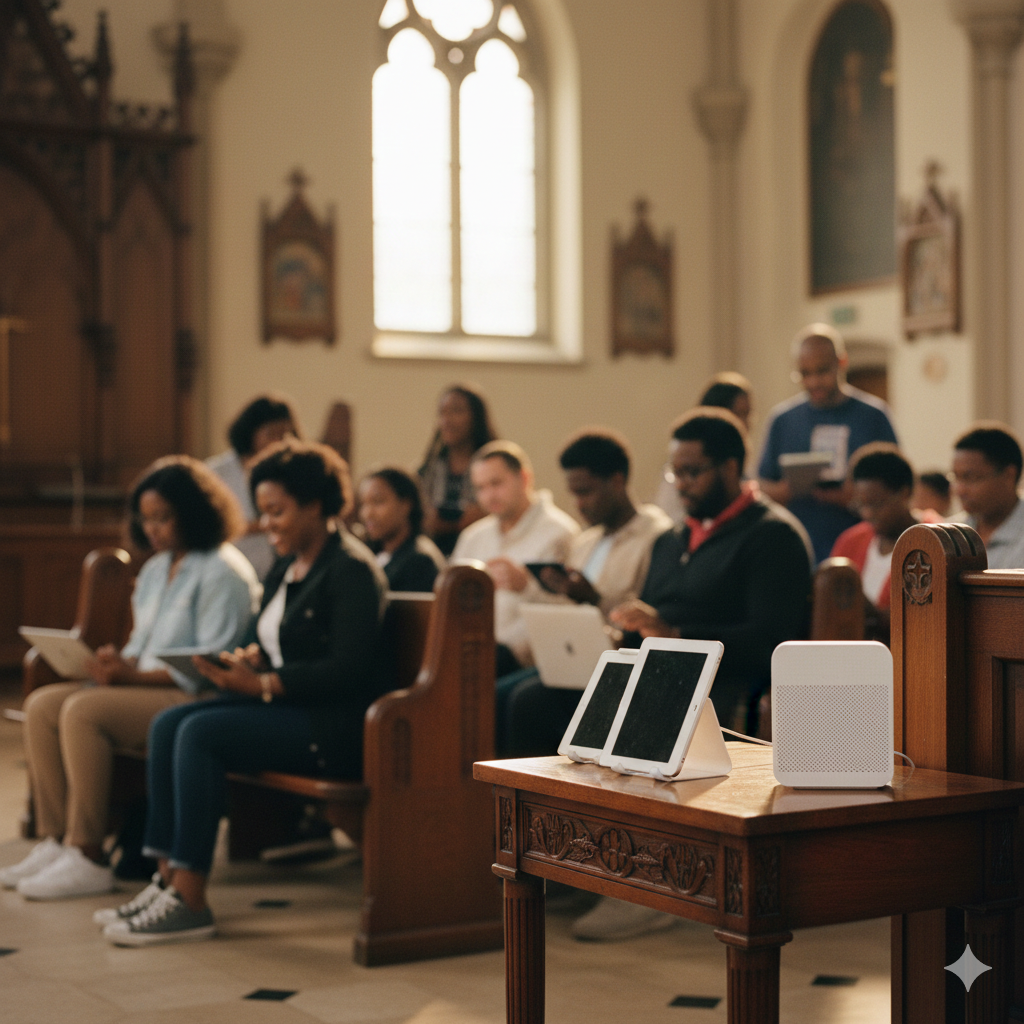
Through funding streams connected to the Digital Equity Act and creative-arts and infrastructure grants aimed at community institutions, Newark churches are upgrading far beyond livestream cameras. Church basements are becoming computer labs. Sanctuaries are doubling as Wi-Fi hubs during the week. Classrooms once used only on Sundays now host digital literacy workshops.
These “Digital Sanctuaries” aren’t members-only spaces. They’re open doors—safe, trusted, and rooted in neighborhoods that have historically been under-connected.
Beyond the Stream: From Worship Tech to Community Infrastructure
This shift matters because it reframes the church’s role in modern life.
Instead of focusing only on digital worship, churches are offering:
- Public Wi-Fi access for families without home broadband
- Computer labs for students completing homework or college applications
- Resume help, job searches, and online certification access for adults
- Creative tech space for entrepreneurs and artists
For Gen Z students navigating school platforms and hybrid learning, these spaces offer stability. For job seekers navigating online-only hiring systems, they offer opportunity. The church becomes not just a spiritual refuge, but a functional bridge into the digital economy.
Why This Matters for Newark’s Future
Newark’s path toward equity increasingly depends on connectivity. Access to the internet is no longer optional—it’s foundational.
Organizations like the National Black Church Initiative have long argued that broadband access should be treated as a civil rights issue. The logic is simple: communities locked out of digital tools are locked out of economic mobility.
By acting as neighborhood tech hubs, churches help ensure that opportunity isn’t determined by a household’s zip code or internet bill. They also bring something government programs often struggle to replicate—trust.
When digital access is offered in spaces people already know, respect, and rely on, participation follows.
What This Shift Reveals
The story of Newark digital equity isn’t just about technology. It’s about adaptation.
The Black church has always evolved in response to community needs—education, civil rights, housing, food security. Digital access is simply the next frontier. These new sanctuaries suggest a future where faith institutions remain relevant not by changing beliefs, but by expanding service.

Key Takeaways
- Newark churches are emerging as trusted digital access points, not just worship spaces
- Grant funding is enabling long-term community tech infrastructure, not temporary fixes
- Digital sanctuaries help students, job seekers, and entrepreneurs bridge access gaps
- Faith-based institutions offer trust and stability that technology programs alone often lack
HfYC Poll of the Day
Follow us and respond on social media, drop some comments on the article, or write your own perspective!
Should churches play a larger role in providing internet access and digital education in Newark?
Poll Question Perspectives
- Is digital access now as essential as food pantries and housing support?
- Should cities formally partner with churches as tech access hubs?
- Are faith institutions filling gaps government programs still haven’t closed?
Related HfYC Content
- Newark Silicon Garden: How a City Planted in Grit Is Blooming Into a National Tech Powerhouse
- Brooklyn’s Digital Lifeline: How the NYC Digital Equity Roadmap 2025 Hits Home
- The Enduring Foundation: How New Jersey’s Black Churches Fueled a Movement
Other Related Content
- Digital Equity Act (U.S. Department of Commerce – NTIA)
https://www.internetforall.gov/program/digital-equity-act-programs - National Black Church Initiative – Technology & Broadband Advocacy
https://www.nationalblackchurchinitiative.org/ - Pew Research Center – Internet & Technology Access
https://www.pewresearch.org/topic/internet-technology/
References
- U.S. Department of Commerce, National Telecommunications and Information Administration (NTIA). (2023). Digital Equity Act Programs. https://www.internetforall.gov/program/digital-equity-act-programs
- National Black Church Initiative. (n.d.). Broadband access and faith-based community development. https://www.nationalblackchurchinitiative.org/
- Pew Research Center. (2021). Internet/Broadband Fact Sheet. https://www.pewresearch.org/internet/fact-sheet/internet-broadband/