Charlie Kirk Loves the Dolls: Conservative Hypocrisy, Viral Tea, and the Politics of Repression
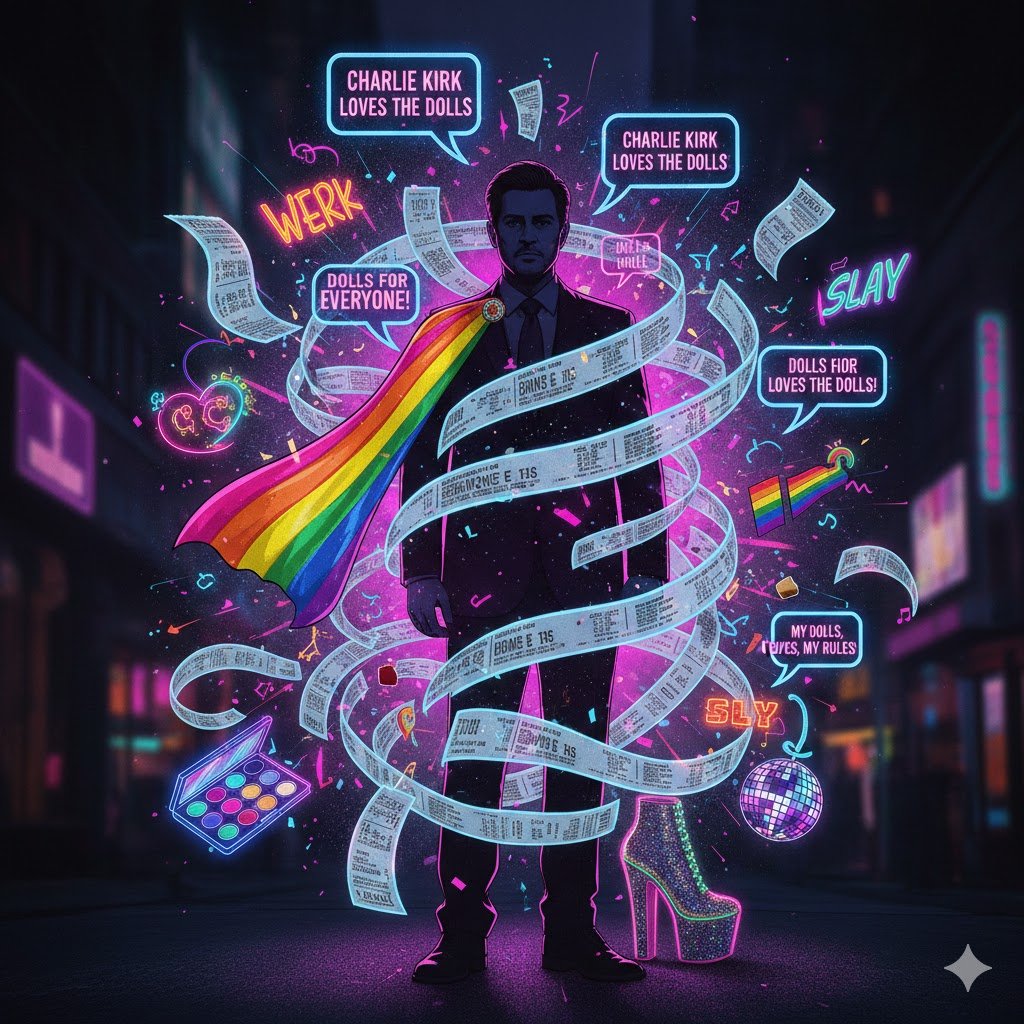
When the rumor hit the timeline—“Charlie Kirk Loves the Dolls”—the internet didn’t blink. It didn’t gasp. It didn’t pause. It simply said, “Of course he does.” And that reaction, not the rumor itself, is the real story.
The allegation came from an Instagram creator who posted supposed “receipts” showing that the late conservative figure Charlie Kirk was subscribed to a trans woman’s OnlyFans account just hours before his assassination. The screenshots were unverified, suspiciously on-the-nose, and widely believed to be fabricated. Yet the collective response wasn’t outrage or disbelief—it was a knowing smirk.
Why? Because the rumor, true or not, fit into a longstanding cultural pattern: public conservative morality on the mic, private liberation in the shadows. The story stuck because it felt familiar. It felt believable in the symbolic sense. And it tapped into a deep well of mistrust around religious repression, political hypocrisy, and the ongoing “culture war” against queer and trans communities—specifically the dolls, a term with its own rich history that Kirk himself never understood but somehow got caught inside anyway.
This wasn’t just a rumor. It was a referendum.
“The Dolls”: A Cultural Term With History, Humor, and Power
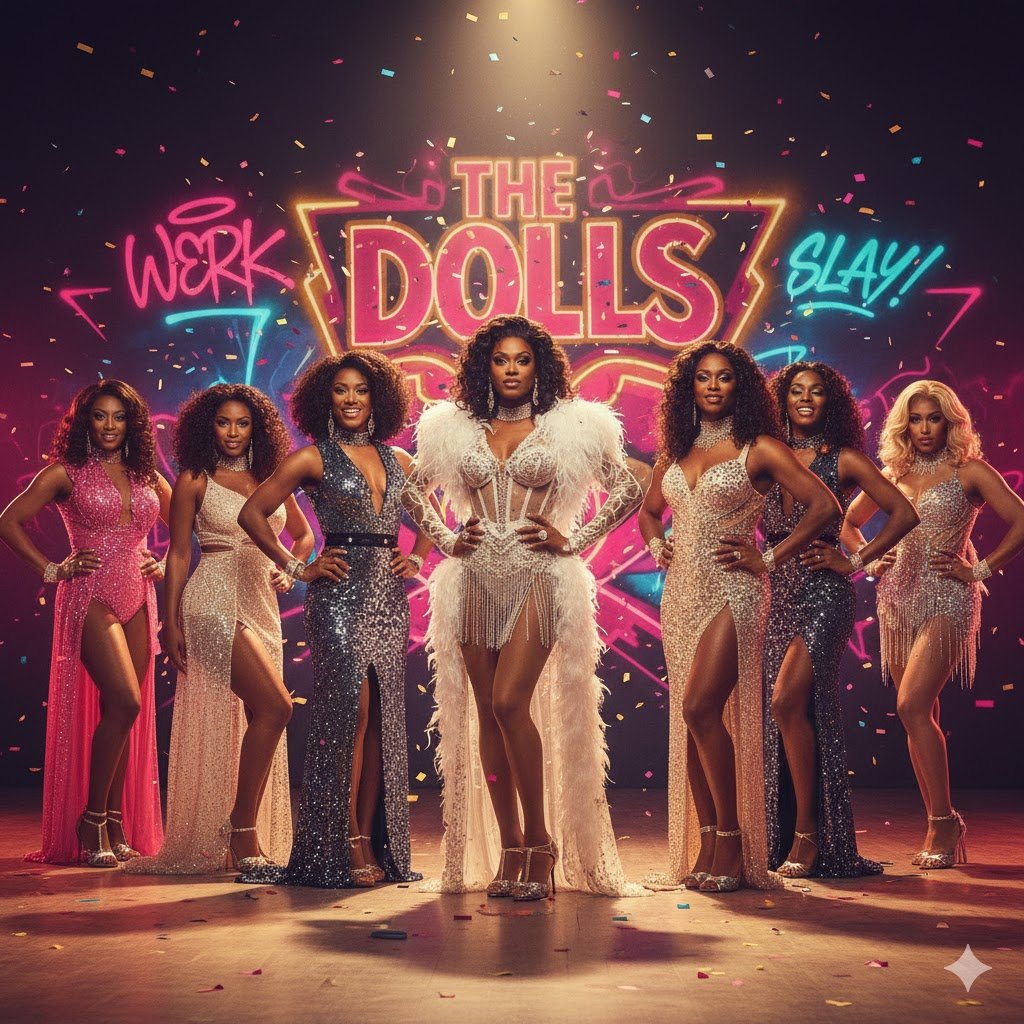
Before going further, it’s important to explain who “the dolls” actually are, because the term is more than slang—it’s a cultural lineage.
“The dolls” originally emerged from Black and Latinx ballroom culture and underground queer communities—spaces that birthed so much of today’s LGBTQ+ vocabulary, aesthetics, and performance artistry. In ballroom, “the dolls” referred lovingly to trans women, femme-presenting girls, and particularly the glamorous, confident, socially savvy women who knew exactly who they were. It was celebratory. Affirming. A reclamation of womanhood in a world that tried to erase it.
As queer culture bled into mainstream social media (often without proper credit), “the dolls” became a playful, widely understood term to refer to trans women, especially those who are online creators, performers, or cultural figures. When Black and queer people use the term today, it signals both community recognition and a sense of insider connection. It’s not derogatory when used within the community—it’s a crown.
So when the internet said “Charlie Kirk loves the dolls,” the meaning was clear:
This conservative icon—famous for attacking transgender rights—was now being linked to the very people he spent a decade vilifying.
Whether the rumor was real or not hardly mattered. Its symbolism did.
Why This Rumor Hit So Hard: Conservative Hypocrisy Isn’t New—It’s a Genre
The rumor circulated with lightning speed because it followed a pattern many Americans, especially Black Americans, recognize instinctively: public figures preaching “morality” while privately indulging in whatever they want.
Christian and conservative political culture in the U.S. has a long, documented history of scandals involving the very behaviors its leaders condemn.
In fact, the pattern is almost formulaic:
- A public crusade against sexual “degeneracy”
- A sermon about purity, discipline, and righteousness
- A moral panic about queer and trans people
- And then—
- Another pastor, senator, governor, or activist caught in a gay relationship, a sex scandal, or using the very services they call sinful
And historically, when these scandals hit the church, the response is predictable:
Repent. Forgive. Look away. Protect the institution.
As one Atlantic writer noted in 2018, evangelical Christianity has “a centuries-old muscle memory” for hiding leaders’ sexual misconduct to “protect the righteous cause.” This wasn’t new. It wasn’t shocking. It was simply the latest remix.
So when the rumor attached Charlie Kirk—a political figure whose brand was built on vilifying queer existence—to “the dolls,” the internet responded with a collective shrug.
It wasn’t about whether he did it.
It was about how often they all do it.
Grindr and the GOP: The Meme That Became a Metaphor
For years, there has been an ongoing joke—and occasional report—that Grindr, the gay dating app, experiences spikes in activity during Republican conventions. The Washington Post has noted similar data patterns: conservative spaces often coincide with increased downloads of queer dating apps.
Is the meme exaggerated? Absolutely.
Does the internet care? Not at all.
Because again, the meme speaks to a sociological truth:
Where repression thrives, secrecy follows. And where secrecy exists, “deviant behavior” becomes more extreme—not because queer identity is deviant, but because forcing people to hide who they are produces distorted, clandestine relationships with pleasure, desire, and identity.
Repression doesn’t reduce desire.
Repression intensifies it.
And the louder politicians scream about purity—especially around LGBTQ+ identity—the more the public side-eyes what they might be doing when the cameras are off.
Religion, Repression, and “Deviant Behavior”: A Tale as Old as the Pulpit
Every Black family has stories about the church.
The cousin who got pregnant young and the family covered it up.
The pastor who preached fire but kept multiple girlfriends.
The choir director everyone knew was gay but nobody said anything.
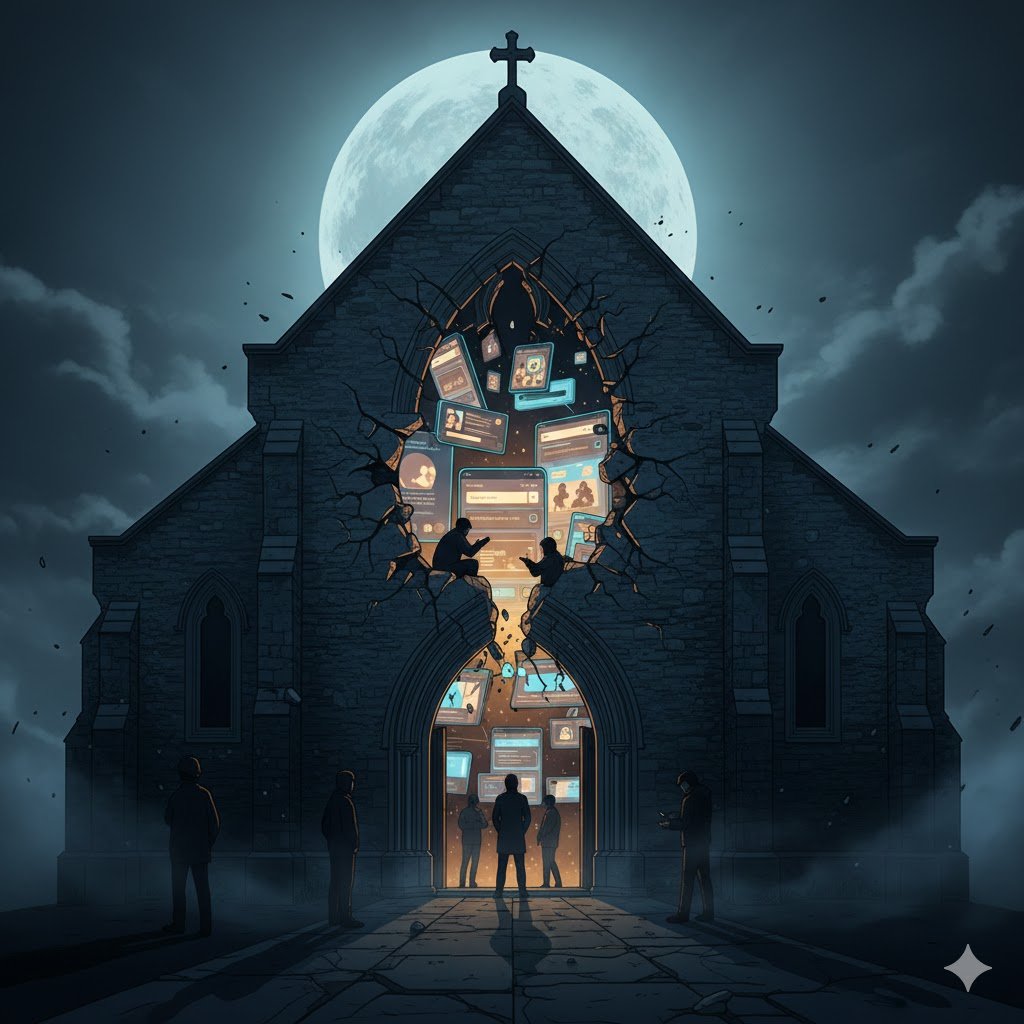
Christianity in America has long been a place where people hide what they cannot confront—especially sexual desire. When entire belief systems are built on policing sexuality, especially queer sexuality, the pressure creates secrecy, shame, and a distorted relationship with desire.
Sociologists describe this as “moral dissonance”:
When your beliefs and desires contradict, you either adjust your beliefs or live a double life.
Many conservative leaders choose the double life.
So when the rumor about Charlie Kirk subscribing to a trans woman’s OnlyFans hit the timeline, it mapped neatly onto this historic pattern. Even though the allegation was unverified, the community understood its meaning instantly:
People who suppress identity end up seeking it out in the shadows.
Why Young People Didn’t Flinch: A Generation Allergic to Hypocrisy
Gen Z and young millennials—across racial lines, but especially in Black communities—were the quickest to interpret the rumor not as “scandal,” but as predictable cultural archetype.
Their reaction was shaped by:
- Growing up online, witnessing national hypocrisy in real time
- Watching conservative leaders attack queer people while secretly engaging with queer culture
- Understanding queer language like “the dolls”
- Seeing sex work become de-stigmatized
- Knowing how easy it is to fake receipts
- Recognizing memes as political discourse
Younger readers didn’t take the rumor literally—they took it symbolically. To them, the phrase “Charlie Kirk loves the dolls” wasn’t about one man’s secret desires. It was shorthand for:
“We see the pattern. We know how this game works. And we’re not shocked anymore.”
Older generations, on the other hand, tended to focus more on the morality politics, the sexual hypocrisy, and the interplay between religion and repressed desire. Across generations, the reaction differed—but the understanding aligned.
So… Did Charlie Kirk Actually Love the Dolls? That’s Not the Point
The receipts were almost certainly fake.
The timing was suspicious.
The username was comedically exaggerated.
No reputable news source confirmed the rumor.
And still, the phrase stuck.
Not because it was true, but because it felt true about the world we live in.
The rumor wasn’t about Charlie Kirk.
The rumor was about:
- the gap between public morality and private desire
- the tension between repression and liberation
- the hypocrisy woven through conservative culture wars
- the fetishization of trans women by the very men who vilify them
- the power of queer language to expose contradictions
- the way social media holds up a mirror to society
“Charlie Kirk loves the dolls” became a cultural shorthand—a meme with teeth.
Key Takeaways
- The rumor resonated because it mirrored historic conservative hypocrisy.
- “The dolls” is a term with deep roots in Black queer and ballroom culture.
- Repression in religious and conservative spaces often leads to secrecy and extreme behavior.
- Grindr convention jokes went viral because they symbolize a real sociological pattern.
- Young people interpreted the rumor symbolically, not literally.
- Whether true or false, the rumor exposed contradictions in political morality narratives.
Call to Action — Believe Patterns, Not Performances
When scandals hit, institutions always ask communities to focus on the individual story. But the lesson here is much bigger. Don’t focus on whether Charlie Kirk loved the dolls. Focus on:
- why queer people have been demonized for decades
- why conservative leaders are repeatedly caught engaging in what they condemn
- why repression creates secrecy rather than virtue
- why rumors feel truer than official statements
In a world full of curated images and moral performances, Black communities—queer, trans, straight, young, and old—must continue seeing through the spectacle and calling out the patterns.
Hypocrisy thrives in silence.
Truth thrives in community.
HfYC POLL of the Day
Do rumors like “Charlie Kirk Loves the Dolls” expose hypocrisy—or just reveal what people already suspected?
Alternate Perspectives:
- Are scandals about conservative sexuality shocking anymore, or just predictable?
- Does repression create hypocrisy—or amplify desire?
- Is the real story the rumor—or the pattern behind it?
Related HfYC Content
- Charlie Kirk Got Shot: Whoopty-Do or Much Ado?
- Pride in the Hood: Being Young, Black, and Queer in New Jersey
- Attacks on Christians in Nigeria – Hidden Truths & Political Lies
- Finding Our Reflection: Deconstructing the White-Washed Jesus
- Dating While Black and Christian: A Guide to Navigating Faith, Culture, and Love
- The Enduring Foundation: How New Jersey’s Black Churches Fueled a Movement and What That Means for Us Today
- Bros Gone Wild — Passport Bros vs the FBA
Other Related Content
- “Inside the History of Ballroom Culture”
- “Why Political Figures Keep Getting Caught in Sex Scandals”
REFERENCES (APA Style)
- The Atlantic. (2018). The moral dissonance of evangelicals and scandal. https://www.theatlantic.com
- Them Magazine. (2020). A brief history of ballroom and its cultural impact. https://www.them.us
- Washington Post. (2022). Political hypocrisy and sexuality in conservative spaces. https://www.washingtonpost.com
-
-

-
-