NJ Black Winter Olympians 2026: Curtis & Sosoo
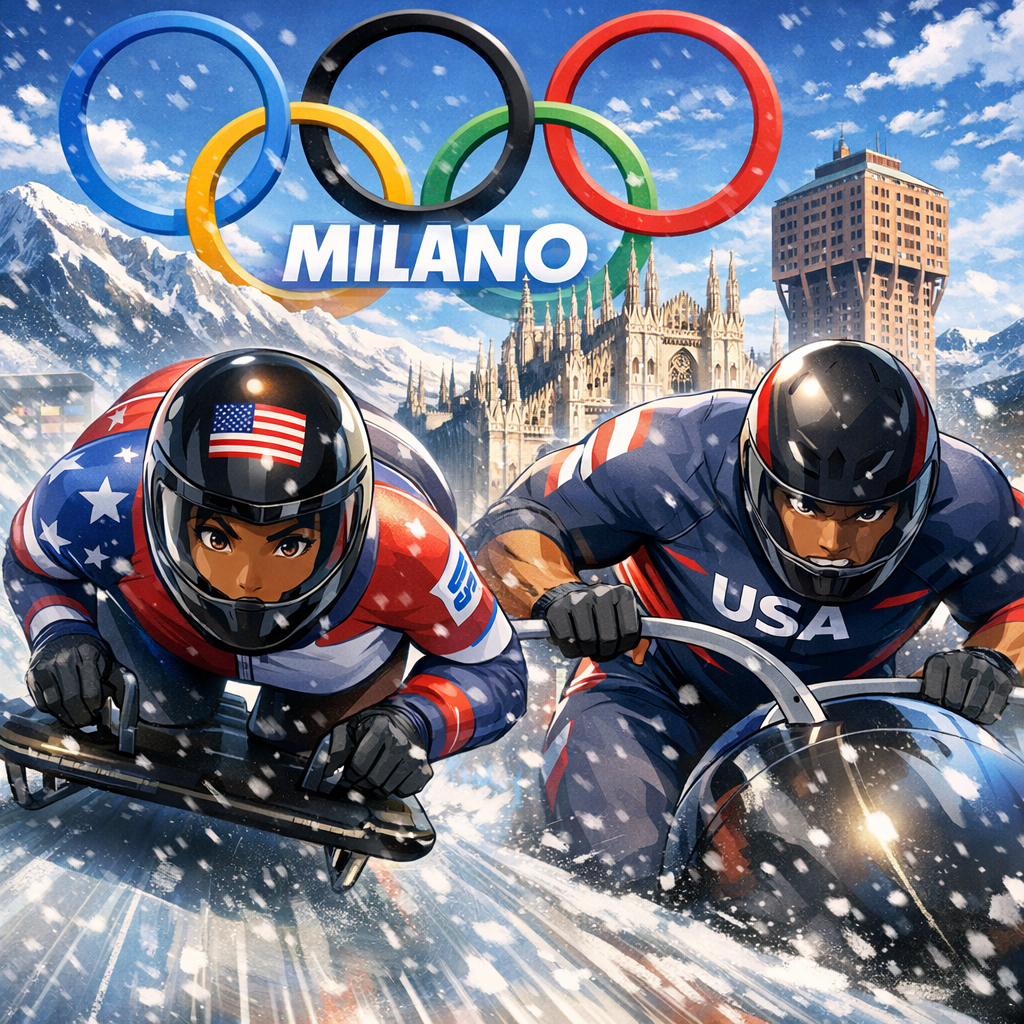
The NJ Black Winter Olympians 2026 story feels almost unreal when you say it out loud. From Princeton training grounds to Monmouth University’s track lanes, two Northern New Jersey athletes are now flying down ice tracks in Italy at nearly 90 miles per hour. And for communities that rarely see themselves reflected in winter sports, this moment lands deeper than medals. It’s about presence. It’s about access. It’s about rewriting who belongs on the coldest stages in the world.
As the 2026 Winter Games unfold in Milano Cortina, we’re rooting for everybody Black—but especially for the two athletes carrying New Jersey’s name into sliding-sport history.
Kelly Curtis: The Princeton Veteran Changing the Ice

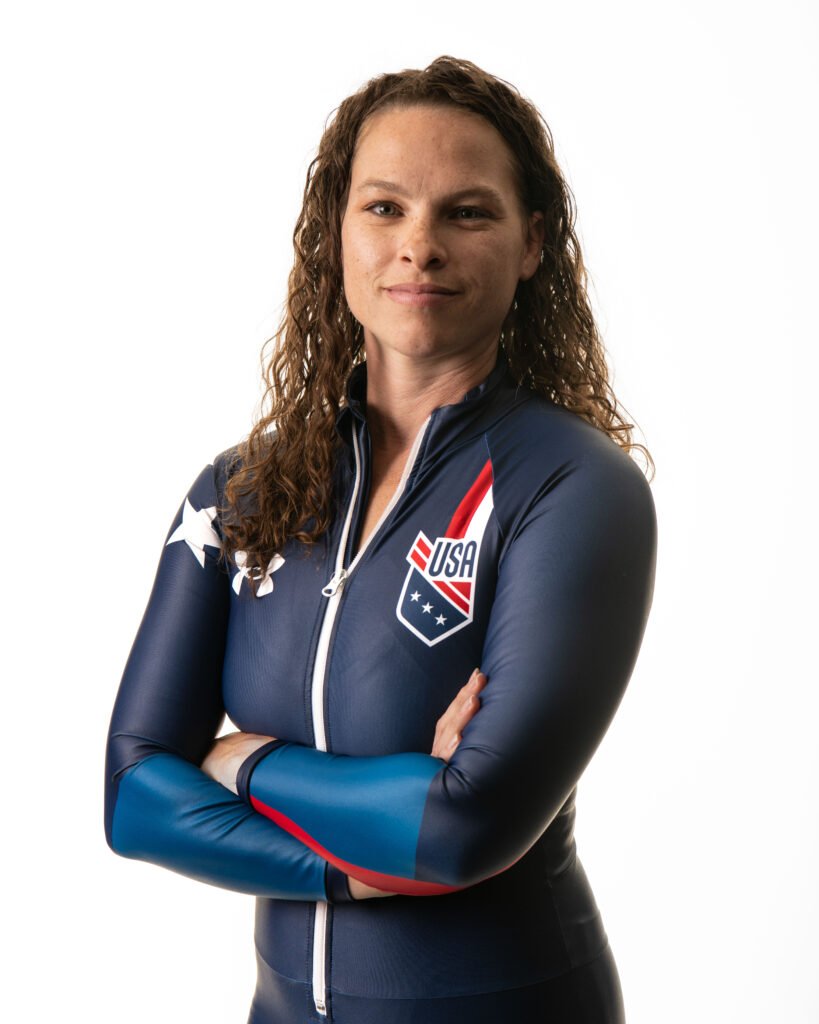
Princeton-born Kelly Curtis is competing in her second Winter Olympics, returning to the global stage after making history in 2022 as the first Black athlete to represent Team USA in skeleton.
A former heptathlete, Curtis transitioned from track and field into skeleton—one of the most technically demanding and mentally intense winter sports. She also serves in the U.S. Air Force World Class Athlete Program, balancing military discipline with elite-level competition.
As of February 15, 2026, Curtis has completed her individual runs in Milano Cortina, holding a top-10 position in a fiercely competitive field. In a sport where hundredths of a second separate podium finishes from the middle of the pack, maintaining that presence speaks to experience, composure, and longevity.
But her impact goes beyond times and rankings.
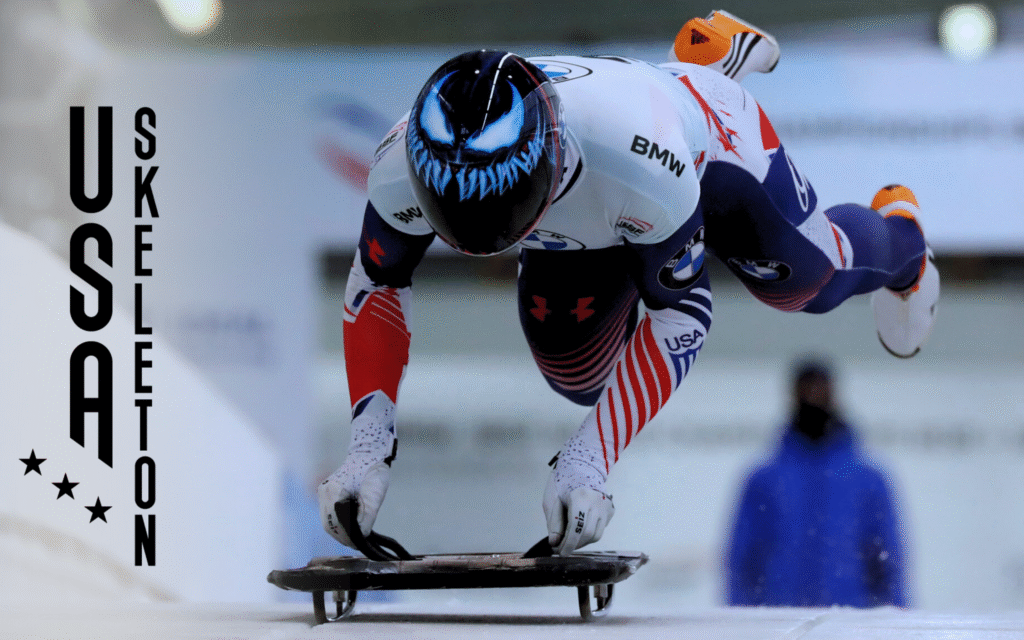
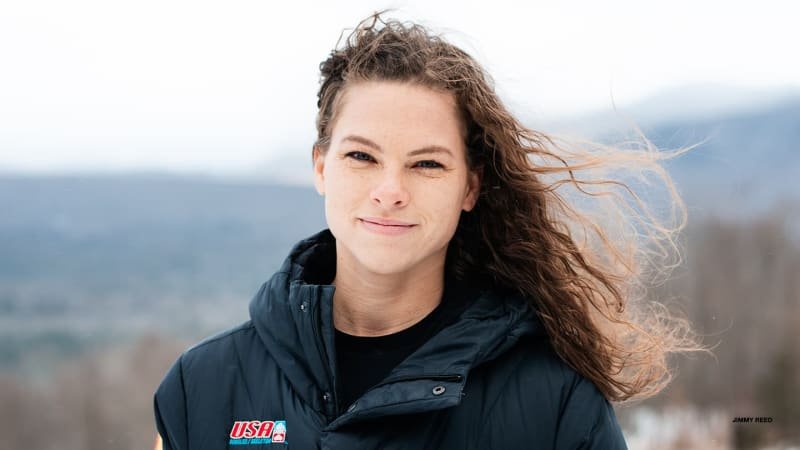
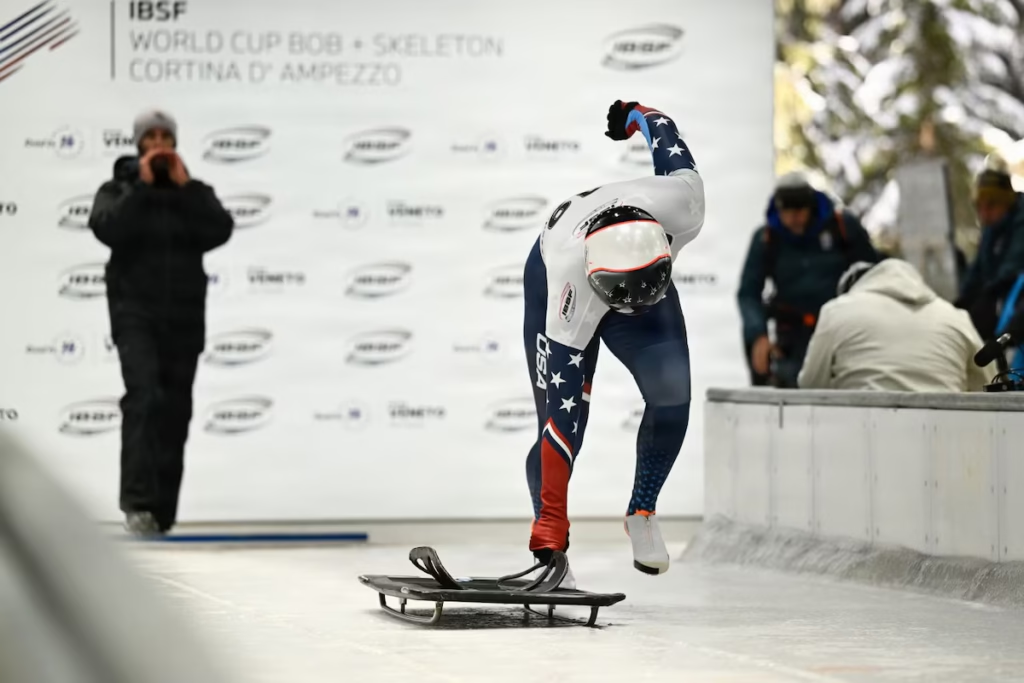
Skeleton has long struggled with representation, access, and awareness in Black communities. The pipeline is narrow. The facilities are limited. The financial barriers are real. Curtis’ return to the Games represents something larger than personal achievement—it’s a visible disruption of a space that historically did not include us.

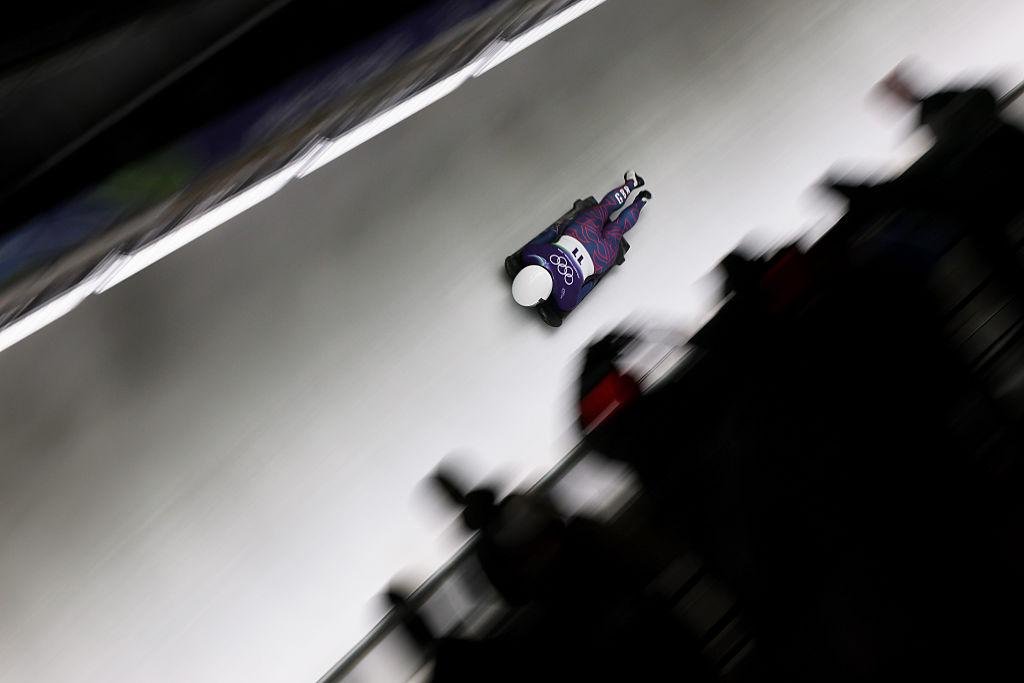
Her journey embodies resilience and transition: from track athlete to sliding specialist, from first-time qualifier to returning veteran. For young Black girls watching in New Jersey and beyond, that matters.
Bryan Sosoo: From Monmouth Speed to Olympic Power
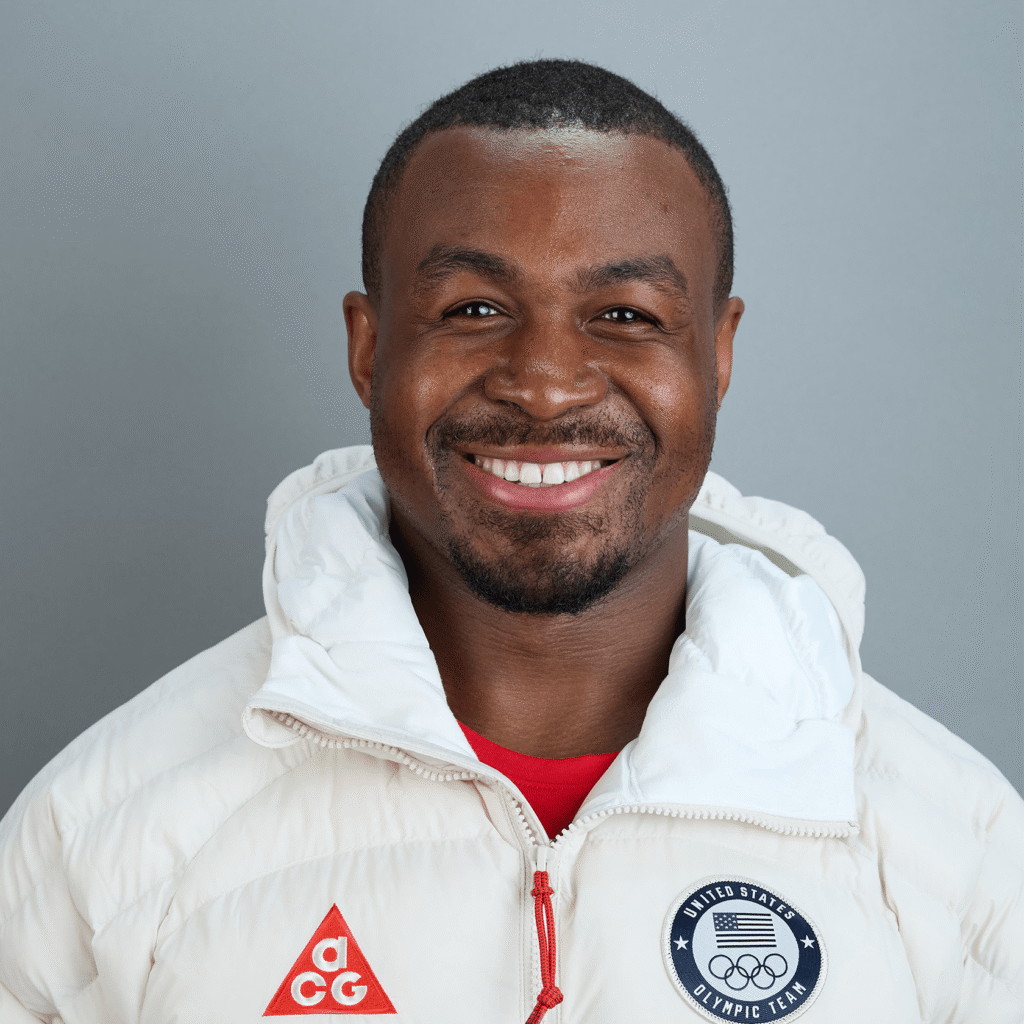
While Curtis navigates the ice solo, Monmouth University graduate Bryan Sosoo is bringing explosive power to Team USA’s bobsled crew.
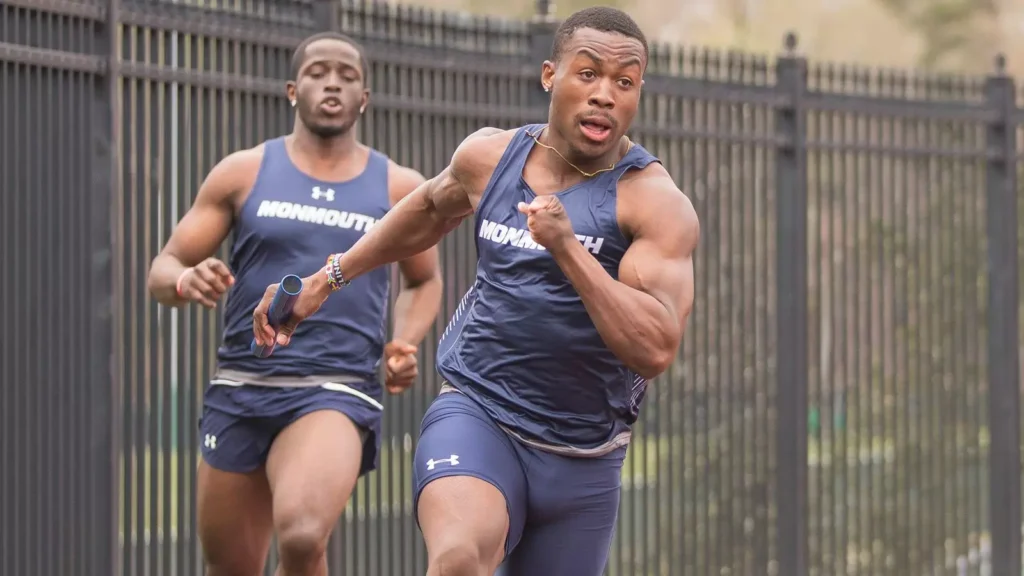
Sosoo built his athletic reputation on speed. At Monmouth, he set school records in the 60m and 100m dashes, demonstrating the kind of acceleration that bobsled coaches actively recruit. In late 2024, he made the pivot from track star to Olympic push athlete—a transition that can take years for some competitors.

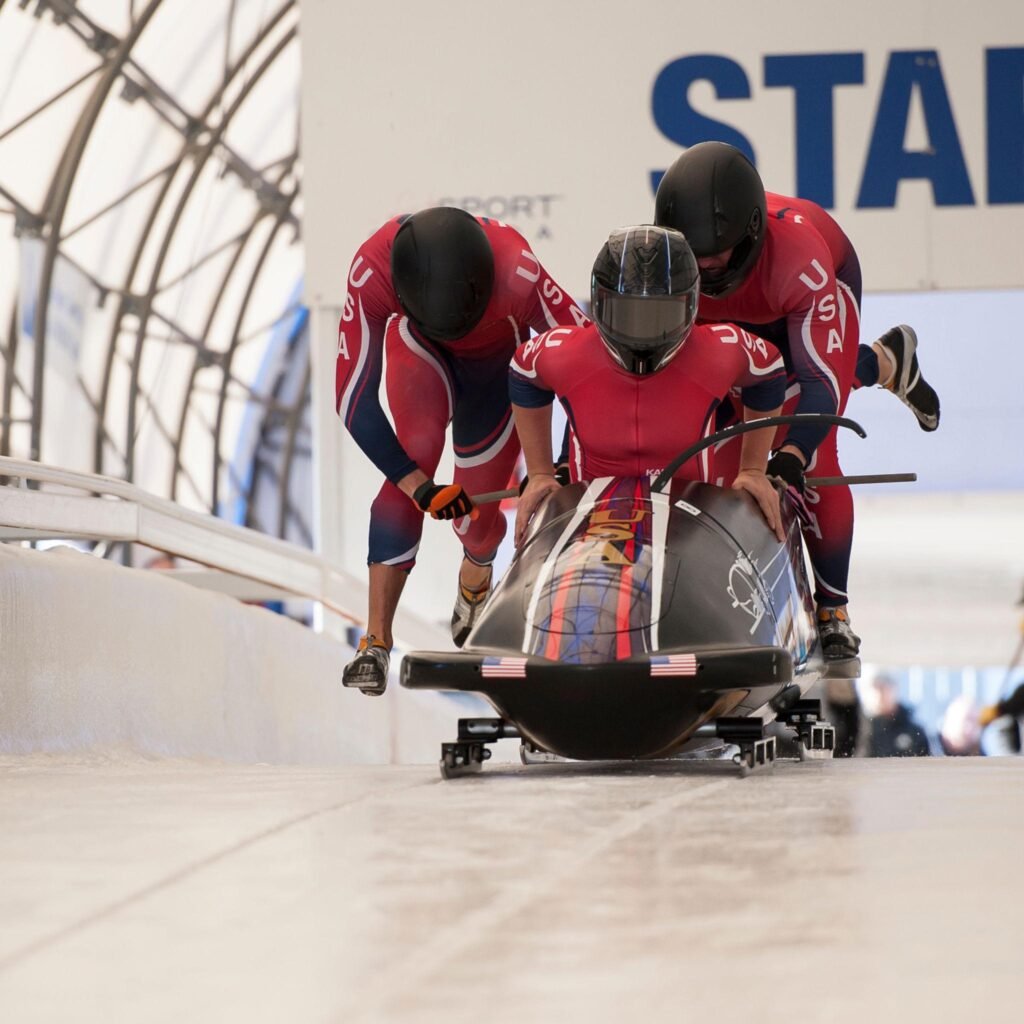
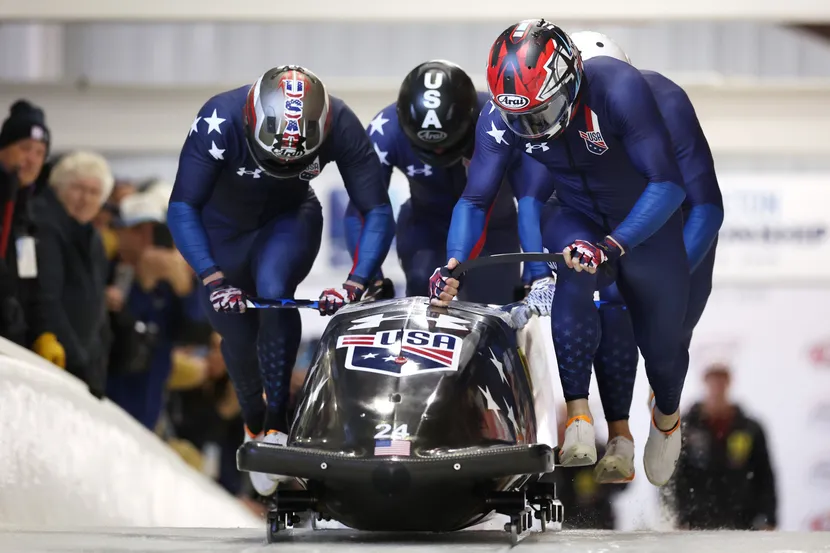
In bobsled, the start is everything. Push athletes sprint a roughly 400-pound sled across ice, generating momentum before jumping in as the sled rockets toward speeds approaching 90 mph. The first five seconds can define the entire race.
Sosoo’s presence on the 2026 roster reflects a powerful throughline: urban track excellence translating into winter dominance. It also speaks to something we’ve seen repeatedly—Black athleticism is often elite across disciplines, even when access to certain sports has been historically limited.
This isn’t just about athletic crossover. It’s about systems recognizing talent where it already exists.
The Civic Tension Around Winter Sports Access
Winter sports in the United States have long carried unspoken barriers—cost of equipment, limited ice facilities in urban areas, and a cultural perception that skiing, skating, and sliding sports are “not for us.”
In Northern New Jersey and Brooklyn, access to ice time or winter training programs is uneven. Indoor rinks exist, but consistent development pathways into elite winter competition are rare. That structural reality makes the NJ Black Winter Olympians 2026 narrative even more significant.
Curtis and Sosoo are not simply competing. They are challenging the blueprint.
Representation alone does not erase barriers. But it does shift imagination. And imagination is often the first step toward investment, programming, and long-term change.
As we mark the Centennial of Black History this month, their presence feels symbolic. The first century fought for entry into systems. The next century is about ownership, visibility, and expansion into spaces once closed.
Why This Moment Hits Different in 2026
There’s something powerful about seeing New Jersey—specifically Northern NJ—represented in a global winter arena. Our region is known for grit, hustle, basketball courts, football fields, and track meets. Ice tracks in Italy? That’s new terrain.
But that’s the point.
The NJ Black Winter Olympians 2026 story isn’t a novelty headline. It’s a marker of evolution. It says the definition of “local sports excellence” is widening. It says that young athletes from Princeton, Newark, Jersey City, Paterson, and Monmouth County don’t have to limit their ambition to the expected.
They can sprint on ice. They can slide headfirst down frozen tracks. They can represent Team USA—and still represent us.
Key Takeaways
- Kelly Curtis’ return to the Olympics reinforces long-term representation in a sport where Black athletes have historically been absent.
- Bryan Sosoo’s rapid transition from collegiate track to Olympic bobsled highlights how transferable athletic excellence can be.
- The NJ Black Winter Olympians 2026 narrative challenges cultural and structural barriers in winter sports.
- Visibility in non-traditional sports expands possibility—but access and infrastructure remain critical next steps.
HfYC Poll of the Day
Follow us and respond on social media, drop some comments on the article, or write your own perspective!
Does seeing local athletes like Kelly Curtis and Bryan Sosoo in the Winter Olympics make you more likely to try “non-traditional” winter sports like skating or skiing?
- Yes, it shows those spaces are for us too.
- I’m interested, but we need more local facilities in NJ/NY.
- No, I’ll stick to summer sports.
Poll Question Perspectives
Would stronger winter sports programs in Northern NJ schools change who competes at the Olympic level?
- Is representation enough to shift participation in winter sports, or does infrastructure matter more?
- Should New Jersey invest more in ice facilities and winter athletic pipelines in Black communities?
Related HfYC Content
- Gambling, the Mob, and the FBI: Inside the 2025 NBA Scandal
- HBCU Relevance Today: Are We Still Building for Us?
- Boss Moves: How Black Gen Z Is Building a New Business Blueprint in New Jersey
- Shedeur Sanders Fumbles His Big Chance
- Divine Nine Leadership in Action
- Bergen County, NJ: A County of Contrasts, Culture, and Community Power
Other Related Content
- Team USA – Skeleton Athlete Profile: Kelly Curtis
- Monmouth University Athletics – Track & Field Records
- Team USA Bobsled & Skeleton Overview
- Winter Olympics Milano Cortina 2026 Official Site
References
- Team USA. (2026). Athlete profile: Kelly Curtis. Retrieved from https://www.teamusa.com
- Monmouth University Athletics. (2024). Track & Field Records. Retrieved from https://monmouthhawks.com
- Milano Cortina 2026. (2026). Official Winter Olympic Games website. Retrieved from https://milanocortina2026.olympics.com