Newark Maternal Health Disparities 2026: Closing the Prevention Gap
The newest data on Newark Maternal Health Disparities 2026 forces a difficult question: how can medical innovation advance while Black mothers remain at dramatically higher risk? According to the 2026 Maternal Health Report from the New Jersey Department of Health, Black mothers in Newark and Jersey City are 7.6 times more likely to die from pregnancy-related causes than white mothers. Even more alarming, 86% of those deaths were deemed preventable by medical reviewers. This is not simply a health statistic — it’s a systems failure happening in our neighborhoods.
The Data Behind the Disparity

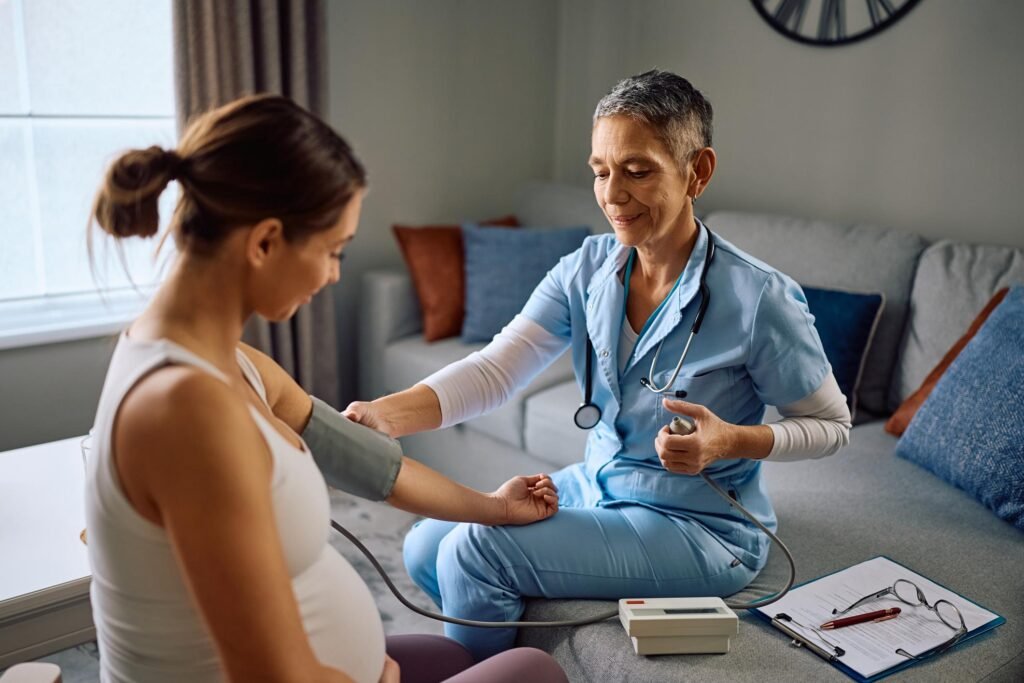
The 2026 state report identifies persistent racial gaps in maternal mortality across New Jersey, with the highest burden concentrated in urban centers including Newark and Jersey City.
Two findings demand attention:
- Black mothers experience a mortality rate 7.6 times higher than white mothers.
- 86% of pregnancy-related deaths were classified as preventable.
“Preventable” in medical review language often means missed warning signs, delayed treatment, untreated hypertension, unmanaged postpartum depression, or gaps in follow-up care after hospital discharge.
This is where the phrase “Prevention Gap” becomes more than rhetoric. It describes the space between medical knowledge and lived access.
Where the System Breaks Down


Maternal risk does not begin and end in the delivery room.
Common contributors flagged in maternal mortality reviews nationwide include:
- Postpartum hypertension complications
- Cardiomyopathy
- Severe bleeding
- Untreated infection
- Mental health crises, including postpartum depression
The danger window often extends well beyond childbirth — especially in the first year postpartum. Yet many mothers receive only one standard follow-up appointment after delivery.
For families navigating housing instability, transportation challenges, insurance shifts, or fragmented care systems, that single appointment can become the only checkpoint.
The Strategic Response: Nurture NJ and Home Visitation
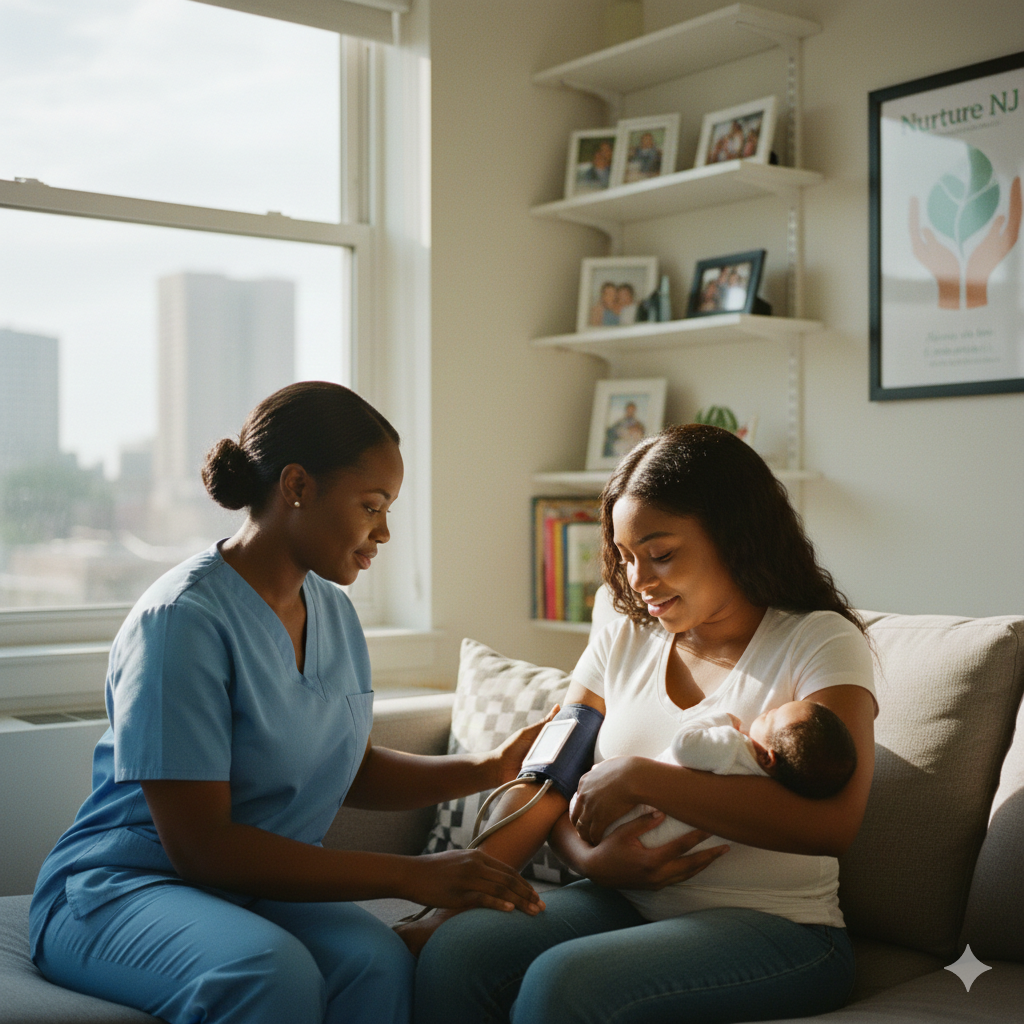
New Jersey’s statewide maternal health strategy, known as Nurture NJ, has positioned universal newborn home visitation as a central intervention.
The Universal Newborn Home Visitation Program sends registered nurses to the homes of new parents within approximately two weeks of birth. The visit includes:
- Blood pressure monitoring
- Screening for postpartum depression
- Infant wellness checks
- Connection to community resources
The theory is simple: if risk is highest in the weeks immediately after discharge, then support should show up at the doorstep — not wait for a missed appointment.
Home visitation is designed to close the Prevention Gap by shifting care from reactive to proactive.
Why Trust and Access Matter

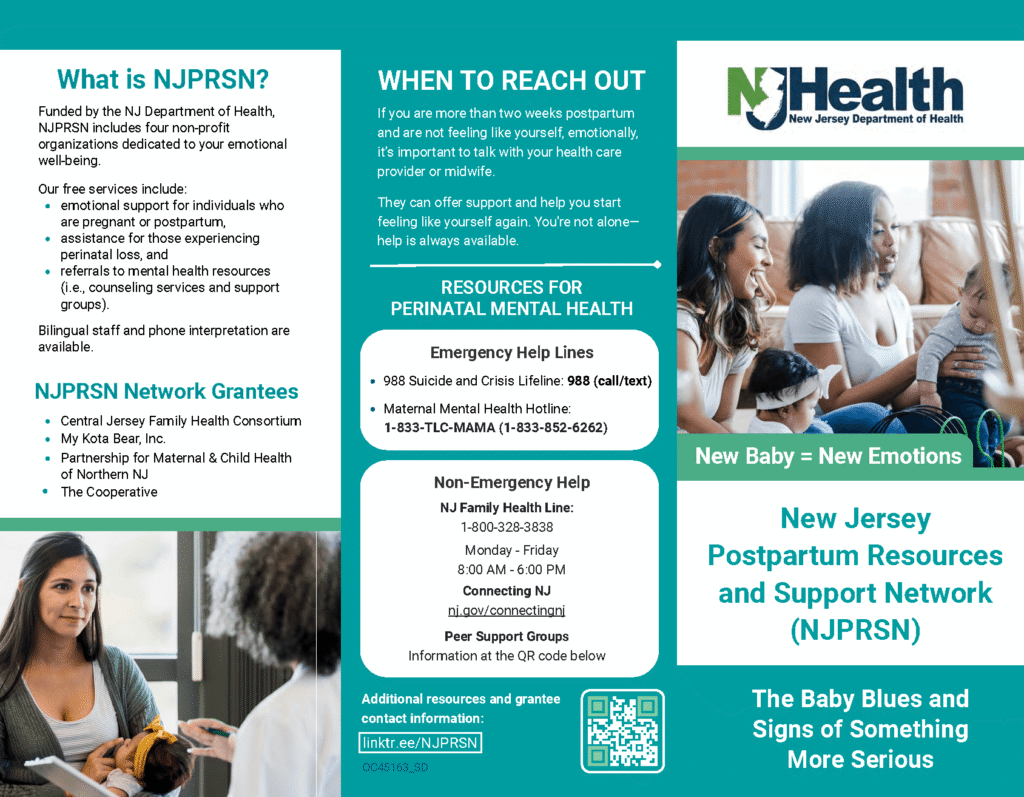
Data alone does not build trust.
For many Black families, medical interactions are shaped by historical bias, dismissal of pain, and systemic inequities. Programs like universal home visitation attempt to reduce barriers by meeting families where they are — physically and relationally.
But effectiveness depends on:
- Awareness of the program
- Consistent implementation across wards
- Clear enrollment pathways
- Adequate staffing
If families do not know the program exists, or if rollout is uneven by neighborhood, the gap remains.
What This Moment Reveals
Newark Maternal Health Disparities 2026 is not just a report. It is a test of whether prevention will finally be prioritized over crisis response.
If 86% of deaths are preventable, then prevention must become infrastructure — not pilot, not patchwork, not press release.
The question now is practical: is the nurse home visitation program reaching every ward consistently? And are families aware enough to access it?
Key Takeaways

- Newark Maternal Health Disparities 2026 show a 7.6x mortality gap between Black and white mothers.
- 86% of pregnancy-related deaths were deemed preventable.
- The highest risk period often occurs after hospital discharge.
- Universal home visitation aims to shift care from reactive to preventive.
- Program awareness and consistent ward-level implementation will determine impact.
HfYC Poll of the Day
Follow us and respond on social media, drop some comments on the article, or write your own perspective!
Is the nurse home visitation program active in your ward?
- Yes, I or someone I know has used it.
- I’ve heard of it but don’t know how to sign up.
- No, this is the first I’m hearing of it.
Poll Question Perspectives
Should postpartum home visits be mandatory outreach rather than opt-in?
Do you believe prevention programs are evenly implemented across Newark neighborhoods?
Is awareness the biggest barrier — or is it staffing and funding?
Related HfYC Content
- Saving Our Mothers: NJ’s Push to End the Black Maternal Health Crisis
- The Black Sperm Donor Shortage: Beyond the Da Brat Backlash
- The 2026 Wellness Shift: How Newark Black-Owned Gyms Are Reclaiming Health
- For Us, By Us: The Quiet Revolution in Black Health and Education
- The Dashboard of Your Mind: 4 Warning Signs Your Mental Health Is Sabotaging Your Success (Part 2/5)
Other Related Content
- New Jersey Maternal Mortality Review Program Reports
- Official statewide maternal mortality review reports from the New Jersey Department of Health’s Maternal Mortality Review Program. Maternal and Child Health | Mortality Reviews (NJ Health)
- Nurture NJ Official Portal
- Statewide initiative to reduce maternal and infant mortality and eliminate racial disparities. Nurture NJ: Home (NJ Government)
- 2025 March of Dimes Report Card — New Jersey
- National maternal and infant health indicators highlighting racial and regional disparities. 2025 March of Dimes Report Card for New Jersey
- Rutgers Coverage on NJ Maternal Health Progress
- Analysis of New Jersey’s legislative and programmatic progress improving maternal and infant outcomes. Rutgers Helps Track New Jersey’s Legislative Progress in Advancing Maternal and Infant Health
- Maternal Mortality Data & Preventability Context
- Reporting on preventable pregnancy-related deaths in New Jersey. NJ Maternal Mortality Report Finds Preventable Deaths (WHYY)
- New Jersey Maternal Health State Data
- State-level maternal and infant health data including inequalities and program interventions. Department of Health | New Jersey Maternal Data Center
References
- New Jersey Department of Health — Official maternal health data and news release showing racial disparities (7.6× higher mortality for Black mothers, 2019–2023).
- Maternal and Child Health | Mortality Reviews — NJDOH program that produces maternal mortality review reports.
- Nurture NJ Official Website — State initiative to reduce maternal and infant mortality disparities and support postpartum care.
- 2025 March of Dimes Report Card — New Jersey — Maternal & infant health metrics including racial inequities.
- Rutgers University News — NJ Maternal & Infant Health Progress — Overview of legislative and policy progress under Nurture NJ.
- Department of Health | NJ Maternal Data Center — State data hub on maternal and child health in New Jersey.
- WHYY Reporting on NJ Maternal Mortality — Local reporting reinforcing preventability findings in NJ review data.