Black Sperm Donor Shortage: Fertility & Equity Crisis
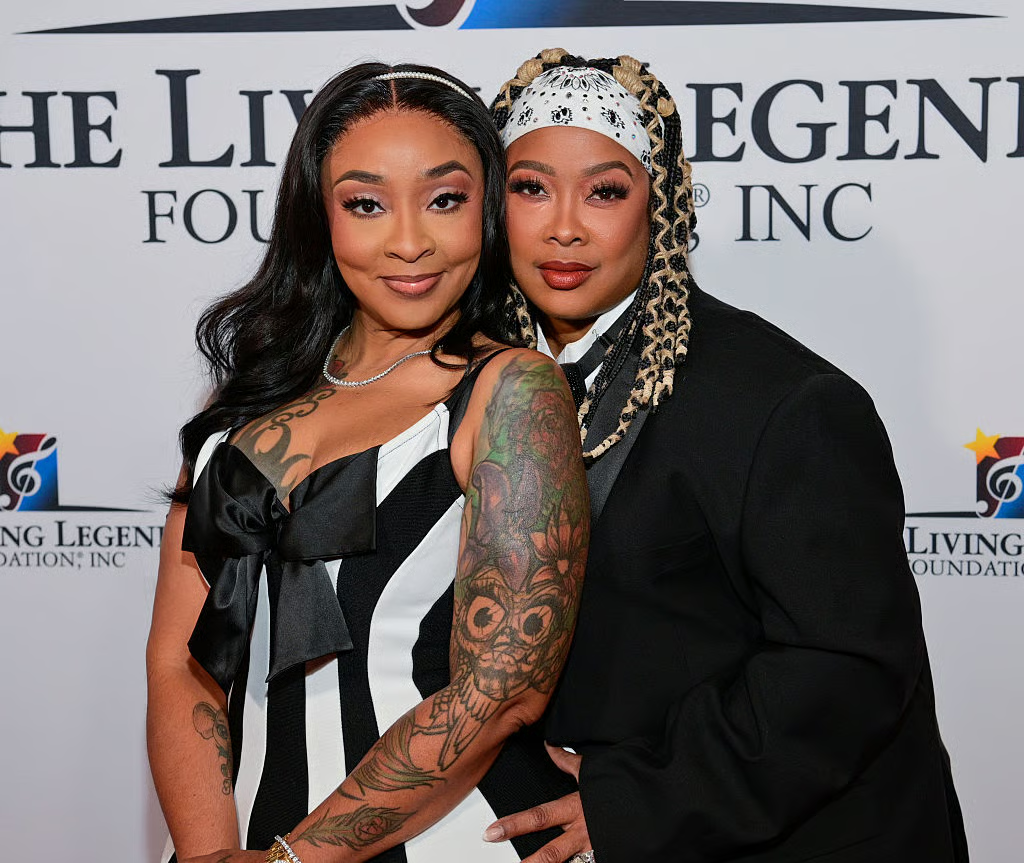
When news spread that Da Brat and her wife Judy Harris-Dupart used a white sperm donor for their son, the internet reacted with outrage. But beneath the headlines and harsh commentary sits a quieter reality: the Black sperm donor shortage is not a celebrity scandal — it’s a structural health disparity.
According to interviews the couple gave to outlets including Blavity and People, they reported that only about 3% of available sperm donors in their search were Black. Whether that exact percentage fluctuates by bank or region, the underlying issue remains widely documented: Black donors are significantly underrepresented in U.S. sperm banks. For families seeking racial concordance in donor selection, the pool is often limited, waitlisted, or unavailable.


This is not just about preference. It’s about access, trust, and reproductive autonomy.
The Numbers Behind the Black Sperm Donor Shortage
The fertility industry in the United States is valued in the billions, yet donor diversity has not kept pace with demographic reality. Data from major sperm banks have historically shown that white donors represent the overwhelming majority of available samples, while Black donors make up a much smaller share (Source Needed for consolidated national dataset).


At the same time, research consistently shows that Black women experience higher rates of infertility compared to white women. A 2013 review in Fertility and Sterility found that Black women were almost twice as likely to experience infertility but were less likely to receive fertility treatment. More recent analyses continue to highlight disparities in IVF access, insurance coverage, and treatment outcomes.
So the issue compounds:
- Higher infertility burden
- Lower access to fertility care
- Smaller donor pool
- Greater financial barriers
When the donor pool is already limited, families face additional emotional and financial strain — sometimes cycling through waitlists or expanding their search across states.
In regions like Northern New Jersey and Brooklyn, where Black families make up a significant portion of the population, the shortage is felt even more acutely. These are communities already navigating housing costs, wealth gaps, and healthcare access disparities — realities we’ve explored in pieces like $600K New Jersey Racial Wealth Gap = Gentrification Today + Homelessness Tomorrow.
Reproductive equity doesn’t exist in isolation from economic equity.
Medical Mistrust: The Civic Harm Factor

To understand the Black sperm donor shortage, you have to confront a difficult history.
From the Tuskegee Syphilis Study to forced sterilization practices disproportionately affecting Black women in the 20th century, the medical system has inflicted documented harm on Black communities. That history shapes present-day attitudes toward medical research, genetic storage, and bodily autonomy.
Sperm donation requires:
- Disclosure of detailed medical history
- Genetic screening
- Long-term storage of biological material
- Legal agreements around parental rights
For some Black men, participating in that system raises concerns about privacy, misuse of genetic material, or unknown future consequences.
This is not irrational fear. It’s inherited caution.
Add to that the cultural silence around male fertility and reproductive health in many communities. Conversations about sperm quality, infertility, or donation rarely happen publicly among Black men. And unlike blood drives or organ donation campaigns, there are few culturally targeted outreach efforts specifically addressing sperm donation within Black communities.
The result: a system that passively maintains imbalance.
The Emotional Stakes: Identity, Heritage, and Choice
For many Black families, choosing a donor of shared racial background is not about optics. It’s about cultural continuity, shared lived experience, and minimizing future identity conflict for the child.
But when the Black sperm donor shortage narrows options, families are placed in an impossible position: compromise heritage alignment or delay parenthood.
The backlash toward Da Brat and Judy Harris-Dupart illustrates another layer — community pressure. Instead of interrogating the fertility industry’s recruitment gaps, much of the online conversation turned toward policing parental decisions.
That mirrors patterns we’ve seen in other public debates, from political representation to housing access. Often, individual choices are scrutinized while structural limitations go underexamined.
Fertility Disparities and Insurance Barriers


In New Jersey and New York, insurance mandates cover some infertility treatments — but coverage varies widely depending on employer plan, diagnosis, and marital status. IVF cycles can cost tens of thousands of dollars out-of-pocket when not fully covered.
Black women are statistically less likely to have employer-sponsored plans that fully cover advanced reproductive technologies (Source Needed for updated labor/coverage breakdown). Additionally, studies show delayed referral to fertility specialists for Black patients compared to white patients (Source Needed).
So even before donor selection, many families face:
- Delayed diagnosis
- Financial strain
- Fewer clinic options
- Longer treatment timelines
The donor shortage becomes the final hurdle in an already inequitable process.
This is what reproductive justice scholars describe as a systems issue — not a personal failure.
What Would Real Solutions Look Like?

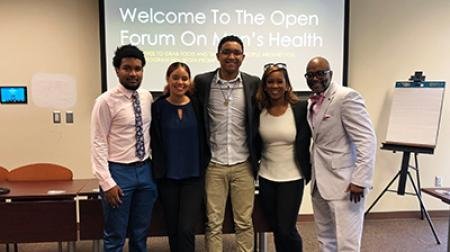
Addressing the Black sperm donor shortage requires more than viral outrage.
Possible structural shifts include:
- Targeted outreach through Black-led medical organizations
- Transparent communication about genetic privacy safeguards
- Community-based education around male fertility health
- Ethical oversight clarity and long-term consent transparency
But solutions must be trust-centered, not transactional. Recruitment without rebuilding trust will fail.
And trust cannot be rebuilt without acknowledging harm.
What This Reveals About Civic Health

The donor shortage is a health issue — but it’s also a civic one.
Reproductive autonomy is part of full citizenship. When a community’s choices are structurally constrained, even in deeply personal matters like family-building, that reflects systemic imbalance.
In our coverage of mental health, economic inequality, and digital access — from Is Your Mental Health Silently Sabotaging Your Success? to broader civic equity reporting — one pattern repeats: disparities stack.
The Black sperm donor shortage sits at the intersection of healthcare access, economic inequality, cultural identity, and institutional trust.
This isn’t just about one couple’s IVF journey.
It’s about whether systems designed to help people build families are accessible to all.
Key Takeaways
- The Black sperm donor shortage significantly limits reproductive options for Black families seeking racial concordance.
- Black women experience higher infertility rates while facing lower access to advanced reproductive care.
- Medical mistrust rooted in documented historical harm contributes to lower donor participation.
- Online backlash toward individual parents distracts from systemic recruitment and equity failures.
- Reproductive justice is inseparable from broader health and economic equity conversations.
HfYC Poll of the Day
Follow us and respond on social media, drop some comments on the article, or write your own perspective!
Given the Black sperm donor shortage, should fertility clinics be required to implement targeted outreach programs to recruit more Black donors?
Poll Question Perspectives
Should Black-led medical organizations create community-vetted donor networks to rebuild trust outside traditional sperm banks?
Is public criticism of parents who choose non-Black donors distracting us from addressing systemic fertility inequities?
Should state governments treat donor diversity as a public health equity issue rather than a private market problem?
Related HfYC Content
- Is Your Mental Health Silently Sabotaging Your Success? (Part 1/5)
- The Dashboard of Your Mind: 4 Warning Signs Your Mental Health Is Sabotaging Your Success (Part 2/5)
- The New Political Landscape — November 2025 Elections Impact
- The 2026 Wellness Shift: How Newark Black-Owned Gyms Are Reclaiming Health
- Rev. Jesse Jackson Hospitalized – What Black America Owes Its Civil-Rights Elders
Other Related Content
- Blavity – Da Brat And Judy Say Using White Sperm Donor Resulted In Death Threats
- People Magazine – Exclusive: Da Brat and Judy Harris-Dupart on Parenthood and The Way Love Goes
- American Society for Reproductive Medicine – Disparities in Access to Effective Treatment for Infertility
References
- Michelle, J. (2026, February 14). Da Brat And Judy Say Using White Sperm Donor Resulted In Death Threats. Blavity.
- People Magazine. (2026). Exclusive: Da Brat and Judy Harris-Dupart on Parenthood and The Way Love Goes.