Newark Code Blue Faith: Churches as Life-Saving Sanctuaries
In Newark, faith is not abstract during a Code Blue—it becomes physical. Doors open. Lights stay on. Basements turn into warming centers. As Newark Code Blue Faith efforts intensify amid dangerously low temperatures this week, churches are once again stepping into a role that blends spiritual care with literal survival.
The City of Newark has activated Code Blue status due to projected overnight lows that pose risks to unsheltered residents and those living without reliable heat. With City Hall closed for the February 16 holiday, many non-emergency services are paused—leaving faith-based institutions and community centers as frontline responders.

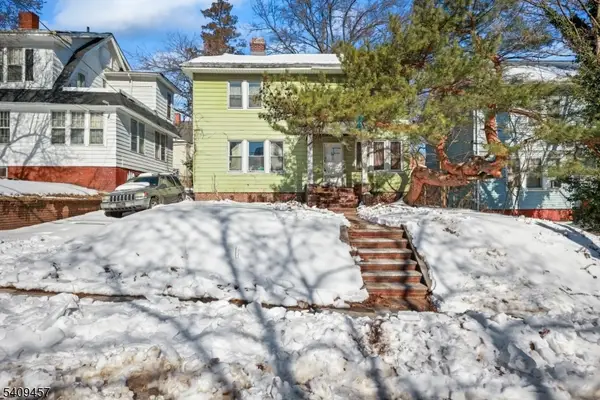
When Policy Meets the Arctic Air
Under New Jersey state housing regulations, landlords must maintain indoor temperatures of at least 68°F during the day and 65°F at night during heating season. On paper, the protection exists. In practice, many tenants in older housing stock report inconsistent heat—especially during severe cold snaps.
Code Blue alerts are meant to trigger emergency shelter coordination. But when municipal offices are closed for holidays, residents often turn to institutions that never fully shut down: churches.
This tension—between written policy and lived experience—is not new. It echoes concerns raised in our reporting on Newark’s civic infrastructure and budget pressures, including in $970M Newark Budget Plan Raises Painful Tax Concerns.
Churches as Newark’s Unofficial 24/7 Infrastructure
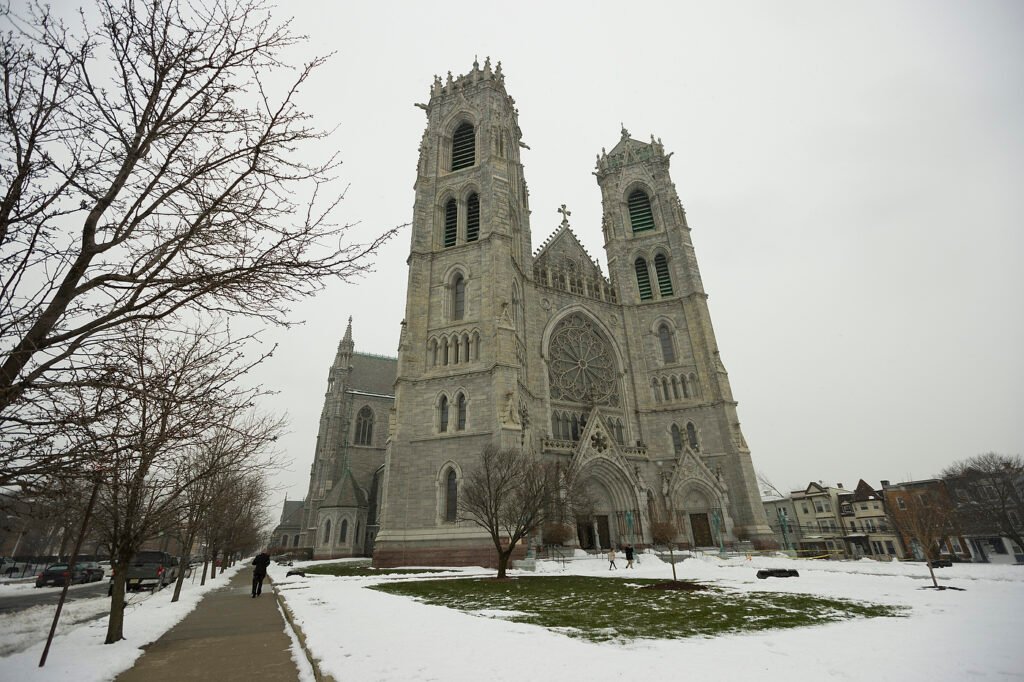
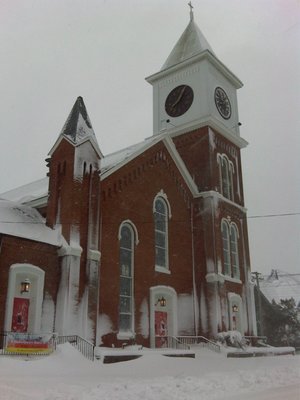
For generations, Newark’s Black churches have operated as more than houses of worship. They are food banks, counseling hubs, youth centers, and political meeting grounds. During extreme weather, they become warming sanctuaries.
Historic congregations across the South and West Wards routinely expand outreach during Code Blue alerts—offering hot meals, coat drives, and temporary shelter coordination. These efforts often run quietly, coordinated through phone trees, text chains, and word of mouth rather than formal press releases.
This moment fits within a longer story we’ve covered before: the enduring civic role of faith institutions in New Jersey. See The Enduring Foundation: How New Jersey’s Black Churches Fueled a Movement and What That Means for Us Today.
The Faith Gap: When Government Closes, Community Opens
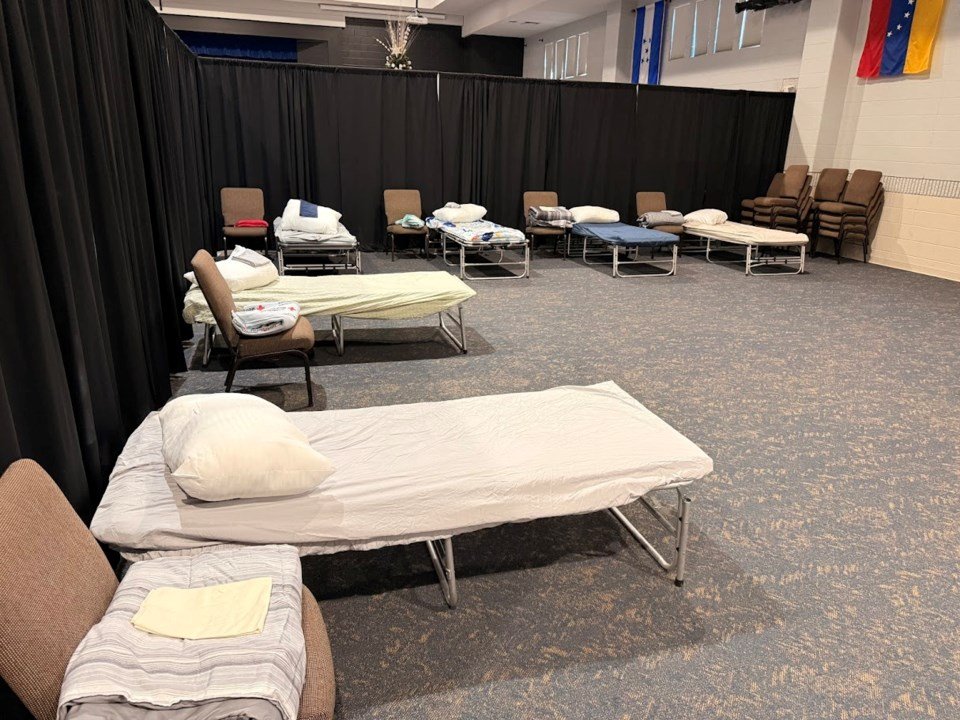
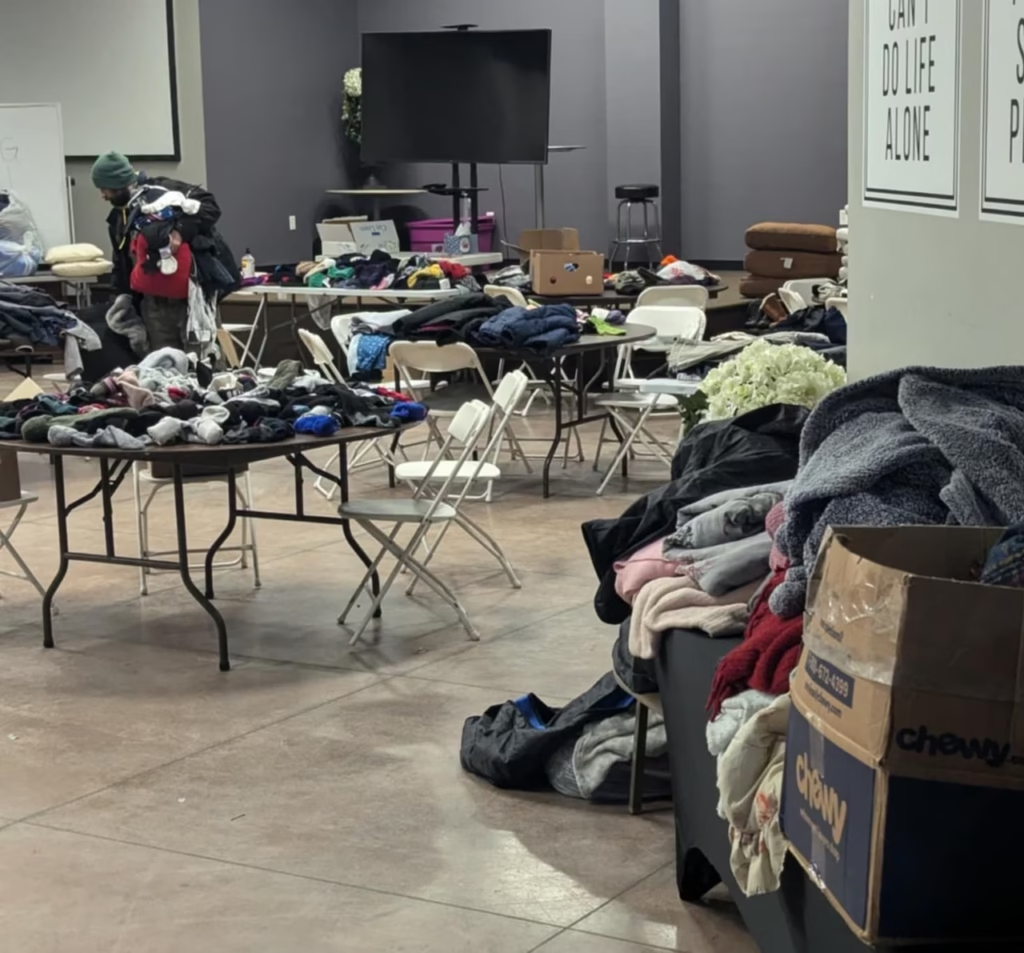

The deeper issue is not just weather. It is infrastructure.
When City Hall closes for a federal or state holiday, emergency systems still exist—but administrative functions slow. For residents facing a broken boiler, an eviction threat, or unsafe living conditions, navigating official channels becomes harder.
Churches often absorb that gap.
That reality intersects directly with Newark’s broader housing pressures. In $600K New Jersey Racial Wealth Gap = Gentrification Today + Homelessness Tomorrow, we explored how housing instability compounds generational vulnerability. Code Blue conditions simply expose those cracks in sharper relief.
Meanwhile, as luxury developments rise downtown and in the Ironbound, longtime residents in other wards rely on church basements to stay warm. The contrast is hard to ignore.
What Newark Code Blue Faith Reveals About Civic Trust
Extreme cold does more than test heating systems—it tests trust.
Who answers the phone?
Who unlocks the door?
Who shows up after 7 PM?
For many Newark residents, the answer remains the same institution that has historically carried community burdens when formal systems faltered: the Black church.
This is not about romanticizing faith institutions. Churches themselves face budget constraints, aging buildings, and volunteer fatigue. But during Code Blue emergencies, they are often the most immediate, trusted, and culturally rooted response available.
Key Takeaways
- Newark Code Blue Faith efforts highlight the essential civic role Black churches play during emergency weather conditions.
- Housing heat requirements exist in law, but enforcement gaps leave some tenants vulnerable during extreme cold.
- Holiday closures can unintentionally shift survival responsibility onto community institutions.
- Faith institutions function as informal infrastructure in neighborhoods where trust in formal systems is uneven.
HfYC Poll of the Day
Follow us and respond on social media, drop some comments on the article, or write your own perspective!
Given the extreme Code Blue weather, should the city provide direct subsidies to local churches that act as 24/7 warming centers?
Poll Question Perspectives
Should Newark formally fund churches that operate as emergency warming sites during Code Blue alerts?
- Is relying on faith institutions during extreme weather a strength of Newark’s community—or a sign of municipal gaps?
- Would expanded recreation center hours be more effective than partnering with churches during winter emergencies?
Related HfYC Content
- $970M Newark Budget Plan Raises Painful Tax Concerns
- $600K New Jersey Racial Wealth Gap = Gentrification Today + Homelessness Tomorrow
- The Enduring Foundation: How New Jersey’s Black Churches Fueled a Movement and What That Means for Us Today
- The Sound of Heaven: Why the Black Church Worship Experience is Unique
Other Related Content
- City of Newark – Code Blue Alerts & Emergency Resources
- New Jersey Department of Community Affairs – Landlord Heating Requirements
- National Coalition for the Homeless – Winter Weather & Shelter Access
References
- New Jersey Department of Community Affairs. (n.d.). Landlord-Tenant Information Service: Heating Requirements. https://www.nj.gov/dca/divisions/codes/offices/landlord_tenant_information.html
- City of Newark. (2026). Code Blue Emergency Activation Notice. (Official municipal communication).
- National Coalition for the Homeless. (n.d.). Winter Weather and Homelessness. https://nationalhomeless.org/issues/weather/
-

-

-
-