Keith Lee Invests in Brooklyn Dumpling Shop Creator Economy Shift
The “Keith Lee Effect” has officially moved from viral food reviews to the business boardroom. The social media food critic known for quietly transforming struggling restaurants into viral success stories has reportedly taken an investment stake in Brooklyn Dumpling Shop. For many observers, the moment signals something bigger than one deal—it represents a shift in how digital influence, culture, and ownership intersect in today’s economy.
Brooklyn has long exported culture to the world. Now it may also be exporting a new blueprint: creators becoming owners, and local brands scaling through the power of online trust.
From Viral Reviews to Ownership Stakes
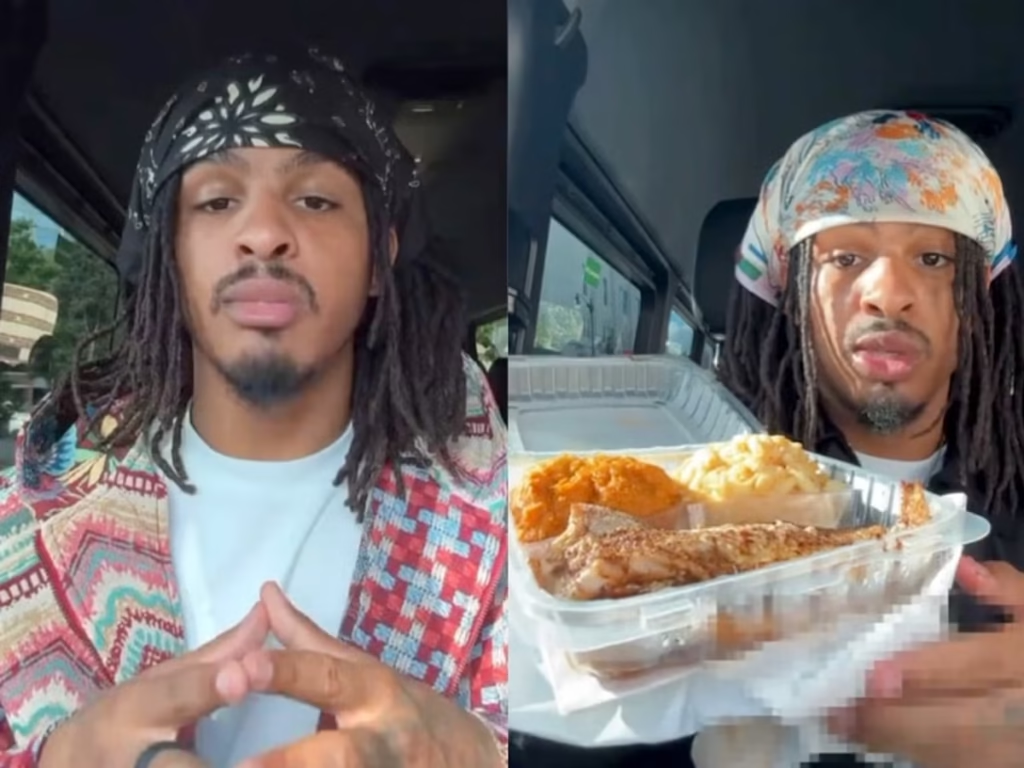
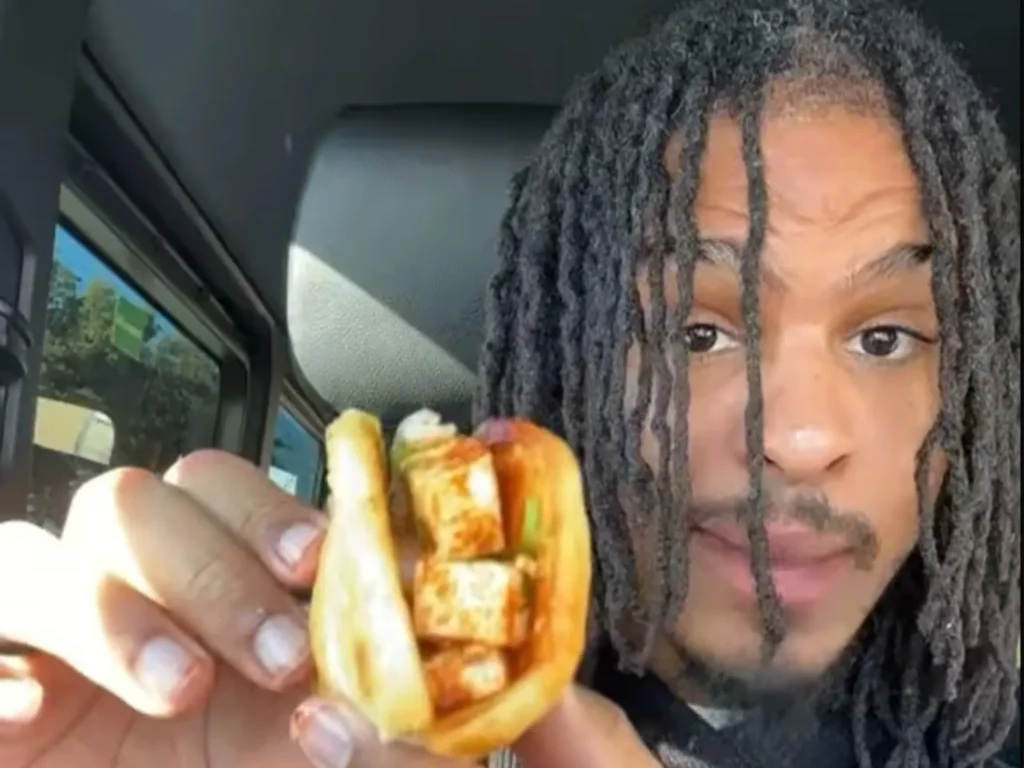
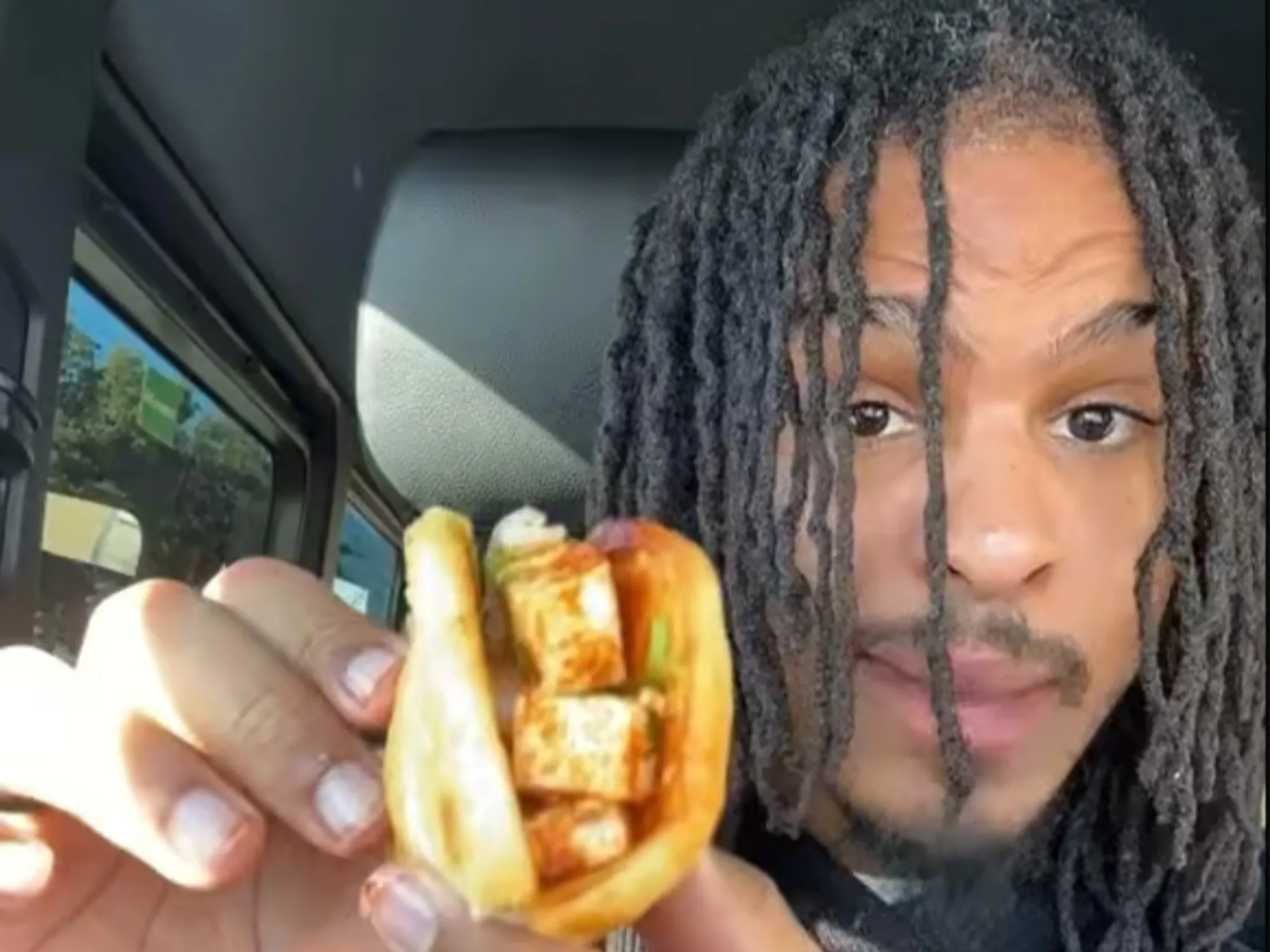
For years, Keith Lee built a reputation for simple, transparent food reviews—often filmed in his car with minimal production and a straightforward tone. His audience trusts the authenticity of those videos, and restaurants across the country have experienced what many call the “Keith Lee Effect.”
The phenomenon is straightforward: a positive review from Lee can send thousands of customers to a restaurant within hours.
Several restaurants have publicly credited Lee’s reviews with saving their businesses from closure after viral exposure brought massive foot traffic. That kind of influence has made Lee one of the most powerful voices in the food creator economy.
The reported investment in Brooklyn Dumpling Shop represents a different move. Instead of simply reviewing a restaurant, Lee appears to be stepping into a long-term ownership position, signaling a shift from influence to infrastructure.
Brooklyn Dumpling Shop’s Tech-Forward Food Model



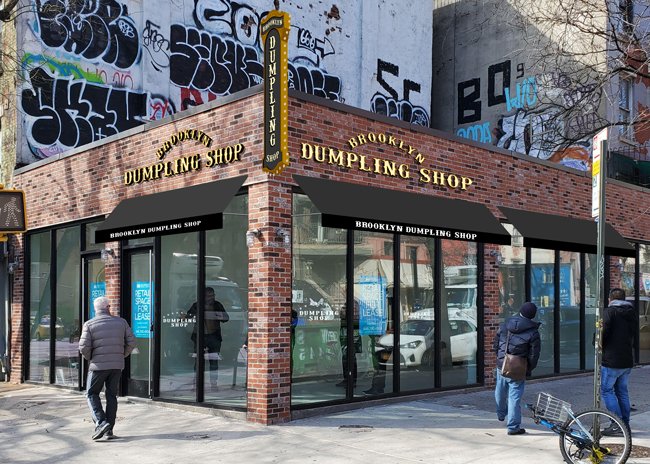
Brooklyn Dumpling Shop has attracted attention for its modern twist on a classic concept: the automat.
Instead of traditional counters, customers order digitally and retrieve their food from temperature-controlled lockers. The model blends fast-casual dining with technology-driven efficiency.
For younger consumers—particularly Gen Z diners accustomed to mobile ordering, delivery apps, and frictionless checkout—the concept feels natural.
For investors, it offers something else: scalability.
Automated pickup systems can reduce labor requirements and streamline operations, potentially allowing the brand to expand through franchising and new locations.
The Creator Economy Meets Brick-and-Mortar

The reported partnership highlights a larger shift happening across retail and hospitality: creators are no longer just marketing channels—they are becoming equity partners.
Traditionally, influencer marketing involved paid promotions or sponsorship deals. But equity partnerships represent a different strategy.
Ownership aligns incentives.
Instead of a one-time post or advertisement, creators have a long-term stake in a brand’s success. That dynamic may reshape how businesses collaborate with influential voices online.
For Black creators in particular, the shift from promotion to ownership carries deeper economic significance. Historically, cultural influence has not always translated into financial control of the industries built on that influence.
Deals like this suggest a different trajectory may be emerging.
Brooklyn’s Cultural Economy in Transition
Brooklyn has always been a testing ground for culture-driven entrepreneurship.
From music and fashion to restaurants and nightlife, trends that begin in Brooklyn often travel far beyond New York City. That makes the borough a natural intersection between local identity and global attention.
But the growth of the creator economy introduces new questions.
When social media influence begins shaping investment decisions, who benefits most?
Do creator-backed businesses lift the surrounding ecosystem, bringing attention and opportunity to smaller vendors? Or does the bar for success become tied to viral visibility that many independent businesses cannot easily achieve?
These tensions are likely to shape how communities think about growth in the coming years.
Key Takeaways
- The reported investment in Brooklyn Dumpling Shop signals a shift from influencer marketing to creator ownership in the food industry.
- Keith Lee’s influence illustrates how trust built through digital platforms can translate into real economic impact for restaurants.
- Brooklyn Dumpling Shop’s automated locker model reflects broader trends toward technology-driven dining experiences.
- The partnership raises larger questions about how the creator economy will reshape small business growth and local food culture.
HfYC Poll of the Day
Follow us and respond on social media, drop some comments on the article, or write your own perspective!
How do you feel about major influencers like Keith Lee becoming owners of local restaurant brands?
Poll Question Perspectives
- Is influencer investment the future of restaurant growth—or a trend that favors already-famous brands?
- Does the “Keith Lee Effect” genuinely help small businesses, or does it create unrealistic expectations for success?
- Would you be more likely to try a restaurant if a creator you trust invested in it?
Related HfYC Content
- Jersey City Food Future: Night Market vs Wonder Food Hall
- The Hustle and the Heartbeat: Why Black Entrepreneurship in Brooklyn is Their Unbreakable Soul
- Plainfield Eats: 8 Spots for the Best Soul Food and Beyond
- Caribbean Fusion Restaurant Oula Brings Global Flavor to Carteret
Other Related Content
- The Rise of the Creator Economy in Food Media – Forbes analysis on how creators are reshaping business partnerships.
- Inside the Return of the Automat: How Technology Is Changing Restaurants – New York Times reporting on automated restaurant concepts.
- How TikTok Creators Are Influencing the Restaurant Industry – Business Insider coverage on viral food reviewers and restaurant demand.