Amazon QR Code Scam Christmas Alert: Don’t Scan That “Delivery” Code
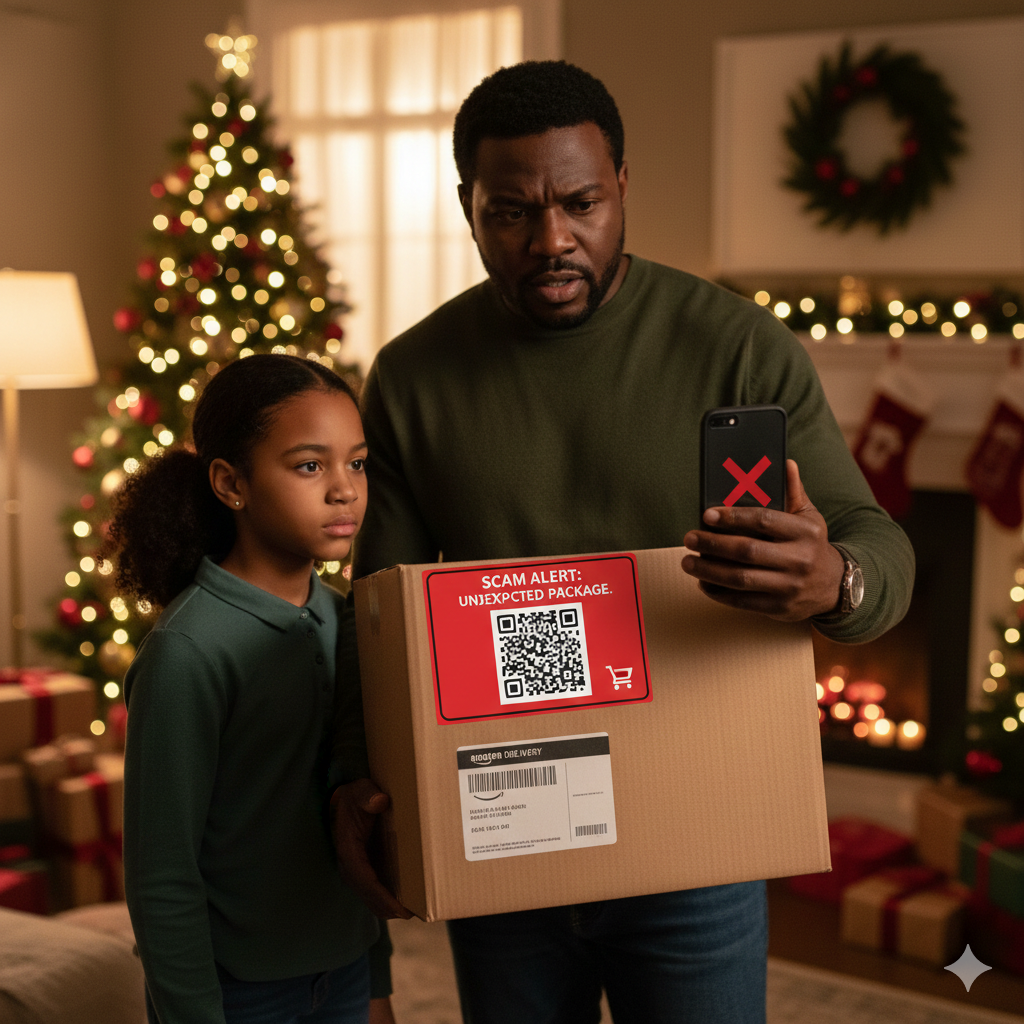
If you’re seeing surprise packages, random “Amazon” deliveries, or inserts telling you to scan a QR code to identify the sender, pause. The Amazon QR code scam is popping up more during the holiday rush, when we’re all expecting something at the door and our guard is naturally lower. Federal and consumer protection groups have warned that scammers are using unsolicited packages with QR codes to push people onto fake “Amazon-style” pages that steal logins, card details, or even trick you into downloading malware. Internet Crime Complaint
This is your quick HFYC heads-up: curiosity is the trap.
What the Amazon QR Code Scam Looks Like
Here are the most common setups people are reporting:
- A package you didn’t order shows up with no clear sender info.
- Inside is a note saying something like: “Scan this QR code to see who sent your gift” or “Scan to confirm delivery / return item.” Consumer Advice
- The QR code takes you to a site that looks legitimate (Amazon, a shipping carrier, or a “customer support” page).
- You’re asked to log in, “verify” your address, pay a small “redelivery” fee, or enter banking details.
The scariest part: QR codes hide the real link until you scan. That’s why scammers love them.
Why This Spikes at Christmas (And Why Black Communities Feel It Differently)
The holidays already come with pressure: showing up for family, managing travel, making money, stretching, and still trying to keep joy in the middle of everything. Scammers play that rhythm like a drum.
For many Black households—especially in Northern NJ/NYC metro areas where deliveries are constant—packages can arrive daily: skincare, work supplies, gifts for nieces and nephews, last-minute “don’t tell grandma” orders. The scam works because it blends into normal life.
Youth perspective (real talk)
Younger folks are the most likely to scan a QR code without thinking twice because it’s second nature—menus, event tickets, merch drops, group chats, everything. That speed is a strength… until it’s used against you.
Cross-generational perspective
Elders often have the right instinct—“Don’t scan that mess.” Pair that instinct with younger folks’ tech skills (like previewing links and checking account security) and you’ve got the best defense: community cybersecurity.
What to Do If You Get One of These Packages
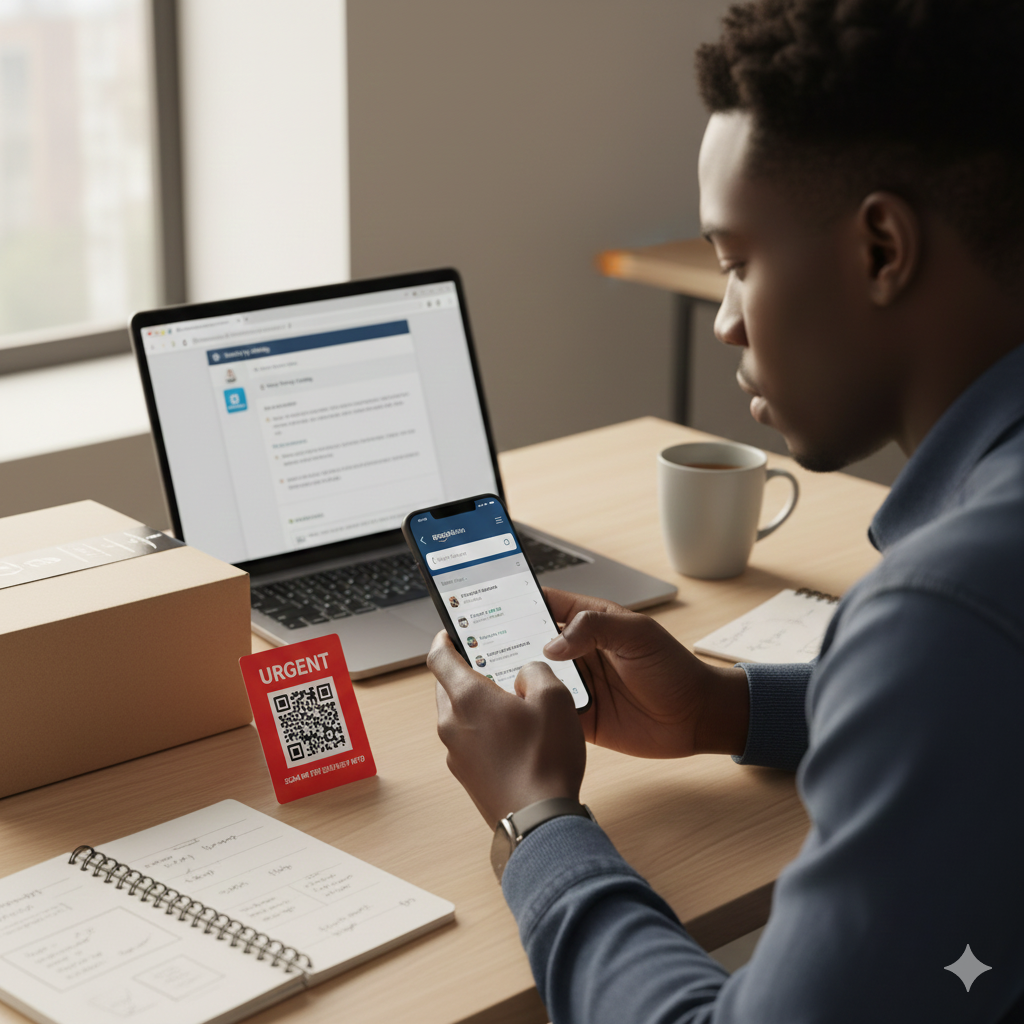
Do this first (fast checklist)
- Do not scan the QR code.
- Check your Amazon account directly (open the Amazon app/website yourself, not from the QR code) and review:
- Orders
- Addresses
- Payment methods
- If the package has shipping details, contact the carrier using the official site/app (again: not through the QR code).
- Update passwords (Amazon + your email account, because email is the “master key”).
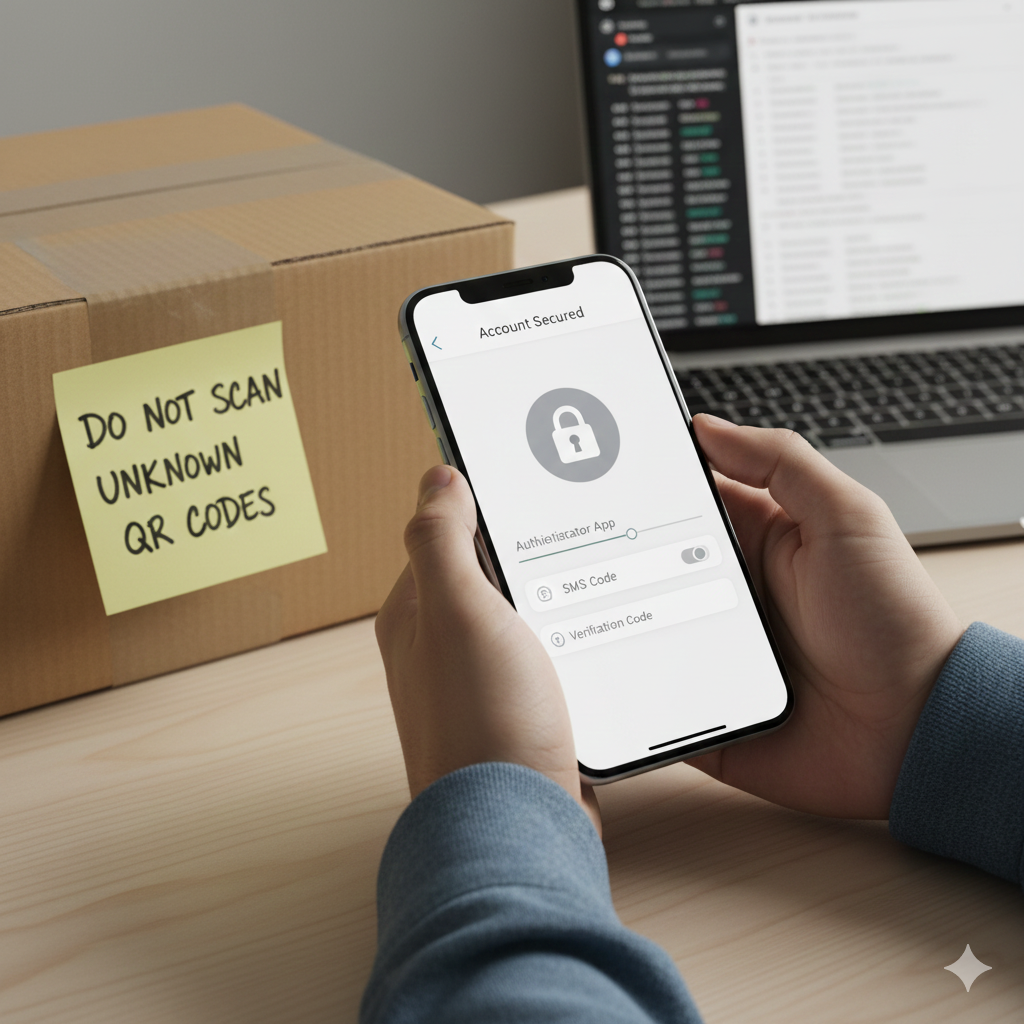
- Turn on 2-step verification for Amazon and your email.
If you already scanned it
- Do not enter any information if you haven’t yet.
- If you did enter your login/payment info: change passwords immediately, contact your bank/card issuer, and monitor transactions.
- Run a mobile security scan and update your phone OS/apps.
Report it
The FBI encourages reporting cyber scams through IC3 so patterns can be tracked. Internet Crime Complaint Center
Key Takeaways (Keep These in Your Pocket)
- The Amazon QR code scam often starts with a package you didn’t order and a QR code designed to trigger curiosity.
- QR codes can lead to phishing sites or malware, and you won’t see the destination link until it’s scanned.
- The safest move: never scan QR codes from unexpected packages—verify through official apps/sites instead. BBB
Do a quick “holiday safety check-in” with your people:
- Ask your group chat: “Anybody get a random package with a QR code lately?”
- Help parents/aunties set up 2-factor authentication.
- Normalize the phrase: “Don’t scan it. Look it up.”
Because the real flex this season is protecting your time, money, and peace.
HfYC Poll of the Day
Be honest: if a package shows up with a QR code saying “scan to see who sent it,” are you scanning first and thinking later?
Follow us and respond on social media, drop some comments on the article, or write your own perspective!
Related HfYC Content
- AI on the Frontlines: How Large Language Models, Automated Workflows, and AI Agents Are Transforming Life and Work
- Government Shutdown Step-by-Step: Why Each Side Is Holding Out
- From Street Corners to Storefronts: Black Entrepreneurs and New Jersey’s Legal Green Rush
- The Real Story Behind Black Friday — And How to Take Advantage in 2025
- Plainfield Vintage Hunt: 7 Thrift Stores You Can’t Miss
Other Related Content
- FBI IC3 Public Service Announcement: Unsolicited Packages Containing QR Codes Used to Initiate Fraud Schemes
- FTC Consumer Alert: Scam alert: QR code on an unexpected package
- BBB Tip: Don’t scan QR codes on unexpected packages
- FTC Consumer Alert: Scammers are delivering phishing messages this holiday season
- Consumer Reports: Delivery Texts: Scam or Legit?
References (APA)
- Better Business Bureau. (2025, February 12; updated 2025, October 16). BBB Tip: Don’t scan QR codes on unexpected packages.
- Federal Bureau of Investigation, Internet Crime Complaint Center. (2025, July 31). Unsolicited packages containing QR codes used to initiate fraud schemes (PSA250731).
- Federal Trade Commission. (2025, January). Scam alert: QR code on an unexpected package.
- Federal Trade Commission. (2024, December). Scammers are delivering phishing messages this holiday season.
- Consumer Reports. (2025). Delivery texts: Scam or legit?
-

-
-

-