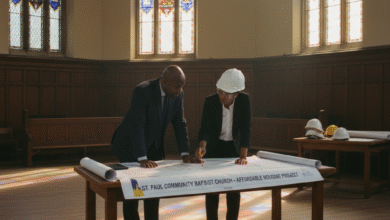
W.E.B. Du Bois Brooklyn Legacy 2026 at St. Ann’s
On Sunday, February 22, 2026, a Brooklyn sanctuary becomes a time capsule. At 1:30 PM, St. Ann & the Holy Trinity Church will host the second annual Forum @ St. Ann’s, revisiting a friendship that once unsettled Cold War America. The focus: the historic relationship between W.E.B. Du Bois and the church’s former rector, Rev. William Howard Melish. The stakes are not nostalgic — they are spiritual, political, and local.
A Radical Friendship on Montague Street

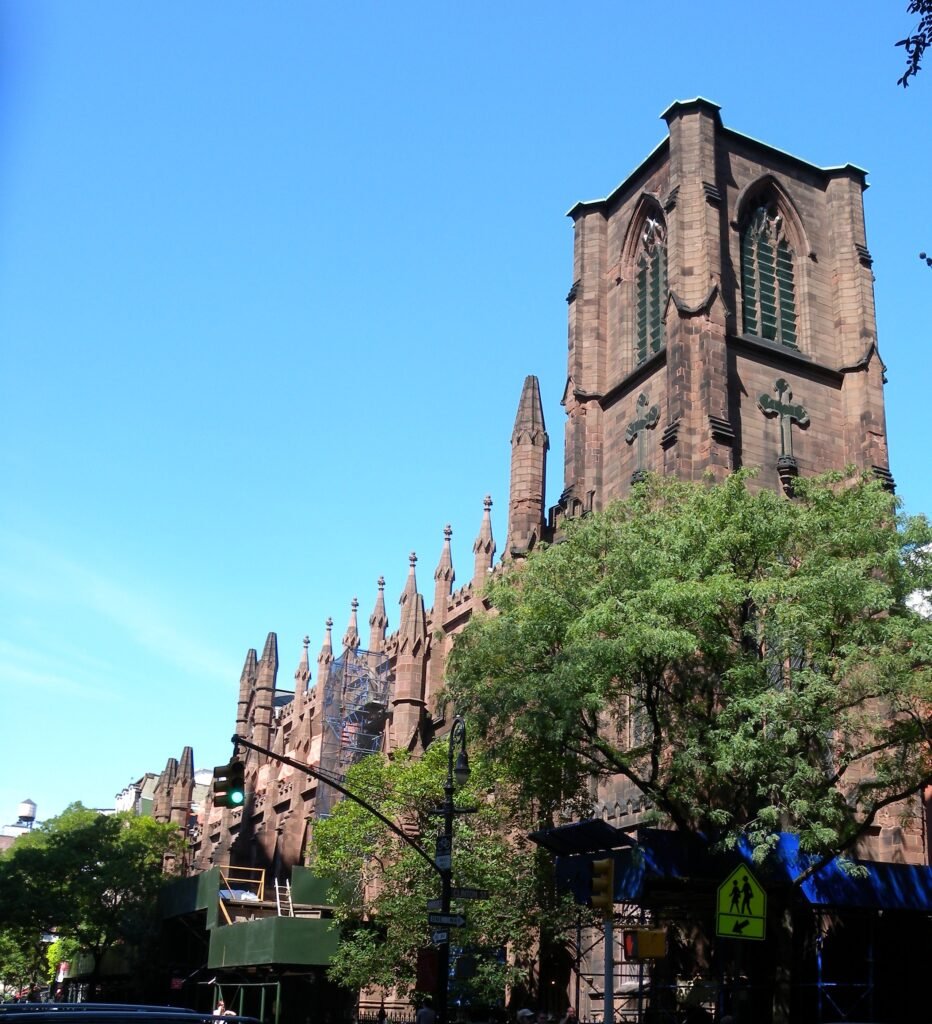
In the 1950s, long before Black History Month became nationally recognized, Du Bois helped inaugurate Negro History Week at St. Ann’s. He did so at the invitation of Melish, a white Episcopal priest whose outspoken positions on peace and civil rights made him a controversial figure during the McCarthy era.
Melish’s activism led to a prolonged battle within the Episcopal Church establishment. Yet St. Ann’s remained a space where global Black consciousness and Brooklyn faith communities intersected.
This wasn’t symbolic solidarity. It was lived proximity.
Du Bois resided just blocks away at 31 Grace Court in Brooklyn Heights — a brownstone he purchased from playwright Arthur Miller. From that home, under the shadow of the Brooklyn Bridge, he refined an increasingly international vision of Pan-African solidarity.
From Brooklyn Heights to Accra
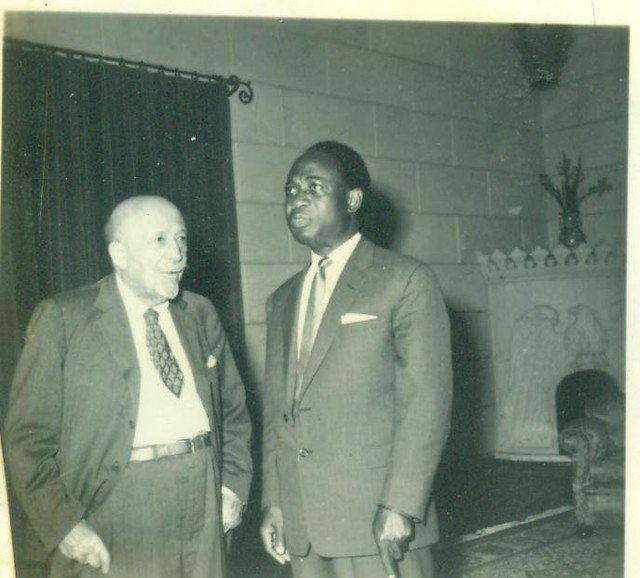
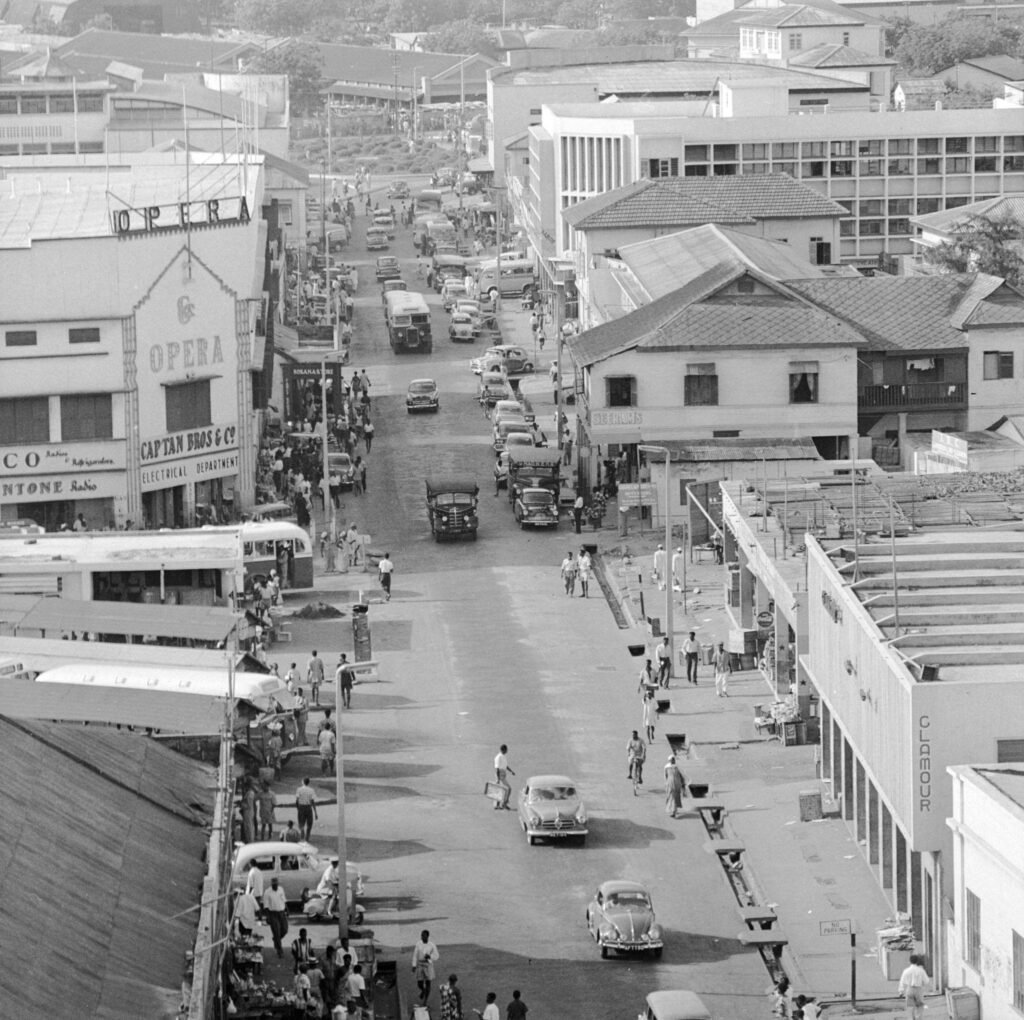
By the early 1960s, Du Bois relocated to Ghana at the invitation of President Kwame Nkrumah (Source Needed). There, he worked on the Encyclopedia Africana, an ambitious intellectual project intended to document global African history on African terms.
His bond with Melish endured. In his final will, Du Bois requested that Melish preach and preside over his funeral in Accra. In September 1963, Melish honored that request — a white Brooklyn priest officiating the funeral of one of the 20th century’s most influential Black intellectuals on African soil.
Du Bois’s wife, Shirley Graham Du Bois, remained deeply engaged in Pan-African political work after his passing, further solidifying the Brooklyn-to-Ghana intellectual bridge.
The Black Church as a Global Engine

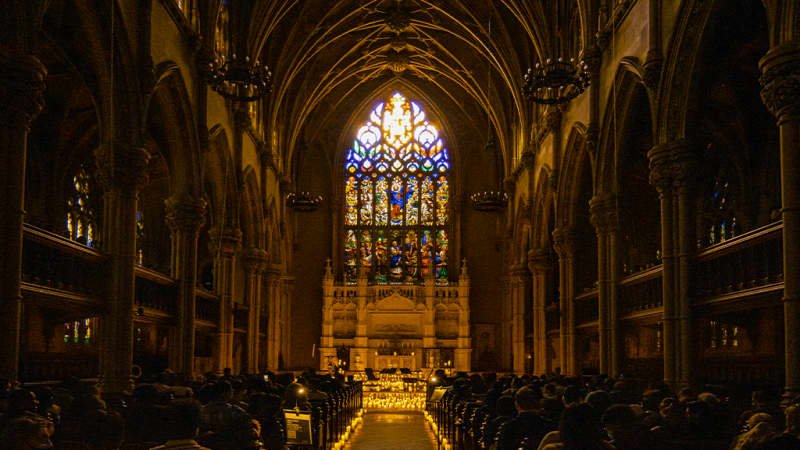
Brooklyn Heights is often framed through architecture and affluence. But its sanctuaries have also incubated global movements.
St. Ann’s was not just hosting lectures; it was convening debates about race, empire, communism, Christianity, and freedom. The Cold War tried to narrow the imagination of Black political thought. Du Bois and Melish expanded it.
For Black Brooklyn in 2026, this history reframes the block. The brownstones were not just residences. They were strategy rooms.
Digital and Spiritual Equity — Before the Internet
Du Bois spent his life building intellectual infrastructure — journals, conferences, research institutions — that connected the African diaspora long before digital platforms existed. His time in Brooklyn represents a chapter where local worship space and global liberation theory shared the same pews.
Today’s Forum @ St. Ann’s asks a quiet but urgent question: what does it mean that this happened here?
In an era of digital activism, fractured attention, and platform fatigue, Du Bois’s Brooklyn years remind us that physical proximity still matters. Blocks matter. Churches matter. Conversations matter.
Key Takeaways
- W.E.B. Du Bois lived and organized in Brooklyn Heights during the 1950s.
- St. Ann & the Holy Trinity Church served as a site of early Negro History Week observances.
- Rev. William Howard Melish’s alliance with Du Bois defied Cold War political pressure.
- Du Bois’s relocation to Ghana did not sever his Brooklyn spiritual ties.
- Local faith institutions have historically shaped global liberation movements.
HfYC Poll of the Day
Follow us and respond on social media, drop some comments on the article, or write your own perspective!
Knowing that W.E.B. Du Bois and Shirley Graham Du Bois lived and organized right in Brooklyn Heights, do you feel a greater sense of responsibility to preserve the local history of your own block?
- Yes, it makes the history feel more tangible and relevant.
- It inspires me to learn more about the icons who walked my streets.
- I believe we should focus more on his global impact in Ghana.
Poll Question Perspectives
How should Brooklyn institutions preserve the intellectual legacy of figures like Du Bois today?
Does knowing radical history happened in your neighborhood change how you view gentrification and memory?
Are our current faith spaces still incubators for global justice movements?
Related HfYC Content
- Fading Black Church Choirs in Brooklyn: Faith, Gentrification, and Survival
- Black Brooklyn History: The Ultimate Guide to a Legacy of Resilience
- The Enduring Vibe: How Brooklyn’s Black Cultural Hubs Are Shaping Our Future
- The Enduring Foundation: How New Jersey’s Black Churches Fueled a Movement and What That Means for Us Today
Other Related Content
- NAACP History: W.E.B. Du Bois and the Founding of the NAACP
- W.E.B. Du Bois Center at the University of Massachusetts Amherst
- W.E.B. Du Bois Memorial Centre for Pan-African Culture (Accra, Ghana)
- Episcopal Church Archives – Researching William Howard Melish
References
- Du Bois Center at the University of Massachusetts Amherst. (n.d.). About W.E.B. Du Bois. Retrieved February 21, 2026, from https://www.umass.edu/dubois/
- NAACP. (n.d.). W.E.B. Du Bois. Retrieved February 21, 2026, from https://naacp.org/find-resources/history-explained/civil-rights-leaders/w-e-b-du-bois
- W.E.B. Du Bois Memorial Centre for Pan-African Culture. (n.d.). History of the Centre. Retrieved February 21, 2026, from https://www.duboiscentre.org.gh/
- Episcopal Church Archives. (n.d.). Research Resources and Clergy Records. Retrieved February 21, 2026, from https://www.episcopalarchives.org/
-
-
-
-