
Newark AI Economic Policy: Agentic Tech and Local Business
The conversation around Newark AI economic policy is no longer theoretical. What once sounded like a Silicon Valley experiment is now quietly shaping how businesses operate across Newark and nearby Jersey City. Property managers, startups, and small firms are beginning to use autonomous software tools—often called agentic AI—to manage tasks that used to require entire teams.
For many North Jersey entrepreneurs, this shift represents more than a technology upgrade. It signals a new economic landscape where algorithms help run the day-to-day mechanics of housing, services, and business operations.
The question now is simple: if the algorithm becomes part of the economy, who benefits—and who gets left out?
From Policy Conversation to Local Business Reality


Across New Jersey’s urban business corridors, conversations about artificial intelligence are moving beyond experimentation. Increasingly, the technology is being framed not just as a tech trend, but as part of broader economic competitiveness strategy.
In practical terms, that means businesses in Newark and Jersey City are beginning to integrate autonomous tools that can make limited operational decisions without constant human oversight.
These systems—often described as AI agents—are designed to:
- monitor data streams
- automate repetitive administrative tasks
- flag risks or maintenance issues
- communicate with customers or tenants automatically
For companies managing large buildings or service networks, these capabilities can dramatically reduce time spent on routine operations.
Where Agentic AI Is Showing Up First


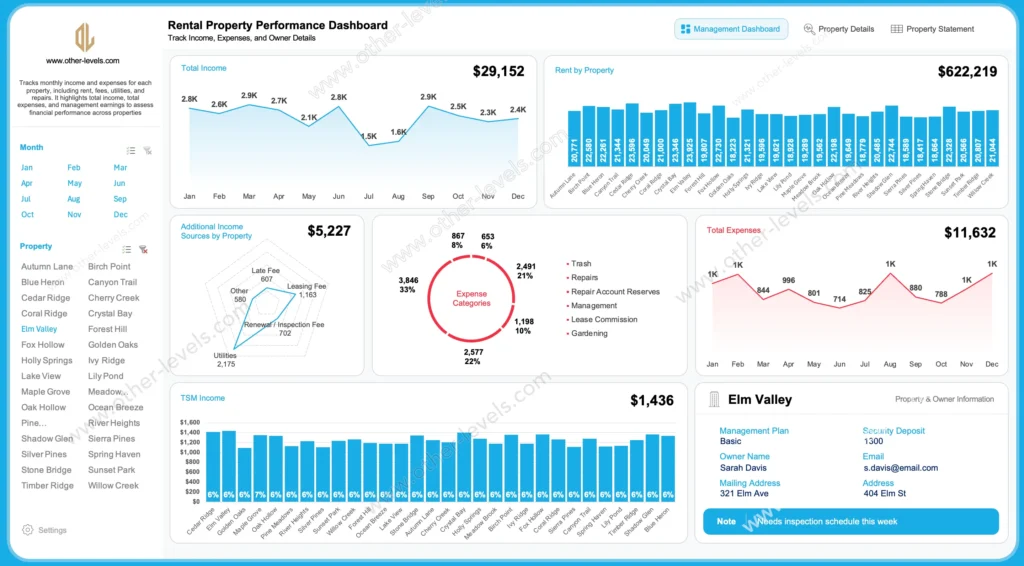
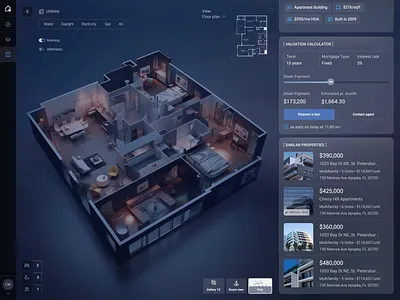
In North Jersey, the earliest adoption is happening in industries where small inefficiencies quickly become expensive.
Rent Collection Automation
Property management platforms are beginning to deploy AI systems that monitor payment patterns, trigger reminders, and manage tenant communication automatically.
Instead of staff manually tracking overdue accounts, AI systems can:
- send payment reminders
- escalate late notices
- generate compliance documentation
For landlords managing multiple properties, this dramatically reduces administrative workload.
Predictive Maintenance
Another growing use is predictive building maintenance.
AI systems can analyze signals from building infrastructure such as:
- HVAC performance
- water usage patterns
- electrical load changes
When anomalies appear, the system can notify maintenance teams before a failure occurs.
In older housing stock—common across Newark—early detection could potentially prevent expensive emergencies.
Administrative Operations
Some platforms now use autonomous tools to handle routine business logic such as:
- Vendor scheduling
- Contract tracking
- Regulatory reminders
While humans still approve major decisions, the software manages the operational flow.
For Black entrepreneurs and small business owners in Newark, the rise of agentic AI presents both opportunity and pressure.
On one hand, automation tools can help small firms scale operations without hiring large administrative teams. Tasks that once required several employees can now be managed by software.
That potentially levels the playing field for:
- Small property investors
- Independent contractors
- Local service businesses
- Tech startups entering the market
On the other hand, new technology also introduces a digital skills gap. Businesses that fail to understand these tools may struggle to compete with firms that adopt them early.
Newark has already begun positioning itself as a growing tech hub—sometimes described as a “Silicon Garden”—where innovation and entrepreneurship intersect with community development.
The Community Question: Efficiency vs Human Connection


The rise of AI-driven property management also raises deeper community concerns.
Housing is not just a financial asset—it is a human stability system.
When rent collection, maintenance decisions, or tenant communication become automated, residents may worry about:
- Losing human contact in housing disputes
- Opaque algorithmic decisions
- Privacy risks tied to data collection
For communities historically affected by housing inequality, technology must be implemented carefully.
Efficiency alone cannot replace accountability, transparency, and human judgment.
What This Shift Signals for North Jersey’s Economy

The emergence of Newark AI economic policy discussions reflects a broader shift happening across cities globally.
Technology is increasingly becoming embedded in the infrastructure of everyday business operations.
Instead of replacing entire industries overnight, AI is gradually becoming the invisible system managing:
- Payments
- Scheduling
- Compliance
- Infrastructure monitoring
For Newark and Jersey City, the real question may not be whether AI becomes part of the local economy—but who shapes how it is used.
Key Takeaways
- AI is increasingly influencing Newark’s local business environment, particularly in real estate and operational management.
- Agentic AI tools automate tasks like rent collection, maintenance alerts, and vendor coordination.
- Small businesses may gain efficiency advantages by adopting these tools early.
- Communities must balance technological efficiency with housing fairness, transparency, and human oversight.
- Understanding AI systems may soon become a basic business competency for entrepreneurs in North Jersey.
HfYC Poll of the Day
Follow us and respond on social media, drop some comments on the article, or write your own perspective!
Do you trust an AI “agent” to manage rent payments or property maintenance for your building?
Poll Question Perspectives
- Would automated property management make housing more efficient—or more impersonal?
- If AI systems handled rent collection and maintenance requests, would tenants gain convenience or lose accountability?
- Should housing operations rely on AI tools, or should human managers always remain the primary decision-makers?
Related HfYC Content
- Newark Silicon Garden: How a City Planted in Grit Is Blooming Into a National Tech Powerhouse
- $600K New Jersey Racial Wealth Gap = Gentrification Today + Homelessness Tomorrow
- Building Power: How PLAs Shut Out Black Contractors
- Employee Engagement Decline Hits Home in Northern NJ & Brooklyn
Other Related Content
- How Artificial Intelligence Is Changing the Global Economy — Brookings Institution
- The Economic Potential of Generative AI — McKinsey Global Institute
- AI and the Future of Property Management — Forbes Business Council
-

-

-
-